
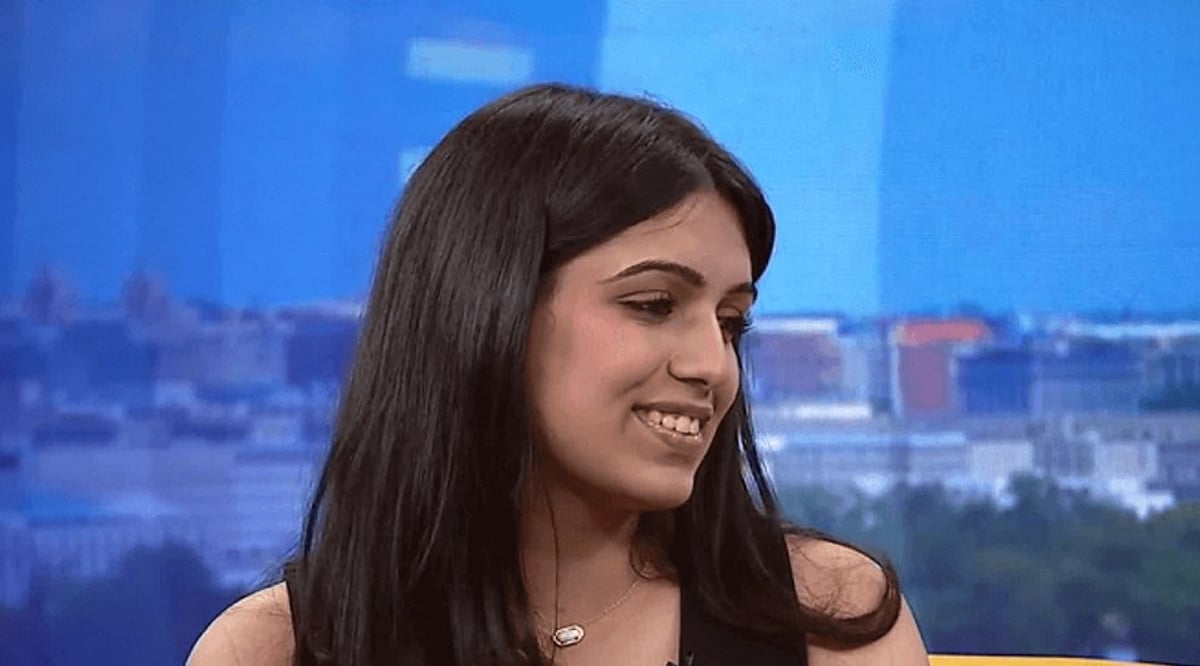
From School Ban to Startup Success
Seventeen-year-old Navya Tuteja, a senior at Thomas Jefferson High School for Science and Technology in Virginia, turned a school-wide ban on ChatGPT into the inspiration for her AI startup, Raaha. The platform, which she built herself, is designed to help neurodivergent job seekers evaluate whether a job listing aligns with their needs before they apply.
Since its launch, Raaha has attracted over 1,000 users and indexed more than 20,000 job listings, according to reports. Tuteja currently offers the platform free of charge as she continues to refine the product.
What Inspired Raaha
The idea for Raaha grew from Tuteja’s personal experiences. Her mother is hard of hearing, and Tuteja noticed that many job advertisements aimed at neurodivergent candidates focus heavily on employer expectations while offering little insight into the actual workplace environment. Raaha aims to close that gap by analyzing job descriptions across multiple factors, giving candidates a clearer picture of whether a role might suit their needs.
Tuteja has also considered a future business model where employers and workforce organizations could pay to use the platform or to improve their job postings for inclusivity.
Navigating an AI Ban
Interestingly, Tuteja’s own school Wi-Fi blocks access to ChatGPT, Claude, and other generative AI tools. She says the restriction forced her to rely less on AI during school hours and to handle learning and exam preparation independently. However, she does not advocate for outright bans. As president of her school’s AI club, she uses AI for practical tasks like drafting emails and organizing information.
For Raaha, Tuteja wrote the core algorithm herself and used AI primarily for mechanical aspects of website design. She emphasizes the importance of transparency in AI usage.
Another Project: Legible
Beyond Raaha, Tuteja created Legible, a tool that translates complex special-education documents—such as IEPs and 504 plans—into simpler language for families. Concerned that AI-generated summaries sometimes omit critical sources, she developed a transparency framework called Traceable Accessibility. She has discussed this framework with state lawmakers and the U.S. Department of Education.
What’s Next
Tuteja plans to attend college but says she could consider running Raaha full-time if the startup continues to grow.