
Tag: Offer for Sale

  • NSE IPO Closes Today: Institutional Investors Sell Only 5.11% Stake in Rs 22,569 Crore OFS

    NSE IPO Closes Today: Institutional Investors Sell Only 5.11% Stake in Rs 22,569 Crore OFS

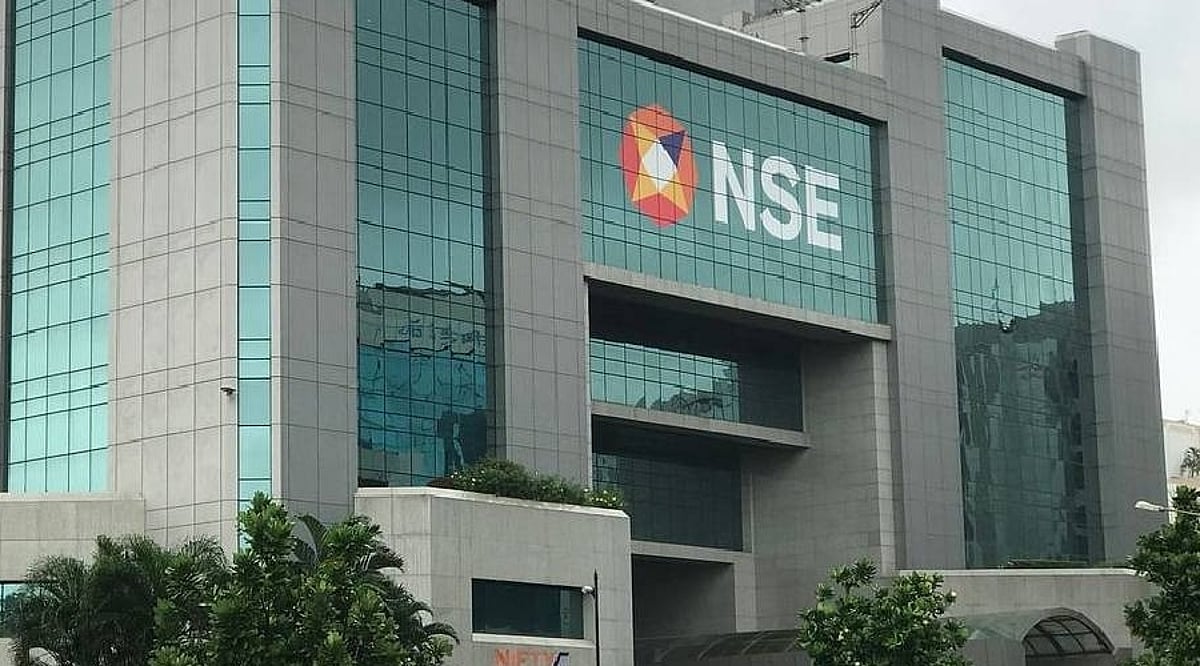
    The National Stock Exchange (NSE) IPO enters its final bidding day today, with major shareholders choosing to retain most of their stakes even as the Offer for Sale (OFS) concludes. The Rs 22,569-crore issue closes on September 21, and NSE shares are expected to debut on the stock exchanges on September 24.

    Limited Sell-Down by Institutional Investors

    Institutional investors collectively held a 36.82% stake in NSE before the IPO but have offered shares equivalent to only 5.11% of the exchange through the OFS. This limited sell-down allows these shareholders to monetize a portion of their investments while keeping significant exposure to the exchange ahead of its public listing.

    The selling group comprises 20 institutional investors — nine foreign investors and 11 domestic institutions. Foreign investors collectively held 15.96% of NSE before the IPO, while domestic institutions controlled 20.86%.

    Key Shareholders and Their Reductions

    Several large institutional investors trimmed their holdings by roughly 7% through the OFS:

    • Aranda Investments held 4.54% before the OFS.
    • Stock Holding Corporation had a 4.44% stake.
    • SBI Capital Markets entered the OFS with a 4.33% stake.
    • ChrysCapital held 3.73% before selling shares.

    Among foreign investors, Crown Capital sold around 11% of its pre-OFS holding, while TA Asia Pacific reduced its position by approximately 6% during the share sale.

    IPO Details and Subscription

    The NSE IPO offers up to 12.64 crore shares at a price band of Rs 1,700 to Rs 1,785 per share. At the upper end of the price band, NSE is valued at approximately Rs 4.42 lakh crore.

    The issue became fully subscribed on its second day of bidding, making it India’s second-largest public issue. Only Hyundai Motor India’s Rs 27,870-crore IPO in 2024 was larger.

    Because the NSE IPO is structured as an OFS, the exchange itself will not receive any proceeds. Instead, the money raised will go directly to the existing shareholders selling their shares.

    The OFS initially targeted 14.9 crore shares, but shareholders reduced the offer to 12.64 crore shares. That change lowered the expected issue size from around Rs 30,000 crore to the final Rs 22,569 crore figure.

    With the IPO closing today, all eyes now turn to the September 24 listing, where the retained stakes of institutional investors will remain exposed to market performance.
  • NSE IPO Set to Open on September 17: 12.64 Crore Shares Offered at Rs. 1,700–1,785 Price Band, Key Risks Explained

    NSE IPO Set to Open on September 17: 12.64 Crore Shares Offered at Rs. 1,700–1,785 Price Band, Key Risks Explained

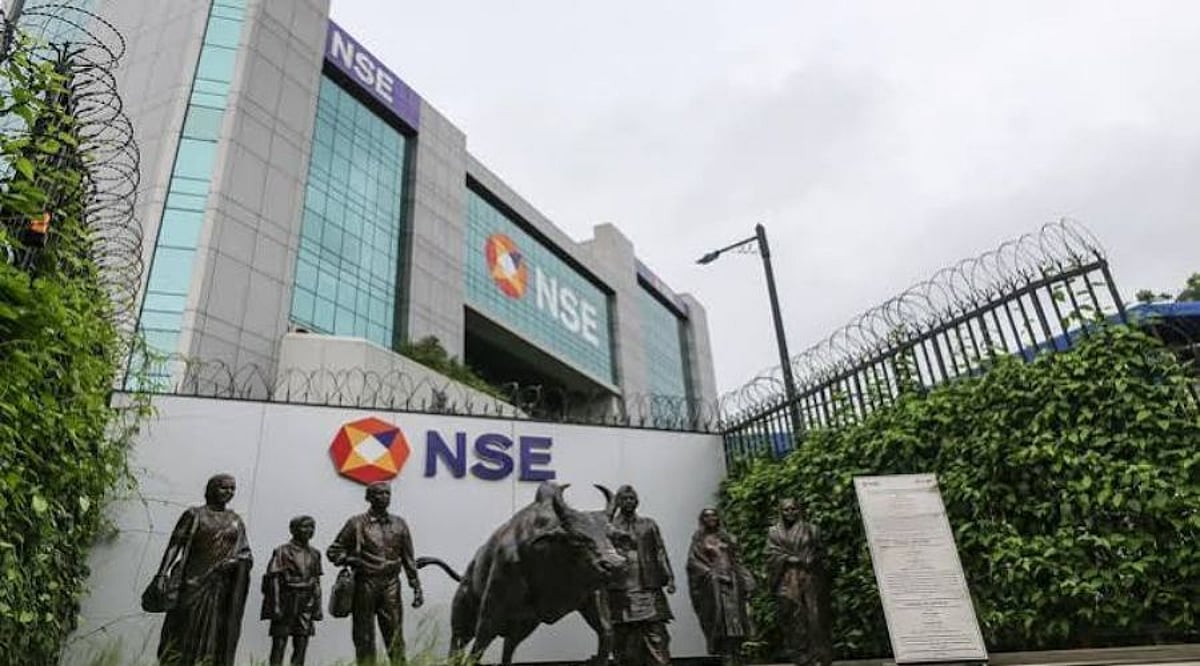
    The National Stock Exchange (NSE) is finally bringing its long-awaited initial public offering (IPO) to the market. The IPO will open for subscription on September 17 and close on September 21, with a price band fixed at Rs. 1,700 to Rs. 1,785 per share. The entire issue is structured as a 100% offer for sale (OFS), meaning no fresh shares will be issued and NSE will not receive any proceeds. All funds will go to the selling shareholders.

    OFS Size Reduced Before Opening

    Selling shareholders have scaled back the number of shares on offer from about 14.89 crore in the draft documents to approximately 12.64 crore in the final offer. This revised issue represents about 5.2% of NSE’s equity capital and values the exchange at nearly Rs. 4.42 lakh crore at the upper end of the price band.

    State Bank of India (SBI) is among the largest sellers, planning to offload about 1.60 crore shares, which could fetch around Rs. 2,850 crore at the top price. SBI Capital Markets will separately offer about 87.8 lakh shares. Other sellers include General Insurance Corporation of India, Bank of Baroda, Stock Holding Corporation of India, and several institutional investors. Some shareholders have reduced the number of shares they plan to sell compared with earlier filings, reflecting the valuation below some market expectations. An analyst tracking the issue noted, With the price band that we eventually saw, it made sense for the shareholders to hold onto their shares for the future.

    NSE Maintains Dominant Market Position

    NSE holds a commanding position across multiple segments of India’s capital market. It has been the country’s largest exchange by cash-market turnover and equity derivatives activity for years. On a global scale, in FY26, NSE accounted for about 11.4% of global cash equity activity and around 51.2% of equity derivatives contracts, according to data cited in the offer documents.

    The exchange also plays a major role in the primary market. Companies raised approximately USD 20.1 billion through NSE in FY26, and 219 IPOs were listed during the year. Rising retail participation, higher institutional activity, digital adoption, and wider fundraising are expected to support activity on Indian exchanges over the long term.

    Technology and Data Drive Revenue

    NSE operates a technology-driven trading platform that handles large volumes across equities, derivatives, and currencies. Its systems also support clearing, surveillance, settlement, and investor services. NSE Clearing supports both T+1 and T+0 settlement cycles. The exchange has also expanded internationally through NSE International Exchange at GIFT City, offering products linked to Indian markets.

    Beyond transaction fees, NSE earns revenue from colocation, market data, connectivity, index licensing, and terminal services. Its colocation racks grew from 934 in FY24 to 1,868 by the first quarter of FY27. Revenue from colocation, connectivity, data, and index licensing rose from Rs. 1,395 crore in FY24 to Rs. 1,956 crore in FY26.

    Key Risks: Trading Volumes, Cyber Threats, and Regulatory Changes

    NSE’s revenue remains closely tied to trading activity. Weak economic conditions, high interest rates, inflation, or lower investor participation could reduce market volumes and transaction income. Regulatory changes can also affect trading patterns, especially in derivatives, where NSE earns a large share of its transaction revenue.

    Technology failures and cyberattacks are another concern. NSE reported a distributed denial-of-service attack in May 2025, though it did not report any uncontained cybersecurity incidents during FY24–FY26. Its clearing business also carries counterparty risk if a member fails to meet settlement obligations. NSE Clearing must maintain adequate Settlement Guarantee Funds and strong risk controls to support market operations.

    The NSE IPO therefore gives existing shareholders a route to sell part of their holdings while bringing India’s largest stock exchange to the public market without raising fresh capital.

  • NSE IPO Targets September Debut with $3 Billion Offer for Sale

    NSE IPO Targets September Debut with $3 Billion Offer for Sale

    The National Stock Exchange (NSE) is gearing up for one of India’s largest public share sales. According to reports, the NSE IPO could open in September, with marketing for the issue expected to begin as early as next week. If the plan proceeds, the share sale could raise approximately $3 billion, setting a new record for the country’s biggest IPO.

    Investor Roadshows and IPO Size

    The exchange plans to meet large investors across several countries before the launch. Roadshows are slated for the United States, London, Singapore, Hong Kong, the Middle East, and India. These meetings will help assess investor interest before finalizing the price and launch date.

    Reports indicate the exchange holds a grey market value exceeding Rs 5.25 trillion. At that valuation, the IPO could raise around Rs 306 billion, surpassing Hyundai Motor India’s 2024 IPO, currently the largest public issue in the country. Market experts caution that the final valuation and issue size may still change before launch.

    Offer for Sale Structure

    The NSE IPO differs from many recent public issues. The entire offering will be an Offer for Sale (OFS), meaning current shareholders will sell part of their holdings; the exchange will not receive fresh capital. Approximately 148.9 million shares—about 6% of the company—are expected to be offered.

    Lead Managers and Market Impact

    Around 20 investment banks will manage the share sale. Reports name Kotak Mahindra Capital, JM Financial, Morgan Stanley, HSBC, and Citigroup among the lead managers. These banks will coordinate with investors and oversee the listing process.

    A successful NSE listing could boost investor confidence and encourage more large companies to launch public issues in the coming months. Notable businesses preparing to enter the market include Jio Platforms and SBI’s mutual fund arm. Strong response to the NSE IPO could generate positive momentum for these upcoming listings.

    Outlook

    NSE is India’s largest stock exchange and one of the world’s biggest derivatives exchanges. Its dominant position continues to attract interest from Indian and foreign investors. Market conditions will play a critical role; global uncertainty, foreign investment flows, and overall sentiment may influence the final price. Nevertheless, the planned Offer for Sale remains one of the most closely watched events in India’s financial market this year.