
Tag: organizational change

  • Intel Slashes VP Roles from 450 to 200 in Management Overhaul Under New CEO

    Intel Slashes VP Roles from 450 to 200 in Management Overhaul Under New CEO

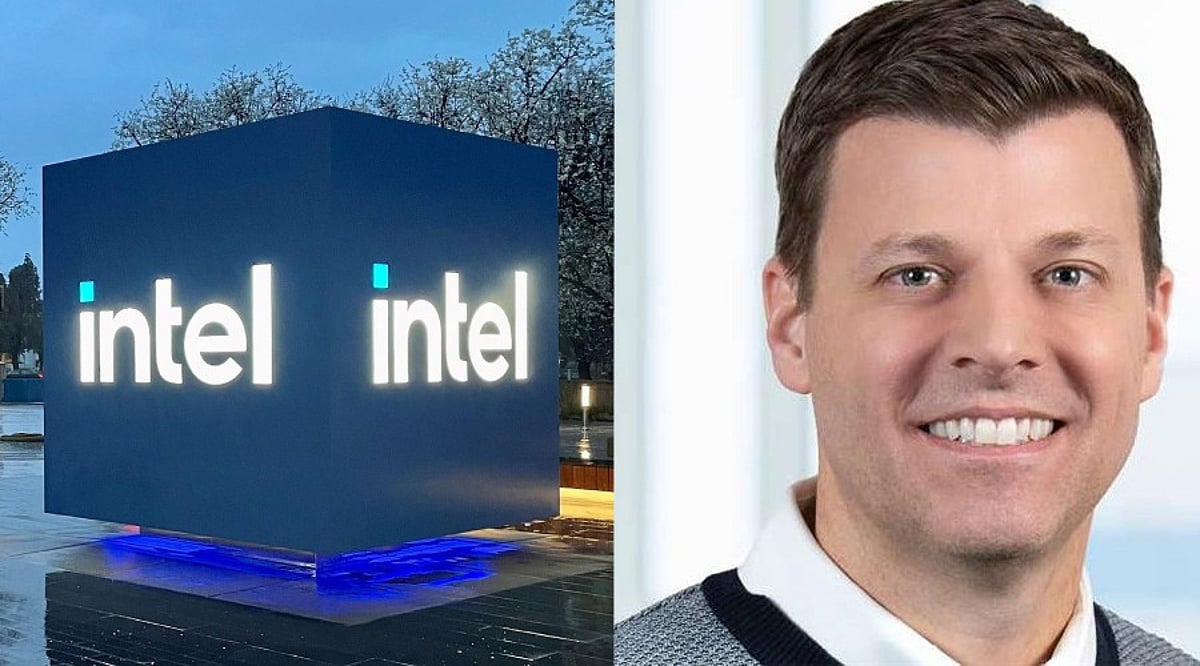
    Intel has dramatically reduced its senior management ranks as part of a sweeping restructuring led by CEO Lip-Bu Tan. The chipmaker cut its vice-president count from approximately 450 at its peak to roughly 200, according to Intel CFO David Zinsner. The company also halved its management layers from 12 to six.

    Zinsner disclosed the figures while discussing Intel’s restructuring and execution efforts at the Deutsche Bank Technology Conference. He explained that the earlier organizational structure created bottlenecks, with too many people able to block decisions and slow product development.

    “Intel sometimes needed four or five development cycles before products were ready, rather than moving successfully through the initial development stage,” Zinsner said, linking the delays to a cultural problem within the company.

    Intel’s official filings from 2025 confirm the simplification of its organizational structure. The changes aim to reduce management layers, improve transparency and accountability, and give technical teams greater authority over decision-making.

    Transparency emerged as a major issue under the previous structure. Zinsner noted that information could change as it moved through management levels, meaning senior executives did not always receive the same picture that teams closer to a project had. Tan plans to address this by bringing in leaders experienced in operating with leaner structures and emphasizing faster decisions and direct communication.

    The management overhaul comes as Intel works to improve its manufacturing and product execution. Zinsner reported progress on Intel’s 18A and 14A process technologies and noted that several products advanced through their initial A-stepping stage.

  • Microsoft Restructures Communications: Moves Team Under Brad Smith, Empowers Employees

    Microsoft is undergoing a major organizational shift, moving its communications function out of the marketing department and into the corporate, external, and legal affairs group led by Vice Chair and President Brad Smith. The change, announced by CEO Satya Nadella, aims to give the company a more direct and authentic public voice amid what Nadella described as an increasingly fragmented and noisy media environment.

    Under the new structure, communications will sit alongside Microsoft’s legal, regulatory, public policy, antitrust, litigation, and government-relations teams. Despite the separation, Microsoft will continue to coordinate its communications and marketing operations closely.

    Employees to Play a Larger Role in Public Messaging

    The restructuring signals a broader shift in Microsoft’s communications strategy. Nadella wants employees who work directly with products and customers—such as engineers, sales teams, and partners—to have a greater role in explaining the company’s work. More employees and executives are expected to represent Microsoft publicly, including through social media, according to a memo from Brad Smith.

    Nadella emphasized that “people closest to Microsoft’s products and customers have a strong opportunity to shape how the company is understood.” He also indicated that Microsoft will experiment with new approaches and evolve its communications strategy over time.

    Frank Shaw Moves to Advisory Role

    The reorganization also affects longtime communications chief Frank X. Shaw, who announced earlier this month that he would leave Microsoft at the end of 2026 after more than two decades. During the transition, Shaw will step away from his current responsibilities and serve as an adviser to Smith and interim communications leader Brent Colburn. Colburn, Microsoft’s vice president of global public affairs, has been named interim communications leader and will remain through December to oversee the handover.

    Microsoft plans to search for a permanent chief communications officer, considering both internal and external candidates.