
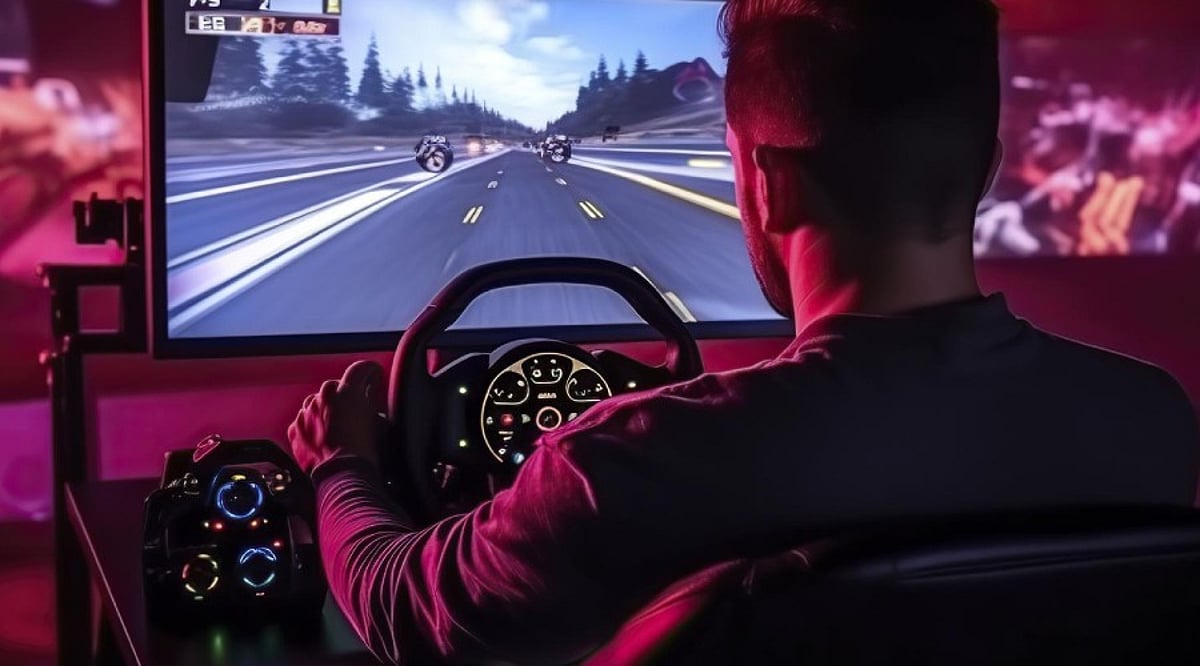
In-car gaming is turning parked cars into new entertainment spaces. With large screens, internet access, smartphones, and controllers, modern vehicles can offer games during charging stops, breaks, and long trips.
Overview
In-car gaming allows people to play video games inside a vehicle using built-in displays, smartphones, controllers, or cloud gaming services. The feature is most useful when the car is parked or when passengers want entertainment during a journey. Modern cars already have many of the tools needed for gaming: large displays, internet connections, Bluetooth, powerful processors, and smartphone support. This technology can transform the car screen into more than just a tool for maps and music.
Electric vehicle charging is a key use case for in-car gaming. Drivers often spend time waiting for their vehicle to charge, providing a perfect opportunity to play a quick game or watch entertainment.
How In-Car Gaming Works
There is no single way to play games inside a car. The setup depends on the vehicle and the technology offered by the automaker. A basic system connects a smartphone to the car’s display, where the phone runs the game and the vehicle screen mirrors it. More advanced setups use the car’s own computer to run games directly.
Cloud gaming offers another potent option. In this setup, the game runs on a remote server, and video is streamed to the car over the internet while player controls are sent back. This reduces the need for expensive gaming hardware inside the vehicle and gives users access to more games without downloading large files.
Some automakers have already tested gaming features. Tesla offers games through its in-car screen, and other brands have explored gaming as part of their entertainment systems. A large screen and a physical controller can make the experience far more enjoyable than playing on a phone, especially for racing, sports, and action games.
The biggest issue is safety. Drivers cannot play games while driving, so gaming features are typically limited when the car is parked. Automakers must ensure the system knows whether the vehicle is stationary or moving to keep the driver focused on the road.
The Future of Connected Entertainment
In-car gaming can be part of a much larger shift in how people use their vehicles. Cars are becoming connected devices, and entertainment can be a major feature. Passenger entertainment is an obvious sector: people in the back seat can play games, watch films, or connect their own devices. Families on long trips can stay entertained without everyone using a phone.
Cloud gaming will play a bigger role as mobile networks improve, reducing delays and enhancing picture quality. The car could eventually connect with a person’s existing gaming setup, allowing them to start a game at home, continue on a phone, and later use the car’s screen while parked.
Artificial intelligence may add another layer. An in-car assistant could help users find games, change settings, suggest entertainment, or manage connected services. The main challenge is ensuring these features do not distract the driver.
Cost is another factor. Premium cars may get advanced entertainment systems first, while cheaper vehicles may rely more on smartphone connections. Internet charges and subscriptions will also affect how widely these services are used.
The gaming experience itself must match how people use cars. Someone waiting for 15 minutes may not want to start a game that takes an hour. Short races, puzzles, sports games, and other quick experiences make more sense.
Cars Could Become the Next Entertainment Screen
In-car gaming is growing, but the basic technology is already available. Modern vehicles have large displays, internet connections, computer systems, and smartphone support, giving automakers a strong foundation for connected entertainment. Gaming inside a car won’t replace consoles, PCs, or phones, but it offers another option for people who spend time inside their vehicles. If companies balance safety, usability, and content, cars will become more than transport—they will be an extension of the connected entertainment experience.