

Tag: patent

  • Sony Patent Hints PS5 DualSense May Process Payments via Smartphone

    Sony Patent Hints PS5 DualSense May Process Payments via Smartphone

    Sony may have a surprise for PlayStation 5 players, especially those who use the DualSense controller. A new patent suggests the company is preparing a system that lets the controller connect to a nearby phone and process payments.

    The idea could make it easier for players to buy games, add-ons, and other digital content. However, the patent was reportedly filed in March 2025 but published in September 2026. At the time of writing, the company did not say whether the idea will become a real feature.

    The patent suggests that if the idea becomes a reality, the DualSense will act as a link between the payment device and the PlayStation console. It will detect a nearby smartphone, and the controller will then pass the payment details to the device.

    According to the patent, “In response to receiving the notification, a first message that includes payment method information for a video game player associated with the video game controller is received from the electronic device, and a second message that includes the payment method information is transmitted from the video game controller to the video game console.”

    The DualSense could also use its light bar, vibration, or sound to show when it detects a device or when a payment goes through. Players have already been speculating about a Wallet Credits app that a few reportedly spotted on the PlayStation Store, without any launch date or details. The system is still only a patent, so players should not expect it on their consoles yet.

    PlayStation already supports cards, PayPal, and Apple Pay, along with other payment options depending on the region. The patent does not replace these methods; instead, it points to another way of linking a payment device with the console.

    The patent does not confirm a new payment feature for PS5. Still, it shows Sony is thinking beyond traditional controller functions. If the idea reaches players, the DualSense could one day help with purchases as well as gameplay.
  • Sony Files Patent for Advanced Cooling System, Fueling PlayStation 6 Speculation

    Sony Files Patent for Advanced Cooling System, Fueling PlayStation 6 Speculation

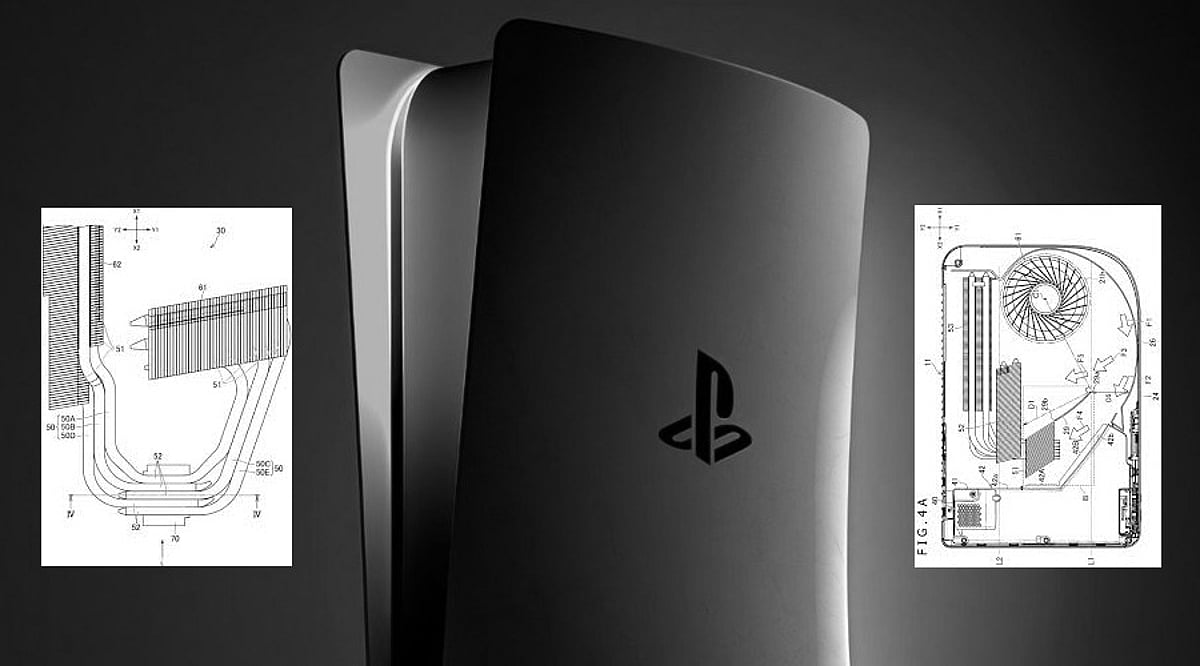
    A newly uncovered Sony patent has sparked fresh speculation about the next-generation PlayStation console, often referred to as the PlayStation 6. The patent details an innovative heat pipe cooling design that could significantly improve thermal management in gaming hardware.

    While Sony has not officially confirmed that the technology is destined for the PlayStation 6, the filing has drawn attention for its focus on a critical aspect of console performance: keeping internal components cool during intense gaming sessions.

    Redesigned Heat Pipe System

    This patent describes a new type of heat pipe that transfers heat more efficiently from the processor. Like conventional heat pipes, it uses a sealed fluid that evaporates when heated and condenses after releasing heat. Sony’s design incorporates changes to the internal structure that improve the transfer of cooling fluid, ensuring the system remains effective whether the console is used in vertical or horizontal orientation.

    Why Cooling Matters for Next-Gen Consoles

    Modern consoles require robust cooling due to their powerful processors and increasing performance demands. The PlayStation 5 currently uses a custom AMD processor cooled with liquid metal. This latest patent suggests Sony is exploring new ways to enhance cooling as hardware demands continue to rise.

    Patent ≠ Product Announcement

    While the patent has excited PlayStation enthusiasts, it should not be taken as a definitive sign that this design will appear in the final PlayStation 6. It is common for tech companies to file patents for innovations that may never reach the market. However, the patent does offer a glimpse into Sony’s research direction, especially as thermal management becomes increasingly critical with higher performance and graphics requirements.

    Until Sony makes an official announcement, this patent provides an early look at possible future innovations.