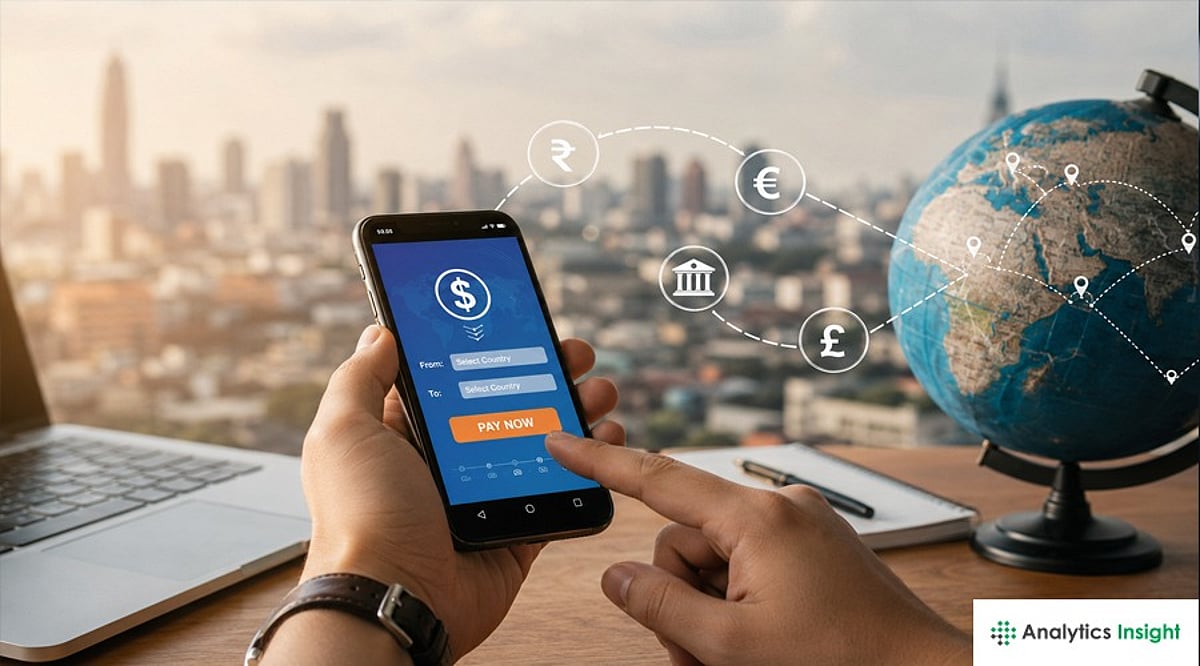
Cross-border payment platforms now offer faster settlements and more transparent pricing than traditional banking channels. Indian exporters, freelancers, and SaaS businesses have more payment options than ever before. RBI approvals and growing competition continue to improve security, compliance, and customer experience.
Sending and receiving money across countries has become much easier than it was a few years ago. Businesses no longer depend only on traditional banks that often charge high fees and take several days to complete a transaction. Today, many Indian companies, freelancers, exporters, software firms, and online sellers work with clients across the world. This change has created strong demand for payment platforms that offer quick transfers, fair exchange rates, and simple compliance. India’s cross-border payment market continues to grow as more businesses enter global markets and digital trade reaches new records. Several fintech companies now compete to offer faster settlements, lower costs, and a smoother payment experience.
Wise Keeps International Transfers Simple
Wise has earned its place as one of the most trusted names in international payments. The company became popular because it uses the real market exchange rate instead of adding a hidden markup. This approach helps businesses save money on every transaction. Wise also supports dozens of currencies and allows customers to receive money through local bank account details in several countries. Quick transfers, clear pricing, and an easy-to-use platform make Wise a preferred choice for startups, consultants, and businesses that deal with overseas clients on a regular basis.
Payoneer Remains a Strong Choice for Exporters
Payoneer continues to play an important role in India’s export economy. Thousands of freelancers, agencies, software companies, and marketplace sellers depend on the platform to receive international payments. It works with global platforms such as Amazon, Fiverr, Upwork, and Walmart, which makes payment collection much easier for online businesses. The company recently strengthened its position after it received in-principle approval from the Reserve Bank of India to operate as a Cross-Border Payment Aggregator. This development allows Payoneer to expand its services further in the Indian market.
Skydo Focuses on Lower Costs
Skydo has quickly become one of the fastest-growing Indian fintech companies in this space. Instead of charging a percentage on every transaction, the company follows a flat-fee model and removes foreign exchange markups. This pricing structure attracts exporters and freelancers who receive payments frequently. Skydo also provides instant FIRA documents, which simplify regulatory requirements for businesses. The company now serves more than 25,000 Indian businesses and processes payment volumes of nearly $500 million every year. Its recent licence in GIFT City has added another milestone to its expansion journey.
Razorpay Expands Beyond Domestic Payments
Razorpay built its reputation through online payment solutions in India, but the company has also developed a strong international payment business. Today, exporters and service companies use Razorpay to collect payments from customers across different countries without switching between multiple platforms. Foreign currency collection, virtual accounts, and payment gateway services have become key parts of its offering. The company also attracted attention after confidentially filing for a public listing, following an earlier valuation of about $7.5 billion.
Xflow Builds for Modern Export Businesses
Xflow entered the market with a clear goal of making international payments easier for Indian businesses. The platform supports exporters, agencies, software companies, and startups that receive payments from overseas clients. Local collection accounts in different countries allow customers to pay through domestic bank transfers instead of expensive international wire transfers. Automated compliance and quick settlements reduce paperwork and save valuable time. After securing RBI approval, Xflow also announced plans to expand its international network.
BriskPe Offers a Fresh Alternative
BriskPe has become a popular option for small and medium-sized businesses that need simple international payment solutions. The platform combines payment collection, foreign exchange support, and compliance services under one system. Businesses appreciate its transparent pricing because unexpected charges often create problems in cross-border transactions. As India’s export sector grows, BriskPe continues to attract companies that want affordable and reliable payment services without unnecessary complexity.
PayPal Continues to Benefit from Global Trust
Despite facing numerous new players in the payment market, PayPal is still one of the most respected payment services worldwide. Most international consumers already possess a PayPal account, which simplifies the collection of payments for Indian firms. Its services are accessible in many countries and currencies. Although PayPal may charge higher fees than some recent fintech competitors, it continues to be chosen by numerous companies, owing to its worldwide acceptance and long credit history.
Airwallex Helps Businesses Grow Internationally
Airwallex has built a strong presence among companies that operate in several countries. Multi-currency accounts, international payment collection, business cards, and global expense management make the platform suitable for larger businesses with international operations. Support for more than 60 currencies gives businesses greater flexibility while dealing with customers and suppliers across different markets. Strong technology and developer-friendly tools have also made Airwallex a preferred choice for fast-growing companies.
Nium Strengthens Global Payment Infrastructure
Nium focuses on payment infrastructure rather than simple money transfers. Banks, financial institutions, and businesses use its technology to move money across international markets quickly and securely. The company offers API-based payment services, treasury solutions, and real-time transfers through an extensive global network. Strong banking partnerships allow Nium to support businesses that handle large international payment volumes every day.
PayGlocal Simplifies International Collections
PayGlocal has carved out a strong position by helping Indian merchants accept payments from customers worldwide. The platform supports multiple currencies, international card payments, and several local payment methods. Easy integration with online stores and strong compliance support reduce technical challenges for businesses. Companies that sell products or digital services to overseas customers often choose PayGlocal because it offers a smooth payment experience without complicated setup.
The Market Will Become More Competitive
India’s cross-border payment industry has changed rapidly over the last few years, and the pace shows no sign of slowing down. Higher exports, global freelancing, software services, online commerce, and digital businesses continue to create fresh demand for international payment solutions. At the same time, RBI regulations have pushed companies to improve compliance and customer protection. Competition among payment providers has also reduced costs while improving speed and transparency. As more Indian businesses enter global markets, cross-border payment companies will remain an important part of the country’s digital economy in 2026 and beyond.
FAQs
- What is a cross-border payment company? A cross-border payment company helps businesses and individuals send or receive money between different countries quickly and securely.
- Which industries benefit the most from these platforms? Exporters, freelancers, SaaS companies, e-commerce sellers, agencies, and startups benefit the most from cross-border payment services.
- Why are fintech payment platforms becoming more popular than banks? Many fintech platforms offer faster transfers, lower fees, better exchange rates, and simpler digital processes.
- Which company is best for freelancers in India? Popular choices include Payoneer, Wise, and Skydo because they offer simple payment collection and competitive pricing.
- What should businesses compare before choosing a payment platform? Transaction fees, exchange rates, settlement speed, supported currencies, compliance features, customer support, and global coverage are the most important factors.