Tag: Payment Security

  • AI Shopping Agents Add Fraud and Privacy Risks Before Amazon and Flipkart Festive Sales

    AI Shopping Agents Add Fraud and Privacy Risks Before Amazon and Flipkart Festive Sales

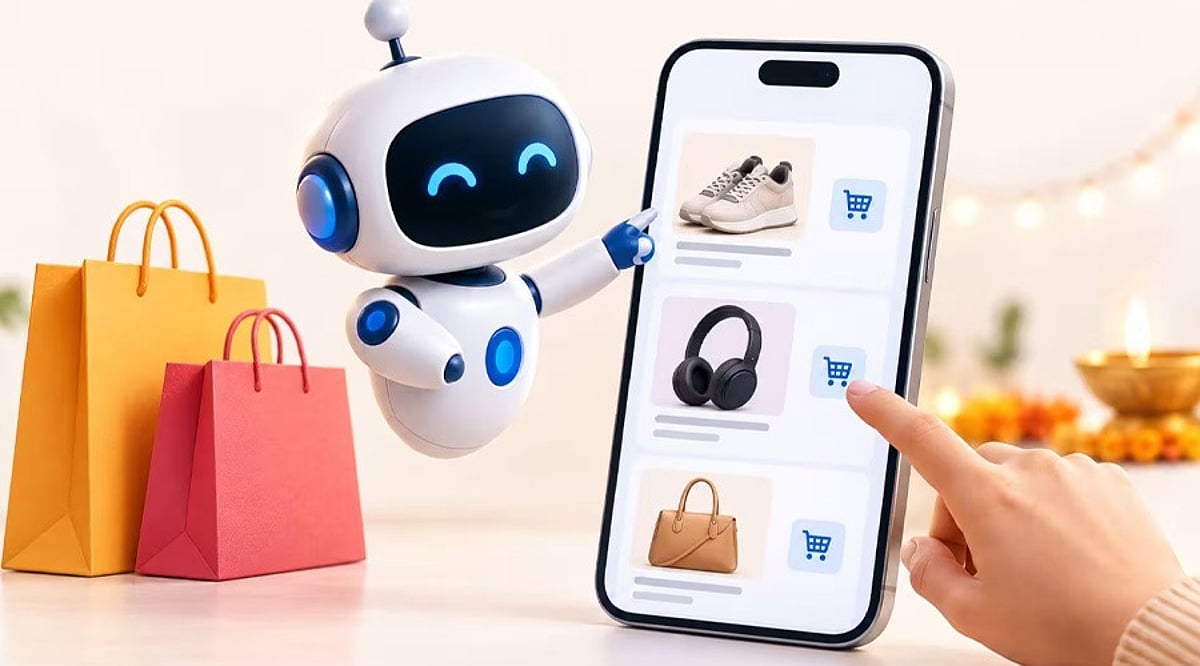
    As Amazon and Flipkart prepare for their major festive sales in India, banks are warning that AI shopping agents could introduce new fraud, payment security, and data privacy risks into online buying.

    The alert comes as technology companies develop AI tools that can search for products, compare prices, and in some cases help complete purchases on a shopper’s behalf. While these agents could make e-commerce faster and more convenient, financial institutions say they also raise concerns about scams, incorrect transactions, and the misuse of personal information.

    Why banks are concerned

    The issue goes beyond AI-powered product recommendations. Newer shopping agents are being designed to handle multiple steps of a purchase, from finding an item and comparing prices to selecting a product and helping finish the transaction.

    That changes the traditional shopping process. Instead of a customer choosing a product and authorizing every step, an AI agent could carry out much of the purchase journey based on an initial instruction.

    Banks including NatWest, Bank of America, ING, Capital One, and Commonwealth Bank of Australia have warned that consumers could end up buying the wrong product, spending more than intended, or being exposed to scams.

    Payment and data privacy questions

    Financial institutions are particularly concerned about how AI agents handle payment information. An agent could request card details, enter them directly on a website, or direct shoppers toward payment methods that offer weaker consumer protections.

    There are also questions about responsibility. If an AI agent makes a wrong purchase or a transaction turns out to be fraudulent, consumers may not know whether the retailer, payment provider, or AI service should handle the dispute.

    The banks have called for greater transparency, including clear disclosure when an AI agent is involved in a transaction, stronger data safeguards, and more information about how these systems make decisions.

    Festive sales will test consumer trust

    The timing makes the warning especially relevant for Indian shoppers. Amazon’s Great Indian Festival is scheduled to begin on October 8, while Flipkart is preparing for its Big Billion Days sale. Both events are expected to draw large numbers of shoppers looking for discounts on smartphones, electronics, appliances, fashion, and other categories.

    Festive sales typically bring a surge in online activity, and AI tools are becoming more common for product discovery and price comparisons. Consumers are therefore likely to encounter AI-assisted shopping alongside sale messages, bank offers, and promotional links.

    What shoppers should watch for

    • Verify retailer websites before entering payment or personal information.
    • Avoid suspicious links and unexpected requests for banking details.
    • Review AI-assisted purchases carefully before confirming a transaction.
    • Check which payment method is being used and whether it offers consumer protection.
    • Keep records of orders and disputes in case a transaction goes wrong.

    The bigger question for festive shoppers

    This festive season, shoppers may use AI simply to find deals, or they may allow these systems to make purchasing decisions and handle transactions for them. As AI moves closer to the payment stage, trust, transparency, and consumer protection are becoming just as important as convenience.
  • Digital Wallets vs. Physical Cards: 7 Security Advantages You Need to Know

    Digital Wallets vs. Physical Cards: 7 Security Advantages You Need to Know

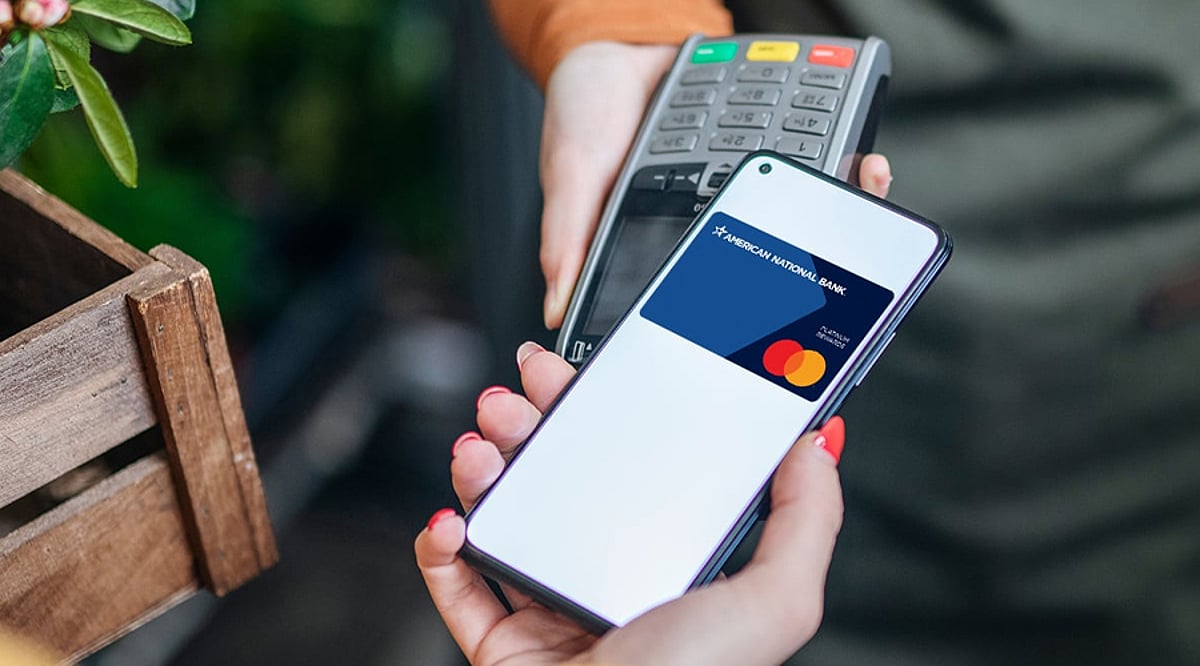
    Digital wallets are increasingly replacing physical cards for everyday payments, offering a range of security benefits that go beyond traditional methods. Here are seven key security advantages of using digital wallets over physical cards.

    1. Biometric Authentication Adds a Layer of Protection

    Digital wallets require authentication—such as Face ID, Touch ID, or a device passcode—before any payment can be made. This prevents unauthorized transactions even if someone gains access to your phone. For example, Apple Wallet mandates device authentication before using stored payment cards, providing an extra shield that many physical card transactions lack.

    2. Tokenization Protects Your Card Details

    Instead of sharing your actual card number with merchants, digital wallets use tokenization. A unique payment credential represents your card, and transactions include additional security codes. This makes stolen payment information far less valuable to attackers than an exposed physical card number, reducing the impact of potential data breaches.

    3. Reduced Risk of Card Skimming

    Digital wallets minimize exposure to traditional card skimming because you don’t need to insert a physical card into a payment terminal. Skimmers are designed to capture card data from physical transactions. Digital payments rely on tokenized credentials, although users should still be aware that fraudulent terminals can pose separate risks.

    4. Lost Phone Protection

    Losing your smartphone doesn’t automatically mean losing access to your payment cards. Device authentication prevents unauthorized use, and services like Apple Find My and Google Find My Device can help locate your phone or remotely disable wallet data. These controls give you additional options after a device is lost or stolen.

    5. Physical Cards Still Have Security Features

    Physical cards aren’t inherently unsafe. Modern chip and contactless payments also use tokenization and transaction-specific security mechanisms. However, physical cards can still be used through less secure magnetic-stripe systems in some situations. Digital wallets add another layer by keeping the physical card away from potentially compromised terminals.

    6. Digital Wallets Add Convenience

    Digital wallets let you carry payment cards on your smartphone or smartwatch instead of multiple physical cards. They also support payments within apps and online services. This convenience reduces dependence on a physical wallet while allowing you to authenticate transactions using the security controls built into your device.

    7. Security Still Depends on the Device

    While digital wallets offer strong security, users must still protect their devices. A strong passcode, updated software, and biometric authentication help reduce unauthorized access. Activate device-finding features and respond quickly if your smartphone is lost, stolen, or suspected of being compromised.

    Digital wallets provide robust security enhancements over physical cards, but they work best when combined with good device hygiene. By understanding these benefits, you can make informed choices about how to protect your payment information.

  • How Contactless Payments Work: The Technology Behind the Tap

    How Contactless Payments Work: The Technology Behind the Tap

    Contactless payments feel instant, but layers of security work underneath. NFC connects the device to the terminal. EMV and tokenization protect card credentials. Cryptography authenticates each transaction. Issuers apply fraud checks before approval. Credentials are steadily fading from view, becoming identity systems.

    A tap takes a moment. Behind that moment sits a stack of technology built over two decades, involving radio waves, cryptography, and a chain of banking infrastructure most people never see.

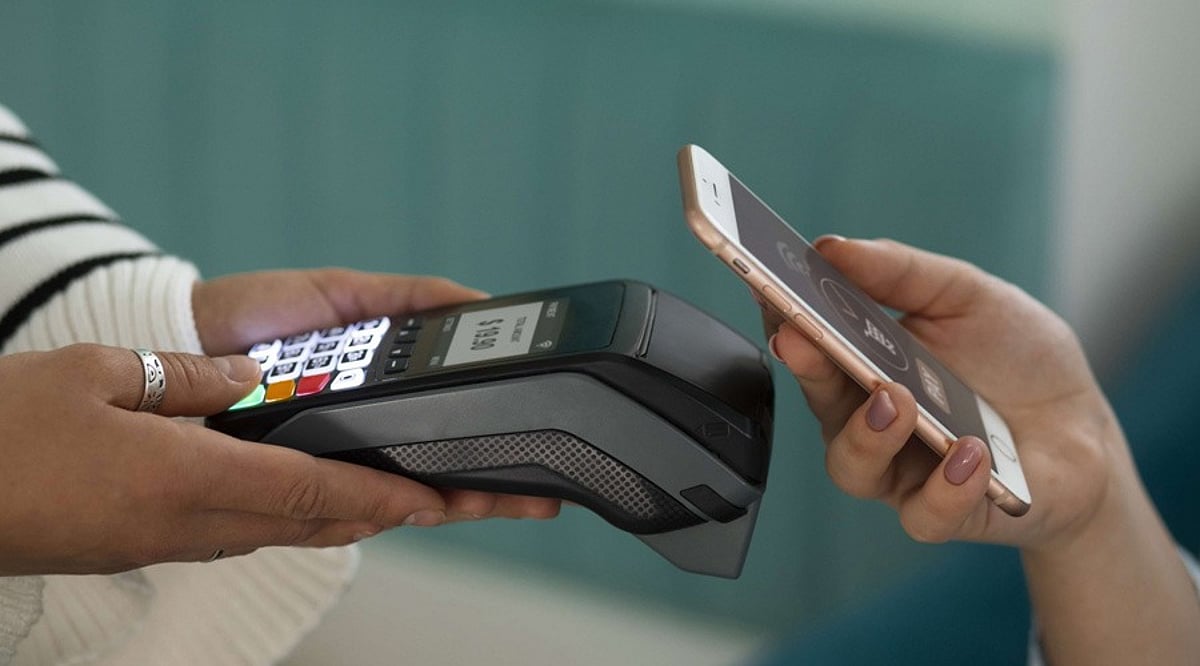
    Contactless payment has become routine at grocery counters, metro gates, and coffee shops. Few people using it understand what happens between the tap and the beep. The customer sees tap, beep, done. The payment system performs several steps in rapid succession: connection, credential exchange, cryptographic authentication, authorization, and fraud screening. That contrast is the real story.

    Near Field Communication Starts the Transaction

    Every contactless transaction begins with Near Field Communication (NFC). This is a short-range radio technology that activates only within a few centimeters. The card or phone contains a small antenna and chip. The payment terminal generates a low-power magnetic field. When the two come close, the card’s chip draws power from that field itself, without needing a battery.

    A contactless card has no power source. The terminal effectively wakes the chip during the tap, powers it briefly, and exchanges data before the field disappears. NFC communication itself happens in milliseconds, though the full authorization that follows depends on the payment network, the issuer, and the terminal.

    What the Card or Phone Actually Sends

    Physical cards use EMV chip security to generate transaction-specific authentication data during each tap, while digital wallets can add tokenization to protect the underlying card number. These are related but distinct systems. A physical contactless card and a phone-based wallet protect the transaction differently, even though both work to prevent the raw card number from being freely exposed.

    This distinction matters for anyone comparing payment methods. A lost physical card still carries some exposure risk tied to its chip data. A lost phone, by contrast, typically exposes only a token linked to that one device, not the underlying account number itself.

    Cryptography Makes Each Transaction Different

    The payment chip, whether on a card or in a wallet, uses cryptographic processes to generate transaction-specific authentication data. Because that data is tied to the individual transaction, simply copying information captured from one payment does not produce a valid second transaction.

    On the device side, contactless cards use secure chips to hold and protect payment credentials. Some phones use dedicated secure hardware, while other payment architectures use different combinations of tokenization, trusted execution environments, and software-based security. The exact setup varies by device manufacturer and payment system, and no single architecture applies across all devices.

    From Tap to Bank Approval

    The tap is only the first step. The terminal reads the payment credentials and transaction data, then sends an authorization request through the merchant’s payment infrastructure. The payment network routes that request to the card issuer, which checks the account and applies fraud controls before returning an approval or decline. Settlement, where funds actually move between banks, happens later. The instant beep at checkout marks approval, not completion of the full payment cycle.

    Why Some Payments Still Ask for a PIN

    Many contactless systems apply a transaction-value limit before requiring additional verification, such as a PIN. Some issuers can also require verification after a series of contactless transactions. These controls limit the potential exposure from repeated low-friction payments while keeping everyday purchases fast. Card networks and regulators typically review these limits periodically based on fraud data and regional banking rules, rather than fixing them permanently.

    Fraud Detection Works Behind the Scenes

    Fraud protection does not stop at the tap. Issuers and payment providers watch for patterns during authorization, checking things like past transaction behavior, the device being used, and where the merchant sits in the risk spectrum. This means security is not resting on a single moment. It is spread across a system built to catch problems before approval happens.

    That same thinking now fits on a wrist or a finger. Contactless payments have moved into rings and smartwatches, letting people pay without pulling out a card or phone at all. What stands out is not the new form factor itself, but how easily the same protection travels with it. The hardware keeps changing shape. The security underneath stays consistent.

    The Future of Payments Is Becoming Credentialless

    Contactless payment succeeds by moving complexity away from the customer, not by eliminating it. NFC provides the connection, EMV and tokenization protect payment credentials, and cryptographic processes authenticate the transaction. The next shift is making those credentials even less visible to users. A card number may already be hidden behind a phone, watch, or other device, turning payment into an identity and authentication process rather than a simple exchange of card details.

    Final Thought

    The physical card is slowly losing its importance, even though it still looks the same at checkout. Biometrics and device identity are already doing more of the verification behind the scenes. So the tap itself won’t change much for a while. But what’s happening underneath it will keep getting quietly upgraded.

  • Jason Blackhurst: Leading Visa’s Fraud Prevention and AI-Driven Risk Solutions

    Jason Blackhurst: Leading Visa’s Fraud Prevention and AI-Driven Risk Solutions

    Early Life and Education

    Jason Blackhurst earned a degree in Business Administration from Warner Pacific University between 1995 and 1997. Before entering the corporate world, he served six years in the United States Navy, which instilled a disciplined, mission-focused leadership style that would define his career.

    Professional Career

    Blackhurst has spent over a decade at Visa, currently serving as Senior Vice President & Head of Featurespace & Acceptance Risk Solutions. He previously held the role of SVP Innovation and Strategic Partnership. From 2008 to 2015, he was SVP eCommerce Product Executive at Bank of America, and earlier held leadership positions at Vesta, Polestar Communications, and Concentrex, focusing on online banking and global operations. Following Visa’s acquisition of Featurespace in March 2025, Blackhurst succeeded retiring CEO Martina King to lead Featurespace and Acceptance Risk Solutions.

    Business Intervention in AI

    Featurespace enhances Visa’s global risk infrastructure with AI-based fraud prevention technologies, including:

    • Adaptive Behavioral Analytics: A self-learning platform that creates individual behavioral profiles and detects anomalies in real-time.
    • TallierLTM™: The world’s first generative Large Transaction Model, pre-trained on billions of transactions to uncover hidden fraud patterns, delivering a 71% improvement over industry standards.
    • Automated Deep Behavioral Networks: A deep learning architecture using recurrent neural networks to protect against scams, account takeover, and card fraud.
    • Card Fraud: Tailored for the card and payments industry; partners like TSYS reduced fraud losses by 39% and false declines by 70%.
    • Scam Detect: Addresses the growing threat of Authorized Push Payments with adaptive capabilities that keep banks ahead of fraudsters.

    Business Achievements

    Featurespace has become a globally recognized fraud prevention platform, expanding its enterprise footprint through Visa’s ecosystem. It reinforced its Cambridge, UK presence with a six-year office lease and broadened transit payments via Visa Ready for Transit, partnering with multiple technology providers for contactless public transport payments worldwide.

    Controversies

    No serious public controversies have been associated with Jason Blackhurst. He has built a reputation as a steady, experienced operator across banking, e-commerce, and payment risk technology, culminating in his current leadership of Featurespace within Visa’s global risk and identity solutions portfolio.