
Tag: PC maintenance

  • Laptop Fan Running Loud? Top Causes and Easy Fixes

    Laptop Fan Running Loud? Top Causes and Easy Fixes

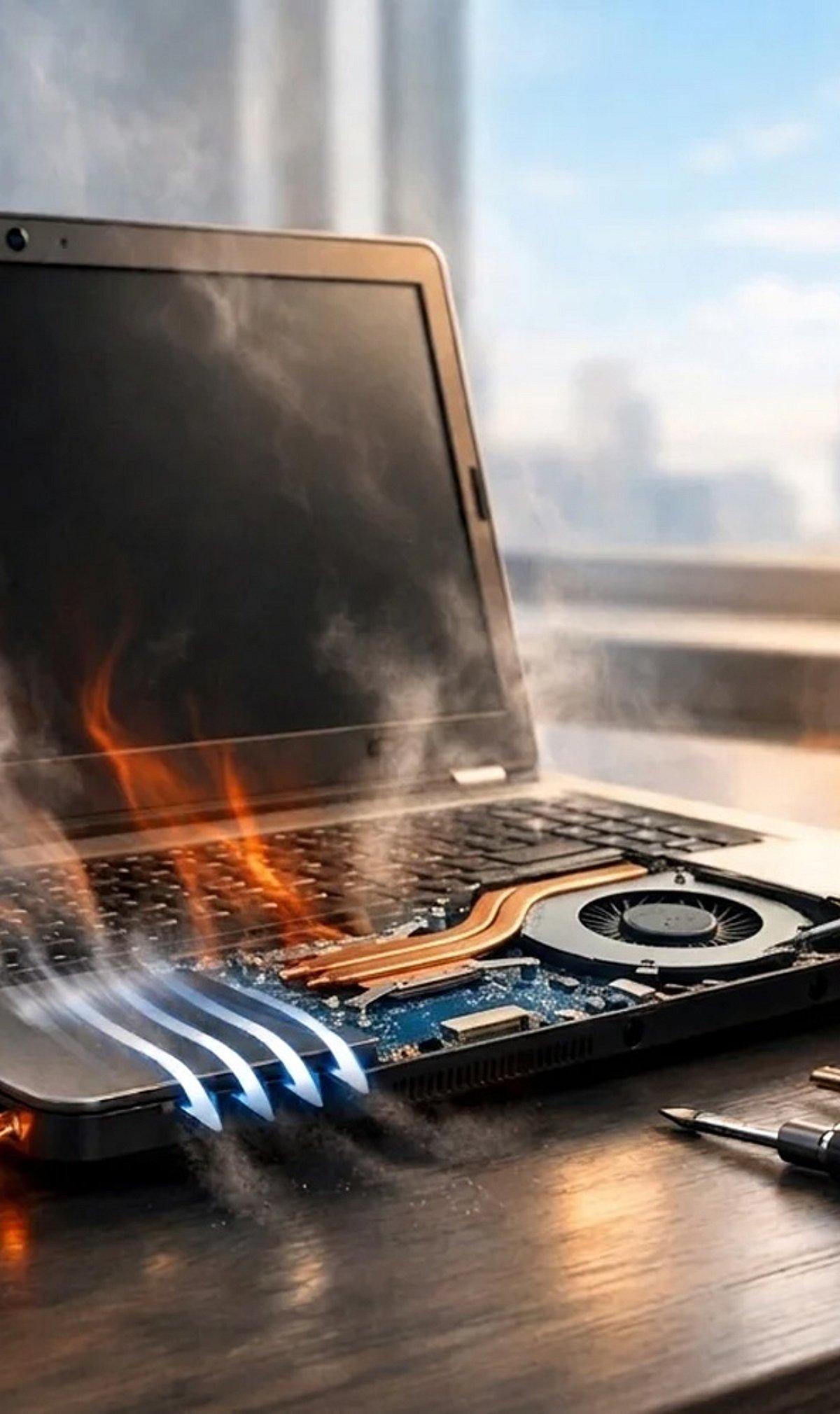
    Is your laptop fan suddenly roaring like a jet engine? A noisy fan isn’t just annoying—it’s often a warning sign that your system is working harder than it should. Understanding what’s causing the extra noise can help you fix the problem and keep your laptop cool, quiet, and running smoothly.

    Common Causes of a Loud Laptop Fan

    • Dust Buildup: Dust accumulates inside the vents and on cooling components, blocking airflow and forcing the fan to spin faster to compensate.
    • High CPU Usage: Demanding apps, background processes, or too many open programs increase the processor workload, which generates more heat and triggers louder fan activity.
    • Overheating: When internal temperatures climb too high, the laptop speeds up the fan to protect critical components and maintain performance.
    • Blocked Air Vents: Using your laptop on beds, cushions, or soft surfaces can cover the vents, trap heat, and make the fan work much harder.
    • Too Many Background Apps: Unnecessary applications running at the same time consume system resources, raising processor activity and causing the cooling fan to spin faster.
    • Outdated or Incompatible Drivers: Old drivers can create inefficient hardware performance, increasing resource use and contributing to unnecessary fan activity.
    • Malware or Unwanted Software: Malicious programs can quietly eat up processor resources, generating extra heat and making the fan run continuously at high speeds.
    • Poor Thermal Paste: Deteriorated thermal paste reduces heat transfer between the processor and cooling system, leading to higher temperatures and louder fan operation.

    How to Fix and Prevent a Noisy Laptop Fan

    • Clean the vents regularly: Use compressed air to gently remove dust from the air intake and exhaust areas.
    • Elevate your laptop: Place it on a hard, flat surface or a laptop stand to improve airflow underneath.
    • Close unnecessary programs: Shut down apps you aren’t using to reduce CPU load and heat generation.
    • Use a cooling pad: A cooling pad can help bring temperatures down during heavy workloads or gaming sessions.
    • Run a malware scan: Regularly check for malicious software that may be using resources in the background.
    • Update your drivers: Keep chipset, graphics, and BIOS drivers current to ensure efficient hardware performance.

    If the fan remains excessively loud after trying these steps, it may be worth having a professional inspect the internal cooling system and replace the thermal paste if needed.
  • 7 Easy Ways to Speed Up Your Laptop in 2026 (No Hardware Needed)

    7 Easy Ways to Speed Up Your Laptop in 2026 (No Hardware Needed)

    A slow laptop doesn’t always mean you need a new one. Often, simple software tweaks and maintenance can restore speed. From disabling startup apps to clearing storage, these seven methods can make a noticeable difference without spending a penny.

    1. Disable Unnecessary Startup Apps

    Many programs launch automatically when you boot up, draining resources from the start. On Windows, use Task Manager or Settings to review and disable apps with high startup impact. Keep only essential security tools. Mac users can check Login Items under System Settings.

    2. Free Up Storage Space

    A nearly full drive slows down your system and can block important updates. Remove temporary files, old downloads, and unused applications. Move large media files to external storage. Windows Storage Sense and Mac’s storage management tools automate this process.

    3. Close Resource-Hungry Programs

    Browsers with dozens of tabs or background apps can eat up RAM and CPU. Use Task Manager (Windows) or Activity Monitor (Mac) to identify and quit programs that are consuming excessive resources. Restart the laptop if performance remains sluggish.

    4. Keep Your Operating System Updated

    Updates often include performance fixes and driver improvements. Install all available Windows or macOS updates, including optional driver updates. Restart when prompted to complete the installation.

    5. Scan for Malware and Threats

    Malware can silently consume resources. Run a full scan using your built-in security tool (like Windows Security). Remove any suspicious software. Avoid third-party “optimizers” that may add more problems.

    6. Reduce Unnecessary Background Activity

    Many apps run in the background even after you close them. Manage background app permissions in Windows or disable unnecessary notifications and syncing. On laptops, use power settings like Best Performance mode when speed is critical, but be aware it may increase heat and battery drain.

    7. Consider a Fresh Start or Hardware Check

    If software tweaks aren’t enough, check your hardware specs. High CPU or memory usage may indicate limits. Upgrading RAM or switching to an SSD can help, but only if your laptop allows upgrades. Always verify compatibility first.

    Start with these simple steps before buying new hardware. You might be surprised how much faster your laptop feels.