Tag: Personalized Medicine

  • 10 Biotechnology Breakthroughs Transforming Modern Healthcare

    10 Biotechnology Breakthroughs Transforming Modern Healthcare

    The field of biotechnology is advancing at an unprecedented pace, bringing revolutionary changes to how we diagnose, treat, and prevent diseases. Here are ten key breakthroughs that are reshaping healthcare today.

    CRISPR Gene Editing

    This powerful tool enables precise modifications to DNA, offering promising treatments for inherited disorders, advancing cancer research, and paving the way for personalized medicine with unprecedented genetic accuracy.

    mRNA Vaccines

    The rapid development of mRNA vaccines has revolutionized infectious disease prevention, and the same technology is now being explored for cancer therapies and treatments for rare medical conditions.

    CAR-T Cell Therapy

    By engineering a patient’s own immune cells to target cancer more effectively, CAR-T cell therapy provides new hope for those with difficult-to-treat blood cancers around the world.

    Liquid Biopsies

    These tests detect cancers using simple blood samples, enabling earlier diagnosis, reducing the need for invasive procedures, and improving monitoring of treatment effectiveness over time.

    Personalized Medicine

    Using genetic information to tailor treatments improves effectiveness while reducing side effects across multiple diseases and diverse patient populations globally.

    AI-Assisted Drug Discovery

    Artificial intelligence accelerates the identification of promising drug candidates, shortening research timelines and helping pharmaceutical companies develop innovative treatments faster than ever before.

    Regenerative Medicine

    Stem cells and tissue engineering are being used to repair damaged organs, offering hope for treating chronic diseases and severe injuries that were once considered irreversible.

    Synthetic Biology

    By designing biological systems and engineered microorganisms, scientists can produce medicines, vaccines, and therapeutic proteins more efficiently and at lower cost.

    Wearable Biosensors

    Continuous monitoring of health indicators through wearable devices enables early disease detection, personalized care, and real-time medical insights for both patients and healthcare providers.

  • How AI and Data Analytics Are Reinventing Sleep Apnea Care

    How AI and Data Analytics Are Reinventing Sleep Apnea Care

    Roughly one billion people worldwide are estimated to live with obstructive sleep apnea, and a large share of them don’t know it. For those who do get diagnosed and treated, the experience of managing the condition looks nothing like it did a decade ago. Sleep medicine has quietly become one of the more compelling case studies in applied health data analytics, and the transformation offers a useful window into how AI is reshaping at-home healthcare more broadly.

    What was once a field defined by overnight lab studies, tangled wires, and manual chart review by a technician is now being reshaped by connected devices, real-time data streams, and machine learning models that can detect and respond to breathing irregularities as they happen. For an industry historically plagued by poor patient adherence, that shift matters enormously.

    From Overnight Labs to Continuous Data Streams

    For decades, diagnosing sleep apnea meant a night in a clinical sleep lab, wired to sensors, followed by a specialist manually reviewing hours of recorded data the next morning. It was accurate, but slow, expensive, and difficult to scale to the scope of the problem. Today, a growing share of that diagnostic and monitoring work happens at home, generating continuous streams of breathing, oxygen saturation, and movement data that machine learning models can analyze automatically rather than reviewed frame by frame by a human.

    This shift toward continuous, at-home data collection is exactly the kind of trend that tends to accelerate technology adoption once it takes hold. Sleep therapy providers are increasingly building products around it, and patients researching treatment options are now just as likely to compare data features and app connectivity as they are price when shopping for CPAP machines.

    Smarter Machines: AI-Driven Pressure Adjustment

    One of the more significant advances in sleep apnea therapy has been the move from fixed-pressure devices to auto-adjusting systems. Rather than delivering a static level of air pressure all night, modern devices use onboard algorithms to analyze breathing patterns in real time and adjust pressure automatically, responding to changes in sleep position, airway resistance, or apnea events as they occur, often hundreds of times over a single night.

    This is applied machine learning quietly improving a health outcome, one micro-adjustment at a time. These algorithms don’t make headlines, but they meaningfully improve therapy comfort and effectiveness, which in turn improves the single strongest predictor of treatment success: whether a patient actually keeps using the device. It’s also why compliance data, tracked automatically and often synced to a companion app, has become a core feature rather than an afterthought in newer machines.

    6 Ways Data and AI Are Reshaping Sleep Apnea Care

    • Automatic pressure titration. Algorithms adjust air pressure breath by breath, replacing the old model of a fixed setting determined once during a lab visit.
    • Cloud-synced compliance tracking. Machines now upload nightly usage data automatically, giving both patients and clinicians a clear picture of adherence without manual logs.
    • Predictive maintenance alerts. Connected devices can flag filter changes, mask leaks, or performance drift before they become a problem the patient notices on their own.
    • Facial-mapping-informed mask design. Manufacturers use aggregated fit and return data to refine mask shapes, reducing the trial-and-error patients used to face.
    • Remote clinician monitoring. Physicians can review a patient’s therapy data remotely between appointments, catching adherence drop-off or efficacy issues earlier.
    • Personalized therapy recommendations. As more usage data accumulates, some platforms are beginning to surface individualized comfort and setting suggestions rather than generic defaults.

    Personalization Extends to Fit, Not Just Function

    Data-driven design hasn’t stopped at the machine itself. Mask design has undergone a similar transformation, moving away from one-size-fits-most models toward options informed by facial mapping data, materials testing, and patient feedback loops that manufacturers use to refine fit and seal quality. Since mask leaks are one of the most common reasons patients abandon therapy altogether, this kind of iterative, data-informed design has a direct and measurable impact on outcomes.

    Patients today have considerably more choice when selecting a sleep apnea mask, with options tailored to sleep position, facial structure, and comfort preferences. That range of choice is itself a byproduct of manufacturers using real-world usage and return data to identify exactly where older, generic designs were failing patients.

    Why This Matters Beyond Sleep Medicine

    The broader lesson here extends well past sleep apnea treatment. It’s a case study in what happens when a chronic condition management category moves from episodic, clinic-based monitoring to continuous, data-rich, at-home tracking. Adherence goes up, personalization improves, and providers get a feedback loop they never had before. Similar shifts are playing out across diabetes management, cardiac monitoring, and remote patient care generally, all built on the same underlying pattern: more granular data, analyzed continuously, feeding back into better-designed devices and more responsive care.

    Sleep therapy providers navigating this shift are having to think less like traditional medical equipment suppliers and more like connected health companies. Local providers such as Rockingham CPAP reflect that broader trend, offering the newer generation of data-enabled machines and masks alongside the fitting and support services that continuous, at-home therapy increasingly depends on.

    Looking Ahead

    As wearable sensors get cheaper and machine learning models get better at parsing noisy, real-world physiological data, the line between “medical device” and “connected health platform” will keep blurring, in sleep medicine and well beyond it. For an industry that has spent decades trying to solve a stubbornly low patient adherence problem, that shift, driven by better data rather than dramatic new hardware, may end up being the more consequential story of the next few years.


  • Daily Tech Roundup: India’s Semicon 2.0 Launch, CurifyLabs Funding, and Bitcoin Strategy Shift

    Daily Tech Roundup: India’s Semicon 2.0 Launch, CurifyLabs Funding, and Bitcoin Strategy Shift

    Greetings from the Digital World! Welcome to today’s quick tech roundup. From AI and startups to crypto, careers and digital innovation, here’s what made headlines today.

    What’s New Today

    India has launched Semicon 2.0 to boost its semiconductor industry, while Finnish health tech startup CurifyLabs secured funding to expand its personalized medicines platform. In cryptocurrency news, Grayscale claims that Bitcoin sales by Strategy could make its financial model more credible. Meanwhile, the IT skills shortage continues to challenge new graduates, and experts warn about JADEPUFFER AI agents capable of executing cyber attacks autonomously.

    Quick Insights

    • India’s Semicon 2.0 targets chip manufacturing, design, research, raw materials, equipment, and talent development.
    • CurifyLabs raised $14 million to expand its personalized medicine technology.
    • Grayscale believes Strategy’s Bitcoin sales could strengthen investor confidence.
    • Employers say many tech graduates still lack industry-ready skills despite high demand.
    • Researchers warn that JADEPUFFER AI can autonomously breach systems and deploy ransomware.

    A Quick Rundown

    India Launches Semicon 2.0 to Expand Chip Ecosystem Support

    India has launched Semicon 2.0, broadening its chip ambitions beyond manufacturing to include design, research, raw materials, equipment, and workforce development. The initiative aims to attract international investment and reduce reliance on foreign chips.

    CurifyLabs Raises $14 Million Series A

    CurifyLabs, a Finland-based healthcare technology firm specializing in personalized medicines, closed a $14 million Series A round. The funding will support international expansion, supply chain development, and research, enabling hospitals and pharmacies to produce customized medications.

    Grayscale Backs Strategy’s Bitcoin Sales

    Grayscale has expressed support for Strategy’s recent Bitcoin sales, stating that generating liquidity through cash could make the company’s funding process more sustainable and enhance investor confidence in its financial model.

    The IT Job Market Faces a Growing Skills Gap

    Fresh graduates are finding it harder to land tech jobs. Despite high demand, employers report that many candidates lack practical, industry-ready skills. The disconnect between academic learning and workplace expectations leaves many graduates underemployed while companies continue searching for qualified talent.

    JADEPUFFER AI Can Hack Systems Without Human Help

    Scientists have demonstrated that the experimental AI bot JADEPUFFER can execute cyber attacks with minimal human intervention. The research highlights the emerging threat of autonomous AI systems capable of identifying vulnerabilities, moving across networks, and deploying ransomware.

  • AI in Hypertension Management: Promising Tool, Not Yet a Standalone Solution

    AI in Hypertension Management: Promising Tool, Not Yet a Standalone Solution

    Overview

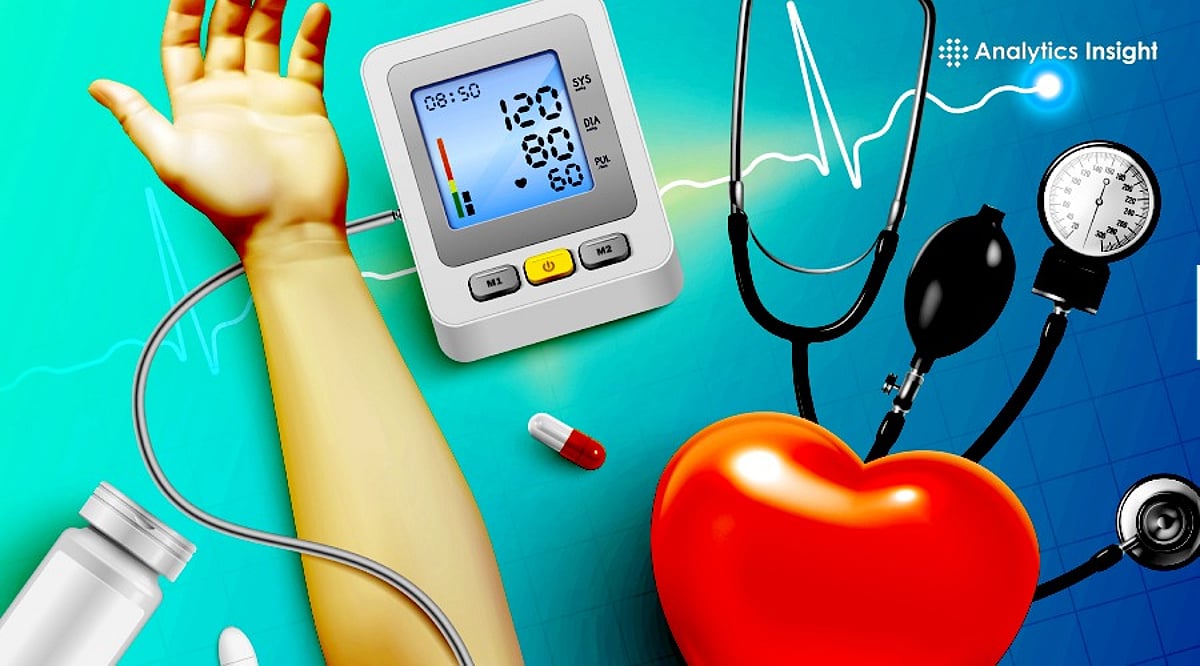
    Artificial intelligence is transforming hypertension care through predictive analytics, remote monitoring, and personalized treatment plans. While AI enhances risk detection and clinical decision support, significant challenges around data quality, transparency, regulation, and patient trust mean that human oversight remains indispensable.

    Key Insights

    • AI enhances detection and monitoring: Wearables and digital health systems generate vast data that machine learning algorithms analyze to predict hypertension risk, complications, and optimal treatment adjustments.
    • Data quality and transparency are major barriers: Incomplete, biased, or fragmented health data undermines algorithm performance, and lack of explainability makes clinicians hesitant to trust AI recommendations.
    • Human oversight remains essential: AI currently functions best as an assistive decision-support tool, not an autonomous doctor. Medical judgment is still required to interpret AI outputs and make final care decisions.

    The Growing Burden of Hypertension

    Hypertension, often called the ‘silent killer,’ affects millions worldwide without their knowledge. It is a leading cause of heart attacks, strokes, kidney failure, and premature death. Traditional healthcare systems struggle to provide the continuous monitoring, lifestyle coaching, medication management, and frequent consultations needed for effective blood pressure control.

    How AI Is Reshaping Hypertension Care

    AI-powered systems—including wearable blood pressure monitors, digital health platforms, and predictive algorithms—are increasingly used to manage hypertension. Machine learning models can identify individuals at high risk of developing hypertension, predict complications, and suggest personalized interventions based on historical data. Some tools even send medication reminders and track adherence. The goal is to shift from reactive to proactive care, catching problems before they escalate.

    The Promise of Personalization

    One of AI’s greatest strengths is its ability to tailor treatment. Hypertensive patients respond differently to therapies based on age, genetics, lifestyle, comorbidities, and medication history. AI algorithms can integrate these factors to recommend personalized regimens, potentially improving blood pressure control, reducing medication switches, and cutting down on clinic visits. However, translating research findings into real-world success remains challenging.

    Challenges Holding AI Back

    Despite rapid progress, several obstacles prevent AI from fully managing hypertension. Data accuracy is a primary concern—incomplete, inaccurate, or biased data can lead to flawed recommendations. Many healthcare organizations also face fragmented patient data across different systems. Transparency, or explainability, is another hurdle: clinicians are skeptical when they cannot understand how an algorithm reached a decision. Privacy and cybersecurity risks are also significant, given the sensitivity of health data.

    Where AI Delivers Value Today

    AI is proving its worth not as a replacement for clinicians but as an assistive technology. Hospitals use AI to identify high-risk patients, monitor blood pressure trends, and prioritize follow-ups. Remote patient monitoring programs benefit from AI’s ability to analyze data from large patient populations efficiently. Current AI systems are most effective as decision-support tools, helping clinicians make informed choices rather than making independent treatment decisions.

    AI in Hypertension Management: Opportunities and Limitations

    A Powerful Assistant, Not Yet an Autonomous Doctor

    The debate around AI readiness often misses the point. AI has already demonstrated value in monitoring, risk prediction, improving patient adherence, and supporting clinical decisions. However, it cannot yet manage hypertension without physician supervision. Medicine relies on trust and judgment; algorithms can spot patterns quickly, but doctors must interpret those patterns and decide on next steps. AI is not a substitute for hypertension specialists—it is a powerful aid. The future of AI in this field remains to be fully defined.

    Frequently Asked Questions

    1. What role does AI play in hypertension management? AI helps detect risks, monitor blood pressure trends, support treatment decisions, and improve patient engagement through data-driven insights.
    2. Can AI diagnose hypertension on its own? No. AI supports clinicians with analysis and recommendations, but diagnosis and treatment decisions still require medical expertise.
    3. How does AI improve medication adherence? AI-powered apps send reminders, track medication schedules, and encourage healthy habits, helping patients follow prescribed treatments.
    4. What are the biggest challenges facing AI in hypertension care? Data quality issues, privacy concerns, regulatory requirements, and limited transparency in some AI models remain challenges.
    5. Is AI the future of hypertension treatment? AI will likely significantly enhance hypertension management, but human oversight remains essential for safe, effective patient care.