
Tag: personalized recommendations

  • How AI Is Reshaping Festive Shopping in India: Smart Search, Virtual Try-Ons, and Personalized Picks

    How AI Is Reshaping Festive Shopping in India: Smart Search, Virtual Try-Ons, and Personalized Picks

    Artificial intelligence is increasingly becoming a staple in the festive shopping journey in India, as consumers turn to smart search, virtual try-ons, and recommendation tools to guide their purchase decisions. A recent study by InMobi Advertising reveals that 80% of festive shoppers are interested in having an AI shopping assistant, with specific features gaining varying levels of traction across generations.

    Smart Search Emerges as the Top AI Feature

    According to the study, smart search suggestions are the most popular AI feature, attracting interest from 89% of respondents. Virtual product try-ons and “complete-the-look” suggestions follow closely, each capturing 81% of interest. AI-based recommendations are preferred by 75% of shoppers, while 73% show interest in voice search or chat assistants.

    The findings are based on an on-device consumer study conducted between August 7 and 11, covering 1,110 consumers across Android and iOS devices, spanning Tier 1 to Tier 4 cities and various age groups. The survey indicates that shoppers are not just looking for help finding products but also in narrowing down their choices.

    Virtual Try-Ons Drive Engagement

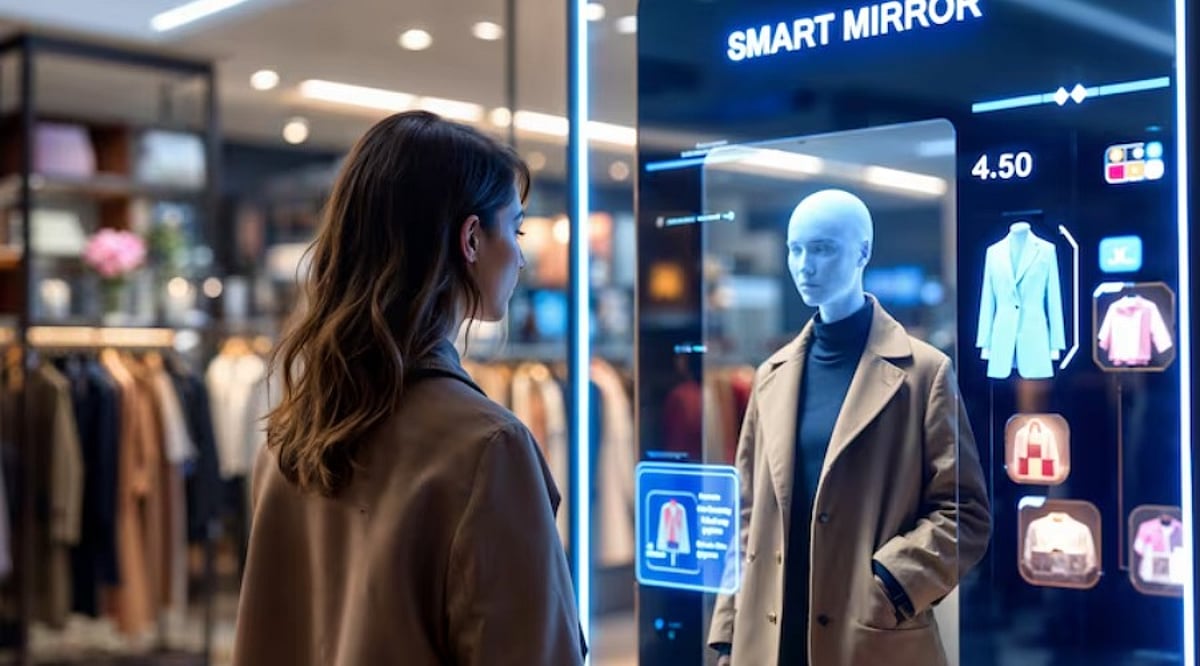
    Virtual try-on tools are gaining significant attention. The report notes that 79% of consumers are interested in personalized smart TV advertising that includes virtual try-on features. A case in point is fashion brand The Bear House, which reported that its AI-powered virtual try-on experience reduced website bounce rates by 50%, boosted add-to-carts by 2.5 times, and increased overall conversions by fivefold.

    Millennials vs. Gen Z: Divergent Interests in AI Recommendations

    When it comes to AI-based recommendations, generational differences become apparent. 82% of Millennials expressed interest in AI recommendations, compared to 71% of Gen Z. However, both groups show strong enthusiasm for smart search, with 90% of Millennials and 88% of Gen Z indicating they would use such suggestions.

    Interestingly, traditional shopping triggers remain influential across both demographics. Limited-time offers sway 66% of Millennials and 66% of Gen Z, while short-video ads engage 66% and 65%, respectively.

    Festive Shopping Moves Across Screens

    AI is just one component of a broader shift in how Indians shop during the festive season. The study reveals that 73% of shoppers make their final purchases online, with 58% researching and buying online, and another 15% researching in stores before purchasing online. Online reviews play a crucial role, with 75% consulting them before buying, while 53% rely on search engines and 47% on social or influencer content.

    For brands, the shopping path is becoming increasingly complex. Consumers may discover a product on social media, compare it through search, use an AI tool to evaluate it, and finally purchase online. This festive season, AI is becoming an integral step in that journey, rather than a standalone technology experience.

  • Google Maps Debuts Gemini-Powered ‘Ask Maps’ Feature in India for Conversational Search

    Google Maps Debuts Gemini-Powered ‘Ask Maps’ Feature in India for Conversational Search

    Google has launched an enhanced version of its Ask Maps feature in India, introducing a conversational search experience powered by the company’s Gemini AI models. The update allows users to search for places using natural, everyday language instead of traditional keyword queries.

    With the new feature, users can ask detailed questions such as “Where can I find a family-friendly restaurant?” or “Suggest a café suitable for working.” Google Maps then provides personalized recommendations based on the context of the query. India is among the first markets to receive this upgraded Ask Maps experience.

    Search That Understands Context

    The system is designed to interpret user needs even when expressed in a conversational format. Instead of entering multiple search terms, users can describe their requirements and ask follow-up questions to refine results without starting a new search session. Google states this aims to make location discovery more intuitive.

    Key Features of Ask Maps

    • Natural Language Search: Ask questions in everyday language instead of using keywords.
    • Conversational Search: Continue the conversation with follow-up questions to refine results.
    • Personalized Recommendations: Discover tailored suggestions for restaurants, cafés, and other places based on preferences.
    • Contextual Responses: Understands the context of the query rather than just matching keywords.
    • Gemini AI Integration: Leverages Google’s Gemini AI for generating suggestions.
    • In-App Recommendations: Results appear directly on Google Maps.
    • Itinerary Planning: Create a day’s itinerary with a single search.
    • Available on Android and iOS: For Google Maps users in India.
    • Discovery Within a Chat: Find relevant places through a single conversational thread.

    Part of Google’s Broader Maps Update

    The Ask Maps rollout is part of Google’s larger effort to integrate AI-powered features into Maps. Alongside conversational search, Google has added improved navigation assistance and route context to help users understand and follow directions more easily. The company says these changes aim to make Maps more useful before, during, and after every journey by combining mapping technology with Gemini’s capabilities.

    With this latest release in India, users can navigate cities more simply without needing to perform multiple searches.

  • How Experience-Driven Retail Is Redefining Shopping in 2026

    How Experience-Driven Retail Is Redefining Shopping in 2026

    The retail landscape is undergoing a profound transformation. By 2026, the focus will no longer be on transactions alone but on creating immersive, memorable experiences that keep customers coming back. From artificial intelligence to augmented reality, retailers are leveraging cutting-edge technology to build deeper connections with shoppers. Here’s a look at the key trends shaping the future of experience-driven retail.

    Immersive Shopping Experiences

    Interactive stores using AR, VR, and digital displays make shopping engaging and memorable. These technologies encourage customers to spend more time exploring products, leading to higher satisfaction and increased sales.

    Personalized Recommendations

    AI-driven insights help retailers deliver customized offers, product suggestions, and promotions. This level of personalization significantly improves customer satisfaction and purchasing decisions.

    Omnichannel Integration

    Seamless connections between online platforms and physical stores provide customers with convenient, flexible, and consistent shopping experiences everywhere they engage with a brand.

    Smart Store Technology

    Automated checkouts, smart shelves, and connected devices simplify shopping while improving operational efficiency and customer convenience across retail environments.

    Community Engagement

    Retailers increasingly host workshops, events, and exclusive experiences that strengthen customer relationships and encourage repeat visits beyond traditional shopping.

    AI-Powered Customer Service

    Intelligent chatbots and virtual assistants provide instant support, personalized assistance, and faster issue resolution throughout the shopping journey.

    Sustainability Initiatives

    Eco-friendly packaging, ethical sourcing, and transparent supply chains attract environmentally conscious consumers while building long-term brand loyalty and trust.

    Data-Driven Insights

    Retailers analyze customer behavior to optimize store layouts, inventory planning, and personalized marketing strategies for improved shopping experiences.

    Emotional Brand Connections

    Memorable retail experiences create stronger emotional relationships with customers, increasing loyalty, advocacy, and long-term business growth in competitive markets.

    As 2026 approaches, retailers that prioritize experience over mere transactions will lead the industry. By embracing AI, AR, omnichannel strategies, and sustainability, they can create a shopping future that is not only efficient but also deeply engaging.