Tag: phishing

  • Ethereum Layer-2 Scams: How to Protect Your Crypto from Fake Networks and Bridges

    Ethereum Layer-2 Scams: How to Protect Your Crypto from Fake Networks and Bridges

    Fake Ethereum Layer-2 networks are on the rise, mimicking legitimate projects, websites, RPCs, and bridges to deceive users. Scammers build convincing infrastructure that looks authentic, then lure victims into bridging real ETH into a fraudulent network. The fake bridge accepts deposits while the promised Layer-2 never actually exists.

    One recent case, the fake GIWA network, reportedly attracted about 767 ETH from around 1,335 addresses. Eventually, approximately 766 ETH was drained from the bridge. A familiar Chain ID does not guarantee a network is genuine. For instance, the GIWA scam used Chain ID 9134 even though the official mainnet had not yet launched.

    A working RPC, successful transactions, or a functioning blockchain also cannot confirm who controls the network. Attackers can create all the infrastructure needed to appear real. Watch for unofficial “mainnet live” announcements, unknown RPC links, newly created bridge websites, urgent deposit requests, and networks missing from the official project documentation.

    Before bridging, verify the Layer-2’s official website, launch status, Chain ID, RPC URL, bridge contract, block explorer, and contract addresses. Ethereum’s security guidance recommends carefully checking network information before using any bridge. Additionally, never grant a smart contract unlimited spending access when a smaller limit is possible. Set spending limits to only the amount required.

    Already connected to a suspicious bridge? Stop interacting immediately, revoke unnecessary token approvals, move remaining funds to a clean wallet if needed, save all transaction details, and ignore anyone promising guaranteed crypto recovery.

  • Truecaller Launches Scam Checker: Real-Time Fraud Detection Powered by Community Intelligence

    Truecaller Launches Scam Checker: Real-Time Fraud Detection Powered by Community Intelligence

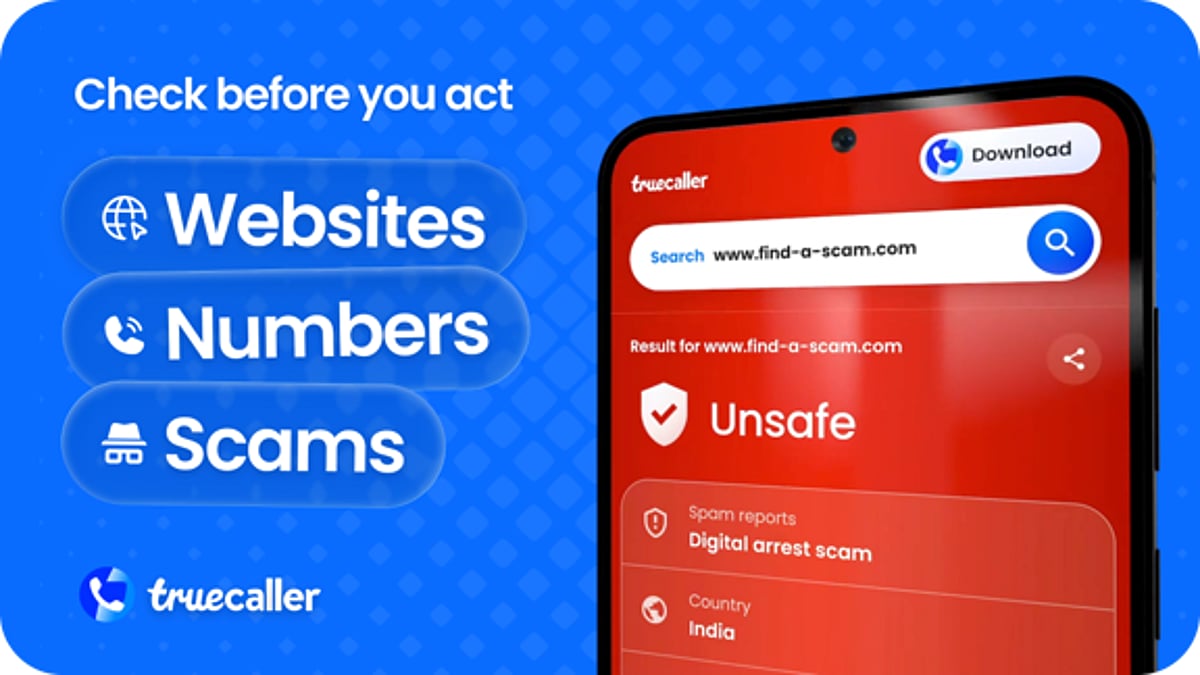
    Truecaller has unveiled its new Truecaller Scam Checker, a dedicated web and Android destination designed to help users quickly assess suspicious links, phone numbers, and messages. The tool leverages the collective scam intelligence of over 500 million users to provide instant, actionable insights before individuals engage with potential fraud.

    Available initially in India on the Android app and globally via the Truecaller website, Scam Checker consolidates multiple scam-detection capabilities into a single, user-friendly interface. This initiative extends Truecaller’s core mission beyond caller ID and spam blocking to a more proactive, community-driven approach to fraud prevention.

    Key Features of Truecaller Scam Checker

    With this new tool, users can:

    • Check suspicious links for signs of phishing or malicious intent.
    • Search phone numbers to see what Truecaller’s detection systems and community signals reveal.
    • Browse Scamfeed reports to discover similar scams reported by other users.
    • Describe a concern in their own words and receive relevant results, including checks on any links or numbers mentioned in the query, along with related community reports.

    These features collectively address the three components of a typical scam message: a number, a link, and a story. Users can now verify all three simultaneously in seconds, empowering them to make informed decisions before responding.

    Future Expansion and Availability

    Truecaller plans to broaden Scam Checker’s capabilities in the near future, including wider coverage of scam techniques, screenshot uploads for richer analysis, and user authentication features. The company also intends to roll out the service to additional regions and iOS devices at a later date.

    “People often sense that something is wrong, but they need a quick way to check before responding,” said Rishit Jhunjhunwala, CEO of Truecaller. “Scam Checker brings together our detection capabilities and what our community has reported so that people can investigate a suspicious link, number or story in one place.”

    About Truecaller

    Truecaller is an essential communication tool for 500 million active users worldwide, with over one billion downloads since launch. In 2025 alone, the platform identified 68 billion spam and fraud calls. Headquartered in Stockholm, Truecaller is a GSMA member and has been publicly listed on Nasdaq Stockholm since October 2021. For more information, visit truecaller.com.

  • AI-Driven Threats Force Companies to Overhaul Their Network Defense Strategies

    AI-Driven Threats Force Companies to Overhaul Their Network Defense Strategies

    Artificial intelligence is transforming cybersecurity from both sides. Organizations now leverage AI to monitor activity, automate repetitive security tasks, and uncover patterns that are nearly impossible for humans to detect manually. At the same time, attackers harness the same technology to operate faster and at a larger scale. This dual impact is reshaping what businesses must defend, how quickly they need to react, and what skills their security teams require. Merely adding AI tools to an existing security framework is no longer enough; the entire strategy itself needs a fundamental redesign.

    Security Operations Must Keep Pace with Automated Threats

    As attacks become more rapid and automated, organizations need security operations that can identify unusual behavior without relying solely on manual review. Many companies now turn to managed cybersecurity services to provide continuous monitoring, threat detection, and incident response expertise that internal teams may struggle to maintain around the clock. This external support becomes especially valuable when internal IT departments are already stretched thin managing cloud systems, user accounts, software, devices, and daily technical issues. The ultimate objective is to establish enough visibility and response capability so that suspicious activity never sits unnoticed in a queue.

    AI heightens the need for this capacity because attackers can use automation to conduct reconnaissance, test stolen credentials, generate persuasive phishing messages, and adjust their tactics in real time. No longer does an attacker have to manually execute every step of an intrusion to affect thousands of targets. Defenders must deploy systems that can process vast volumes of activity and help analysts prioritize what truly requires immediate action. Human judgment remains indispensable, but people increasingly depend on technology to filter and highlight the most critical signals.

    Phishing Is Becoming Harder to Spot by Appearance Alone

    For years, employees were taught to detect phishing by looking for awkward grammar, spelling mistakes, odd formatting, or phrasing that seemed off. Generative AI erodes many of those clues because attackers can now craft polished, professional emails tailored to a specific audience in seconds. They can also customize messages to target a particular role, industry, or situation using data gathered from public sources. A suspicious email may now look every bit as legitimate as a routine corporate communication.

    This shift means organizations must move beyond training workers to recognize poorly written scams. Employees should learn to evaluate requests based on context, urgency, unusual payment instructions, unexpected credential demands, and changes to established procedures. Companies can also reduce reliance on human recognition by enforcing stronger authentication and verification steps for sensitive actions. An employee should never have to decide alone whether a convincing message from an executive requesting a major financial transfer is genuine.

    Identity Is Becoming More Central Than the Traditional Network Perimeter

    Companies have long concentrated on securing the boundary between their internal network and the outside world. That boundary has become increasingly blurred as employees use cloud applications, remote devices, mobile technology, third-party platforms, and systems that never reside inside a conventional corporate network. Attackers recognize that compromising a legitimate user account may be far easier than breaking through a technical barrier. Consequently, identity has emerged as one of the most valuable targets in modern cybersecurity.

    AI amplifies identity-based attacks by helping cybercriminals generate convincing social-engineering messages or process stolen data at scale. Defensive strategies therefore now emphasize multifactor authentication, privileged-access controls, device trust, unusual-login detection, and limiting what each account can access. Companies should also routinely audit whether users still hold permissions they no longer need as roles evolve. A compromised account becomes far less damaging if it cannot reach systems that are not essential to its normal function.

    Security Teams Need Help Distinguishing Signals from Noise

    Modern organizations generate an overwhelming volume of security data. Firewalls, cloud platforms, identity systems, applications, endpoints, email servers, and countless other tools each produce alerts. The challenge is no longer about collecting more information; it is about understanding which combinations of activities indicate something genuinely suspicious.

    AI can assist by correlating events and highlighting patterns that might be overlooked when each alert is examined in isolation. A login from an unfamiliar location may not be alarming on its own, and a large file download could have a plausible explanation. But when those events occur together on a privileged account shortly after a suspicious authentication attempt, the situation warrants immediate investigation. Context transforms individual datapoints into actionable insight.

    However, organizations should remain cautious about assuming AI can eliminate false positives or make security decisions without human oversight. Automated systems can misinterpret legitimate behavior, and attackers may deliberately try to evade or manipulate detection mechanisms. The most effective approach combines AI-driven analysis with skilled human judgment to create a resilient and adaptive defense.

  • Top Rules to Protect Your Bank Details from Scammers

    Top Rules to Protect Your Bank Details from Scammers

    Scammers are constantly devising new ways to steal your banking information. Follow these essential rules to keep your accounts secure and prevent unauthorized access.

    1. Never Share OTPs: Banks never request One-Time Passwords over calls or messages. Keep these codes private to prevent fraudulent transactions.
    2. Avoid Suspicious Links: Do not click on unknown banking links received via SMS, email, or social media. They may lead to phishing sites that steal your credentials.
    3. Verify Caller Identity: Never trust callers claiming to represent your bank without verification. Always contact your bank directly using official contact details.
    4. Protect Your PIN: Keep your debit and credit card PINs confidential. Never write them down or share them publicly.
    5. Use Strong Passwords: Create unique, difficult-to-guess passwords for your banking accounts and avoid reusing them across other websites or services.
    6. Enable Transaction Alerts: Activate SMS, email, or app notifications to instantly detect suspicious transactions and report unauthorized activity.
    7. Avoid Public Wi-Fi: Do not access internet banking over unsecured public networks, as they can expose your sensitive data to cybercriminals.
    8. Check Account Statements: Regularly review your bank statements and transaction history to identify unfamiliar payments or withdrawals.
    9. Report Fraud Immediately: If you notice any suspicious activity, contact your bank right away to block accounts, cards, or transactions and minimize potential losses.

    Stay vigilant and adopt these practices to safeguard your financial information from scammers.

  • WhatsApp Malware Campaign Uses Fake Invoices to Hijack Accounts

    WhatsApp Malware Campaign Uses Fake Invoices to Hijack Accounts

    Cybersecurity firm Kaspersky has issued a warning about a rapidly spreading malware campaign on WhatsApp. Attackers are hijacking legitimate WhatsApp accounts and using them to send malicious attachments disguised as everyday business documents, such as invoices, billing statements, and payment notices.

    The campaign has already impacted users in multiple countries, including India, Brazil, Mexico, Singapore, the UK, Spain, Taiwan, Australia, Russia, Vietnam, and Malaysia. Because the malicious files appear to come from known contacts, recipients are far more likely to open them without suspicion.

    How the Scam Works

    According to Kaspersky researcher Fareed Radzi, the attackers exploit trust within messaging platforms by using compromised accounts to deliver malicious attachments that appear to originate from familiar people. The files are VBScript attachments carefully named to resemble financial reports and account notices.

    Once a victim opens the file, it triggers a staged infection chain that quietly downloads and executes additional harmful components from external servers. In many cases, this ultimately installs a remote access tool, granting attackers control over the infected device without the user’s knowledge.

    Safety Recommendations

    Kaspersky advises users to treat unexpected attachments with caution, even when they come from known contacts. Specifically, avoid opening script or executable files such as VBS, EXE, BAT, and JS unless their legitimacy is confirmed.

    India’s Cyber Crime Coordination Centre has also issued a similar alert, noting that fraudsters often name these files “View Details” or “Invoice” to appear genuine. Officials recommend verifying any unexpected document with the sender directly, preferably through a phone call, before opening it. A single click can compromise an entire WhatsApp account and its contact list.

    Stay vigilant and always double-check the unexpected, even if it comes from a trusted name.

  • How Telegram Accounts Can Be Hacked Without an OTP: Risks and Prevention Strategies

    How Telegram Accounts Can Be Hacked Without an OTP: Risks and Prevention Strategies

    Telegram sends a one-time password (OTP) to verify new logins, but that alone does not guarantee account safety. Hackers, scammers, and even someone with brief physical access to your phone can still compromise a Telegram account without ever requesting that OTP. This risk affects everyone—casual users, business owners, and community channel managers alike. The methods typically exploit stolen sessions, malware, or lingering login sessions rather than breaking Telegram’s own systems.

    Understanding Telegram Account Security Risks

    Telegram allows a single account to remain logged in on multiple devices simultaneously, and each active session works without re-entering the OTP. If a hacker steals an active session—via malware on the device or a fake app that copies login credentials—they can instantly access the account. Security researchers warn that malicious files, often disguised as APKs on Android, can silently extract session data stored on the device. Once that data reaches an attacker, they can open Telegram as if they were the legitimate user, with no password or code required.

    Public Wi-Fi networks add another layer of vulnerability. Experts note that unsecured networks make it easier for attackers to intercept data flowing between a phone and Telegram’s servers, especially when using Telegram Web on a shared or public computer.

    Phishing remains a common threat on Telegram. A fake login page that looks identical to Telegram’s real site can trick users into entering their credentials directly, handing over access without any OTP involved.

    Steps to Keep Your Telegram Account Safe

    Adopting a few simple habits can significantly reduce the risk of such hacks:

    • Turn on Two-Step Verification in Telegram’s settings to add an extra password layer.
    • Add a passcode lock inside the app so it cannot be opened even on an unlocked phone.
    • Regularly check the Devices section and log out of any sessions you do not recognize.
    • Avoid downloading APK files or clicking links from unknown senders.
    • Keep the app updated, as Telegram regularly releases security patches.

    These measures together make it much harder for anyone to slip into your account unnoticed.

  • 7 Essential Strategies to Safeguard Your Cryptocurrency

    7 Essential Strategies to Safeguard Your Cryptocurrency

    Cryptocurrency security is paramount in a digital landscape where threats evolve constantly. Whether you’re a seasoned investor or new to crypto, implementing robust protective measures can prevent theft and loss. Below are seven critical steps to keep your digital assets safe.

    Use a Hardware Wallet

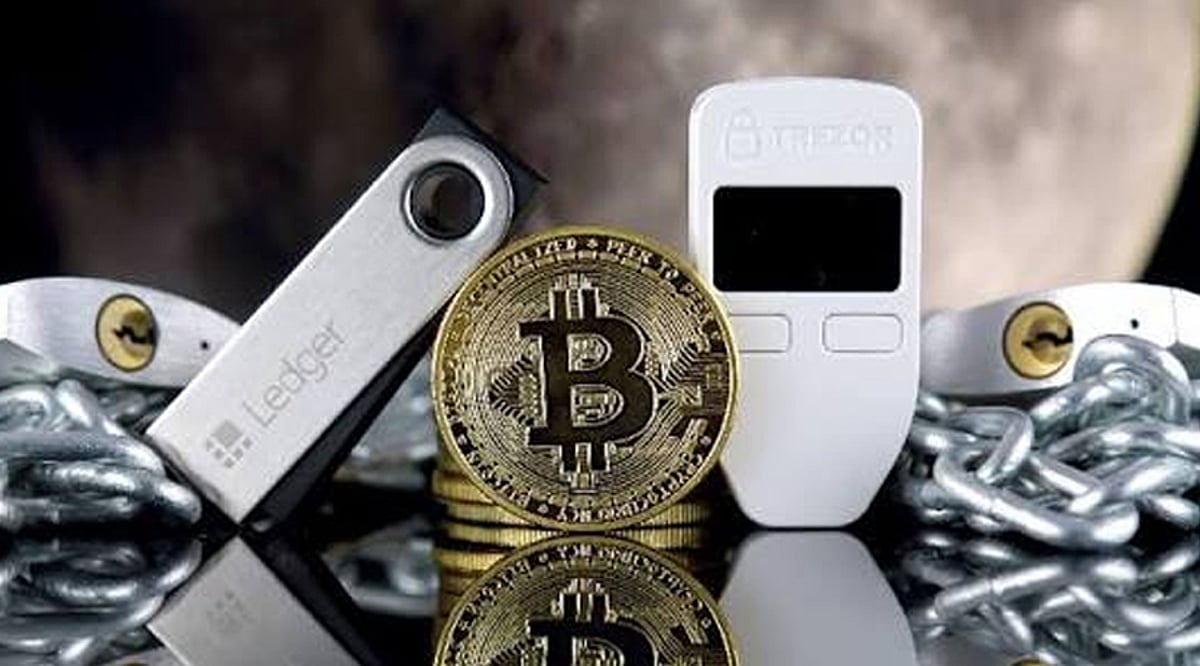
    Hardware wallets keep cryptocurrency private keys offline, reducing exposure to online threats. Devices such as Ledger and Trezor provide an additional security layer for long-term holdings. Always purchase wallets from official sources, protect recovery phrases carefully, and follow the manufacturer’s security instructions when setting up and accessing your assets.

    Secure Your Private Keys

    Private keys provide access to cryptocurrency holdings and should never be shared. Store them securely and avoid saving them in easily accessible digital locations. Losing a private key can permanently restrict access to funds, while exposing it can allow unauthorized transactions. Treat private keys as highly sensitive financial information.

    Protect Your Recovery Phrase

    A recovery phrase can restore access to a cryptocurrency wallet, making its protection essential. Write the phrase down and store it somewhere secure and private. Avoid screenshots, cloud storage, emails or messaging apps. Never share recovery phrases with anyone claiming to provide wallet support or security assistance.

    Enable Multi-Factor Authentication

    Multi-factor authentication adds another layer of protection to cryptocurrency exchanges and related accounts. Whenever available, use an authenticator application or security key instead of relying exclusively on SMS. Strong authentication reduces the risk of account compromise, particularly if passwords are exposed through phishing attacks, data breaches or reused credentials.

    Create Strong, Unique Passwords

    Use long, unique passwords for cryptocurrency exchanges, wallets and associated email accounts. Avoid reusing passwords across multiple services because one compromised account can create additional security risks. A reputable password manager can help generate and store unique credentials, reducing the temptation to use predictable passwords or repeat the same password.

    Beware of Scams and Phishing

    Cryptocurrency users frequently encounter fake websites, investment schemes, impersonation attempts and phishing messages. Verify website addresses before entering credentials or approving transactions. Be particularly cautious about unexpected messages requesting payments, private keys or recovery phrases. Legitimate wallet providers and exchanges will not require users to reveal sensitive recovery information.

    Keep Software and Backups Updated

    Regularly update wallet applications, operating systems and security software to address known vulnerabilities. Maintain secure backups where appropriate and verify that recovery information remains accessible. For larger holdings, consider separating funds between wallets and keeping long-term assets offline. Security should combine technology, careful habits and protection against human error.

  • Fake IT Support Scams Target Blackstone, KKR, and CME: How Voice Phishing Works

    Fake IT Support Scams Target Blackstone, KKR, and CME: How Voice Phishing Works

    Major US financial firms, including Blackstone, KKR, Apollo Global Management, Bridgewater Associates, Bain Capital, TPG, and CME Group, have been targeted by a sophisticated cyberattack campaign using fake IT support calls and fraudulent websites to steal employee credentials and authentication codes.

    According to data from Google and internet intelligence reviewed by Reuters, the campaign was orchestrated by a threat actor tracked as UNC6671, linked to extortion brands such as Redact, Pink, Helix, and Falcon. Google’s Threat Intelligence Group (GTIG) is monitoring the activity, noting that the group continues to compromise organizations despite the reported shutdown of its earlier BlackFile operation.

    Voice Phishing Tactics

    Attackers employed voice phishing, or vishing, to contact employees while posing as company IT helpdesk staff. They created a sense of urgency around security-related tasks, such as updating authentication methods or enabling passkeys. Employees were then directed to websites designed to mimic legitimate company login and authentication pages, which were used to harvest passwords and other credentials.

    Google reported that the attackers also used adversary-in-the-middle techniques to intercept authentication sessions and MFA tokens, further compromising security.

    Targeted Firms and Scope

    The identified targets include Blackstone, Apollo Global Management, Bridgewater Associates, Bain Capital, KKR, TPG, CME Group, Clearlake Capital, and Moody’s. Other businesses and professional services firms were also targeted. However, being targeted does not necessarily mean a breach was successful; the attackers created infrastructure and attempted to compromise organizations, with varying outcomes.

    Google’s analysis revealed that UNC6671’s focus shifted during 2026. Earlier activity involved manufacturing, real estate, healthcare, and insurance. By July, the group increasingly targeted financial and legal organizations, including private equity firms, law firms, and financial ratings agencies.

    Potential Impact and Extortion

    After obtaining credentials, attackers can attempt to access corporate cloud services such as Microsoft 365 and Okta. The broader objective is to steal data and extort victims. Google’s analysis of cryptocurrency wallets linked to the earlier BlackFile operation found that 18 Bitcoin addresses received a combined 141.65 BTC, worth approximately $10.69 million at the time. Initial ransom demands typically ranged from $1 million to over $3 million, though negotiations often resulted in lower payments.

    This campaign underscores the risks of social engineering, where convincing phone calls and fake login pages bypass security measures by targeting employees directly. Organizations must remain vigilant and educate staff on recognizing such tactics.

  • Amazon Flags Growing AI Scam Danger for India’s New Online Users

    Amazon Flags Growing AI Scam Danger for India’s New Online Users

    India’s rapid digital expansion is exposing millions of first-time online shoppers to increasingly sophisticated artificial intelligence scams. Amazon warns that low consumer awareness now presents a major challenge as e-commerce reaches smaller cities.

    The company views education as equally important as technical protection. Fraudsters can use generative AI to produce convincing identities, forged documents, synthetic reviews, and targeted phishing messages.

    AI Fraud Threat Grows Beyond Major Cities

    Rohan Oommen, Amazon’s vice president for customer and partner trust, says India differs sharply from mature e-commerce markets. The country still adds large numbers of first-time users from tier-2 and tier-3 cities.

    “India has a large number of first-time users entering the digital economy. Awareness is much lower, which makes education a significant part of the solution,” Oommen said.

    In established markets such as the United States, online shopping adoption has largely stabilised. India’s expanding user base creates commercial opportunities but also widens the pool of potential fraud targets.

    New shoppers may have limited experience identifying suspicious links, fake customer service calls, impersonation attempts, or manipulated reviews. These risks increase as fraud tools become cheaper and easier to operate.

    Behavioral Data Strengthens Detection

    Meanwhile, Amazon is using artificial intelligence to identify abuse across its marketplace. The company deploys automated systems, including agentic AI, to conduct continuous audits and detect unusual activity.

    Oommen said behavioural patterns provide stronger fraud signals than submitted documents or images. Bad actors can fabricate identification records, seller profiles, and product information using generative tools.

    “Behaviour is much harder to fake than documents or images,” he said. Amazon’s systems analyse years of seller and customer activity to distinguish legitimate behaviour from coordinated abuse. The models can flag suspicious account changes, review manipulation, unusual transactions, and other high-risk patterns.

    The same technology strengthening criminal tactics can also improve platform monitoring. However, automated detection still requires human oversight, enforcement processes, and cooperation with external authorities.

    Phone Scams Remain Harder to Trace

    Additionally, Amazon’s latest Trustworthy Shopping Experience Report highlights the scale of its fraud enforcement. The company removed nearly 300 million fake reviews globally during the reported period.

    Amazon also removed about 70,000 phishing websites and acted against roughly 14,000 phone numbers linked to scams. Oommen said phone-based fraud presents a tougher enforcement challenge than fraudulent websites.

    Investigators can often identify website infrastructure, hosting records, and digital links more easily. Phone scams create attribution problems, especially when criminals use spoofed numbers or rapidly changing communication channels.

    Amazon says it does not wait for new regulations before acting against fraud. Its response includes automated detection, account enforcement, consumer education, and cooperation with law enforcement agencies.

  • Ultimate Crypto Security Guide: Safeguard Your Digital Assets from Scams, Hacks, and Theft in 2026

    Ultimate Crypto Security Guide: Safeguard Your Digital Assets from Scams, Hacks, and Theft in 2026

    Cryptocurrency has revolutionized how people invest, trade, and store wealth. Unlike conventional banks, the crypto world offers no safety net—a forgotten password, lost seed phrase, phishing attack, or malicious smart contract can wipe out your entire savings instantly, often with no recourse. As crypto adoption grows and cybercriminal tactics become more sophisticated, securing your digital assets is essential. Whether you’re a first-time Bitcoin buyer or a seasoned investor with a diverse portfolio, understanding the risks is the first step to protecting yourself. This comprehensive guide covers the most critical crypto security practices for 2026.

    Common Cryptocurrency Scams and How to Avoid Them

    Crypto scams evolve alongside the industry. The most prevalent include fake investment platforms, giveaway scams, celebrity or exchange impersonation, rug pulls, and pump-and-dump schemes. Scammers often promise guaranteed returns or claim you’ve won free crypto. Others create fake customer support accounts on social media to steal wallet credentials.

    How to stay safe:

    • Never trust guaranteed profits.
    • Verify social media accounts and websites.
    • Avoid clicking unknown links.
    • Research projects thoroughly before investing.
    • Ignore unsolicited investment advice in messaging apps. If something sounds too good to be true, it almost certainly is.

    How to Secure Your Crypto Wallet: Essential Safety Tips for Beginners

    A crypto wallet doesn’t actually store coins—it stores the private keys that provide access to blockchain assets. For beginners, security starts with choosing a trusted wallet provider and keeping software updated. Basic wallet safety includes:

    • Download wallets only from official sources.
    • Enable password protection.
    • Use biometric authentication when available.
    • Update wallet software regularly.
    • Never install unofficial wallet extensions. If you’re holding significant funds, avoid keeping everything in a single wallet. Diversifying storage reduces overall risk.

    How to Protect Your Private Keys and Seed Phrase from Theft

    Your private key and seed phrase are the master keys to your crypto holdings. Anyone with access to them can transfer your assets permanently.

    Best practices include:

    • Write your recovery phrase on paper or metal backup plates.
    • Store backups in secure physical locations.
    • Never take screenshots of your seed phrase.
    • Never save recovery phrases in cloud storage or email.
    • Never share them with anyone—even customer support. Many scams begin with fake “wallet verification” requests asking users to enter their seed phrase. Legitimate wallet providers never ask for it.

    Hot Wallet vs Cold Wallet Security: Which is Safer for Your Crypto?

    Choosing the right wallet depends on how often you use your crypto. Hot wallets are ideal for trading and small balances. Cold wallets, including hardware wallets, offer stronger protection because private keys never leave the device. Many experienced investors use a combination of both: a hot wallet for spending and a cold wallet for long-term holdings.

    How to Spot Crypto Phishing Scams, Fake Apps, and Fraudulent Websites

    Phishing remains the biggest threat in cryptocurrency. Attackers build fake exchange login pages, counterfeit wallet apps, and malicious browser extensions that look identical to legitimate services. Warning signs include:

    • Misspelled URLs
    • Unexpected login requests
    • Poor grammar
    • Pressure to act immediately
    • Fake customer support chats

    Always bookmark official websites instead of relying on search engine advertisements, which can sometimes promote fraudulent sites. Before approving wallet connections, verify the domain carefully.

    How to Keep Your Crypto Exchange Account Safe from Hackers

    Even major cryptocurrency exchanges face ongoing cyber threats. Protect your account by:

    • Using unique, complex passwords.
    • Enabling strong two-factor authentication.
    • Whitelisting withdrawal addresses when available.
    • Reviewing login history regularly.
    • Avoiding public Wi-Fi for financial transactions.

    Don’t leave large amounts of cryptocurrency on exchanges for extended periods. Exchanges are designed for trading—not permanent storage. Move long-term holdings into private wallets whenever possible.

    Best Two-Factor Authentication (2FA) Methods for Crypto Security

    Two-factor authentication provides an additional layer of protection beyond passwords. Not all 2FA methods offer equal security.

    Recommended options:

    • Authenticator Apps: Generate time-based security codes that are resistant to SIM swap attacks.
    • Hardware Security Keys: Devices like FIDO-compatible security keys provide among the strongest protection available.

    Avoid SMS Authentication: SMS verification remains vulnerable to SIM swapping, where criminals convince mobile carriers to transfer your phone number. Whenever possible, choose app-based authentication or physical security keys instead.

    How to Recover Lost or Stolen Cryptocurrency: What You Can and Can’t Do

    Crypto transactions are generally irreversible. If your assets are transferred to another wallet, blockchain networks typically cannot reverse the transaction. However, you should immediately:

    • Contact the exchange if funds were stolen from your exchange account.
    • Report the theft to law enforcement.
    • Notify blockchain analytics firms if large amounts are involved.
    • Preserve wallet addresses and transaction IDs.

    Recovery may be possible only if stolen assets pass through regulated exchanges willing to cooperate with investigations. If you lose your wallet but still have your recovery phrase, restoring access is usually straightforward. If both the wallet and seed phrase are lost, the assets are almost certainly unrecoverable.

    How to Safely Store Large Cryptocurrency Holdings for Long-Term Investment

    Long-term investors should prioritize security over convenience. Recommended strategy:

    • Store assets in hardware wallets.
    • Maintain multiple encrypted backups of recovery phrases.
    • Consider geographic separation for backups.
    • Use multi-signature wallets for substantial holdings.
    • Periodically verify backup integrity.

    Avoid discussing large crypto holdings publicly, as this can increase the risk of targeted phishing or social engineering attacks. Estate planning is also becoming increasingly important, ensuring trusted family members can access assets if necessary.

    Smart Contract and DeFi Security Risks Every Crypto Investor Should Know

    Decentralized Finance (DeFi) offers innovation but introduces unique risks. Common threats include:

    • Smart contract vulnerabilities
    • Flash loan attacks
    • Oracle manipulation
    • Rug pulls
    • Malicious token approvals

    Before interacting with any decentralized application:

    • Verify whether the protocol has undergone independent security audits.
    • Review community reputation.
    • Limit token approvals instead of granting unlimited permissions.
    • Revoke unused wallet permissions periodically.

    Even audited protocols can contain undiscovered vulnerabilities, so diversification remains essential.

    Common Crypto Security Mistakes That Put Your Digital Assets at Risk

    Many crypto losses stem from user mistakes rather than technical failures. Frequent errors include:

    • Reusing passwords
    • Ignoring software updates
    • Keeping all assets on exchanges
    • Clicking unknown links
    • Saving seed phrases digitally
    • Falling for urgency tactics
    • Using public computers for crypto transactions

    Security habits matter far more than expensive tools. Small precautions consistently applied provide significant protection over time.

    Best Crypto Security Practices Every Investor Should Follow in 2026

    Cybersecurity continues to evolve alongside blockchain technology. Core best practices include:

    • Enable strong 2FA.
    • Use hardware wallets for significant holdings.
    • Verify wallet addresses before every transfer.
    • Double-check blockchain networks before sending funds.
    • Keep operating systems updated.
    • Separate trading funds from long-term investments.
    • Regularly review connected wallet permissions.
    • Maintain offline backups of recovery phrases.
    • Test recovery procedures periodically.

    Staying informed about emerging scams is just as important as maintaining secure technology.

    Future of Cryptocurrency Security: AI, Multi-Signature Wallets, and Emerging Protection Technologies

    Crypto security is becoming increasingly sophisticated. Artificial intelligence is helping exchanges detect suspicious transactions, identify phishing attempts, and flag unusual account activity in real time. Multi-signature wallets continue to gain popularity because they require multiple approvals before funds can move, reducing the risk of a single compromised device or key. Other emerging technologies include:

    • Biometric authentication
    • Passkey-based wallet access
    • Zero-knowledge identity verification
    • Hardware isolation chips
    • Real-time blockchain threat intelligence
    • AI-powered fraud detection

    As institutional investors enter the crypto market, security standards are expected to become more advanced, benefiting retail investors as well. However, technology alone cannot eliminate risk. User awareness will remain the strongest defense against scams and theft.

    Market Outlook

    Cryptocurrency offers financial freedom, but it also demands personal responsibility. Unlike traditional banking, there is rarely a customer service hotline that can reverse fraudulent transactions or recover forgotten credentials. Protecting digital assets requires a combination of secure technology, careful online behavior, and ongoing vigilance. Using hardware wallets, safeguarding private keys, enabling strong authentication, verifying every transaction, and staying informed about new threats can dramatically reduce the chances of becoming a victim. As blockchain technology continues to mature in 2026 and beyond, investors who prioritize security alongside investment strategy will be best positioned to protect and grow their digital wealth over the long term.