
Tag: photography gear

  • Fujifilm X Series vs. GFX: Choosing the Right Camera System in 2026

    Fujifilm X Series vs. GFX: Choosing the Right Camera System in 2026

    Fujifilm X Series vs. GFX: Which Camera System Fits Your Needs in 2026?

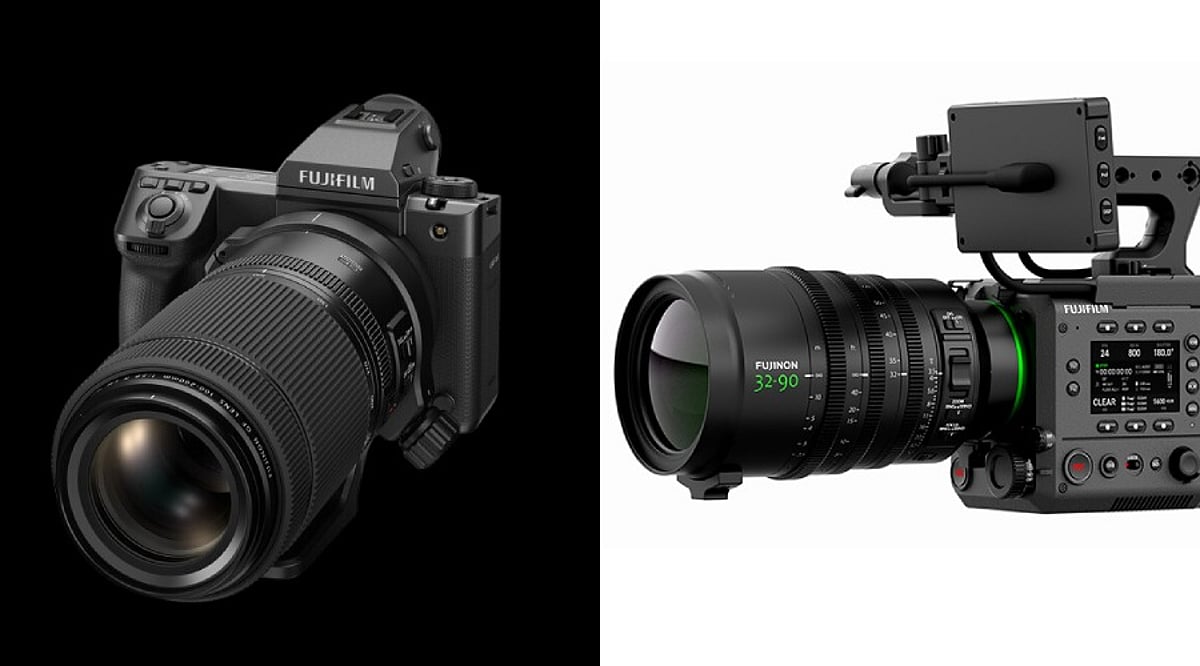
    Fujifilm offers two distinct camera systems tailored to different photographic needs. The X Series, with its APS-C sensor, prioritizes speed, portability, and value. The GFX Series, featuring a much larger sensor, delivers exceptional image quality for professional applications. Both share Fujifilm’s renowned color science, film simulations, and robust build, but they serve different shooting styles. Your choice ultimately depends on the type of photography you pursue, your work environment, budget, and the level of detail required in your images.

    2026 Camera Lineup Overview

    In 2026, the X Series remains Fujifilm’s most extensive family, with models like the X-M5, X-T50, X-T5, X-H2, X-H2S, X100VI, and X-E5. Rumors about an X-T6 persist, but an official announcement hasn’t been made. The GFX lineup now includes the GFX100 II, GFX100S II, GFX100RF, and the GFX ETERNA cinema camera. The GFX100S II stands out with a 102MP sensor, the latest X-Processor 5, up to eight stops of in-body image stabilization, improved autofocus, and burst shooting at 7 frames per second.

    Price Gap Remains Significant

    Price is the most substantial differentiator. In India, the GFX100S II retails around Rs. 5,11,000, while the GFX100RF is similarly priced at Rs. 5,10,999. The flagship GFX100 II typically costs between Rs. 6.5 and Rs. 7.5 lakh. In contrast, most flagship X Series cameras fall between Rs. 1.5 and Rs. 2.5 lakh. This lower entry point leaves room in your budget for additional lenses, memory cards, batteries, and accessories—a practical advantage for many photographers.

    Sensor Size: The Core Difference

    The X Series uses a 23.5 × 15.6 mm APS-C sensor (approx. 366 sq mm), while the GFX Series features a 43.8 × 32.9 mm sensor (approx. 1,441 sq mm)—nearly four times the surface area. This larger sensor enables finer detail, smoother color transitions, richer tonal range, cleaner shadows, and superior dynamic range. Portraits benefit from softer background blur, and landscapes reveal exceptional texture across the frame.

    Resolution and Output Flexibility

    Most X Series cameras offer 26MP or 40MP sensors, whereas the GFX Series starts at 51MP and reaches 102MP in its latest models. A 102MP image measures roughly 11,648 × 8,736 pixels, allowing for extensive cropping without significant quality loss. This resolution is invaluable for commercial studios, advertising agencies, and fine art photographers who demand large prints and detailed editing. For everyday photography, this level of detail is rarely necessary, though professionals often appreciate the added flexibility.

    Performance: X Series Leads in Speed

    The X Series excels in speed. The X-H2S achieves up to 40 frames per second (electronic shutter), and the X-H2 reaches 20 fps. In contrast, the GFX100S II manages 7 fps, and the GFX100 II up to 8 fps. Fujifilm has improved autofocus across the GFX line with subject detection for people, animals, birds, vehicles, insects, and drones. Still, the X Series remains the stronger choice for sports, wildlife, and other fast-moving subjects.

    Lens Ecosystem and Everyday Usability

    The X Mount system offers over forty Fujinon lenses plus numerous third-party options, covering every focal length with compact primes, versatile zooms, and affordable choices. This breadth helps both beginners and professionals build a complete kit without extreme costs. The GF Mount prioritizes absolute image quality; every lens delivers exceptional sharpness and corner performance, even with a 102MP sensor. However, these lenses are more expensive and add considerable weight to your gear bag.

    Choosing Based on Photography Style

    The X Series suits travel, wildlife, sports, weddings, events, street photography, and hybrid photo-video work. Its compact bodies, lighter lenses, and faster operation allow comfortable long shooting sessions. The GFX Series shines in landscape, fashion, commercial advertising, architecture, product photography, studio portraits, and fine art. Large files, excellent dynamic range, and remarkable image quality give professionals greater creative freedom in editing and printing.

    Final Verdict

    For most photographers in 2026, the X Series offers the best balance of image quality, autofocus speed, lighter equipment, lower prices, and a vast lens selection—making it suitable for everyday and demanding professional assignments alike. The GFX Series is the ultimate choice for those who prioritize image quality above all else. Its larger sensor, higher resolution, richer tonal detail, and superior dynamic range produce standout photographs in commercial, studio, landscape, and fine art work. The higher price and bulk are justified only when that extra quality directly enhances your final output.

    Frequently Asked Questions

    1. What is the main difference between Fujifilm X Series and GFX cameras?
    The X Series uses an APS-C sensor, while the GFX Series features a much larger large-format sensor with higher resolution and better image quality.

    2. Which system is better for beginners?
    The X Series is more beginner-friendly, offering lower prices, lighter bodies, and a wide range of affordable lenses.

    3. Is the GFX Series worth the higher price?
    Yes, for those who need exceptional detail, dynamic range, and print quality—especially in commercial, studio, landscape, and fine art photography.

    4. Which system is better for sports and wildlife?
    The X Series delivers faster autofocus and higher burst speeds, making it the preferred choice for fast-moving subjects.

    5. Which system has more lens options?
    The X Mount system offers a much larger selection, including many affordable Fujinon and third-party lenses.
  • 2026 Mirrorless Camera Buying Guide: How to Pick the Perfect Model for Your Needs

    2026 Mirrorless Camera Buying Guide: How to Pick the Perfect Model for Your Needs

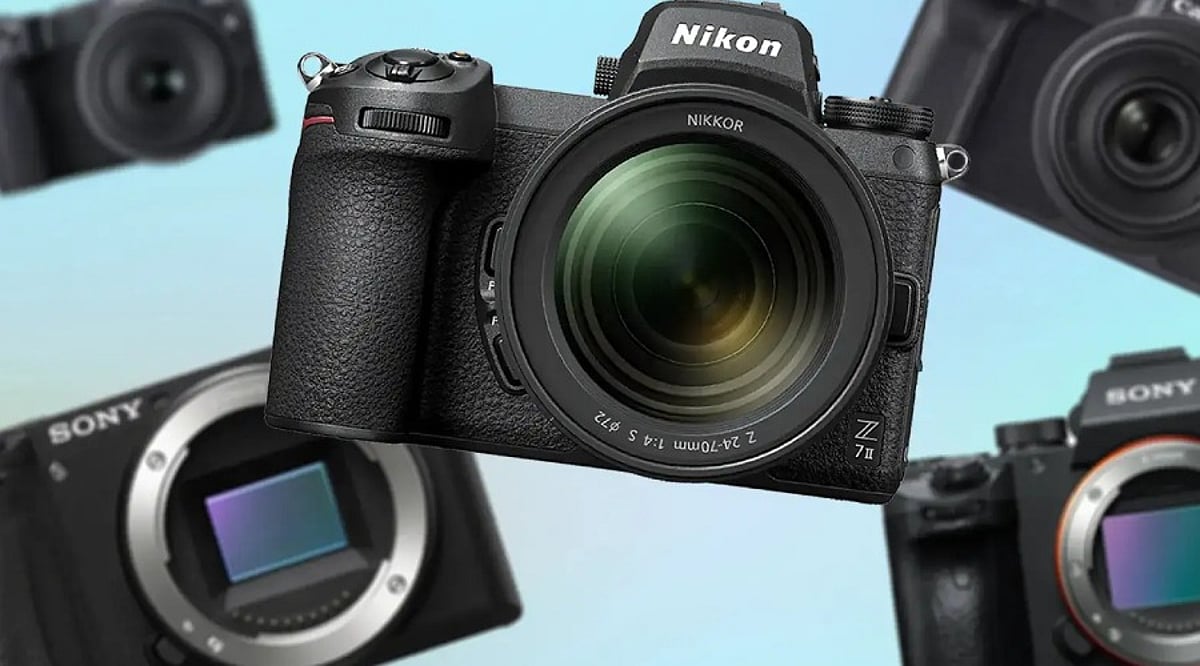
    Mirrorless cameras now dominate the interchangeable-lens market, offering options for every photographer from beginners to professionals. Choosing the right one depends on your budget, shooting style, sensor format, and long-term lens ecosystem. Prioritizing autofocus, stabilization, and practical features helps you invest in a camera system that suits your needs today and grows with you over time.

    Overview

    Mirrorless cameras have become the preferred choice across entry-level, enthusiast, and professional photography, offering systems tailored to different shooting styles and budgets. Sensor size, autofocus performance, in-body stabilization, video capabilities, and lens ecosystem play a greater role in long-term satisfaction than simply choosing the highest resolution. APS-C, full-frame, and Micro Four Thirds systems each offer distinct advantages, making the right choice dependent on portability, performance needs, and future lens investment.

    Choose Your Budget & Use Case

    Entry-level mirrorless camera kits in India typically start around Rs. 40,000 for APS-C kits and climb past Rs. 4 lakh for high-resolution full-frame flagships. Someone upgrading from a phone gains more from reliable autofocus and simple controls than from a high megapixel count. Creators who mix photo and video work usually care more about 4K quality and audio inputs than raw resolution. Working professionals lean toward dual card slots and a rugged build that survives a full day on set. Lens spend adds up fast, often past the cost of the body itself, so the real budget is the system, not the number on the box.

    Select the Right Sensor Format

    Full-frame sensors generally deliver stronger low-light performance and finer control over shallow depth of field, though the trade-off is larger bodies, larger lenses, and higher cost. APS-C brings that down to a size and price that suits beginners and everyday travel. Micro Four Thirds goes further still, trading some low-light headroom for one of the most compact interchangeable-lens systems, built around portability and video. Resolution should match output: large prints or heavy cropping justify higher megapixel counts, while web and social content rarely need more than 24 megapixels.

    Compare Autofocus & IBIS and Speed

    Modern autofocus systems use AI-assisted subject detection to track eyes, faces, animals, and vehicles, which raises keeper rates far more than a small resolution bump ever will. For portrait, wildlife, and sports work, autofocus reliability often decides how many usable frames come out of a session, more than any jump in resolution. Continuous shooting speed matters for sports and wildlife, where mid-range bodies offer 10 to 20 frames per second, and flagships go higher. In-body stabilization helps handheld low-light shots and video, though some entry bodies skip it and rely on stabilized lenses instead.

    Check Video Features

    Occasional video needs little beyond standard 4K recording. Serious content creation calls for higher frame rates, 10-bit recording, and log profiles, since these give editors far more room to grade footage without banding or loss of detail. Full-size HDMI ports, mic and headphone jacks, and an articulating screen matter more in daily use than an extra spec on a sheet.

    Also Read: Top 10 Sustainable Camera Brands Leading the Industry in 2026

    Evaluate the Lens Ecosystem

    A camera mount determines lens choices for years, so it is worth checking how many native and third-party lenses exist for that mount before buying. Strong third-party support tends to lower long-term system costs while widening creative options. Switching systems later means replacing lenses, not just a body, which gets expensive fast. Handling a shortlisted camera in person, where possible, reveals grip comfort and menu logic that specifications alone cannot show.

    Also Read: XR Buying Guide 2026: How to Choose the Right VR and AR Headset

    Final Thoughts

    The best mirrorless camera is rarely the one with the longest specification sheet. It is the one whose sensor, autofocus, handling, and lens ecosystem keep suiting the way a person shoots long after the excitement of launch day has passed.

    FAQs

    1. What is the best mirrorless camera for beginners in 2026? An entry-level APS-C mirrorless camera with reliable autofocus, intuitive controls, and a good kit lens is ideal for beginners. It offers excellent image quality without the higher cost of professional systems.
    2. Should I choose a full-frame or APS-C mirrorless camera? Full-frame cameras provide better low-light performance and shallower depth of field, while APS-C models are more affordable, compact, and suitable for most photography and content creation needs.
    3. Is IBIS important when buying a mirrorless camera? IBIS (In-Body Image Stabilization) helps reduce camera shake during handheld photography and video. While beneficial, it is not essential if your lenses include optical stabilization or you mainly shoot in good lighting.
    4. How much should I budget for a mirrorless camera system? Your budget should cover more than just the camera body. Include lenses, memory cards, extra batteries, a camera bag, and other accessories to build a complete and practical photography kit.
    5. Is it better to buy a new 2026 mirrorless camera or an older model? Previous-generation mirrorless cameras often deliver excellent performance at lower prices. If they meet your photography needs and support the same lens ecosystem, they can offer outstanding value.
  • 9 Top DSLR Cameras Under ₹70,000 for Professional-Grade Photography

    9 Top DSLR Cameras Under ₹70,000 for Professional-Grade Photography

    Looking for a DSLR camera that delivers professional-quality photos without breaking the bank? Under ₹70,000, there are excellent options from Canon and Nikon that offer high-resolution sensors, advanced autofocus, and rugged build quality. Whether you’re a beginner stepping up from a smartphone or an enthusiast seeking a capable secondary body, these nine cameras provide outstanding value for money. Here’s our curated list of the best DSLRs available in this price range.

    • Canon EOS 200D II – Excellent image quality, Dual Pixel autofocus, compact design, and beginner-friendly controls for versatile photography.
    • Nikon D5600 – Impressive image quality, touchscreen interface, wireless connectivity, and reliable autofocus performance across shooting conditions.
    • Canon EOS 850D – Advanced autofocus capabilities, strong image processing, and versatile shooting modes for aspiring photographers.
    • Nikon D7500 – Professional-grade performance, fast continuous shooting, durable construction, and exceptional low-light image quality.
    • Canon EOS 77D – Responsive performance, intuitive controls, excellent image quality, and advanced features for enthusiast photographers.
    • Nikon D7200 – Durable weather-sealed construction, strong autofocus performance, excellent dynamic range, and reliable professional capabilities.
    • Canon EOS 800D – Fast autofocus, impressive image quality, beginner-friendly operation, and versatile shooting features for creative users.
    • Nikon D5500 – Lightweight design, touchscreen controls, excellent battery life, and detailed image output for photography enthusiasts.
    • Canon EOS 1500D – Reliable performance, easy operation, solid image quality, and excellent value for entry-level photographers.

    All these cameras are capable of producing stunning results in various scenarios, from portraits and landscapes to action shots. Consider your specific needs—such as video capabilities, lens ecosystem, or ergonomics—before making a final decision. With any of these models, you’ll have a powerful tool to elevate your photography.