Tag: photography

  • Apple iPhone 18 Pro Camera: Manual Controls for Aperture, Shutter Speed, and Zoom

    Apple iPhone 18 Pro Camera: Manual Controls for Aperture, Shutter Speed, and Zoom

    Introduction

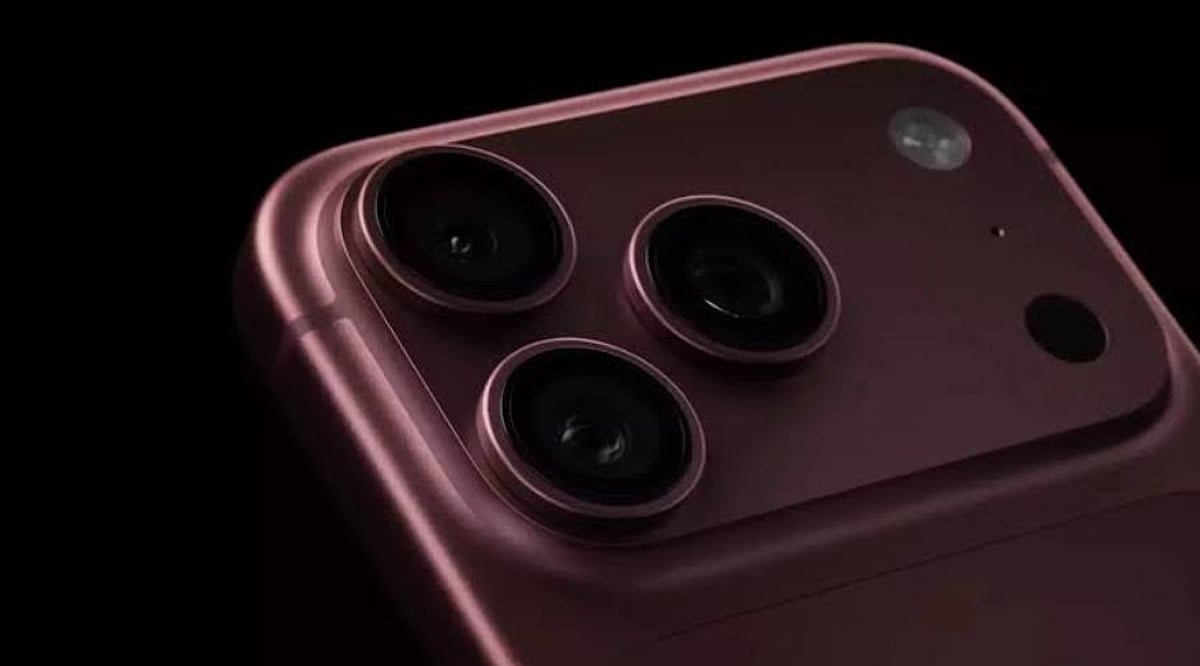
    Apple’s iPhone 18 Pro puts the power of professional photography in your hands. Instead of relying solely on auto mode, you can now manually adjust aperture, shutter speed, and zoom to capture exactly the shot you envision.

    Aperture Control for Perfect Lighting

    Aperture determines how much light enters the camera. In low-light situations, a wider aperture brightens the image, while a narrower aperture keeps more of the scene in focus—ideal for group shots or expansive landscapes.

    Shutter Speed for Creative Motion Effects

    Slowing down the shutter speed allows you to capture motion creatively. Car light trails, silky waterfalls, or blurred movement become possible. For best results, use a tripod or rest the phone on a stable surface.

    4x Telephoto Zoom for Closer Shots

    The telephoto lens offers up to 4x optical zoom, letting you get closer to your subject without moving. This is particularly useful for portraits or distant scenes where you want to maintain a natural perspective.

    Night Photography and Starburst Effects

    At night, bright lights like streetlamps can be transformed into sharp, spiky bursts. With the right settings, your night photos gain a dramatic flair that elevates them above typical smartphone snaps.

    Additional Professional Features

    The iPhone 18 Pro also includes optical image stabilization, ProRAW support, and up to 16x optical zoom. These features give you the flexibility to shoot in challenging conditions without sacrificing image quality.

    Conclusion: A Creative Tool, Not Just a Camera

    The iPhone 18 Pro moves beyond simple point-and-shoot functionality. It offers real creative control, allowing you to decide how light, motion, and distance shape your photos. Whether you’re a casual shooter or an enthusiast, these tools help you achieve the image you have in mind.

  • Godox C100 Review: A Pocket Camera with Transparent LCD and Light Meter

    Godox C100 Review: A Pocket Camera with Transparent LCD and Light Meter

    Introduction

    The Godox C100 is a pocket-sized camera that stands out for its transparent LCD monitor, allowing photographers to see shooting information while looking through the camera. Weighing only 65 grams, it is highly portable and even doubles as a light meter. However, does its novelty justify the price tag? In this review, we explore its features, performance, and overall value.

    Key Specifications

    Specification Details
    Weight 65 grams
    Monitor 3-inch transparent LCD
    Image Resolution 2.1 MP
    Video Resolution 1080p
    Special Feature Light meter function

    Pros and Cons

    Pros

    • Unique transparent LCD screen for a different shooting experience
    • Lightweight and pocket-friendly design
    • Built-in light meter adds utility
    • Fun and quirky for experimental photography

    Cons

    • Low 2.1 MP image resolution
    • Poor color reproduction and highlight handling
    • Noticeable noise in images
    • Inconsistent exposure results
    • No framing options due to transparent screen
    • 1080p video quality is below average
    • Expensive for the performance offered

    Performance and Image Quality

    The Godox C100 captures 2.1 MP stills and 1080p video, but the quality is disappointing. Color reproduction is inaccurate, highlights are often blown out, and noise is prevalent even in good lighting. The transparent LCD, while innovative, makes framing difficult, and the exposure system is unreliable. The camera functions as a light meter, which is a nice addition, but it doesn’t compensate for the overall image shortcomings.

    Final Verdict

    The Godox C100 is undoubtedly a unique piece of equipment that prioritizes novelty over practicality. Its transparent screen and metering capabilities set it apart from typical cameras, but the low resolution, exposure issues, and lack of framing options limit its usefulness. For photographers seeking a retro-styled gadget or a conversation starter, it might be worth considering. However, for anyone looking for a reliable daily-use camera, the Godox C100 falls short. Given its high price, it is hard to recommend unless you specifically value its unusual design.

  • 2026’s Top Camera Lens Brands: A Photographer’s Guide to Choosing the Best

    2026’s Top Camera Lens Brands: A Photographer’s Guide to Choosing the Best

    A camera body captures a photo, but the lens defines the final result. Sharp details, rich colors, smooth background blur, and fast autofocus all depend on lens quality. A reliable lens also retains value across camera upgrades. In 2026, several brands dominate the industry with advanced optics, robust performance, and diverse options for beginners, enthusiasts, and professionals. The following list highlights the leading manufacturers based on innovation, optical excellence, compatibility, and market reputation.

    1. Canon

    Canon retains the top spot with the largest lens ecosystem, featuring over 120 RF and EF lenses covering every genre from portraiture to wildlife. The premium L-series remains a professional favorite for its sharpness, weather sealing, and dependable autofocus. Canon holds about 46.5% of the interchangeable camera market in Japan, reflecting the strength of its body and lens lineup. New RF lenses continue to push optical boundaries while remaining fully compatible with modern mirrorless cameras.

    2. Sony

    Sony is a powerhouse in mirrorless photography, offering more than 100 full-frame FE lenses, including G Master, compact primes, and versatile zooms. G Master lenses deliver corner-to-corner sharpness with minimal distortion. Sony’s imaging business reported steady growth in 2026, driven by strong demand for its cameras and lenses worldwide.

    3. Nikon

    Nikon continues to impress with its Z-mount lens line, now exceeding 50 native options. The S-Line series earns consistent praise for sharpness, vivid colors, and exceptional build quality. Nikon expands its lineup each year with new telephoto, portrait, and travel lenses, appealing especially to nature and landscape photographers who value clean, consistent image quality across the frame.

    4. Sigma

    Sigma is the leading independent lens manufacturer, designing optics for Sony E, Leica L, Canon RF, Fujifilm X, Nikon Z, and multiple DSLR mounts. The renowned Art series offers premium image quality at lower prices than many first-party alternatives. Sigma continues to expand its mirrorless lineup with modern autofocus lenses that match the latest camera technology.

    5. Tamron

    Tamron controls roughly 60% of the global third-party interchangeable lens market, a testament to its high-quality, competitively priced products. In 2026, Tamron plans to release over 10 new lenses—nearly double its annual pace from a few years ago. Support for Canon RF, Sony E, and Nikon Z mounts is growing, and travel photographers particularly appreciate Tamron’s lightweight yet sharp zoom designs.

    6. Fujifilm

    Fujifilm remains the premier APS-C brand, offering over 45 XF lenses and GF lenses for medium format. Most Fujifilm lenses are compact without sacrificing image quality. The brand is known for rich colors and sharp output, making it a favorite among street, portrait, and travel photographers.

    7. Leica

    Leica represents the pinnacle of craftsmanship and optical precision. Its M and SL lenses deliver unique rendering, rich colors, and remarkable sharpness. Although prices are higher than most competitors, Leica attracts professionals, collectors, and enthusiasts who value luxury equipment with lasting investment potential.

    8. Panasonic Lumix

    Panasonic Lumix has gained popularity among hybrid shooters who produce both photos and videos. Through the L-Mount Alliance with Leica and Sigma, users access a wide lens portfolio. Lumix lenses feature fast autofocus, solid build quality, and excellent video performance, with reliable stabilization and versatile zoom ranges.

    9. OM System

    OM System focuses on compact, weather-sealed Micro Four Thirds lenses ideal for wildlife, bird, and travel photography. Telephoto lenses are significantly lighter than full-frame equivalents, while robust weatherproofing makes them suitable for harsh outdoor conditions. This balance of portability and durability appeals to field photographers.

    10. Zeiss

    Zeiss is renowned for optical excellence, offering high-end manual-focus lenses such as the Otus, Batis, and Loxia series. Known for exceptional sharpness, high contrast, and color accuracy, Zeiss lenses are a top choice for commercial, landscape, and fine art photography. Though its audience is niche, Zeiss continues to demonstrate unwavering optical commitment.

    Why This Matters

    The lens you choose directly impacts image quality, creative flexibility, and long-term investment. Each brand offers distinct strengths suited to different shooting styles and budgets. Understanding the leading manufacturers in 2026 helps photographers make informed decisions and invest in gear that delivers outstanding performance and value.

    Final Thoughts

    The global camera lens market is projected to reach about US$10.6 billion in 2026, with industry shipments of roughly 10.56 million interchangeable lenses in 2025. Canon leads with its massive ecosystem and strong market share; Sony dominates mirrorless; Nikon offers premium optics; Sigma provides exceptional value; and Tamron controls the third-party segment. Fujifilm, Leica, Panasonic Lumix, OM System, and Zeiss each bring unique strengths. Every brand on this list continues to shape modern photography through innovation, reliability, and outstanding image quality.

    Frequently Asked Questions

    1. Which camera lens brand is the best in 2026? Canon ranks first thanks to its extensive RF lens lineup, exceptional image quality, and strong professional reputation.
    2. Which brand offers the best value for money? Sigma and Tamron provide excellent optical performance at competitive prices, making them top value choices.
    3. Are third-party lenses reliable? Yes. Brands like Sigma and Tamron produce high-quality autofocus lenses compatible with major camera systems.
    4. Which lens brand is best for mirrorless cameras? Sony, Canon, Nikon, Fujifilm, and Panasonic Lumix all offer outstanding mirrorless lens ecosystems.
    5. Which lens brand is ideal for travel photography? Tamron, Fujifilm, and OM System are excellent choices because they offer lightweight, compact, and versatile lenses.

  • Score Up to 44% Off on Top DSLR and Mirrorless Cameras from Canon, Sony, and Nikon This Weekend

    Score Up to 44% Off on Top DSLR and Mirrorless Cameras from Canon, Sony, and Nikon This Weekend

    Flipkart’s weekend sale brings massive discounts on DSLR and mirrorless cameras from Canon, Sony, and Nikon, with some models seeing up to 44% off. Whether you’re a beginner, enthusiast, or content creator, this lineup offers a camera for every need. Below, we compare five standout models by pricing, sensor, autofocus, video capabilities, warranty, and overall value to help you make an informed choice.

    Overview

    Canon, Sony, and Nikon cameras offer a mix of DSLR and mirrorless options tailored for beginners, enthusiasts, and content creators. Key features include APS-C sensors, advanced autofocus systems, 4K video recording, lens kit bundles, and brand warranty coverage across various price segments. Each camera caters to distinct photography needs, from everyday shooting and vlogging to wildlife, travel, and professional-quality imaging.

    Flipkart’s weekend camera sale carries major price cuts, with some listings running close to 44% off the original price. The five models below are drawn from live Flipkart listings and cross-checked against multiple sources. Keep in mind that camera pricing on sale windows shifts often, so always confirm the current price at checkout before adding to your cart.

    This Weekend’s Deal Highlights

    Entry-level mirrorless bodies from Canon carry some of the steepest cuts this week. Sony’s APS-C mirrorless range is discounted with lens kits bundled at no added cost on select listings. Nikon’s DSLR and mirrorless lines both appear in the sale, spanning a rugged DSLR body and a compact mirrorless option. All five models carry standard brand warranty coverage, extendable on select listings through Flipkart’s own protection plans.

    Canon EOS R50

    The R50 runs a 24.2 MP APS-C CMOS sensor paired with Canon’s DIGIC X processor, delivering 4K video up to 30 fps alongside Dual Pixel CMOS autofocus. The listed price sits near ₹76,000, with current sale pricing running between ₹61,000 and ₹65,000 depending on the seller and lens kit bundled in. The lightweight body and beginner-friendly controls make this a common upgrade pick for anyone moving off an entry-level DSLR, and the 4K video output holds up well for social content and casual filmmaking.

    Canon EOS R100

    The R100 sits below the R50 in Canon’s mirrorless range and shares the same sensor generation in a simpler, lighter body aimed at first-time buyers. Pricing on this model is lower than the R50 across most listings this week, but the exact discount varies by seller and bundle. The trade-off against the R50 comes down to fewer physical controls and a lighter feature set, which suits buyers who want a straightforward point-and-shoot mirrorless experience.

    Sony Alpha ILCE-6600

    The ILCE-6600 runs a 24.2 MP Exmor CMOS sensor with Sony’s BIONZ X processor and a Fast Hybrid autofocus system built on 425 phase-detection points, including real-time Eye AF. This puts it a step above the entry-level bodies, aimed at enthusiast and hybrid shooters who need faster, more reliable subject tracking. The autofocus system stands out against the Canon entries, and this model is positioned by sellers as suitable for semi-professional use.

    Nikon Z30

    The Z30 is a compact APS-C mirrorless body built around content creation. It features 4K UHD video, eye-detection and animal-detection autofocus, and a vari-angle screen aimed at vloggers and casual videographers. It ships in this sale with the 16-50mm and 50-250mm lens kit bundled on several listings, adding reach without a separate lens purchase. This is the pick built specifically around video and content work rather than traditional photography.

    Nikon D7500

    The D7500 is Nikon’s rugged DSLR entry on this list, built for buyers who prefer an optical viewfinder and longer battery life over the mirrorless bodies. It trades the compact size and faster autofocus of the mirrorless entries for sturdier handling and image quality that holds up in low light. This model fits photographers upgrading from an older DSLR body who want to stay within the same system rather than switch to mirrorless.

    Comparing the Five

    Model Sensor Autofocus Video Warranty Best For
    Canon EOS R50 24.2 MP APS-C CMOS Dual Pixel CMOS 4K 30fps Standard Brand Best Overall
    Canon EOS R100 24.2 MP APS-C CMOS Basic 4K Standard Brand Best Budget
    Sony Alpha ILCE-6600 24.2 MP Exmor CMOS 425-point Fast Hybrid 4K Standard Brand Best Autofocus
    Nikon Z30 APS-C CMOS Eye/Animal Detection 4K UHD Standard Brand Best for Video
    Nikon D7500 APS-C CMOS 51-point 4K Standard Brand DSLR Loyalists

    Quick Verdict

    • Best Overall: Canon EOS R50
    • Best Budget: Canon EOS R100
    • Best Autofocus: Sony Alpha ILCE-6600
    • Best for Video and Content Creation: Nikon Z30
    • Best for DSLR Loyalists: Nikon D7500

    Final Thoughts

    Camera prices on this sale window will keep moving through the weekend, and the exact discount on any single model can shift between listings on the same day. Checking the sensor, autofocus system, and lens bundle against your actual shooting needs before focusing on the discount percentage helps you choose a camera that will remain useful for years instead of one you quickly outgrow.

    FAQs

    1. Which camera offers the best value in the Flipkart weekend sale?

    The Canon EOS R50 stands out for its balance of image quality, autofocus performance, and 4K video features at a discounted price.

    2. Is a mirrorless camera better than a DSLR for beginners?

    Mirrorless cameras are generally lighter, offer faster autofocus, and are easier to use for photography and video, making them a popular choice for beginners.

    3. Which camera is best for vlogging and content creation?

    The Nikon Z30 is designed with content creators in mind, featuring 4K video recording, a vari-angle screen, and advanced eye-detection autofocus.

    4. Do Flipkart camera deals include lenses?

    Some listings include lens kits, while others are body-only. Always check the product page to confirm what is included before purchasing.

    5. How can I get the best price during the Flipkart weekend sale?

    Compare multiple sellers, look for bank and exchange offers, verify the warranty, and confirm the final checkout price before placing your order.

  • Top AI-Powered Innovations Transforming Smartphone Photography

    Top AI-Powered Innovations Transforming Smartphone Photography

    Artificial intelligence is rapidly reshaping the way we capture and edit photos on smartphones. From automatic scene adjustments to advanced generative editing, the latest AI features make it easier than ever to take professional-quality images without manual effort. Here are the key AI capabilities that are making smartphone cameras smarter.

    AI Scene Recognition

    Modern smartphones automatically identify landscapes, food, pets, documents, and portraits. The AI then adjusts exposure, colors, contrast, and white balance in real time, ensuring every shot looks its best with zero user input.

    Computational Photography

    By combining multiple frames into a single image, computational photography dramatically improves sharpness, dynamic range, and low-light performance. This technique eliminates the need for manual camera adjustments and consistently delivers detailed, balanced photos.

    Night Mode AI

    Intelligent image stacking and noise reduction allow smartphones to brighten dark scenes while preserving natural colors and fine details. Night mode AI makes low-light photography accessible and impressive, even for casual users.

    AI Portrait Mode

    Using advanced subject separation, portrait mode creates realistic depth effects with adjustable blur. The result is studio-quality portraiture that highlights the subject while smoothly blurring the background.

    Object Eraser

    Generative AI powers object eraser tools that remove unwanted people, reflections, wires, or other distractions. The surrounding background is naturally reconstructed, making the edit nearly invisible.

    AI Image Upscaling

    When enlarging photos, AI upscaling intelligently enhances resolution and restores details without introducing artificial sharpness or artifacts. This feature breathes new life into older or lower-resolution images.

    Smart HDR Processing

    Smart HDR uses AI to balance bright highlights and dark shadows, ensuring every part of the image retains realistic detail and vibrant colors. It works seamlessly in high-contrast scenes.

    Real-Time Video Enhancement

    During video recording, AI improves stabilization, lighting, autofocus, and exposure. The result is smoother, sharper, and more professional-looking footage, even in challenging conditions.

    Generative AI Editing

    Advanced editing tools now expand image backgrounds, fill missing areas, and perform complex edits using AI-generated content. These features maintain visual consistency and realism, offering creative possibilities previously reserved for desktop software.

    These AI-driven innovations are making smartphone cameras more capable than ever, putting powerful photography tools in everyone’s pocket. As AI continues to evolve, we can expect even smarter and more intuitive camera experiences.

  • AI-Powered Cameras: The Future of Perfect Photography

    AI-Powered Cameras: The Future of Perfect Photography

    AI-powered cameras are transforming the way we capture images, leveraging deep learning to instantly adjust focus, lighting, and colors. This technology makes professional-quality photography easier than ever, even for amateurs.

    Smart AI tracks faces, eyes, animals, and moving objects in real time, ensuring every shot is sharp—whether you’re shooting sports, travel, or wildlife. The camera automatically improves exposure, HDR, white balance, and low-light performance, helping users capture brighter, clearer photos without manual adjustments.

    Modern AI cameras offer cinematic background blur, powerful zoom, image stabilization, and one-tap editing for stunning photos and smooth videos. From smartphones to mirrorless and action cameras, AI now powers autofocus, scene detection, stabilization, and faster editing for every creator.

    However, AI makes photography faster but isn’t perfect. Overprocessed images, higher battery consumption, privacy concerns, and expensive devices remain key trade-offs to consider.

  • Top CompactFlash Memory Cards to Buy in 2026: Reliable Picks for Photographers

    Top CompactFlash Memory Cards to Buy in 2026: Reliable Picks for Photographers

    CompactFlash (CF) cards continue to be a staple for professional and enthusiast photographers who rely on legacy DSLR systems or high-end cameras that still use this durable storage format. In 2026, the market offers a range of options balancing speed, reliability, and value. Below are the best CompactFlash cards to consider for your photography needs.

    SanDisk Extreme Pro CF

    This card delivers outstanding read and write speeds, exceptional reliability, and rugged durability. It is ideal for professional DSLR photographers who shoot high-resolution RAW images continuously without interruption.

    SanDisk Extreme CF

    An excellent balance between affordability, dependable performance, and durable construction makes this card a great choice for enthusiasts and semi-professional camera operators using older cameras that support CompactFlash.

    Lexar Professional 1066x

    Fast data transfers and stable recording performance, combined with broad camera compatibility, support demanding workflows involving continuous burst photography and Full HD video capture.

    Transcend 800x CF

    This card offers reliable storage, consistent transfer speeds, and affordable pricing. It is well-suited for photographers upgrading older DSLR systems without overspending.

    Kingston CompactFlash Elite Pro

    Dependable performance, rugged construction, and stable recording capabilities ensure reliable storage for professional photography and long shooting sessions outdoors.

    Delkin Devices CF Card

    Built for demanding environments, this card provides strong durability, consistent write speeds, and dependable performance for professionals working in challenging outdoor conditions.

    Wise Advanced CompactFlash

    Reliable high-speed performance supports continuous shooting, efficient file transfers, and dependable recording for commercial photography and creative production workflows.

    Verbatim CompactFlash

    A cost-effective storage solution that offers dependable compatibility and everyday reliability for hobbyists using older DSLR cameras that require CompactFlash media.

    PNY CompactFlash Card

    This affordable memory card provides reliable storage, stable data transfers, and broad compatibility for photographers seeking dependable backup recording without a premium price tag.

    Whether you are a professional needing maximum speed or a hobbyist looking for a budget-friendly upgrade, these CompactFlash cards offer proven performance for your camera in 2026.

  • Top SanDisk SD Cards for 2026: Fast and Dependable Storage Options

    Top SanDisk SD Cards for 2026: Fast and Dependable Storage Options

    SanDisk continues to lead the memory card market with a wide range of SD and microSD cards tailored for different use cases. Whether you’re a professional photographer shooting in 4K, a drone enthusiast, or a casual user looking for reliable storage, there’s a SanDisk card for you. Here are the best options available in 2026.

    SanDisk Extreme PRO SDXC UHS-I

    Ideal for photographers who need fast burst shooting and smooth 4K video recording, this card delivers top-tier read and write speeds. It’s a go-to choice for demanding workflows.

    SanDisk Extreme SDXC

    This card strikes a balance between speed, reliability, and affordability. It’s a solid mid-range option for everyday content creators who need dependable performance without breaking the bank.

    SanDisk Ultra SDXC

    A budget-friendly alternative for casual photographers and Full HD video recording. It offers ample storage and decent speeds for non-professional use.

    SanDisk Extreme PRO microSDXC

    Perfect for drones, action cameras, and mobile gaming devices. This microSD card brings the same high-speed performance of its full-size counterpart in a compact form factor.

    SanDisk High Endurance microSD

    Designed specifically for security cameras and dash cams that require continuous recording. It withstands heavy write cycles and harsh conditions.

    SanDisk MAX Endurance

    Built for long-term, demanding recording environments, this card offers exceptional durability and longevity, making it ideal for surveillance systems.

    SanDisk Extreme PLUS

    Offering some of the fastest read and write speeds in the lineup, the Extreme PLUS is aimed at advanced users who need maximum performance for high-resolution content.

    SanDisk Nintendo Switch microSD

    Officially licensed for Nintendo Switch, this card is optimized for storing games, updates, and downloadable content. It ensures quick load times and seamless gameplay.

    From professional photography to everyday storage, SanDisk’s 2026 lineup covers every need with speed and reliability.