
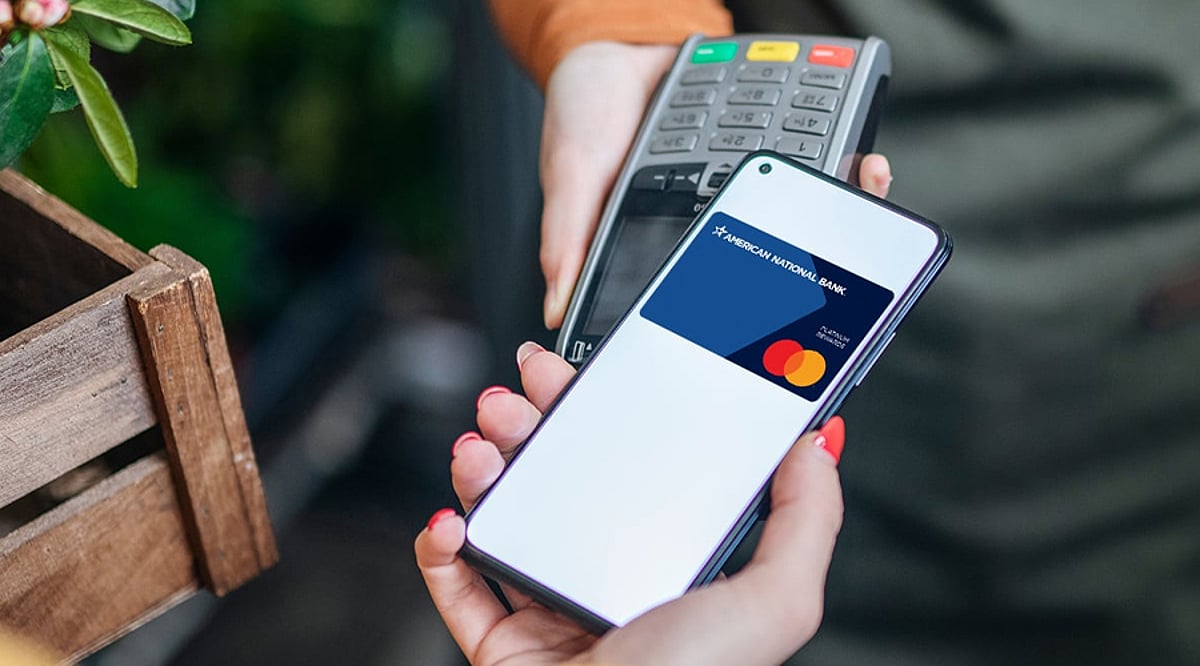
Digital wallets are increasingly replacing physical cards for everyday payments, offering a range of security benefits that go beyond traditional methods. Here are seven key security advantages of using digital wallets over physical cards.
1. Biometric Authentication Adds a Layer of Protection
Digital wallets require authentication—such as Face ID, Touch ID, or a device passcode—before any payment can be made. This prevents unauthorized transactions even if someone gains access to your phone. For example, Apple Wallet mandates device authentication before using stored payment cards, providing an extra shield that many physical card transactions lack.
2. Tokenization Protects Your Card Details
Instead of sharing your actual card number with merchants, digital wallets use tokenization. A unique payment credential represents your card, and transactions include additional security codes. This makes stolen payment information far less valuable to attackers than an exposed physical card number, reducing the impact of potential data breaches.
3. Reduced Risk of Card Skimming
Digital wallets minimize exposure to traditional card skimming because you don’t need to insert a physical card into a payment terminal. Skimmers are designed to capture card data from physical transactions. Digital payments rely on tokenized credentials, although users should still be aware that fraudulent terminals can pose separate risks.
4. Lost Phone Protection
Losing your smartphone doesn’t automatically mean losing access to your payment cards. Device authentication prevents unauthorized use, and services like Apple Find My and Google Find My Device can help locate your phone or remotely disable wallet data. These controls give you additional options after a device is lost or stolen.
5. Physical Cards Still Have Security Features
Physical cards aren’t inherently unsafe. Modern chip and contactless payments also use tokenization and transaction-specific security mechanisms. However, physical cards can still be used through less secure magnetic-stripe systems in some situations. Digital wallets add another layer by keeping the physical card away from potentially compromised terminals.
6. Digital Wallets Add Convenience
Digital wallets let you carry payment cards on your smartphone or smartwatch instead of multiple physical cards. They also support payments within apps and online services. This convenience reduces dependence on a physical wallet while allowing you to authenticate transactions using the security controls built into your device.
7. Security Still Depends on the Device
While digital wallets offer strong security, users must still protect their devices. A strong passcode, updated software, and biometric authentication help reduce unauthorized access. Activate device-finding features and respond quickly if your smartphone is lost, stolen, or suspected of being compromised.
Digital wallets provide robust security enhancements over physical cards, but they work best when combined with good device hygiene. By understanding these benefits, you can make informed choices about how to protect your payment information.