
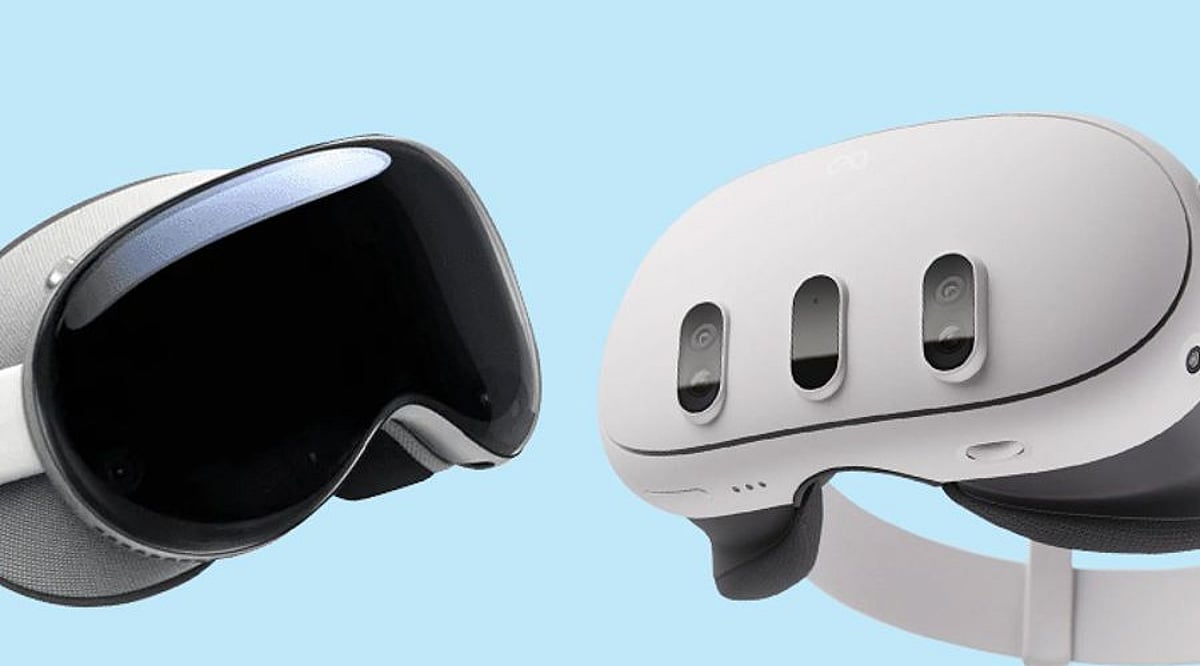
The virtual reality market in 2026 offers an unprecedented range of choices, from all-in-one standalone headsets to high-end PC-tethered systems and premium spatial-computing devices. Whether you are a gamer, a simulation enthusiast, or a productivity-focused user, there is a headset tailored to your needs. Below, we break down five standout VR headsets available this year and what makes each one unique.
1. Meta Quest 3: Versatile All-in-One VR with Mixed Reality
The Meta Quest 3 continues to dominate the standalone VR segment by combining immersive virtual reality with color passthrough mixed reality. Powered by the Snapdragon XR2 Gen 2 platform and featuring pancake lenses, it requires no PC or console to operate. This headset is ideal for users who want a broad library of games and apps without the hassle of wires, while still offering the option to connect to a PC for more demanding experiences.
2. PlayStation VR2: Console Gaming at Its Finest
Designed exclusively for the PlayStation 5, the PS VR2 delivers a console-focused VR experience with stunning OLED displays, integrated eye tracking, and haptic headset feedback. Its advanced Sense controllers provide precise motion tracking and adaptive triggers. This headset is perfect for gamers who already own a PS5 and want access to a curated library of high-quality VR titles.
3. Valve Steam Frame: Wireless PC VR Freedom
Valve’s Steam Frame bridges the gap between standalone and PC VR. It runs on a Snapdragon 8 Gen 3 processor with 16GB of RAM and supports wireless connection to a gaming PC. With built-in eye tracking and standalone functionality, it targets users who want the flexibility of untethered play combined with the power of SteamVR’s extensive library. This is a strong choice for those who value both mobility and high-fidelity PC gaming.
4. Pimax Crystal Light: Visual Fidelity for Simulation Enthusiasts
The Pimax Crystal Light focuses on delivering exceptional image quality for PC VR. It features high-resolution displays, glass aspheric lenses, and a refresh rate of up to 120Hz. A DisplayPort connection ensures minimal compression and maximum detail, making it a top pick for flight and racing simmers, as well as anyone who prioritizes sharp visuals over standalone convenience.
5. Apple Vision Pro: Redefining VR as Spatial Computing
Apple’s Vision Pro takes a different approach by emphasizing spatial computing over gaming. Equipped with dual Micro-OLED displays, Apple silicon, and advanced eye tracking, it enables immersive experiences for productivity, entertainment, and creative work. Spatial video capture and seamless integration with the Apple ecosystem position it as a premium device for users seeking a versatile mixed-reality headset beyond gaming.
Each of these headsets caters to a distinct audience. The Meta Quest 3 is the jack-of-all-trades; the PS VR2 is for console gamers; the Valve Steam Frame offers wireless PC flexibility; the Pimax Crystal Light delivers uncompromised visuals; and the Apple Vision Pro opens the door to spatial computing. Understanding your primary use case — from gaming and simulations to productivity and media consumption — will guide you to the perfect VR headset in 2026.