
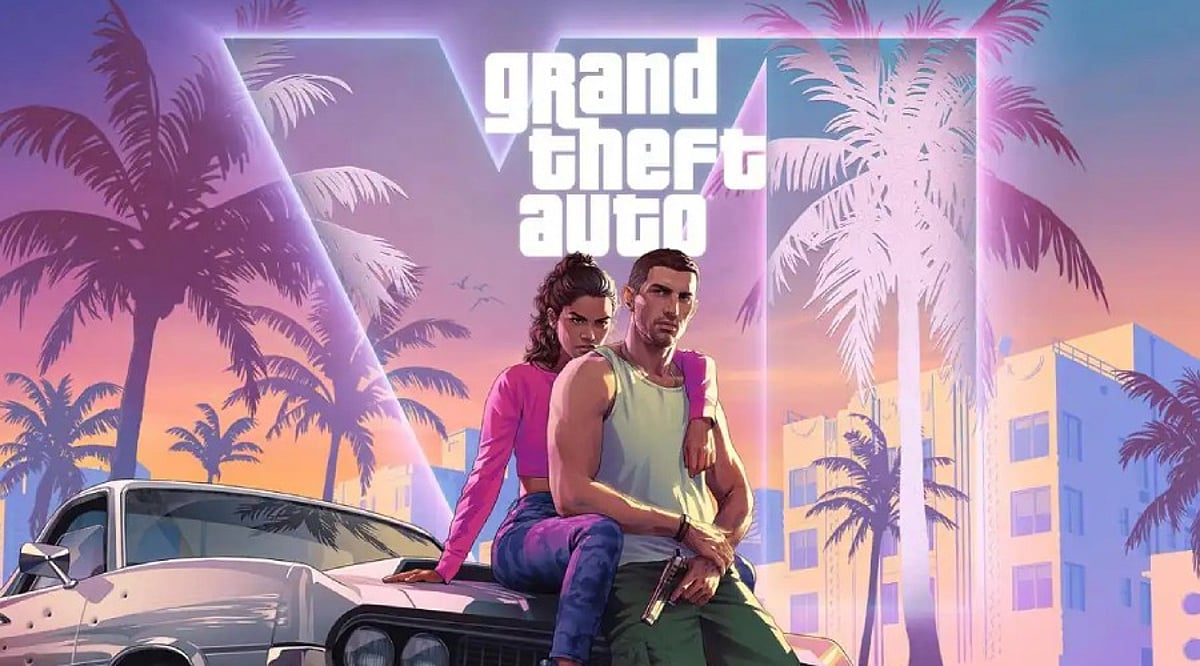
Open-world games have evolved dramatically over the past two decades, moving beyond simple city driving and mission completion toward living, breathing worlds. The next generation of titles, especially those inspired by the upcoming Grand Theft Auto 6, promises to push player freedom and realism to unprecedented levels.
The Evolution of Open-World Games: From Static Cities to Living Worlds
Since the release of GTA 3 in 2001, open-world games have transformed. Early games offered exploration but lacked lifelike cities. NPCs followed repetitive routines, missions had single solutions, and many buildings were inaccessible. Today, players expect dynamic environments that react to their actions—traffic flows naturally, NPCs respond to crimes, and weather affects daily routines.
GTA 6 is poised to be a major leap forward. The game is expected to feature smarter NPCs that remember past events and adapt their behavior based on player choices. Interactive environments will allow entry into many more buildings, encouraging exploration beyond mission objectives. Mission design is also shifting: instead of linear paths, players may tackle objectives using multiple routes, vehicles, or approaches. Stronger character writing and emotional depth will help players connect with the story while maintaining freedom.
Open-World Games Are Already Raising the Standard
Several titles have already demonstrated how far open-world design has come. Red Dead Redemption 2 features towns that feel alive—people remember your actions, animals behave naturally, and conversations vary. Cyberpunk 2077, despite a rocky launch, has evolved into a vibrant Night City with diverse mission completion options. The Witcher 3 offers meaningful choices that impact later events, while Watch Dogs 2 lets players approach missions as a hacker. Kingdom Come: Deliverance prioritizes realistic characters and player decisions over fast-paced action.
These games use improved AI to make everyday activities feel natural. Characters move realistically, traffic behaves like real life, and weather impacts routines. Yet creating such worlds is a massive challenge—even top studios spend years on world-building, voice acting, animations, and bug testing. The trend is shifting from larger maps to more alive, interactive ones.
Why Player Freedom Matters
Player freedom extends a game’s replay value. When choices alter the experience, players explore rather than rush through missions. More natural worlds will shape the future of open-world gaming, giving each player a unique adventure.
The Future of Open-World Gaming Looks More Personal
The next generation of open-world games will be judged by more than graphics. GTA 6 could set a new standard, pushing other studios to follow. We can expect intelligent NPCs, interactive environments, and missions shaped by player choices. Technology will continue to improve, but human creativity—good stories, memorable characters, and meaningful choices—will remain essential. Future GTA-like games have the chance to make open worlds feel more alive than ever before.