Tag: PlayStation

  • Killzone Revival Rumored: Remake in Development at Sony, May Launch Before Horizon 3

    Killzone Revival Rumored: Remake in Development at Sony, May Launch Before Horizon 3

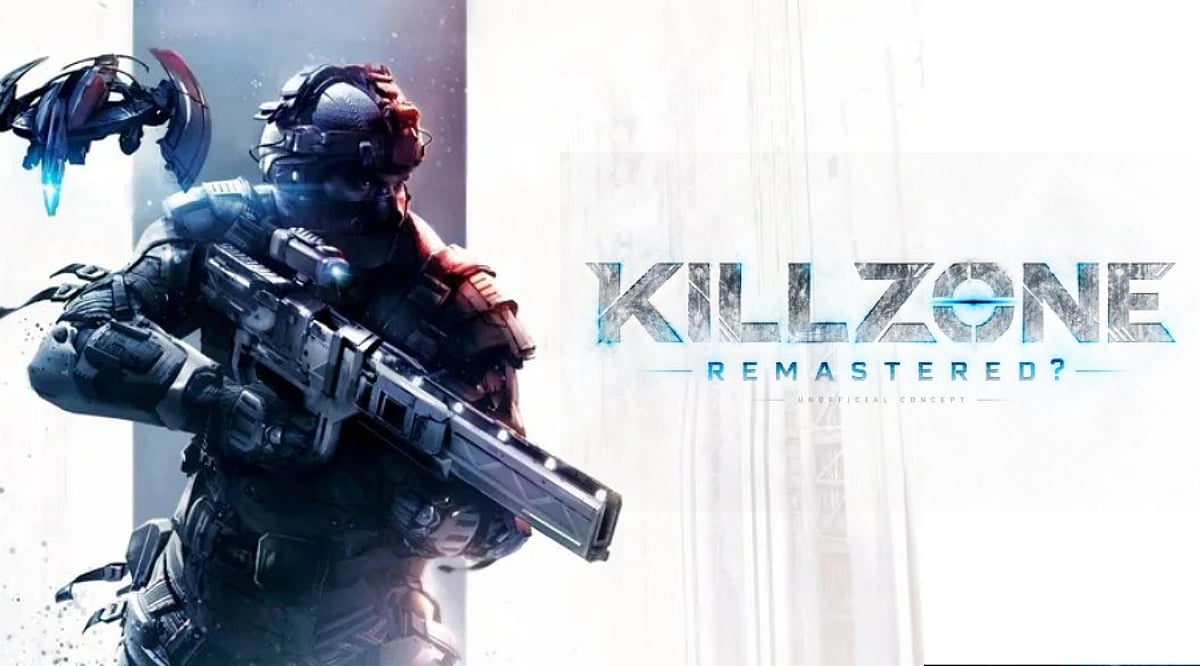
    Sony is reportedly moving forward with a new Killzone project. According to a recent report, Guerrilla Games is collaborating with an external studio to develop a remake or remaster of the classic first-person shooter. The original Killzone debuted on PlayStation 2 in 2004, spawning several sequels before the franchise went dormant after Killzone: Shadow Fall on PS4 in 2013.

    The rumored project is still in early development, so no release window has been set. Neither Sony nor Guerrilla has officially commented, but insiders suggest the new Killzone could arrive before the next mainline Horizon title. Horizon 3 is believed to be years away, with only a small team currently working on it. Guerrilla is also reported to be handling Horizon Hunters Gathering, another project that has undergone changes.

    Polish studio People Can Fly is said to be involved in the Killzone remake, though their specific role remains unclear.

    Bringing Killzone back via a remake would allow Sony to reintroduce the series to modern consoles without building from scratch. The original game sold roughly 2 million copies, and a polished remaster could attract both nostalgic veterans and new players looking for a gritty shooter.

    Killzone Remake vs. Horizon 3

    Based on current rumors, Killzone seems more likely to launch first. While the project is in early stages, it is reportedly further along than Horizon 3. Still, plans can change, and fans should temper expectations until Sony makes an official announcement.

    If the remake is real, it could give Sony a flagship shooter franchise once again. For now, the PlayStation community waits for confirmation.
  • GTA 6 India Launch Time Leaked: Midnight IST Start Confirmed for November 19, 2026

    GTA 6 India Launch Time Leaked: Midnight IST Start Confirmed for November 19, 2026

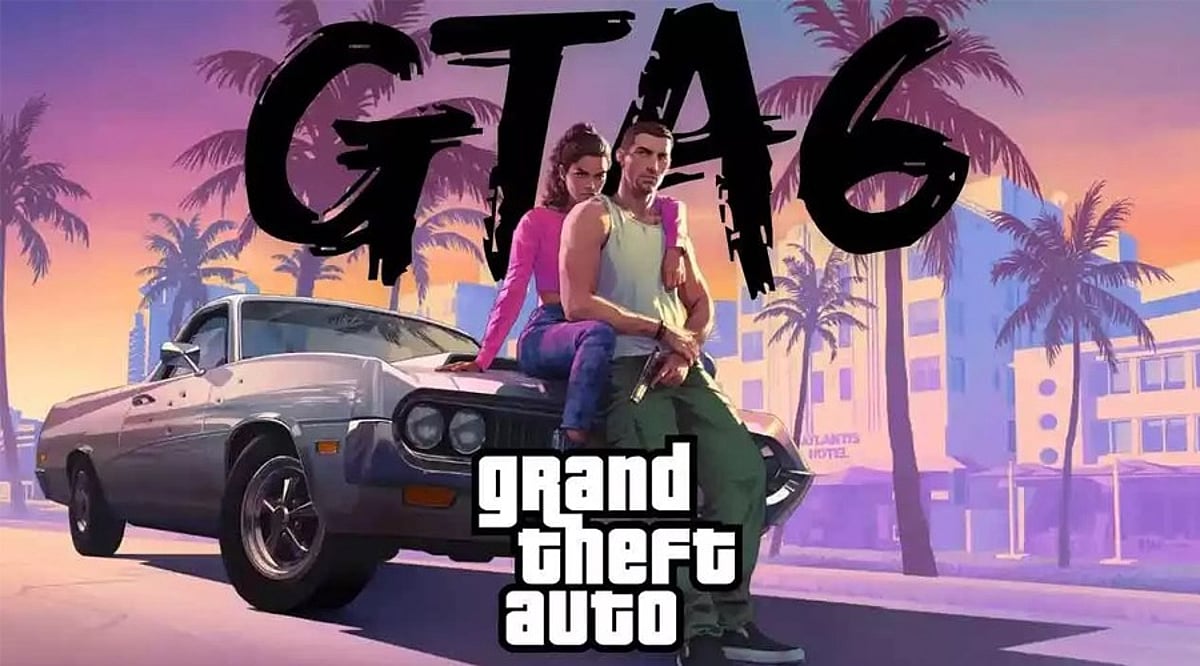
    Grand Theft Auto 6 is scheduled to launch on November 19, 2026, and like previous major releases, players across different regions will gain access at staggered times. Although Rockstar Games has not officially confirmed the rollout plan, a PlayStation Store listing has leaked the developer’s intended midnight launch strategy. If this schedule holds, New Zealand gamers will be the first to enter Vice City, with Indian players gaining access at midnight IST on November 19.

    According to the PlayStation Store listing, New Zealand’s unlock time will be around 11:00 UTC on November 18, while India’s launch falls at 18:30 UTC on November 18. This puts New Zealand approximately seven and a half hours ahead of India. The rollout will then progress across Asia, Europe, and North America as each time zone reaches its own midnight on November 19.

    The staggered release is not a random delay; it is designed so that every region can begin playing at the stroke of midnight on their local launch day. As the clock moves westward, more regions unlock access when their November 19 begins.

    For Indian gamers, Xbox players may have an advantage: they can change their console’s regional settings to access the game earlier, a trick that has worked for previous titles. However, PS5 users do not have this option, as Sony does not allow changing the console region to another time zone. Rockstar has yet to officially confirm the exact launch times, so the schedule could change before release.

    Pricing for GTA 6 in India has also been revealed: the Standard Edition is listed at Rs. 5,999, while the Ultimate Edition costs Rs. 7,499 on the Indian PlayStation Store.

  • The Evolution of Sony’s Logo: From Simple Beginnings to a Global Icon

    The Evolution of Sony’s Logo: From Simple Beginnings to a Global Icon

    Sony’s logo journey began in the 1940s, reflecting the company’s early identity before it became a global electronics leader. The initial design was simple, setting the stage for a brand that would eventually be recognized worldwide.

    Early Brand Identity (1950s)

    In the 1950s, Sony introduced cleaner lettering, helping the company create a professional image as it expanded beyond Japan into international markets. This shift marked a deliberate move toward a more modern and trustworthy appearance.

    The Famous Wordmark (Late 1950s)

    By the late 1950s, Sony adopted its iconic serif wordmark, a timeless design that has been recognized across generations. The bold, classic typeface became synonymous with quality and innovation.

    Focus on Simplicity

    Unlike many brands, Sony kept its logo simple, proving that clean typography can build trust and lasting recognition. The minimalist approach allowed the logo to remain versatile and effective across countless applications.

    Supporting Product Innovation

    The logo appeared on radios, televisions, cameras, and gaming consoles, becoming closely linked with reliable technology and innovation. Each product carried the emblem, reinforcing Sony’s reputation for excellence.

    Global Expansion

    As Sony entered more countries, the familiar logo helped customers instantly identify its products regardless of language or regional differences. The consistent branding became a universal symbol of quality.

    Digital Era Presence

    In the digital age, Sony carried the same logo into websites, apps, entertainment platforms, and digital services. This consistency ensured strong brand recognition across all modern touchpoints.

    Gaming and Entertainment

    The logo became even more famous through PlayStation, movies, music, and cameras, strengthening Sony’s influence across multiple entertainment industries worldwide. The emblem now represents not just electronics but a vast media empire.

    A Timeless Symbol

    Today, Sony’s classic wordmark remains unchanged, demonstrating how simple, consistent branding can achieve worldwide recognition and lasting customer confidence. The logo’s evolution proves that a strong visual identity can endure for decades without losing its impact.

  • Sony Confident Disc-Free PlayStation Future Won’t Hurt Business, Digital Sales Surge to 82%

    Sony Confident Disc-Free PlayStation Future Won’t Hurt Business, Digital Sales Surge to 82%

    Sony has reaffirmed that its plan to discontinue physical disc production for new PlayStation games by 2028 will not negatively impact its gaming business. The company’s confidence stems from the continued rise of digital game sales, which now represent the vast majority of PlayStation software purchases.

    During Sony’s first-quarter FY2026 earnings call, CFO Lin Tao stated that the company has observed no adverse effects since announcing the disc-free transition and does not foresee any in the future. Digital downloads accounted for 82% of full-game software sales on PlayStation consoles in Q1 FY2026, up from 78% for the entire FY2025. This trend validates Sony’s long-term digital-first strategy.

    While production of discs for new titles will end in 2028, Sony confirmed that existing games released on disc before that deadline will continue to be supported, ensuring a gradual transition for players and developers.

    “We are not seeing any impact on our business as of now. Going forward, about the content sales, large part is already digitized. Therefore as a result of the discontinuation of a disc, we don’t see that there will be any negative impact on our business. However, as I already said, the users, the players, have attachments, and we have to think about how to respond to those feedbacks.” — Lin Tao, Sony CFO

    Acknowledging Fan Concerns

    Despite the company’s confidence, the announcement has drawn criticism from gamers, collectors, and industry figures worried about digital ownership, game preservation, and the loss of physical resale options. Tao acknowledged the strong emotional attachment many players have to physical discs and said Sony is considering how to respond to community feedback. However, he emphasized that the broader entertainment industry is rapidly shifting toward digital distribution.

    Sid Shuman, Senior Director of Sony Interactive Entertainment Content Communications, stated in a PlayStation Blog post: “In response to shifting trends in consumer preference, new games will be released on PlayStation Store and at retailers in digital formats only.”

    Competing on Content, Not Discs

    Sony dismissed the notion that physical discs are essential to differentiating PlayStation from PC gaming. The company’s competitive advantage lies in offering curated content, a stable gaming ecosystem, and hardware that remains more affordable than high-end gaming PCs. These strengths, Sony believes, will continue to attract players even as the platform embraces an all-digital future.

    With PlayStation 5 sales surpassing 93 million units and active monthly users growing, Sony remains optimistic that the disc-free transition will support long-term business growth rather than hinder it.

  • PlayStation Fans Launch Boycott After Sony Plans to Phase Out Physical Game Discs by 2028

    PlayStation Fans Launch Boycott After Sony Plans to Phase Out Physical Game Discs by 2028

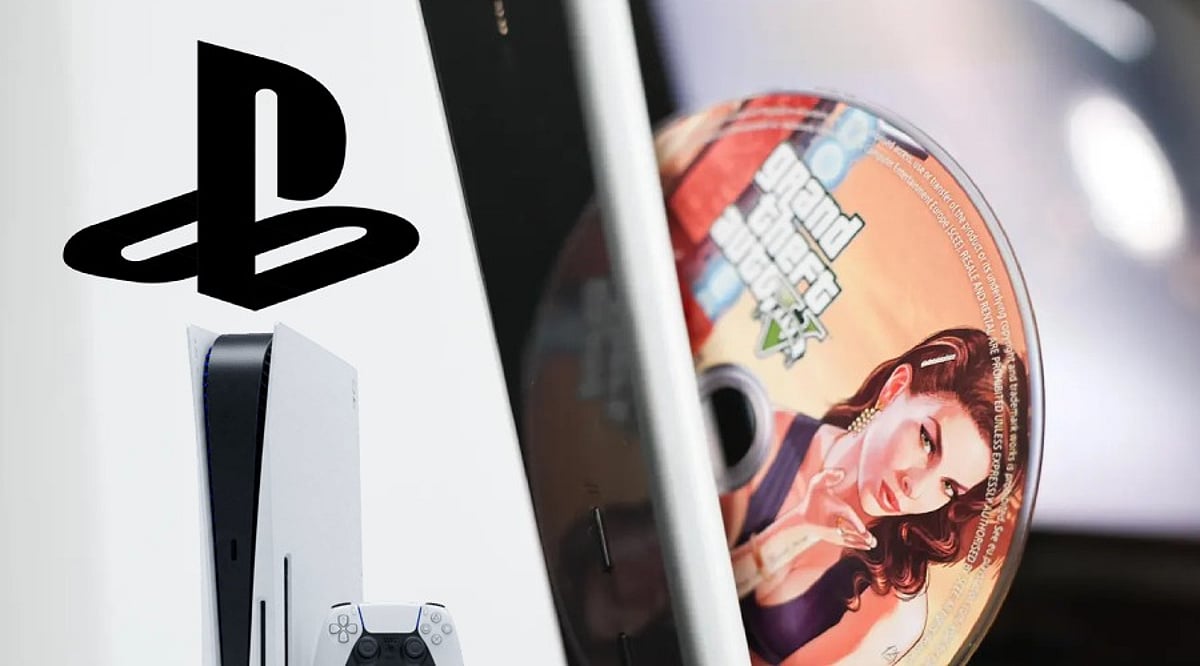
    Sony is facing a wave of backlash after announcing plans to remove physical game discs starting January 2028. The decision, which follows a recent price hike for the PS5 console, has ignited a boycott campaign among players who fear losing ownership of their games.

    Earlier this month, Sony raised the price of PS5 consoles and confirmed it would stop producing physical game discs. While the price increase drew concern, the move toward an all-digital future has sparked a more sustained outcry from the global gaming community.

    A post on X (formerly Twitter) has rallied fans to participate in a one-week #PSBlackout in August, during which they will avoid logging into PlayStation Network, playing any games, or making purchases from Sony’s store. The campaign is supported by a petition titled “Don’t Kill the Disc,” which has already garnered over 345,000 signatures.

    “Sony wants to abandon fans? Let’s give them a small taste of their own medicine! Together with other creators we call for a 1 week #PSBlackout in August. No logins, no play sessions, no purchases on any of Sony’s platforms.” — @DoesItPlay1

    Many fans expressed their frustration on social media. One user wrote: “Whether it’s closing beloved studios like Bluepoint, pursuing a misguided live-service strategy, canceling fan events, leaving PS VR2 to die, or being completely out of touch with the franchises players want to see return, PlayStation has never felt more disconnected from its community. Ending physical discs in 2028 feels like the last straw.”

    While Sony has not reversed its reported plans, the debate has become one of the most talked-about topics in gaming.

    Why Players Are Worried About Digital Games

    For many gamers, the core issue is not the disc itself but the concept of ownership. When purchasing a digital game, buyers typically receive a license to play the title rather than permanent ownership. Physical copies offer more freedom: players can lend, keep, or resell their games. Digital games rely on online stores and account access, meaning that if a game is removed or a service changes, players may lose access to content they have paid for.

    This concern has kept the value of physical media alive for a significant portion of the gaming community.

    The Future of Game Ownership Remains Unclear

    Digital gaming continues to expand, and many players appreciate the convenience of instant downloads. However, the recent backlash shows that physical games still matter to a large part of the audience. Fans argue that there is room for both digital and physical releases. Whether or not Sony reverses its decision, the debate has made one thing clear: gamers want more control over the games they pay for, and they do not want ownership to disappear in an all-digital future.

  • Sony Files Patent for Advanced Cooling System, Fueling PlayStation 6 Speculation

    Sony Files Patent for Advanced Cooling System, Fueling PlayStation 6 Speculation

    A newly uncovered Sony patent has sparked fresh speculation about the next-generation PlayStation console, often referred to as the PlayStation 6. The patent details an innovative heat pipe cooling design that could significantly improve thermal management in gaming hardware.

    While Sony has not officially confirmed that the technology is destined for the PlayStation 6, the filing has drawn attention for its focus on a critical aspect of console performance: keeping internal components cool during intense gaming sessions.

    Redesigned Heat Pipe System

    This patent describes a new type of heat pipe that transfers heat more efficiently from the processor. Like conventional heat pipes, it uses a sealed fluid that evaporates when heated and condenses after releasing heat. Sony’s design incorporates changes to the internal structure that improve the transfer of cooling fluid, ensuring the system remains effective whether the console is used in vertical or horizontal orientation.

    Why Cooling Matters for Next-Gen Consoles

    Modern consoles require robust cooling due to their powerful processors and increasing performance demands. The PlayStation 5 currently uses a custom AMD processor cooled with liquid metal. This latest patent suggests Sony is exploring new ways to enhance cooling as hardware demands continue to rise.

    Patent ≠ Product Announcement

    While the patent has excited PlayStation enthusiasts, it should not be taken as a definitive sign that this design will appear in the final PlayStation 6. It is common for tech companies to file patents for innovations that may never reach the market. However, the patent does offer a glimpse into Sony’s research direction, especially as thermal management becomes increasingly critical with higher performance and graphics requirements.

    Until Sony makes an official announcement, this patent provides an early look at possible future innovations.

  • Call of Duty: Black Ops Re-Release Reignites Nostalgia for the Franchise’s Golden Era

    Call of Duty: Black Ops Re-Release Reignites Nostalgia for the Franchise’s Golden Era

    The return of classic Call of Duty: Black Ops games has sparked a wave of nostalgia among fans, reminding many why this era is considered the series’ peak. As excitement builds for Black Ops 7, Activision’s re-release of the original Black Ops on modern consoles has brought the community together.

    On July 9, 2026, the 2009 title was made available on PlayStation 4 and PlayStation 5. A Reddit post by user Weaponised__Autism captured the sentiment: “Say what you will about the ports, but Black Ops has reminded me how good we had it.” The post quickly went viral, with commenters unanimously agreeing that the early Black Ops years were the best time in Call of Duty.

    One player, Mission-Club-3976, noted, “The games were designed and produced to be good games, rather than to maximise player engagement to optimise the chances of said player to spend extra money on monetisation.” Many fans highlighted that Black Ops, Black Ops 2, and Black Ops 3 offered a special blend of engaging storylines, robust multiplayer, and the iconic Zombies mode. For them, these older titles remain the gold standard.

    For newcomers, Sony is offering a golden opportunity: PlayStation Plus subscribers can enjoy a 50% discount on Black Ops games until August 6, 2026.

    What Made the Black Ops Games So Special?

    The older Black Ops games excelled in several areas. Memorable campaigns featured characters like Alex Mason, Frank Woods, and Raul Menendez, who became fan favorites and gave each game a distinct identity. The Zombies mode—with maps like Kino der Toten, Origins, and Mob of the Dead—remains beloved. Multiplayer maps such as Nuketown, Raid, and Firing Range are still considered classics. The gunplay felt fair, and the progression system, including Prestige levels, kept players coming back.

    Black Ops 7 Has Big Shoes to Fill

    Looking back at the older games also serves as a reminder of how glorious that era was. Nostalgia can draw people back, but it won’t keep them playing forever. Fans want future Black Ops titles to deliver a fun campaign, a strong Zombies mode, improved multiplayer, stable servers, and regular post-launch updates. If not, many players may continue to spend their time with the older games that made Call of Duty one of the biggest names in gaming.

  • PS5 Slim Price Hike in India: Both Digital and Disc Editions Could Cost Rs. 5,000 More

    PS5 Slim Price Hike in India: Both Digital and Disc Editions Could Cost Rs. 5,000 More

    If you are planning to buy a PS5 Slim in India, you may want to act quickly. According to a recent report, Sony is expected to increase the price of both the Digital and Disc editions of the PS5 Slim in the country. While Sony has not officially confirmed the change, retailers have reportedly been informed about the revised pricing.

    The rumored hike would see the PS5 Slim Digital Edition jump from Rs. 44,990 to Rs. 49,990, and the Disc Edition rise from Rs. 54,990 to Rs. 59,990. That means buyers would need to spend an extra Rs. 5,000 regardless of which version they choose.

    Sony has raised PlayStation prices in several other markets before, so this move would not come as a complete surprise. The company has not disclosed the reason for the potential increase in India, but several factors could be at play.

    One likely cause is currency exchange rate fluctuations, which can make imported consoles more expensive. Import duties and rising shipping costs also add to the overall expense. Inflation is another factor—manufacturing and logistics costs for electronics have climbed steadily in recent years, often prompting companies to adjust prices.

    Additionally, Sony’s broader business strategy may be influencing the decision. The PS5 continues to sell well even years after its launch, and strong demand gives the company room to raise prices without significantly hurting sales. With no new PlayStation model expected in the near future, Sony may be aiming to maintain steady profits while demand remains robust.

    For Indian gamers, this rumored price increase could make an already costly console even more expensive. Stay tuned for official confirmation from Sony.

  • Sony CEO Hiroki Totoki Sells 56% of His Stake: What It Means for Investors and PlayStation Fans

    Sony CEO Hiroki Totoki Sells 56% of His Stake: What It Means for Investors and PlayStation Fans

    Sony CEO Hiroki Totoki has sold more than half of his personal Sony shares, a move that has drawn intense scrutiny from investors and the gaming community. The transaction, disclosed in a recent SEC filing, comes at a time when the company is making bold decisions about its digital future, including the withdrawal of physical PlayStation discs.

    Details of the Stock Sale

    According to the filing made on July 3, Totoki sold 225,000 shares of Sony stock, representing approximately 56% of his stake. The shares were sold at $21.02 each, netting the CEO about $4.7 million. He still holds 173,250 shares. Additionally, on the same day, he sold another 25,000 shares (about 18% of his remaining stake) for $525,500. The timing of the filing—two days after Sony announced the end of physical PlayStation discs—has fueled speculation.

    Why the Timing Matters

    Investors often watch insider trades closely, and a CEO sale can trigger questions about confidence in the company. Sony has recently faced backlash over rising prices, subscription changes, and the shift toward digital-only gaming. Many players worry about fewer choices and higher costs. When a top executive sells a large chunk of shares during such turbulence, it naturally raises eyebrows.

    However, a filing only confirms that shares changed hands—it does not reveal the seller’s motivation. Executives sell stock for many reasons: tax planning, portfolio diversification, estate management, or personal financial needs. There is no public evidence linking this sale to any specific PlayStation decision or a loss of faith in Sony’s future.

    What This Means for Sony

    Context is crucial. One insider sale does not define a company’s trajectory. Sony remains a powerhouse in gaming, music, movies, and electronics. Its long-term success depends on product innovation, strategic execution, and market performance—not on a single stock transaction.

    For now, the filing shows that Hiroki Totoki sold a significant portion of his Sony shares. Beyond that, the interpretation is open. Investors should consider the broader picture rather than jumping to conclusions based on timing alone.

  • PlayStation Fans Erupt Over Physical Disc Concerns After New Fight Stick Reveal

    PlayStation Fans Erupt Over Physical Disc Concerns After New Fight Stick Reveal

    Sony’s latest PlayStation post has reignited a heated debate about the future of physical game discs. The company unveiled a new PlayStation fight stick, a controller designed for fighting game enthusiasts, but the announcement quickly became overshadowed by fan backlash over the company’s increasing focus on digital gaming.

    Under normal circumstances, the reveal of the FlexStrike wireless fight stick would have centered on its features and design. Instead, the comment section was flooded with concerns about game ownership and preservation. Many players pleaded with Sony to continue supporting physical discs, warning against a full transition to digital sales.

    The reaction reflects a longstanding unease among gamers. Physical discs are seen as providing true ownership of a game, while digital purchases depend on online services, store accessibility, and licensing agreements. The closure of a digital storefront or removal of a game can limit access, a possibility that has made many fans uneasy.

    This debate is also tied to game preservation. Older titles have already disappeared from some online stores, making them hard to buy years later. Collectors and long-time players worry that more digital-only releases could make preserving gaming history even harder.

    Sony has not yet responded to the latest criticism or announced any policy change regarding physical media. However, the intense reaction to a simple product post shows that the discussion is no longer about a single controller. For many fans, it is about the future of game ownership and whether buying a game will still mean owning it.