Tag: PM Modi

  • India Parliamentary Panel Puts Meta on Notice Over PM Modi Video Removal, Threatens Safe Harbour Repeal

    India Parliamentary Panel Puts Meta on Notice Over PM Modi Video Removal, Threatens Safe Harbour Repeal

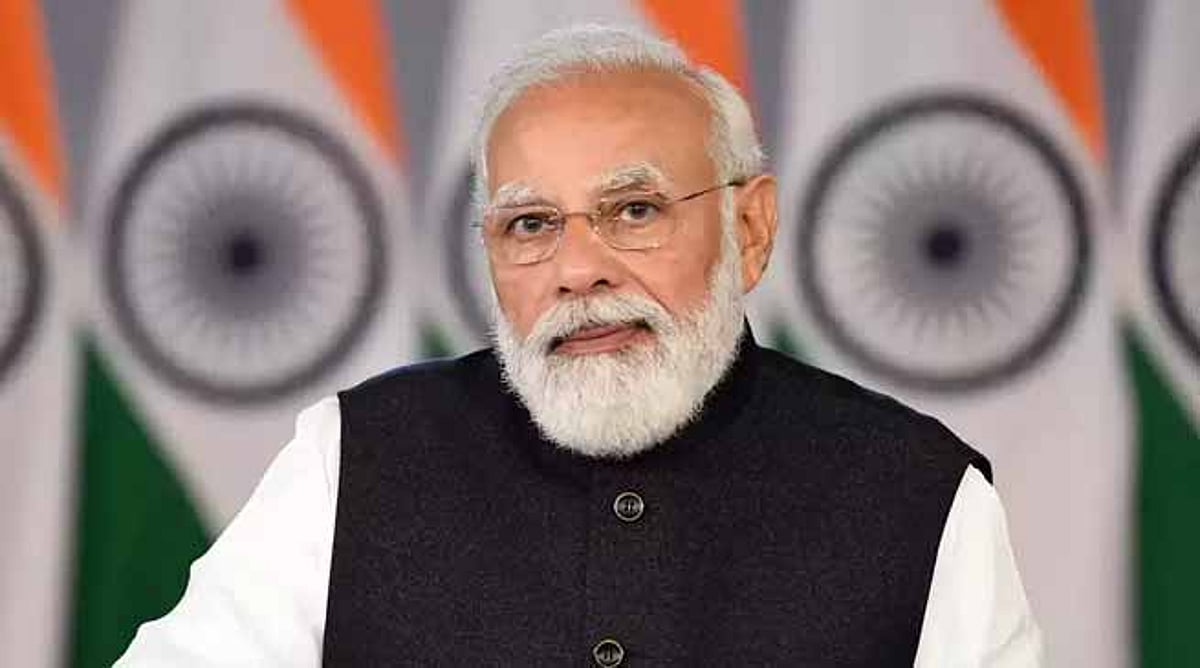
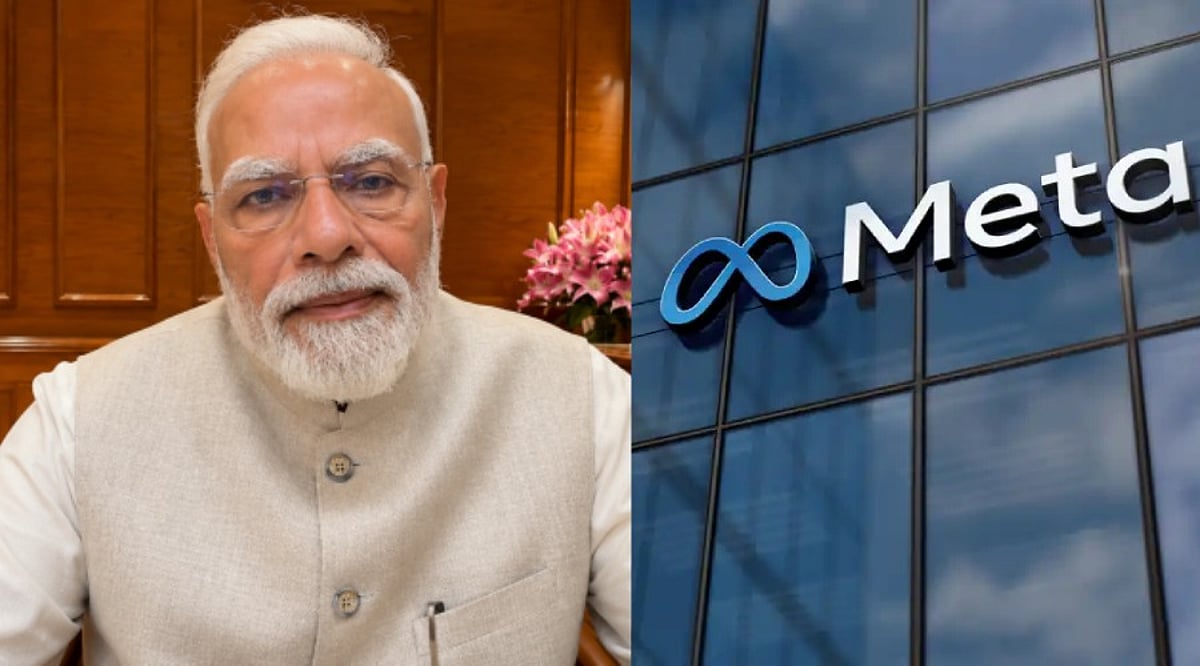
    Meta is facing mounting pressure in India after a video featuring Prime Minister Narendra Modi was temporarily removed from one of its platforms. The video showed the Prime Minister assuring students that strict action would be taken against those responsible for a paper leak incident. Following the brief takedown, a parliamentary panel has demanded an apology from Meta, warning that the company could lose its safe harbour protections if it fails to comply.

    The Parliamentary Committee on Communications and Information Technology issued a three-day ultimatum to Meta CEO Mark Zuckerberg, insisting on an apology to Prime Minister Modi. BJP MP Nishikant Dubey, who chairs the panel, called the removal an “attack on democracy.” The safe harbour clause currently prevents the Indian government from filing First Information Reports (FIRs) directly against social media platform officials. Removing that clause would allow the government to take legal action.

    Meta had previously apologized for what it described as a technical glitch that caused the video to be removed. However, India’s Ministry of Information and Technology found that explanation insufficient and unconvincing.

    CSAM Scrutiny Intensifies

    The video removal is not the only regulatory challenge Meta faces in India. Last month, the company came under scrutiny over child sexual abuse material (CSAM) on its platforms. Reports indicated that such content was appearing in paid advertisements on Instagram, prompting the government to send Meta a formal notice.

    According to data from the National Crime Records Bureau, 1,238 cybercrime cases were registered against children in 2024. Of those, 1,099 involved the publication or transmission of sexually explicit material involving minors. Nishikant Dubey warned social media platforms, stating: “Pornographic content cannot be allowed in India. Child sexual abuse material is a heinous crime. AI-generated fake videos of women or obscene depiction of women are also heinous crimes.” He added that this issue “is above political parties, religion, and caste because this country is extremely sensitive when it comes to children and women.”

    The Indian government has warned social media platforms to either comply with CSAM rules or face legal action.
  • Indian Parliamentary Panel Rejects Meta’s Apology, Demands Action Over PM Modi Video Takedown

    Indian Parliamentary Panel Rejects Meta’s Apology, Demands Action Over PM Modi Video Takedown

    Meta has apologized to a parliamentary panel in India over the removal of Prime Minister Narendra Modi’s Facebook video, but lawmakers are pushing for more than just an apology. The company described the takedown as a technical error and restored the video after government concerns were raised.

    Panel Demands Accountability

    During a meeting of the Parliamentary Standing Committee on Information Technology in New Delhi, Meta officials faced questions about the removal, its authorization, and who was responsible. Committee members, led by BJP MP Nishikant Dubey, demanded accountability and called on Meta to identify the official involved and consider legal action.

    “The committee is seeking accountability,” a senior BJP member reportedly said, adding that an apology alone would not be sufficient. The panel wants answers and stronger action against those responsible for the incident.

    Broader Scrutiny of Content Moderation

    The meeting focused on social media regulation and platform accountability, with representatives from Meta, Google, YouTube, X, Snapchat, the Union home ministry, and MeitY in attendance. The temporary restriction of PM Modi’s video—which addressed India’s youth and promised strict action against paper leaks—raised concerns about content moderation systems handling sensitive political communications.

    Meta had earlier described the restriction as a glitch, but MeitY called the explanation inadequate and demanded greater clarity. Lawmakers also questioned Meta about controversial and objectionable content remaining on its platforms, seeking details on moderation measures.

    Growing Pressure on Foreign Tech Platforms

    The incident adds to mounting pressure on Meta as Indian authorities examine platform compliance with national laws. Government sources have linked the broader debate to concerns over public order and national security. The committee’s questions now shift attention from Meta’s apology toward stronger platform accountability, highlighting the intense scrutiny foreign technology platforms face in India.

  • Meta India Head Arun Srinivas Faces Legal Action Over Alleged Morphed Posts Targeting PM Modi

    Meta India Head Arun Srinivas Faces Legal Action Over Alleged Morphed Posts Targeting PM Modi

    Hyderabad Cybercrime Police have registered cases against Meta India head Arun Srinivas and several Facebook and Instagram accounts over the alleged circulation of morphed and objectionable content targeting Indian Prime Minister Narendra Modi during the recent Cockroach Janta Party (CJP) protests in Delhi.

    The FIRs were filed based on complaints alleging that manipulated videos and images of the Prime Minister were shared on social media platforms.

    Complaints Allege Morphed Content Was Shared

    According to the complaints, two individuals came across multiple digitally altered videos and images of the Prime Minister while browsing Instagram. They alleged that the content portrayed him in an obscene, derogatory, and misleading manner and was accompanied by abusive comments that increased its reach.

    “The comments contain offensive language, ridicule, and indecent remarks directed at the Hon’ble Prime Minister and other individuals depicted in the manipulated content, thereby amplifying the offensive nature of the posts and encouraging their wider circulation and engagement. The above content appears to have been digitally altered or AI-generated and circulated on social media,” the complaints stated.

    Complainants Cite Risk of Misinformation

    The complainants argued that the alleged posts could have wider implications beyond social media.

    “Such content has the potential to mislead the public, spread misinformation, incite hatred or public unrest, outrage public decency, defame or insult the dignity of public figures, disturb public order, promote hostility among different sections of society, and otherwise violate the applicable provisions of law,” they added.

    The complaints were filed by S. Aravind Reddy, a 29-year-old businessman, and T. Saikiran Goud, a Telangana BJP activist. Police are also examining several posts and comments shared during the student protests, many of which allegedly contained abusive remarks targeting the Prime Minister.

    Meta Tightens Oversight After Earlier Controversy

    The latest action comes days after Meta drew criticism from the Indian Government when a video posted from the Prime Minister’s official Facebook account was briefly blocked.

    According to sources, Meta has assured the government that it has strengthened safeguards for posts published from the Prime Minister’s account. Prominent accounts will now receive additional oversight, and only senior company officials will be authorized to review such posts. Sources added that every moderation decision will undergo scrutiny by at least two senior executives before any action is taken.

    Government Meeting Expected Soon

    Sources said Meta representatives are expected to meet Indian government officials later this week to discuss content regulation and other policy-related issues.

    Separately, Delhi Police have issued notices to several social media accounts, including some news portals, directing them to remove allegedly offensive and abusive posts targeting Prime Minister Modi that were shared during the recent student protests in Delhi.

  • Meta Apologizes After Facebook Glitch Briefly Blocks PM Modi Video in India, Restoration Follows

    Meta Apologizes After Facebook Glitch Briefly Blocks PM Modi Video in India, Restoration Follows

    Meta issued an apology on July 28 after Facebook temporarily blocked a video of Indian Prime Minister Narendra Modi in the country, attributing the removal to a technical glitch. The video, originally posted on July 23, became inaccessible to some Indian users before the company identified the error and restored it.

    Users attempting to view the video encountered a notice stating that Facebook had restricted the content following a legal request, which sparked questions about the unexpected removal. A Meta spokesperson explained, “The content was removed in error and has since been restored.”

    The glitch drew significant attention in India, especially because the video featured the Prime Minister addressing young audiences. In the video, PM Modi discussed plans to introduce tougher laws, fast-track courts, and stricter penalties for those involved in examination paper leaks. He also mentioned that a draft law with stronger measures would be presented to the Union Cabinet.

    Indian government officials have taken the incident seriously and are examining how the video became unavailable. Sources indicate that representatives from Meta may be asked to explain the circumstances behind the removal. According to IANS, the Ministry of Electronics and Information Technology has summoned Meta and Instagram’s global heads over the temporary restriction.

    The video had garnered millions of views before being briefly restricted. Meta has since restored the content and maintains that the removal was a mistake. The incident has raised broader questions about content moderation and how social media platforms handle communications from key government figures.

  • India’s First Hydrogen Train to Launch on July 17 with PM Modi Inauguration

    India’s First Hydrogen Train to Launch on July 17 with PM Modi Inauguration

    India is set to mark a significant milestone in green mobility as Prime Minister Narendra Modi is expected to flag off the country’s first hydrogen-powered passenger train on July 17. The train will operate on the Jind-Sonipat route in Haryana, under the Northern Railway zone, showcasing Indian Railways’ commitment to clean energy and sustainable transport.

    The hydrogen train utilizes fuel cell technology, where electricity is generated through a chemical reaction between hydrogen and oxygen. Unlike conventional diesel locomotives, this system emits only water vapor and heat, making it a zero-emission solution during operation. This technology is gaining traction globally, particularly for routes where full electrification is not feasible.

    The train will be equipped with modern passenger amenities, though specific details regarding speed and passenger capacity have not yet been disclosed by Indian Railways. Given hydrogen’s high combustibility, the project incorporates dedicated systems for fuel storage, handling, and onboard safety measures. Officials have confirmed that the hydrogen used will be produced through environmentally sustainable methods.

    The July 17 launch serves as a pilot for the technology. If the trial yields positive results, Indian Railways plans to expand hydrogen-powered services to additional routes in the coming years. This initiative aligns with the national transporter’s broader strategy to reduce reliance on fossil fuels and increase the use of cleaner energy across its network.

  • India’s Semiconductor Ambitions Get a Boost as PM Modi Launches New Chip Plant and Electronics Roadmap

    India’s Semiconductor Ambitions Get a Boost as PM Modi Launches New Chip Plant and Electronics Roadmap

    India’s Electronics Sector Reaches New Heights

    India has solidified its position as the world’s second-largest mobile phone manufacturer, and Prime Minister Narendra Modi is now charting a bold course for the country’s electronics future. On July 4, 2026, Modi inaugurated the CG Semi Outsourced Semiconductor Assembly and Test (OSAT) facility in Sanand, Gujarat, marking a key milestone in India’s journey from assembling phones to producing semiconductors domestically.

    Speaking at the event, Modi emphasized that the plant represents the next logical step in a decade-long electronics revolution, moving the nation up the value chain and reinforcing its role in the global technology supply chain.

    The Shift from Phones to Chips: Key Numbers

    Modi highlighted India’s mobile manufacturing growth as the foundation for this shift. Since 2014, mobile phone production has surged approximately 33 times, making India the world’s second-largest mobile phone manufacturer and exporter. Overall electronics production has increased nearly sevenfold, while electronics exports have grown almost elevenfold over the same period.

    “The expansion of the semiconductor industry in India did not happen overnight. It is the next step in the electronics revolution that has taken place in India over the past decade,” Modi said. “First products, then components and now semiconductors… India is building the entire electronics value chain. This is the roadmap to Viksit Bharat. This is the next phase of Make in India.”

    Inside the Sanand Plant and Production Targets

    The Rs. 7,500 crore CG Semi facility has already begun commercial production of semiconductor packaging, with an initial annual target of 200 million chips. Modi expressed confidence that the plant will quickly scale toward a national goal of 500 million chips annually. Once the Sanand cluster is fully developed, he projected a daily output of 1.5 crore (15 million) chips.

    The Prime Minister credited the project as a collaboration between Indian, Japanese, and Thai industry partners. He also praised the facility’s diverse workforce, which includes women trained in states like Jharkhand, Madhya Pradesh, and Chhattisgarh, with some employees receiving advanced training in Malaysia. Modi called them representatives of a ‘Mini India’ operating within a single plant.

    Broader Make in India Push

    Modi tied the Sanand launch to a broader national roadmap, noting that four operational semiconductor facilities are expected in 2026 alone. The government’s goal is to cover design, manufacturing, packaging, and testing capabilities entirely within India. He framed this as the next phase of Make in India and a building block toward a ‘Viksit Bharat’ (Developed India) vision.

    He also pointed to parallel efforts to secure domestic access to critical and high-tech minerals needed to support long-term chip manufacturing, ensuring a resilient supply chain for the future.

    Political Framing and Reactions

    Modi used part of his address to contrast the current pace of semiconductor investment with what he described as a lack of follow-through on similar plans under previous governments, referencing past proposals that earmarked land near Gandhinagar and Sanand for chip projects but never materialized.

    Union Railway Minister Ashwini Vaishnaw and Gujarat Chief Minister Bhupendra Patel also spoke at the event, reinforcing the state’s positioning as an emerging hub within India’s broader semiconductor mission.

  • Amazon CEO Andy Jassy Pledges $48 Billion India Investment After Meeting PM Modi

    Amazon CEO Andy Jassy Pledges $48 Billion India Investment After Meeting PM Modi

    Amazon has announced a massive $48 billion investment roadmap for India through 2030, following a meeting between CEO Andy Jassy and Prime Minister Narendra Modi. The plan focuses on artificial intelligence, cloud infrastructure, logistics expansion, job creation, and digital inclusion, reinforcing Amazon’s long-term commitment to India’s growth.

    During the meeting in New Delhi on June 25, 2026, Jassy revealed an additional $13 billion to expand AI and cloud infrastructure by 2030, bringing Amazon’s total planned investment in these areas to over $21 billion between 2026 and 2030. This investment will increase AWS data center capacity in Mumbai and Hyderabad, providing startups, enterprises, and governments with access to customized AI chips, AI managed services, secure cloud computing solutions, and developer tools.

    “We came to India over a decade ago and have since been serving customers, sellers, developers, start-ups, and enterprises through our different businesses. The response has been tremendous, with strong growth especially across our ecommerce, AI, and cloud businesses. As we grow Amazon in India, our business priorities continue to align with India’s priorities of democratizing access to AI, digitizing small businesses, creating jobs, and enabling exports,” Jassy said.

    Key Takeaways from Andy Jassy’s Meeting with PM Modi

    Amazon India also launched ‘Sammaan’, a comprehensive welfare program for thousands of delivery associates in its logistics network. Initiatives include scholarships to educate associates’ children, access to government benefits and financial inclusion programs, comprehensive insurance coverage, on-road safety measures, and more. As part of the program, Amazon will expand its Ashray rest centers to 250 locations this year, open to delivery associates across the industry.

    What it Means for India’s Digital Future

    Jassy thanked Prime Minister Modi for his leadership and highlighted the growing importance of India, where Amazon operates several businesses, including e-commerce, AI, cloud, and entertainment. “We are investing over $48 billion in the coming five years to meet the strong demand across our business in India and to help the country achieve these priorities. We are inspired by Prime Minister Modi’s vision of a Viksit and Atmanirbhar Bharat, and we are committed to being a long-term partner in India’s growth story,” he added.

    This investment from Amazon is expected to accelerate the digital revolution in India by improving its technological infrastructure, cloud computing, logistics, and innovation ecosystem. It signals that the rest of the world sees India as a digital powerhouse of the future.