Tag: Polkadot

  • Polkadot (DOT) Price Analysis: Volume Surges Past $226M as Elastic Scaling and Staking Overhaul Drive Market Attention

    Polkadot (DOT) Price Analysis: Volume Surges Past $226M as Elastic Scaling and Staking Overhaul Drive Market Attention

    Polkadot’s DOT token drew renewed market attention after 24-hour trading volume climbed above USD 226 million, while price remained under pressure on September 12. DOT traded at USD 1.0454 on OKX, holding near trendline support after an early-September rally faded.

    Data supplied for September 12 showed DOT still down on the week despite stronger trading activity. Coinglass data also showed longs absorbed almost all liquidations across the 12-hour and 24-hour windows.

    Scaling Boosts Capacity

    BSCN reported that Polkadot’s elastic scaling upgrade lets one parachain use several cores at once. That structure allows a parachain to push up to three blocks into one relay-chain slot.

    Previously, a parachain typically placed one block into each slot. Under the new system, chains can buy extra processing capacity through coretime using DOT, either in bulk or on demand.

    The upgrade moves the main performance constraint toward each chain’s block producers rather than the wider Polkadot network. Meanwhile, volume above USD 226 million showed that trading activity increased.

    DOT Tests Key Support

    DOT traded at USD 1.0454 on the daily DOT/USDT chart at 02:21 UTC-3. Price held just above an ascending trendline and a support area near the 20 EMA. The bullish setup depends first on support at USD 0.9733. A move above USD 1.2773 would open levels at USD 1.6584 and USD 2.0028, according to the supplied chart analysis.

    A close below USD 0.9733 would expose USD 0.9550 and the longer EMA near USD 0.9111. The next lower level sits at USD 0.8114, while USD 2.4032 marks the highest chart resistance.

    Staking Rules Shift Risk

    Polkadot is also advancing a staking redesign through Referendum 1890. The proposal requires every validator to lock at least 10,000 DOT as self-stake before the next phase begins.

    OpenGov showed 100% support in the supplied data, and Polkadot targets May 31 for enactment. Validators that fail to post the required bond risk losing active-set status through chilling.

    After passage, nominators become unslashable, and the unbonding period drops from 28 days to roughly 24 to 48 hours. Validators would then carry direct slashing exposure through self-stake. By mid-June, Polkadot plans to add validator rewards in unlocked DOT tied to self-stake. Those rewards will later carry a one-year vesting period, while the commission model will phase out.

    The redesign follows a March runtime upgrade that introduced the slashable 10,000 DOT self-stake floor and a 10% minimum validator commission. That overhaul also cut annual DOT issuance by 53.6%.

    Polkadot also capped total supply at 2.1 billion tokens under the broader economic reset. Analysts identified USD 0.9733 to USD 1.2773 as the key range to watch this week.

    Conclusion

    DOT’s volume surge and elastic scaling upgrade have renewed attention around Polkadot, while price remains near key support. Referendum 1890 also reshapes staking risk and liquidity. Traders now face a clear range, with USD 0.9733 support and USD 1.2773 resistance defining the next technical test.

  • Top Crypto Assets for Your Roth IRA: Tax-Free Growth Strategies

    Top Crypto Assets for Your Roth IRA: Tax-Free Growth Strategies

    Investing in cryptocurrencies through a Roth IRA can offer substantial tax-free growth potential for your retirement. Here are the top crypto assets to consider for a Roth IRA portfolio, each with unique strengths that align with long-term investment goals.

    Bitcoin (BTC)

    Bitcoin remains the leading cryptocurrency, offering long-term growth potential, strong institutional support, and broad market acceptance for retirement-focused investors today.

    Ethereum (ETH)

    Ethereum powers decentralized applications and smart contracts, making it a strong Roth IRA choice with steady adoption and long-term growth prospects.

    Solana (SOL)

    Solana offers fast transactions, low fees, and a growing ecosystem of projects, making it an attractive cryptocurrency for long-term retirement investment portfolios.

    XRP (XRP)

    XRP focuses on cross-border payments, offering speed and efficiency while benefiting from growing institutional interest and improving regulatory clarity globally.

    Chainlink (LINK)

    Chainlink connects blockchain networks with real-world data, supporting decentralized applications while strengthening its long-term investment potential for retirement accounts.

    Avalanche (AVAX)

    Avalanche delivers scalable blockchain solutions with fast processing speeds, attracting developers and projects that support its future growth opportunities consistently.

    Cardano (ADA)

    Cardano emphasizes research-driven development, energy efficiency, and network security, making it a reliable option for patient, long-term cryptocurrency investors.

    Sui (SUI)

    Sui continues expanding through decentralized applications and growing ecosystem support, offering promising long-term potential for investors seeking emerging blockchain opportunities.

    Polkadot (DOT)

    Polkadot enables blockchain interoperability, helping different networks communicate efficiently while supporting long-term innovation and portfolio diversification within retirement investments.

    Read more stories on our website. Join our WhatsApp Channel to get the latest news, exclusives and videos on WhatsApp.

  • 5 Web3 Cryptocurrencies to Watch in India This July 2026

    5 Web3 Cryptocurrencies to Watch in India This July 2026

    Web3 has become one of the fastest-growing parts of the crypto market. It gives people more control over their money, data, and digital identity. Unlike traditional internet platforms, Web3 uses blockchain technology to create open and secure systems. More companies, developers, and investors now support this space since it offers real solutions instead of only digital currencies.

    In July 2026, five Web3 crypto coins stand out for their strong technology, active ecosystems, and clear purpose. Each project solves a different problem and supports the future of blockchain in its own way.

    Chainlink (LINK) Strengthens Blockchain Connections

    Chainlink is among the top players in the Web3 space. This network enables smart contracts to get reliable information from external sources. Throughout its journey, it has branched out from its original use of price feeds. Today, its Cross-Chain Interoperability Protocol (CCIP) makes it possible for numerous blockchains to send and receive data and digital assets from one another.

    Chainlink also plays an important role in the rapidly developing Real-World Asset (RWA) sector since banks and financial institutions are adopting its technology. The solution connects conventional assets like bonds and real estate to blockchain networks. Currently, Chainlink facilitates over $95 billion of on-chain value.

    Toncoin (TON) Brings Web3 to Millions of Users

    Toncoin has built a strong position led by its close relationship with Telegram. This connection gives the project access to one of the world’s largest messaging platforms. Users can open crypto wallets, make payments, play blockchain games, and explore Mini Apps without leaving Telegram.

    This simple experience attracts people who have little knowledge of blockchain technology. The ecosystem also supports NFTs, stablecoins, and many digital services. As Telegram adds more Web3 features, Toncoin could reach even more users across the world.

    Internet Computer (ICP) Creates a Different Internet

    Internet Computer follows a unique path in the blockchain industry. The project allows developers to build complete websites, applications, and online services directly on the blockchain. This approach reduces the need for traditional cloud providers in many situations.

    The platform also supports artificial intelligence projects and decentralized cloud services. Developers can create applications that stay online without central servers. Although Ethereum has a larger developer community, Internet Computer continues to attract attention for its innovative technology and long-term vision.

    Filecoin (FIL) Solves Data Storage Challenges

    Filecoin is dedicated to secure decentralized data storage. As artificial intelligence and blockchain adoption increase, the demand for reliable storage continues to grow. Filecoin enables individuals and organizations to store data across a distributed network instead of a single location.

    The platform is designed for long-term storage of information, digital archives, and protection of data. These qualities help Filecoin support companies working with AI, Web3 developers, and any other enterprises with huge amounts of information. Advanced technology and a broad ecosystem help keep Filecoin among the leading decentralized storage projects.

    Polkadot (DOT) Connects Blockchain Networks

    Polkadot is designed to enable communication between diverse blockchains. The network enables them to communicate using a multi-chain technology and shared security system. Polkadot is currently developing the JAM upgrade, which will allow developers to make their development processes easier and more flexible.

    Final Thoughts

    Web3 continues to reshape the crypto industry through better technology and practical use cases. Chainlink, Toncoin, Internet Computer, Filecoin, and Polkadot each solve an important challenge within the blockchain ecosystem.

    Strong development, expanding adoption, and real-world applications make these five projects the top Web3 crypto coins to watch in India during July 2026. Although the crypto market remains volatile, projects with useful technology and clear purpose often stand the best chance of long-term success.

    FAQs

    1. What is Web3? Web3 is the next generation of the internet built on blockchain technology, giving users greater control over their data, assets, and digital identity.
    2. Why is Chainlink important in Web3? Chainlink provides secure oracle services and cross-chain interoperability, helping smart contracts access real-world data and connect different blockchains.
    3. What makes Toncoin unique? Toncoin benefits from Telegram’s large user base, allowing users to access wallets, payments, Mini Apps, and blockchain services within the messaging platform.
    4. Why is Filecoin valuable for blockchain? Filecoin offers decentralized data storage, making it ideal for AI applications, digital archives, and Web3 projects that require secure, distributed storage.
    5. Are these Web3 coins good long-term investments? They have strong technology and growing ecosystems, but cryptocurrency markets remain volatile. Always conduct your own research and assess your risk before investing.
  • Top Polkadot Projects to Watch in 2026: DeFi, RWA, Privacy, and Infrastructure Growth

    Top Polkadot Projects to Watch in 2026: DeFi, RWA, Privacy, and Infrastructure Growth

    Polkadot’s ecosystem is experiencing robust growth in 2026, driven by expansion in decentralized finance (DeFi), rising tokenization of real-world assets (RWAs), privacy-focused blockchain applications, and major network upgrades that enhance adoption and long-term utility.

    Overview:
    Hydration and Acala lead Polkadot’s rapidly growing DeFi sector. Centrifuge provides strong exposure to the booming real-world asset tokenization market. Manta, Phala, and Hyperbridge strengthen privacy, security, and cross-chain infrastructure.

    The Polkadot ecosystem has entered a pivotal phase. Following the launch of Polkadot 2.0, the network now offers improved speed, stronger scalability, and smoother cross-chain communication. This major upgrade has shifted market attention from early blockchain experiments toward projects solving real-world problems.

    The greatest growth within the ecosystem is concentrated in three major sectors: decentralized finance, real-world assets, and privacy-focused applications. Several projects now stand out with strong development activity, rising adoption, and major updates across the network.

    Hydration Becomes a Strong DeFi Project

    Hydration has emerged as one of the most important DeFi projects within the Polkadot ecosystem. The platform acts as a central liquidity hub where users can swap assets, provide liquidity, and access various financial services in one place. Its greatest strength lies in Polkadot’s cross-chain technology, enabling assets from different parachains to move more seamlessly across the network. Many analysts now view Hydration as one of the strongest DeFi protocols built on Polkadot. As blockchain markets continue to expand, many ecosystems struggle with fragmented liquidity across chains. Hydration addresses this by creating greater capital efficiency and easier asset movement. Developer interest and user activity have steadily risen throughout the year.

    Acala Continues to Lead Financial Infrastructure

    Acala remains one of the oldest and most established financial projects on Polkadot. The platform offers various blockchain financial services, including stablecoins, lending systems, decentralized trading, and liquid staking solutions. Despite strong competition from newer projects, Acala maintains its important position in the ecosystem. The biggest focus has shifted toward liquid staking, which allows DOT holders to continue earning staking rewards while using their assets in DeFi applications. This has become more significant after Polkadot introduced major tokenomics changes in March 2026, altering validator rewards and staking economics across the entire network. As a result, protocols like Acala may experience stronger capital inflows in the coming months.

    Centrifuge Expands Real-World Asset Adoption

    Centrifuge has established itself as a leading contender in the rapidly expanding real-world asset marketplace. The project focuses on tokenizing traditional financial assets such as invoices, private debt, treasury-backed instruments, and trade receivables, enabling these assets to participate in blockchain-based lending. The RWA sector has become one of the fastest-growing areas in cryptocurrency. As of 2026, major financial institutions are increasingly interested in tokenization of finance, as blockchain offers transparency and high-speed settlement. By creating a direct pathway for Polkadot to access this growing market, Centrifuge has emerged as one of the year’s most significant long-term ecosystem projects.

    Manta Network Strengthens Privacy Technology

    Manta Network has established itself as one of the strongest privacy-focused blockchain projects on Polkadot. The project uses advanced zero-knowledge proof technology, enabling confidential transactions while maintaining secure network verification. Privacy has become a major topic because institutions and enterprise users need blockchain systems that protect sensitive financial data. Manta addresses this challenge by allowing selective data sharing without exposing complete transaction details. As blockchain adoption grows among larger institutions, privacy technology like Manta’s has become far more valuable.

    Phala Network Brings Private Cloud Computing

    Phala Network has gained significant attention for its focus on confidential computing. Unlike traditional privacy projects that primarily protect transaction data, Phala enables secure off-chain computation through trusted execution environments. This creates a distinct use case within the Polkadot ecosystem. The project opens new opportunities in sectors such as artificial intelligence, healthcare systems, financial services, and private smart contract execution. As blockchain and AI technology converge, confidential computing solutions have become an important part of future Web3 infrastructure. This trend ensures Phala continues to attract strong market attention.

    Hyperbridge Pushes Cross-Chain Expansion

    Hyperbridge has quickly become one of the most popular infrastructure projects on Polkadot. The project focuses on secure cross-chain communication via zero-knowledge cryptographic proofs (ZK proofs) instead of traditional validator-based bridges. Hyperbridge processed over 10 million finality proofs and managed approximately $92 million worth of transactions in 2026, demonstrating strong ecosystem adoption. However, in April 2026, a security exploit occurred involving bridged DOT pools, resulting in approximately $2.5 million in losses, prompting large-scale security reviews throughout the ecosystem. Despite this incident, Hyperbridge remains a vital component of Polkadot’s long-term interoperability strategy.

    Final Outlook for Polkadot in 2026

    Polkadot has entered a much stronger phase. The ecosystem now focuses less on early blockchain experiments and more on real products with practical value. DeFi projects like Hydration and Acala continue to expand financial activity across the network. Centrifuge provides exposure to the fast-growing real-world asset market. Privacy-focused projects such as Manta and Phala support enterprise blockchain adoption, while Hyperbridge helps improve cross-chain infrastructure. With the arrival of Polkadot 2.0, major tokenomics changes in March 2026, and stronger developer activity across the ecosystem, these projects stand out as some of the most important names to watch as Polkadot moves toward its next stage of growth.

    FAQs

    1. Why is Polkadot important in 2026? Polkadot 2.0 upgrades have improved network speed, scalability, and ecosystem growth.
    2. Which is the top DeFi project on Polkadot? Hydration and Acala remain the strongest DeFi projects in the ecosystem.
    3. What is Centrifuge used for? Centrifuge helps convert real-world assets like invoices and credit markets into blockchain assets.
    4. Which Polkadot project focuses on privacy? Manta Network and Phala Network are major privacy-focused blockchain projects.
    5. Why are these projects worth watching? They represent the strongest sectors driving Polkadot adoption in 2026.

  • Top Cross-Chain Blockchain Projects Accelerating Crypto Innovation in 2026

    Top Cross-Chain Blockchain Projects Accelerating Crypto Innovation in 2026

    Introduction

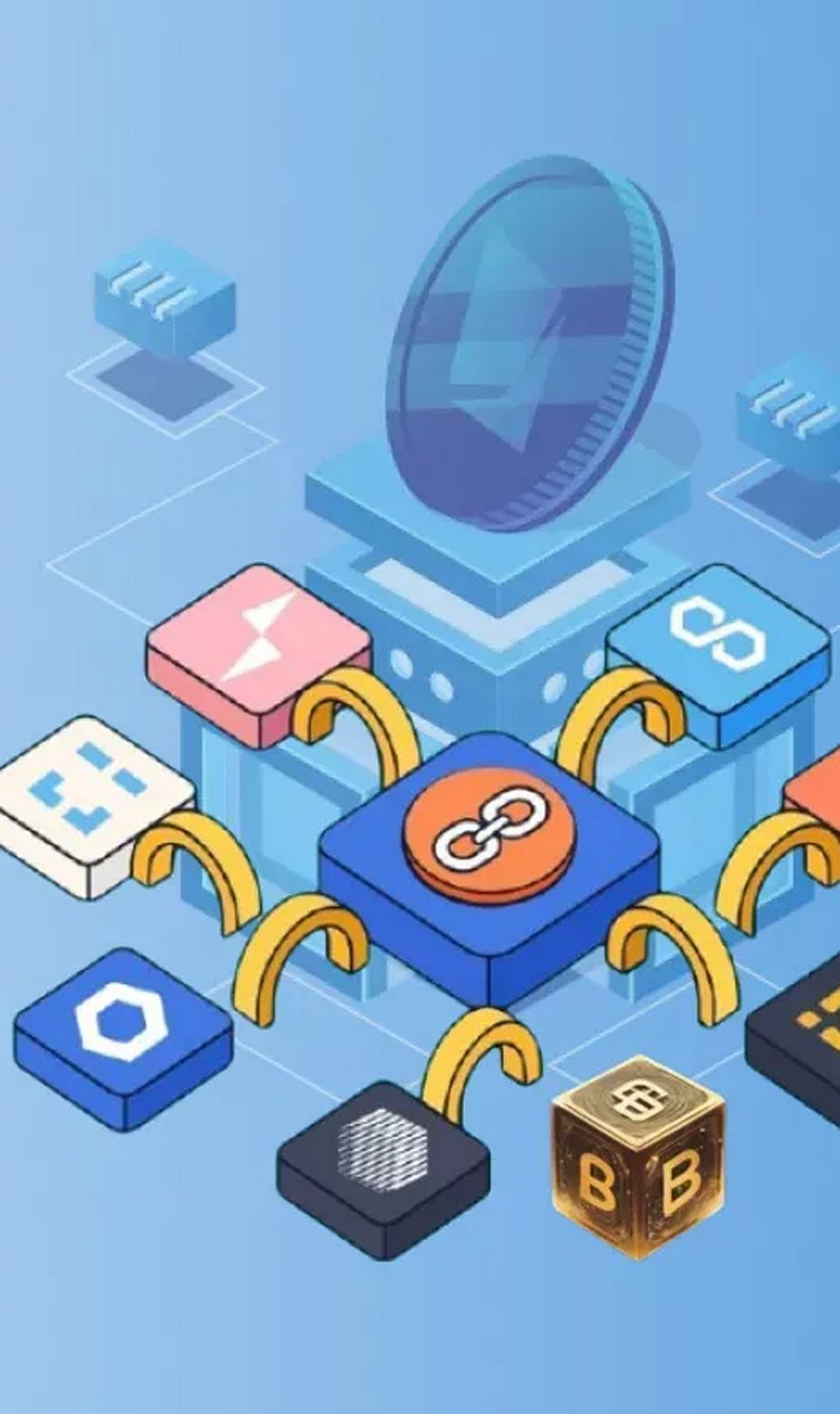
    The blockchain ecosystem is evolving rapidly, with cross-chain interoperability becoming a cornerstone of crypto innovation. As we move into 2026, several projects are leading the charge in connecting disparate networks, enabling seamless asset transfers, and powering decentralized applications across multiple blockchains. Here are the most impactful cross-chain blockchain projects driving innovation this year.

    Chainlink CCIP

    Chainlink’s Cross-Chain Interoperability Protocol (CCIP) enables secure cross-chain messaging and token transfers. It helps developers connect multiple blockchain ecosystems with reliable interoperability and scalability, making it a foundational tool for multi-chain applications.

    Axelar Network

    Axelar provides decentralized cross-chain communication infrastructure, allowing applications to exchange assets and data seamlessly across numerous blockchain networks worldwide. Its universal connectivity simplifies integration for developers and enterprises alike.

    LayerZero

    LayerZero offers lightweight omnichain messaging technology that simplifies blockchain connectivity. It enables decentralized applications to operate across multiple ecosystems efficiently, reducing complexity and enhancing user experience.

    Wormhole

    Wormhole connects major blockchain networks through decentralized messaging, supporting cross-chain token transfers, NFTs, gaming assets, and enterprise blockchain integrations. It secures millions in value across ecosystems.

    Cosmos

    Cosmos uses the Inter-Blockchain Communication (IBC) protocol to create an ecosystem where independent blockchains exchange assets and information without centralized intermediaries. Its modular framework promotes sovereignty and scalability.

    Polkadot

    Polkadot connects specialized parachains through a shared security model, enabling scalable interoperability between blockchains designed for different decentralized applications and services. Its governance and flexibility attract a wide developer community.

    Synapse Protocol

    Synapse simplifies cross-chain asset transfers and liquidity management, helping decentralized finance platforms improve accessibility across multiple blockchain ecosystems. It focuses on user-friendly bridging solutions.

    THORChain

    THORChain enables native cryptocurrency swaps across different blockchain networks without wrapped assets, supporting decentralized liquidity and secure cross-chain trading experiences. Its non-custodial model maintains user control.

    Router Protocol

    Router Protocol builds cross-chain infrastructure that connects blockchain ecosystems, enabling decentralized applications to communicate, transfer assets, and expand user accessibility efficiently. It aims to bridge the gap between isolated networks.

    Conclusion

    These nine projects represent the forefront of cross-chain innovation in 2026, addressing the critical need for interoperability in an increasingly multi-chain world. Their combined efforts are driving the next wave of crypto adoption and decentralized application development.