Tag: pricing

  • ChatGPT Ad Pricing in India: Minimum Budget, Auction Model, and Real Costs

    ChatGPT Ad Pricing in India: Minimum Budget, Auction Model, and Real Costs

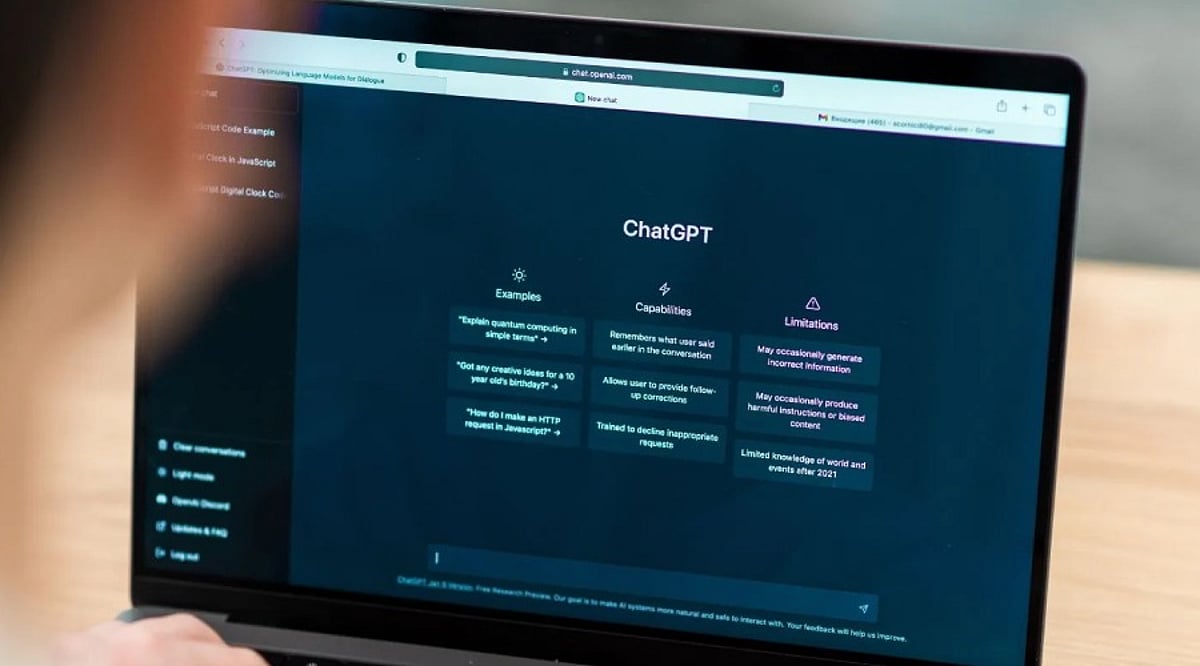
    OpenAI has launched advertising on ChatGPT in India, its second-largest market, with a minimum daily budget of Rs. 725. Sponsored results began appearing to eligible users on August 27, and the self-serve Ads Manager followed on September 4. Any business, from small local brands to large agencies, can now sign up and run campaigns without a managed account or waiting period.

    Ads appear below relevant answers in a conversation, clearly labeled as sponsored and visually separated from ChatGPT’s actual response. OpenAI states that ads do not influence the AI’s output, and advertisers only receive aggregate performance data—never access to chat history or personal conversations. Paid subscription tiers (Plus, Pro, Business, Enterprise, Education) remain ad-free, so sponsored content only reaches users on the Free and Go plans.

    Pricing operates through an auction system rather than fixed rates. OpenAI uses a relevance-weighted, second-price auction where the winning bid depends on both cost and how well the ad fits the ongoing conversation. Advertisers can choose between CPM, CPC, or conversion-focused campaign goals, with reporting including impressions, clicks, spend, and average cost per click.

    Industry watchers caution that Rs. 725 per day is a technical floor, not a realistic budget for meaningful results. Over 30 days, that minimum totals roughly Rs. 21,750—often insufficient to generate significant clicks or conversions. The actual cost depends on competition, ad relevance, industry category, and customer acquisition value. Since ChatGPT ads are new in India, marketers advise treating early campaigns as tests and judging them by conversion quality rather than comparing directly with established platforms like Meta or Google.

  • iPhone 18 Pro and Pro Max Pre-Orders Launch in India: Pricing, Specs, and Offers

    iPhone 18 Pro and Pro Max Pre-Orders Launch in India: Pricing, Specs, and Offers

    Apple has opened pre-orders for the iPhone 18 Pro and iPhone 18 Pro Max in India today, September 12, at 5:30 PM IST. Customers can reserve the devices through Apple’s official online store, the Apple Store app, authorized retailers, and other major online and offline platforms. The phones will go on sale starting September 18. To secure a unit on launch day, buyers are encouraged to place orders during the initial pre-order window, as supply may be limited later.

    Price, Specs, and Features

    The iPhone 18 Pro starts at Rs. 1,64,900 for the 256GB model, while the Pro Max begins at Rs. 1,79,900. Storage options now go up to 2TB, with the top-end Pro Max variant crossing Rs. 3 lakh.

    Both phones are available in Black, Silver, Glacier, and a new shade called Burgundy. The Pro features a 6.3-inch display, while the Pro Max steps up to 6.9 inches with a larger battery.

    Under the hood, the new A20 Pro chip is paired with Apple’s own C2 modem, promising faster and more efficient connectivity. The camera system has received a significant upgrade: a 48MP Fusion Main sensor with a variable aperture, along with 48MP Fusion Ultra Wide and Telephoto units. Apple states this setup enhances low-light photography and provides greater control over depth of field.

    Apple has also introduced a next-generation vapour chamber for improved heat management during intensive use, plus Ceramic Shield 2 for tougher display protection.

    In a notable change, Apple shifted the pre-order date to Saturday instead of the usual Friday, as the original Friday would have fallen on September 11 — the 25th anniversary of the 9/11 attacks. The company reportedly moved the window by a day to avoid any conflict with the solemn anniversary.

    Offers and EMI Options

    Apple is offering up to six months of no-cost EMI through select banks. Shoppers using eligible American Express, Axis Bank, or ICICI Bank cards can also receive an instant cashback of up to Rs. 7,000. Through Apple’s trade-in program, buyers can get credit worth up to Rs. 81,500 depending on the condition and model of their old device.

    New purchasers also receive three months of Apple Music, Apple TV+, and Apple Arcade free with their purchase. Given the current memory shortage affecting the industry, those who delay may see delivery dates pushed beyond September 18. It is advisable to have payment details and trade-in device information ready before the pre-order window opens.

  • How to Choose the Best Medicine Delivery App in India: A Safety, Pricing, and Service Guide

    How to Choose the Best Medicine Delivery App in India: A Safety, Pricing, and Service Guide

    Buying medicines online has become a convenient option for many people in India. From prescription medicines and chronic-care drugs to over-the-counter healthcare products, medicine delivery apps allow customers to order from home and have their medicines delivered to their doorstep. But with several online pharmacy platforms available, choosing the right one should not be based only on discounts or delivery speed.

    A better approach is to evaluate an online medicine app on three important factors: safety, pricing, and service. This framework can help you understand what to check before placing an order and how to decide whether an online medicine delivery platform is suitable for your needs.

    Why You Should Evaluate an Online Medicine App Carefully

    Medicines are different from ordinary products bought online. The wrong medicine, strength, or dosage can have serious consequences. Therefore, factors such as prescription handling, product information, medicine authenticity, pricing transparency, and customer support should be considered before choosing an online pharmacy. At the same time, price matters. People who take medicines regularly may be able to reduce their healthcare expenses by exploring competitively priced options, including suitable generic or substitute medicines where appropriate. The best platform is not necessarily the one offering the biggest headline discount. It is the one that provides a good balance between safety, affordability, availability, and convenience.

    The 3-Factor Framework for Comparing Medicine Delivery Apps

    You can evaluate an online medicine app using three broad categories:

    1. Safety – The first thing to check
    2. Pricing – Look beyond the discount percentage
    3. Service – Delivery is only one part of the experience

    1. Safety: The First Thing to Check

    When choosing a medicine delivery app, safety should come before discounts. A platform may offer an attractive price, but that benefit means little if the ordering process does not provide appropriate safeguards.

    Check Prescription Handling: For medicines that require a prescription, look for a platform that provides a proper prescription-upload and verification process. Before ordering, check: Can you upload your prescription? Is the prescription reviewed where required? Are medicine strength and quantity clearly displayed? Can you contact a pharmacist or support team if you have questions? Does the platform provide appropriate information about the medicine? You should never change the medicine, strength, or dosage simply because another option appears cheaper online.

    Check Medicine Details: Before adding a medicine to your cart, verify: medicine name, active ingredient or salt composition, strength, dosage form, pack size, manufacturer, and prescription requirements where applicable. This is particularly important when several medicines have similar names.

    Check Packaging After Delivery: When your order arrives, check the packaging before using the medicine. Look for: batch number, manufacturing details, expiry date, MRP, manufacturer information, and properly sealed packaging. If the package appears damaged, tampered with, or different from what you ordered, contact the pharmacy before using the product.

    2. Pricing: Look Beyond the Discount Percentage

    Price is one of the biggest reasons consumers choose online medicine delivery apps. However, comparing platforms only on advertised discounts can be misleading. Instead, focus on the final amount you actually pay. For example, check: MRP, selling price, discount, coupon benefits, delivery charges, minimum order requirements, and price per tablet or unit. A platform offering “30% off” is not necessarily cheaper than another platform offering 20% off. The final selling price is what matters.

    Look for Generic and Substitute Options: Another important pricing factor is whether the platform helps users discover generic medicines, branded generics, or suitable substitute medicines. For some medicines, there may be multiple products containing the same active ingredient and strength but sold under different brand names. Exploring these options can sometimes help consumers reduce recurring medicine costs. However, substitution should be based on the medicine’s composition and suitability—not simply on price. Patients should consult their doctor or pharmacist before changing a prescribed medicine.

    Where PlatinumRx Can Be Useful: For consumers who specifically want to explore generic medicines, branded generics, medicine substitutes, and alternative options, PlatinumRx is a useful platform to consider in India. Its medicine catalogue is designed to show substitute options along with information such as composition and pricing, making it easier for customers to understand what other choices may be available. This approach can be particularly useful for people managing recurring medicine expenses. PlatinumRx also provides prescription upload and pharmacist review for medicines where applicable. The important point is that customers should still verify the active ingredient, strength, and dosage form and consult their healthcare professional before switching to an alternative.

    3. Service: Delivery Is Only One Part of the Experience

    Fast delivery is useful, but it shouldn’t be the only service factor you consider. A good medicine delivery app should make the complete ordering process straightforward—from searching for the medicine to receiving and reordering it.

    Check Medicine Availability: Before choosing an app for regular purchases, check whether your commonly required medicines are available. This becomes especially important for people who regularly purchase medicines for chronic conditions. Look for: consistent stock availability, prescription medicines, generic medicines, branded medicines, OTC products, healthcare products, and multiple pack sizes where applicable. A lower price doesn’t help much if your medicine is regularly out of stock.

    Check Delivery Coverage: Enter your PIN code before placing an order and check: whether delivery is available, expected delivery timeline, delivery charges, order tracking, delivery updates, and availability in your area. For regular medicines, dependable delivery can be more valuable than occasional express delivery.

    Look for Easy Reordering: If you purchase the same medicines every month, reordering can save considerable time. Useful features include: previous order history, saved prescriptions, quick reorder, medicine search, order tracking, multiple saved addresses, and refill reminders. These features become particularly useful for families managing medicines for multiple members.

    4. Customer Support Matters More Than You Think

    Medicine orders can sometimes involve prescription verification, stock issues, delayed deliveries, incorrect products, or questions about an order. That’s why customer support should be part of your evaluation. Before choosing a platform, check whether it provides: phone support, chat support, email support, order assistance, refund or replacement support, and prescription-related assistance. You should also check when customer support is available and how easily you can reach an actual support representative.

    5. Check the Platform’s Transparency

    A trustworthy online pharmacy should make important information easy to find. Look for details about: company information, pharmacy or licence details, contact information, terms and conditions, privacy policy, refund and cancellation policies, and prescription requirements. For example, PlatinumRx publicly provides company, contact, and drug licence information on its website, along with details about its medicine ordering process and customer support. This kind of transparency is useful when evaluating any online medicine platform.

    6. Compare the Complete Buying Experience

    Instead of asking only, “Which app gives the highest discount?”, consider the complete journey. A simple way to evaluate an online medicine app is:

    • Safety: Can I order the right medicine through an appropriate process?
    • Price: Am I getting a competitive final price?
    • Availability: Will I be able to find my regular medicines consistently?
    • Delivery: Can the medicine reach my location reliably?
    • Support: Can I get help if something goes wrong?
    • Convenience: Can I easily search, reorder, and track my medicines?

    This gives you a more realistic picture of the platform than looking at discounts alone.

    Medicine Delivery App Comparison Checklist

    Use this checklist before choosing an online pharmacy:

    • Verify prescription handling and verification process
    • Check medicine details (name, strength, dosage, composition)
    • Compare final price including delivery charges
    • Look for generic or substitute options and consult your doctor
    • Ensure consistent stock availability for your regular medicines
    • Confirm delivery coverage and timelines
    • Evaluate customer support channels and responsiveness
    • Review platform transparency (licence, contact, policies)
    • Assess reordering convenience and saved prescription features

    Common Mistakes to Avoid When Buying Medicines Online

    • Choosing the Biggest Discount: A large discount percentage does not automatically mean the lowest final price.
    • Switching Medicines Only Because They Are Cheaper: Do not change a prescribed medicine without checking its composition and discussing the change with your doctor or pharmacist.
    • Ignoring Strength and Dosage: Medicines with similar names can have different strengths or formulations. Always verify the exact product before ordering.
    • Buying Without Checking Expiry: Check the expiry date and packaging when your order arrives.
    • Ignoring Delivery Charges: A low medicine price can become less attractive once delivery charges are added.
    • Choosing an App Only for Fast Delivery: Speed is useful, but medicine availability, safety, and customer support are equally important.

    What Should You Look for in a Medicine Delivery App?

    There is no single feature that makes an online medicine app the best choice for everyone. If affordability is your priority, look for platforms that provide transparent pricing and access to generic, branded generic, and suitable substitute options. If safety is your priority, focus on prescription handling, medicine information, and platform transparency. If convenience matters most, check delivery coverage, tracking, reordering, and customer support. Ideally, the platform you choose should perform well across all three areas: safety, pricing, and service.

    Final Takeaway

    Choosing a medicine delivery app in India requires more than checking which platform offers the biggest discount. A better evaluation framework looks at three core areas: safety, pricing, and service. Check whether the platform handles prescription medicines appropriately, provides clear medicine information, displays transparent pricing, offers reliable delivery, and has accessible customer support. For consumers looking specifically for generic medicines, branded generics, medicine substitutes, and alternative options, platforms such as PlatinumRx can be particularly relevant because they make these choices easier to explore alongside pricing and composition information. Ultimately, the best medicine delivery app is one that combines safe medicine purchasing, competitive pricing, and dependable service—so you can order with confidence without making price the only deciding factor.

  • Why Indian Smartphone Buyers Are Delaying Upgrades: Price Hikes, GST Uncertainty, and the Refurbished Shift

    Why Indian Smartphone Buyers Are Delaying Upgrades: Price Hikes, GST Uncertainty, and the Refurbished Shift

    Key Takeaways

    • Record-high smartphone prices are pushing budget-conscious buyers to postpone upgrades.
    • Refurbished phones are gaining traction as consumers seek better value.
    • Premium sales remain resilient through EMI financing, while affordable segments face steeper declines.

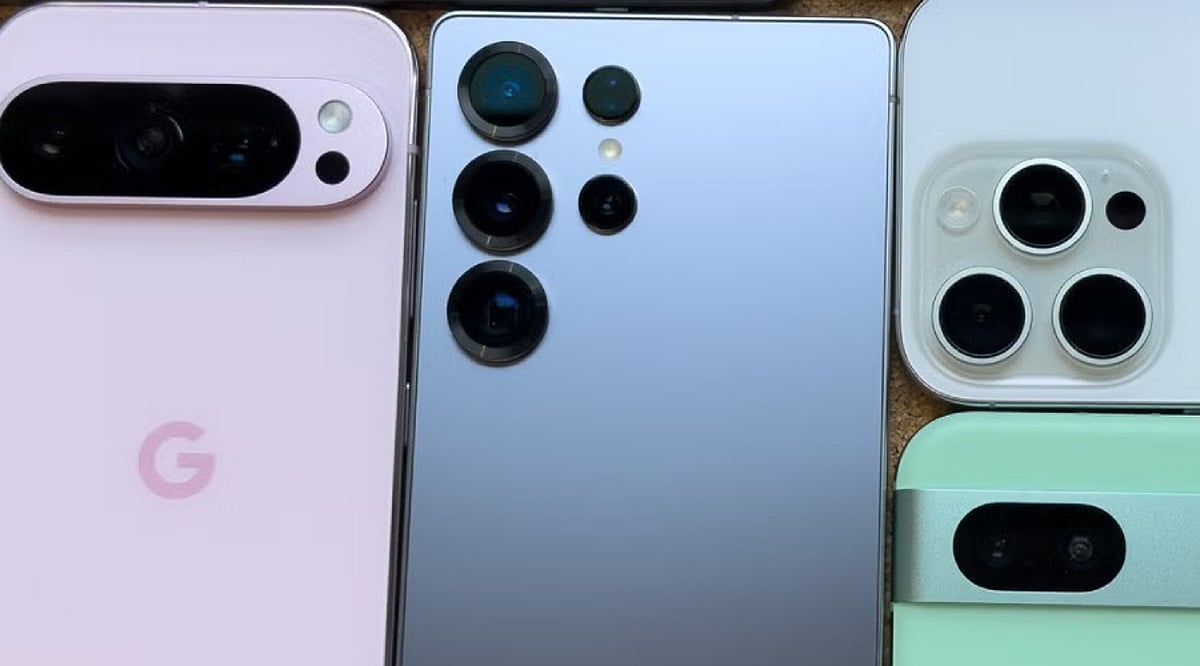
    India’s smartphone market is experiencing a pronounced slowdown as rising prices and economic uncertainty make buyers think twice before upgrading. According to Counterpoint Research, smartphone shipments fell 10% year-on-year in Q2 2026 — the steepest June-quarter decline in six years. IDC reports an even sharper 11.1% drop, with shipments totaling 33.2 million units. Both research firms point to the same underlying issue: consumers no longer see enough value in new phones at current prices.

    Higher Prices Have Changed the Buying Decision

    The average selling price of a smartphone in India reached a record $315, according to IDC, a 14.4% increase over the previous year. Counterpoint estimates that phone prices climbed roughly 15% by the end of Q2 2026, driven by multiple price hikes across major brands. This surge hits the mass market hardest, where even a modest price increase can push a purchase beyond a household’s budget.

    Memory costs are at the heart of the problem. Smartphone memory prices have nearly quadrupled since September 2025, Counterpoint notes, and now account for more than 45% of the bill of materials for phones priced below ₹15,000 — up from less than 20% before. Some models have seen price increases of over 100% from their launch price.

    The impact on price-sensitive buyers has been severe. Shipments of phones in the sub-₹15,000 segment fell 45% year-on-year in Q2. IDC also recorded a 74.3% drop in phones priced below $100. These figures demonstrate how quickly rising component costs can alter consumer behavior at the entry level.

    Buyers Can Get More Value From Older Phones

    A new phone no longer offers the same clear value at the lower end. Consumers can keep their current handset for another year rather than pay more for only modest improvements. Longer replacement cycles have become a key market dynamic, according to Counterpoint.

    The refurbished market provides strong evidence of this shift. India’s refurbished smartphone market grew 13% in the first half of 2026, while new phone sales fell about 11%. Refurbished devices often offer better cameras, displays, and processors at a lower price than comparable new models. Counterpoint expects the refurbished market to grow 16% in 2026.

    This trend also underscores that demand for smartphones hasn’t disappeared. Consumers still want better devices, but price has become a stronger determining factor. A used premium phone now looks more attractive than a new budget handset, especially for buyers focused on camera quality, display performance, and processor speed.

    GST Uncertainty Gives Buyers Another Reason to Wait

    Tax policy adds another layer of hesitation. Smartphones currently carry an 18% Goods and Services Tax (GST). Reports have suggested possible cuts to 12% or even 5%, though no reduction has been confirmed.

    The next GST Council meeting has been rescheduled to October 7, 2026, from the earlier September 12 date. This change gives buyers another reason to postpone a purchase until there is greater clarity on smartphone taxes.

    A lower GST rate could create a meaningful difference at retail. On a phone priced at ₹15,000 before tax, moving from 18% GST to 12% would reduce the tax component by about ₹676. A move to 5% would cut it by roughly ₹1,950, assuming retailers pass the full benefit to buyers. Actual retail savings may vary.

    EMI Plans Keep Premium Phones Strong

    The slowdown does not affect every market segment equally. Premium phones continue to attract buyers, thanks in part to EMI financing that reduces upfront costs. More than half of mainline smartphone sales used some form of financing in Q2, according to Counterpoint. The average EMI tenure reached 10 months, with Apple having the highest average at 17.2 months.

    Google Pixel posted 68% year-on-year growth in the ultra-premium segment above ₹45,000. Samsung grew 2% among the top five brands, while Nothing posted 105% growth. These results reveal a market split between buyers who can stretch budgets for premium devices and those who must delay purchases.

    The Wait Could Make Phones Costlier

    The biggest tension lies between hopes for a GST cut and rising component costs. A buyer may wait for a possible tax reduction, yet memory prices may push phone prices higher before any relief arrives. Counterpoint expects memory prices to rise further, possibly to five times their September 2025 level, and forecasts a 13% decline for India’s smartphone market across 2026.

    India’s smartphone slowdown looks less like a loss of interest and more like a value problem. Buyers still want better phones, but higher prices have shifted the point at which a replacement makes financial sense. For mass-market consumers, the choice now often boils down to three options: keep the old phone, buy refurbished, or wait for a price cut. That shift could keep India’s smartphone market under pressure well beyond a single sales quarter.

  • ChatGPT Plans Compared: Free, Plus, Pro, or Team – Which Subscription Is Right for You in 2026?

    ChatGPT Plans Compared: Free, Plus, Pro, or Team – Which Subscription Is Right for You in 2026?

    ChatGPT offers four main plans in 2026, each tailored to a different type of user and budget. The Free plan provides a basic ChatGPT experience at no cost. Plus adds higher limits and extra features for daily users. Pro targets professionals who need maximum performance and larger usage limits. Team, part of OpenAI’s business offering, focuses on companies needing collaboration tools, shared workspaces, and admin controls.

    Every plan includes access to ChatGPT, but the experience varies by usage, available tools, and priority access. The right choice depends on your work style, daily usage, and collaboration needs.

    ChatGPT Free vs Plus vs Pro vs Team Comparison

    ChatGPT Free

    The Free plan works well for anyone who wants to explore ChatGPT without a subscription. It includes access to GPT models, web search, voice conversations, file uploads, image generation, memory, Canvas, and basic Deep Research. This plan handles everyday tasks such as writing, learning, quick research, and simple coding.

    The main limitation is strict usage caps. Heavy usage may lead to slower access during peak hours, and advanced reasoning tools are available in smaller amounts. New features also arrive later than on paid plans. Even with these limits, the Free plan offers strong value for students, beginners, and casual users.

    ChatGPT Plus

    ChatGPT Plus costs $20 per month and remains the most popular paid option. This plan offers much higher usage limits, faster response times, and priority access during peak traffic. It also unlocks advanced reasoning models, larger context windows, better memory, higher image generation limits, advanced voice features, and a larger Deep Research allowance.

    Daily work becomes smoother with fewer interruptions. Writers, developers, designers, researchers, freelancers, and office professionals often find enough power in this plan without a large monthly expense. OpenAI also releases many new features to Plus subscribers before they reach Free users, adding extra value throughout the year.

    ChatGPT Pro

    ChatGPT Pro costs $200 per month and targets people who depend on AI for demanding tasks. This plan offers the highest usage limits across ChatGPT. It provides top priority access to OpenAI’s most capable models, the largest Deep Research quota, advanced reasoning capacity, and support for long and complex tasks.

    Heavy research, detailed analysis, software development, large document reviews, and advanced workflows benefit from the extra computing resources. Startup founders, AI engineers, consultants, and research professionals gain the most value from this plan. Regular users may not notice enough difference to justify the higher price.

    ChatGPT Team (Business)

    ChatGPT Team focuses on companies that need collaboration tools, shared workspaces, and administrative controls. Pricing starts at around $25 per user per month with monthly billing, or around $20 per user per month with annual billing.

    This plan includes shared workspaces, shared GPTs, member management, central billing, organization memory, admin controls, and business privacy features. Company data stays outside model training by default. These features help teams manage projects, share knowledge, and keep work organized across departments.

    Which Plan Offers the Best Value?

    Every plan fits a different need. The Free plan gives excellent value for light usage and everyday tasks. Plus stands out as the best balance between price and features, delivering faster performance, generous limits, and access to advanced tools without a premium tag.

    Pro serves professionals who run demanding workloads daily and need the highest limits available. Team works best for businesses that need secure collaboration, centralized management, and shared access across multiple employees.

    Final Verdict

    ChatGPT offers a clear upgrade path in 2026. The Free plan covers everyday needs at no cost. Plus delivers the strongest overall value with faster performance, better tools, larger limits, and early feature access for only $20 per month. Pro targets advanced professionals who require maximum computing power and the highest usage limits. Team adds business-focused features that support collaboration, administration, and organizational security.

    The final decision depends on your daily workload, feature requirements, and budget. Most individual users receive the best balance of cost and capability from ChatGPT Plus. Professionals with intensive AI workflows benefit from Pro, while businesses gain the greatest advantage from Team through shared workspaces and centralized management.

    Frequently Asked Questions

    1. Which ChatGPT plan is best for most users?

    ChatGPT Plus is the best choice for most users as it combines advanced features, faster performance, and generous usage limits at an affordable monthly price.

    2. Is ChatGPT Free enough for everyday use?

    Yes. The Free plan is suitable for writing, learning, coding, web search, file uploads, and occasional AI assistance, though it has lower usage limits.

    3. Who should choose ChatGPT Pro?

    Pro is ideal for researchers, developers, consultants, founders, and power users who rely on ChatGPT daily and need the highest limits and priority access.

    4. What makes ChatGPT Team different?

    Team includes shared workspaces, centralized billing, admin controls, organization memory, and collaboration features designed for businesses and small teams.

    5. Is ChatGPT Plus worth $20 per month?

    For regular users, yes. It provides faster responses, higher usage limits, access to advanced models, better voice and image features, and early access to new capabilities.

  • Nintendo Moves to Dismiss Class Action Over Switch 2 Tariff Refunds

    Nintendo Moves to Dismiss Class Action Over Switch 2 Tariff Refunds

    Nintendo has filed a motion in a U.S. court to dismiss a lawsuit demanding refunds for Switch 2 buyers following adjustments to import tariffs. The company argues that customers are not legally entitled to refunds because it never promised price reductions if tariffs changed.

    The lawsuit, initially filed in April 2026 by two consumers in California and Washington, claims Nintendo used tariff refunds to grow the company instead of returning the extra charges to gamers. The dispute stems from price hikes on Switch 2 controllers and the original Switch after U.S. tariffs were imposed—tariffs later declared illegal by the Supreme Court.

    In its legal filing, Nintendo stated it did not assure customers that the console’s price would fluctuate with tariff changes. “Customers knew the price before placing their orders and chose to buy the console at that amount,” the company said, emphasizing there are no legal grounds for refunds.

    Background of the Lawsuit

    The controversy began during the Switch 2 pre-order period. Nintendo delayed U.S. pre-orders to assess tariff impacts, but when orders opened, the console price remained unchanged—though the controller cost $5 more. After tariffs were overturned, Nintendo reportedly secured refunds on those duties, prompting the lawsuit.

    Plaintiffs Gregory Hoffert and Prashant Sharan seek class action status for all U.S. purchasers of price-hiked Nintendo items between February 1, 2025 and February 24, 2026. Nintendo CEO Shuntaro Furukawa previously stated the company views tariffs as a cost factor and incorporates them into pricing.

    Broader Implications

    The case raises a fundamental question for businesses: when a company saves money from reduced tariffs, must it lower prices for customers? Legal experts note that in most cases, companies are free to set their own prices unless they made explicit promises or violated consumer protection laws. Lower costs do not automatically translate to lower retail prices.

  • Can Apple’s Foldable iPhone Revitalize the Sluggish Foldable Phone Market?

    Can Apple’s Foldable iPhone Revitalize the Sluggish Foldable Phone Market?

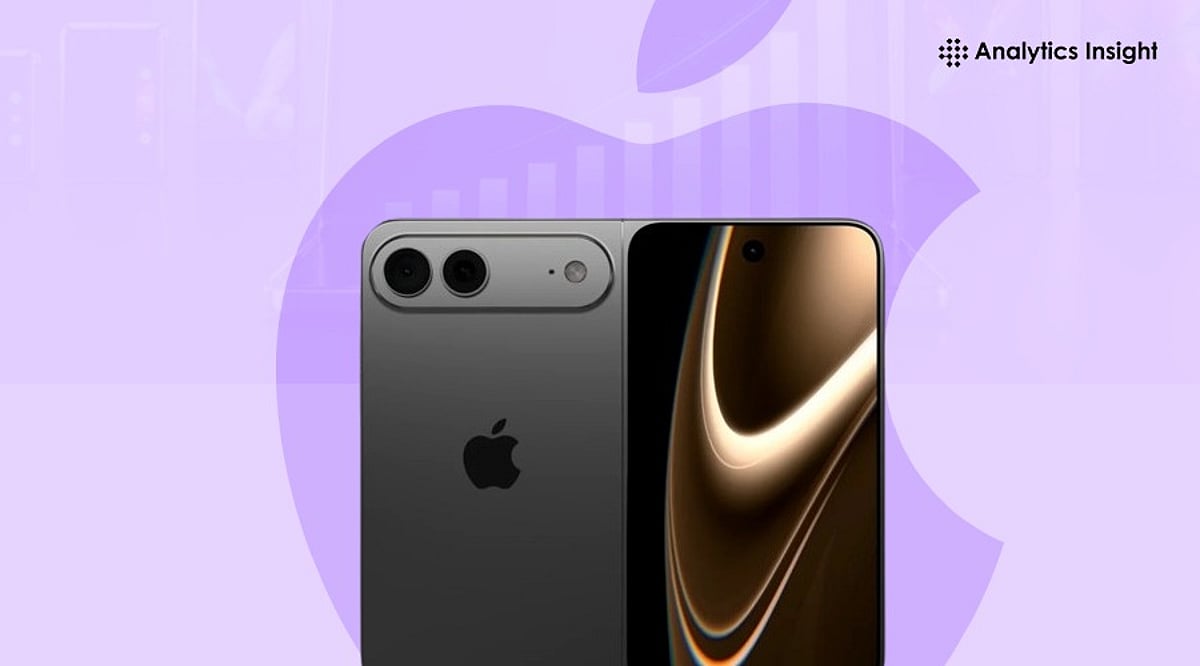
    Apple’s trusted brand could finally push foldable smartphones beyond early adopters into mainstream consumer markets worldwide. Consumer interest already exists, but affordability, durability, and usability remain the biggest barriers to purchase today. Apple’s premium pricing strategy could determine whether foldable phones succeed or remain luxury products exclusively.

    The foldable phone space has been building for years, and one question keeps coming up: Can Apple actually change this market? After looking at the latest research and production reports, the answer appears to be yes, but only if Apple gets a few big things right.

    Foldable phones have been around for years. Samsung, Motorola, Google, and OnePlus have all released models. However, foldables still make up only about 3% of total smartphone sales. This shows that the category is hyped but doesn’t have mass appeal. At least not yet, but Apple is venturing into this space, which can change on the back of its massive brand value worldwide.

    Why Consumers Are More Open Than Expected

    A recent survey from SmartTech Research offers some useful clues. It polled 291 qualified smartphone buyers across the country, not just tech enthusiasts in big cities. The results are notable. About 58% of respondents said they are at least somewhat open to buying a foldable phone next. Only 5.3% said they are unlikely to buy this model.

    This suggests people are not against foldables. They simply don’t have a strong reason to buy one yet. Additionally, the specs, features, and aesthetics can be improved since Apple has a late-mover advantage and it can crack its popularity issue.

    The Apple Trust Factor

    When the same survey asked whether Apple’s entry into the foldable market would make people more confident about buying one, 60.5% said yes. This makes sense given Apple’s history, as it has a pattern of entering product categories later than its competitors and then making them feel mainstream. The iPod was not the first MP3 player, and the iPhone was not the first smartphone. Apple did not invent these categories, but it refined the experience until people trusted and embraced them.

    For foldables, that trust matters even more. Buyers worry about creases, hinges, durability, and repair costs. If Apple can quell those fears, it could pull hesitant buyers off the sidelines. The tech giant will have this big responsibility of addressing these issues with its innovative approach and comprehensive research and development.

    The Price Problem Apple Cannot Ignore

    This is the part that raises concern. Reports now suggest Apple’s foldable iPhone could cost around $2,400 to $2,500. This price is above that of almost every other foldable on the market today. Counterpoint Research data shows only about 2% of foldables are expected to be priced above $2,000 this year.

    The survey backs this up too. Most consumers expect to pay under $1,000 for their next phone. Only a small group said they would pay $2,000 or more for a foldable, even if it offered clear benefits.

    There is also a depreciation problem. Research on foldable phones from SellCell indicates the devices could lose close to 65% of their value within a year. At a $2,500 price point, that could mean losing over $1,600 in value in just twelve months. This is a hard number to ignore.

    Why It Matters

    This matters because Apple rarely enters a market halfway. Recent reports suggest Apple has raised its foldable production target to around 10 million units. This is almost double what Samsung plans to produce across its entire foldable lineup. This is not a cautious test run. It is a serious bet. If Apple pulls this off, it could do what it has done before. It could turn a niche product into a normal purchase. This would expand the entire foldable market, not just Apple’s slice of it. Samsung, Google, and Motorola could all benefit from more people simply being open to the idea of a folding phone. If Apple gets the price or the durability story wrong, though, it risks turning this into an expensive misstep. A device priced above $2,000 could stay a luxury item rather than a mainstream choice.

    The Bigger Picture

    Apple appears to have a real chance to reshape this market. It has secured both trust and credibility. However, it needs a price and design that do not scare buyers away. If it delivers a foldable iPhone that feels reliable and useful rather than fragile and overpriced, it could turn years of foldable hype into real, lasting demand.

    Frequently Asked Questions

    1. Will Apple release a foldable iPhone? Reports suggest Apple is preparing to launch a foldable iPhone, with production plans pointing toward a large-scale rollout rather than a limited test release.
    2. How much will the Apple foldable iPhone cost? Current reports estimate a price between $2,400 and $2,500, which would place it well above the price of most foldable phones sold today.
    3. Are consumers actually interested in foldable phones? Yes. A recent survey found that about 58% of smartphone buyers are at least somewhat open to buying a foldable phone next.
    4. Does Apple’s entry make people trust foldables more? According to the same survey, 60.5% of respondents said Apple entering the foldable market would make them more confident about buying one.
    5. What is the biggest risk for Apple’s foldable phone? Price and depreciation stand out as the biggest risks. Foldable phones already lose close to 65% of their value within a year, and a high starting price could make that loss even steeper.
  • Perplexity AI Review 2025: Features, Pricing, and CEO Vision for AI-Powered Search

    Perplexity AI Review 2025: Features, Pricing, and CEO Vision for AI-Powered Search

    Perplexity AI is rapidly emerging as a compelling alternative to traditional search engines, blending natural language processing with real-time web data to deliver conversational, citation-backed answers. Unlike conventional search that returns a list of links, Perplexity provides direct, fact-driven responses with transparent sourcing—making it both reliable and user-friendly.

    What Is Perplexity AI?

    Perplexity is an intelligent, fast-growing AI search tool that prioritizes correctness, clarity, and speed. It processes millions of queries monthly—approximately 780 million in May 2025, with nearly 20% month-over-month growth—and stands out for its clean interface and human-like comprehension.

    Why It Stands Out

    • Transparent sourcing and citations: Every answer includes clear sources, boosting credibility.
    • Speed in response: Handles vast numbers of queries efficiently.
    • Innovative tools: The upcoming ‘Comet’ browser assistant will perform high-level tasks like article summarization and candidate sourcing from a single sidebar.

    Pricing & Plans

    Perplexity offers flexible pricing:

    • Free Plan: 5 premium-level queries plus unlimited basic searches per day.
    • Pro Plan: $20/month (~₹1,650) for 300 Pro daily queries with access to GPT-4, Claude, and other premium models.
    • Enterprise Pro: $40/month per seat (~₹3,300) for unlimited Pro queries, advanced research tools, and collaboration features.

    Notably, Airtel is offering a one-year free Perplexity Pro subscription to its 360 million users—a value of nearly ₹17,000 per user at no cost.

    Leadership & Vision

    CEO Aravind Srinivas (IIT Madras and UC Berkeley alumnus) has grown the company’s valuation from $1 billion in 2024 to over $14 billion by mid-2025. His strategy focuses on long-term AI development rather than short-term profit, with plans for the Comet browser—an AI assistant that goes beyond search to assist professionals in real time.

    Strengths & Limitations

    Strengths

    • Reliable, well-sourced answers with citations.
    • Advanced AI models available in Pro/Enterprise tiers.
    • Comet tool could redefine multitasking with real-time assistance and summarization.

    Limitations

    • Comet is still in beta, limiting access for casual users.
    • Like any AI, occasional inaccuracies require user discretion.

    Final Thoughts

    Perplexity AI introduces a new paradigm of clarity, speed, and intelligence in search. Its tiered pricing serves casual users, professionals, and enterprises alike, while partnerships like Airtel’s bring premium tools to millions. Under Aravind Srinivas, the company is evolving beyond search into a comprehensive knowledge assistant. For those seeking more control, smarter results, and a clean interface, Perplexity is worth exploring.