Tag: private keys

  • Why Crypto Exchanges Remain Vulnerable Even After Passing Security Audits

    Why Crypto Exchanges Remain Vulnerable Even After Passing Security Audits

    Security audits are a cornerstone of trust in the cryptocurrency world. They signal that a platform’s code has been examined by experts. Yet, history shows that many audited platforms still fall victim to hacks. Understanding why helps investors and users stay cautious. Here are seven key reasons crypto platforms can be compromised even after a clean audit.

    1. New Code Introduces Fresh Risks

    A security audit evaluates only the code and systems present at that moment. Once developers add features, modify functionality, or integrate new services, the platform’s attack surface changes. These updates can introduce vulnerabilities that the original audit never saw, leaving the platform exposed despite a previously clean report.

    2. Audits Have Limited Scope

    Audits typically focus on a predefined set of contracts, systems, or infrastructure. They cannot examine every external service or blockchain protocol a platform relies on. Vulnerabilities lurking outside the audit’s scope—such as in third-party oracles or cross-chain bridges—may go undetected.

    3. Zero-Day Vulnerabilities

    Attackers sometimes discover security flaws that no researcher has yet identified. These zero-day exploits can be used before developers have a chance to patch them. No audit can guarantee protection against threats that do not yet exist.

    4. Human Error Undermines Technical Security

    Even the strongest code can be bypassed through mistakes by employees, developers, or users. Phishing attacks, leaked credentials, misconfigurations, and unsafe operational practices give attackers a way in. In these cases, the audited software remains sound, but the people and processes around it become the weak link.

    5. Smart Contract Interactions Create Hidden Flaws

    Crypto platforms often rely on multiple smart contracts and protocols that interact. A platform may appear secure on its own, but a flaw in a connected contract can expose it. Unexpected interactions between contracts can also create attack vectors that a standalone audit would miss.

    6. Compromised Private Keys Bypass All Code Protections

    Security audits focus on code, not on key management. If attackers steal or compromise administrative private keys or privileged credentials, they can move funds or make unauthorized changes. Strong code cannot protect a platform when critical keys are already in the wrong hands.

    7. Attack Techniques Are Constantly Evolving

    Cybersecurity is a moving target. Attackers continuously develop new methods, meaning a platform secure today may face different threats tomorrow. Security audits should be seen as one layer of defense, not a permanent guarantee. Continuous monitoring, regular testing, rapid patching, strict access controls, and solid incident-response plans remain essential.

  • 7 Essential Strategies to Safeguard Your Cryptocurrency

    7 Essential Strategies to Safeguard Your Cryptocurrency

    Cryptocurrency security is paramount in a digital landscape where threats evolve constantly. Whether you’re a seasoned investor or new to crypto, implementing robust protective measures can prevent theft and loss. Below are seven critical steps to keep your digital assets safe.

    Use a Hardware Wallet

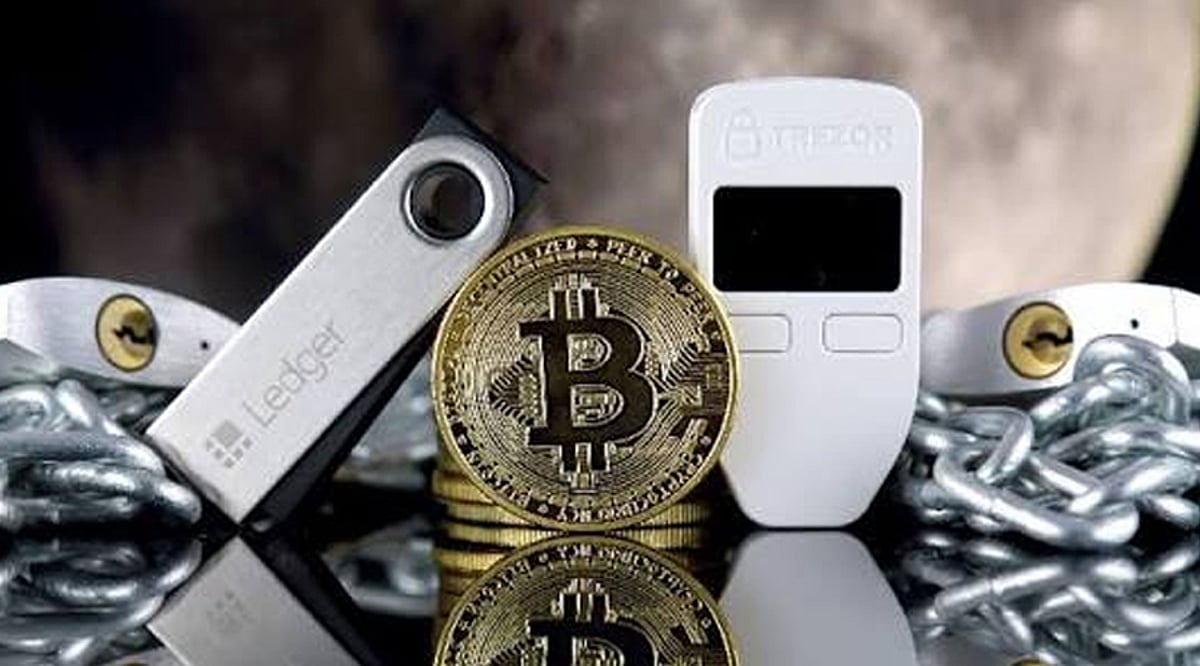
    Hardware wallets keep cryptocurrency private keys offline, reducing exposure to online threats. Devices such as Ledger and Trezor provide an additional security layer for long-term holdings. Always purchase wallets from official sources, protect recovery phrases carefully, and follow the manufacturer’s security instructions when setting up and accessing your assets.

    Secure Your Private Keys

    Private keys provide access to cryptocurrency holdings and should never be shared. Store them securely and avoid saving them in easily accessible digital locations. Losing a private key can permanently restrict access to funds, while exposing it can allow unauthorized transactions. Treat private keys as highly sensitive financial information.

    Protect Your Recovery Phrase

    A recovery phrase can restore access to a cryptocurrency wallet, making its protection essential. Write the phrase down and store it somewhere secure and private. Avoid screenshots, cloud storage, emails or messaging apps. Never share recovery phrases with anyone claiming to provide wallet support or security assistance.

    Enable Multi-Factor Authentication

    Multi-factor authentication adds another layer of protection to cryptocurrency exchanges and related accounts. Whenever available, use an authenticator application or security key instead of relying exclusively on SMS. Strong authentication reduces the risk of account compromise, particularly if passwords are exposed through phishing attacks, data breaches or reused credentials.

    Create Strong, Unique Passwords

    Use long, unique passwords for cryptocurrency exchanges, wallets and associated email accounts. Avoid reusing passwords across multiple services because one compromised account can create additional security risks. A reputable password manager can help generate and store unique credentials, reducing the temptation to use predictable passwords or repeat the same password.

    Beware of Scams and Phishing

    Cryptocurrency users frequently encounter fake websites, investment schemes, impersonation attempts and phishing messages. Verify website addresses before entering credentials or approving transactions. Be particularly cautious about unexpected messages requesting payments, private keys or recovery phrases. Legitimate wallet providers and exchanges will not require users to reveal sensitive recovery information.

    Keep Software and Backups Updated

    Regularly update wallet applications, operating systems and security software to address known vulnerabilities. Maintain secure backups where appropriate and verify that recovery information remains accessible. For larger holdings, consider separating funds between wallets and keeping long-term assets offline. Security should combine technology, careful habits and protection against human error.

  • Ultimate Crypto Security Guide: Safeguard Your Digital Assets from Scams, Hacks, and Theft in 2026

    Ultimate Crypto Security Guide: Safeguard Your Digital Assets from Scams, Hacks, and Theft in 2026

    Cryptocurrency has revolutionized how people invest, trade, and store wealth. Unlike conventional banks, the crypto world offers no safety net—a forgotten password, lost seed phrase, phishing attack, or malicious smart contract can wipe out your entire savings instantly, often with no recourse. As crypto adoption grows and cybercriminal tactics become more sophisticated, securing your digital assets is essential. Whether you’re a first-time Bitcoin buyer or a seasoned investor with a diverse portfolio, understanding the risks is the first step to protecting yourself. This comprehensive guide covers the most critical crypto security practices for 2026.

    Common Cryptocurrency Scams and How to Avoid Them

    Crypto scams evolve alongside the industry. The most prevalent include fake investment platforms, giveaway scams, celebrity or exchange impersonation, rug pulls, and pump-and-dump schemes. Scammers often promise guaranteed returns or claim you’ve won free crypto. Others create fake customer support accounts on social media to steal wallet credentials.

    How to stay safe:

    • Never trust guaranteed profits.
    • Verify social media accounts and websites.
    • Avoid clicking unknown links.
    • Research projects thoroughly before investing.
    • Ignore unsolicited investment advice in messaging apps. If something sounds too good to be true, it almost certainly is.

    How to Secure Your Crypto Wallet: Essential Safety Tips for Beginners

    A crypto wallet doesn’t actually store coins—it stores the private keys that provide access to blockchain assets. For beginners, security starts with choosing a trusted wallet provider and keeping software updated. Basic wallet safety includes:

    • Download wallets only from official sources.
    • Enable password protection.
    • Use biometric authentication when available.
    • Update wallet software regularly.
    • Never install unofficial wallet extensions. If you’re holding significant funds, avoid keeping everything in a single wallet. Diversifying storage reduces overall risk.

    How to Protect Your Private Keys and Seed Phrase from Theft

    Your private key and seed phrase are the master keys to your crypto holdings. Anyone with access to them can transfer your assets permanently.

    Best practices include:

    • Write your recovery phrase on paper or metal backup plates.
    • Store backups in secure physical locations.
    • Never take screenshots of your seed phrase.
    • Never save recovery phrases in cloud storage or email.
    • Never share them with anyone—even customer support. Many scams begin with fake “wallet verification” requests asking users to enter their seed phrase. Legitimate wallet providers never ask for it.

    Hot Wallet vs Cold Wallet Security: Which is Safer for Your Crypto?

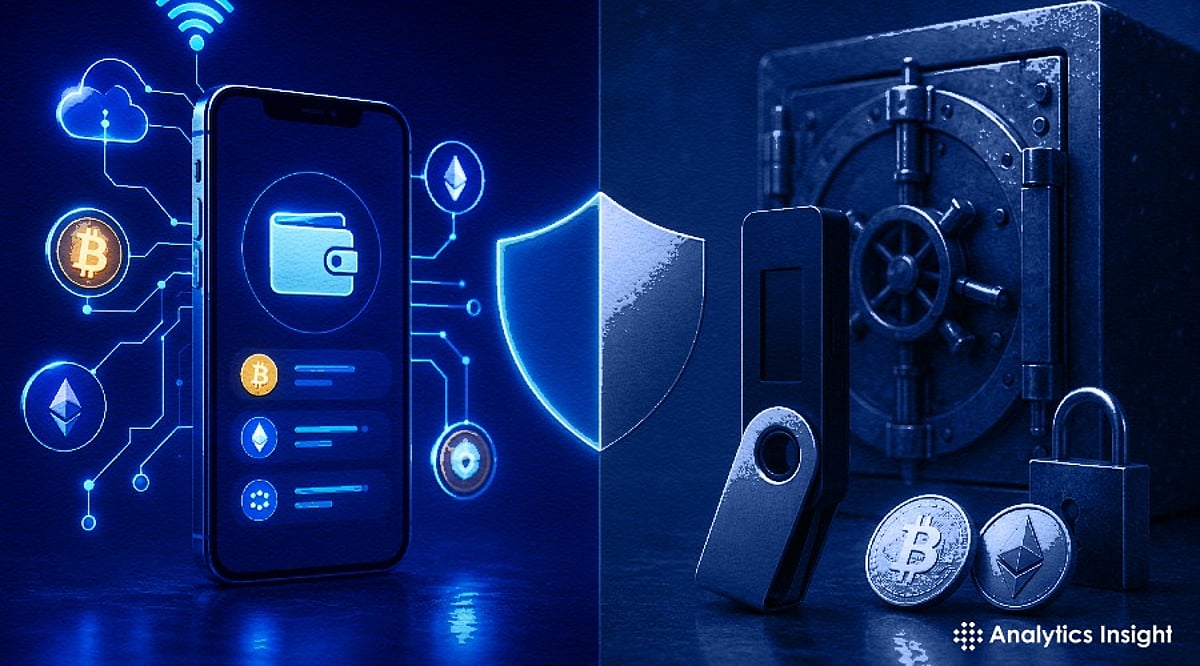
    Choosing the right wallet depends on how often you use your crypto. Hot wallets are ideal for trading and small balances. Cold wallets, including hardware wallets, offer stronger protection because private keys never leave the device. Many experienced investors use a combination of both: a hot wallet for spending and a cold wallet for long-term holdings.

    How to Spot Crypto Phishing Scams, Fake Apps, and Fraudulent Websites

    Phishing remains the biggest threat in cryptocurrency. Attackers build fake exchange login pages, counterfeit wallet apps, and malicious browser extensions that look identical to legitimate services. Warning signs include:

    • Misspelled URLs
    • Unexpected login requests
    • Poor grammar
    • Pressure to act immediately
    • Fake customer support chats

    Always bookmark official websites instead of relying on search engine advertisements, which can sometimes promote fraudulent sites. Before approving wallet connections, verify the domain carefully.

    How to Keep Your Crypto Exchange Account Safe from Hackers

    Even major cryptocurrency exchanges face ongoing cyber threats. Protect your account by:

    • Using unique, complex passwords.
    • Enabling strong two-factor authentication.
    • Whitelisting withdrawal addresses when available.
    • Reviewing login history regularly.
    • Avoiding public Wi-Fi for financial transactions.

    Don’t leave large amounts of cryptocurrency on exchanges for extended periods. Exchanges are designed for trading—not permanent storage. Move long-term holdings into private wallets whenever possible.

    Best Two-Factor Authentication (2FA) Methods for Crypto Security

    Two-factor authentication provides an additional layer of protection beyond passwords. Not all 2FA methods offer equal security.

    Recommended options:

    • Authenticator Apps: Generate time-based security codes that are resistant to SIM swap attacks.
    • Hardware Security Keys: Devices like FIDO-compatible security keys provide among the strongest protection available.

    Avoid SMS Authentication: SMS verification remains vulnerable to SIM swapping, where criminals convince mobile carriers to transfer your phone number. Whenever possible, choose app-based authentication or physical security keys instead.

    How to Recover Lost or Stolen Cryptocurrency: What You Can and Can’t Do

    Crypto transactions are generally irreversible. If your assets are transferred to another wallet, blockchain networks typically cannot reverse the transaction. However, you should immediately:

    • Contact the exchange if funds were stolen from your exchange account.
    • Report the theft to law enforcement.
    • Notify blockchain analytics firms if large amounts are involved.
    • Preserve wallet addresses and transaction IDs.

    Recovery may be possible only if stolen assets pass through regulated exchanges willing to cooperate with investigations. If you lose your wallet but still have your recovery phrase, restoring access is usually straightforward. If both the wallet and seed phrase are lost, the assets are almost certainly unrecoverable.

    How to Safely Store Large Cryptocurrency Holdings for Long-Term Investment

    Long-term investors should prioritize security over convenience. Recommended strategy:

    • Store assets in hardware wallets.
    • Maintain multiple encrypted backups of recovery phrases.
    • Consider geographic separation for backups.
    • Use multi-signature wallets for substantial holdings.
    • Periodically verify backup integrity.

    Avoid discussing large crypto holdings publicly, as this can increase the risk of targeted phishing or social engineering attacks. Estate planning is also becoming increasingly important, ensuring trusted family members can access assets if necessary.

    Smart Contract and DeFi Security Risks Every Crypto Investor Should Know

    Decentralized Finance (DeFi) offers innovation but introduces unique risks. Common threats include:

    • Smart contract vulnerabilities
    • Flash loan attacks
    • Oracle manipulation
    • Rug pulls
    • Malicious token approvals

    Before interacting with any decentralized application:

    • Verify whether the protocol has undergone independent security audits.
    • Review community reputation.
    • Limit token approvals instead of granting unlimited permissions.
    • Revoke unused wallet permissions periodically.

    Even audited protocols can contain undiscovered vulnerabilities, so diversification remains essential.

    Common Crypto Security Mistakes That Put Your Digital Assets at Risk

    Many crypto losses stem from user mistakes rather than technical failures. Frequent errors include:

    • Reusing passwords
    • Ignoring software updates
    • Keeping all assets on exchanges
    • Clicking unknown links
    • Saving seed phrases digitally
    • Falling for urgency tactics
    • Using public computers for crypto transactions

    Security habits matter far more than expensive tools. Small precautions consistently applied provide significant protection over time.

    Best Crypto Security Practices Every Investor Should Follow in 2026

    Cybersecurity continues to evolve alongside blockchain technology. Core best practices include:

    • Enable strong 2FA.
    • Use hardware wallets for significant holdings.
    • Verify wallet addresses before every transfer.
    • Double-check blockchain networks before sending funds.
    • Keep operating systems updated.
    • Separate trading funds from long-term investments.
    • Regularly review connected wallet permissions.
    • Maintain offline backups of recovery phrases.
    • Test recovery procedures periodically.

    Staying informed about emerging scams is just as important as maintaining secure technology.

    Future of Cryptocurrency Security: AI, Multi-Signature Wallets, and Emerging Protection Technologies

    Crypto security is becoming increasingly sophisticated. Artificial intelligence is helping exchanges detect suspicious transactions, identify phishing attempts, and flag unusual account activity in real time. Multi-signature wallets continue to gain popularity because they require multiple approvals before funds can move, reducing the risk of a single compromised device or key. Other emerging technologies include:

    • Biometric authentication
    • Passkey-based wallet access
    • Zero-knowledge identity verification
    • Hardware isolation chips
    • Real-time blockchain threat intelligence
    • AI-powered fraud detection

    As institutional investors enter the crypto market, security standards are expected to become more advanced, benefiting retail investors as well. However, technology alone cannot eliminate risk. User awareness will remain the strongest defense against scams and theft.

    Market Outlook

    Cryptocurrency offers financial freedom, but it also demands personal responsibility. Unlike traditional banking, there is rarely a customer service hotline that can reverse fraudulent transactions or recover forgotten credentials. Protecting digital assets requires a combination of secure technology, careful online behavior, and ongoing vigilance. Using hardware wallets, safeguarding private keys, enabling strong authentication, verifying every transaction, and staying informed about new threats can dramatically reduce the chances of becoming a victim. As blockchain technology continues to mature in 2026 and beyond, investors who prioritize security alongside investment strategy will be best positioned to protect and grow their digital wealth over the long term.

  • Hot Wallets vs Cold Wallets: A Complete Security Comparison for Cryptocurrency Holders

    Hot Wallets vs Cold Wallets: A Complete Security Comparison for Cryptocurrency Holders

    Cryptocurrency has become more popular than ever, with millions of people now owning Bitcoin, Ethereum, and other digital coins. As the number of crypto owners grows, hackers continue to search for new ways to steal digital assets. Wallet security has become one of the most important aspects of crypto ownership.

    A crypto wallet does not actually store coins—it stores the private keys that give access to those coins on the blockchain. If someone obtains those private keys, they can take the crypto. This makes wallet security just as important as choosing the right cryptocurrency. Two of the most common options are hot wallets and cold wallets. Both have advantages, but they also carry different risks.

    What Is a Hot Wallet?

    A hot wallet is a wallet that stays connected to the internet. It can be a mobile app, desktop software, browser extension, or web wallet. Popular examples include MetaMask, Trust Wallet, Phantom, and Coinbase Wallet.

    The biggest benefit of a hot wallet is speed. It allows fast access to crypto at any time, making it a good choice for frequent traders, NFT buyers, decentralized finance users, and those who make regular crypto payments. Everything happens quickly because there is no need to connect an extra device before each transaction.

    However, the internet connection also creates the biggest weakness. Hackers can use many methods to reach online wallets: fake websites, phishing emails, harmful browser extensions, malware, and fake apps remain common tricks. Recent security research also found that some browser extension wallets may expose user privacy through address tracking and other online methods. This shows that online wallets require careful use even when they come from trusted companies.

    What Is a Cold Wallet?

    A cold wallet stores private keys without an internet connection. Hardware wallets such as Ledger and Trezor are the best-known examples. Paper wallets and air-gapped devices also belong to this category.

    Because the wallet stays offline, hackers cannot directly reach the private keys through the internet. Even if a computer has malware, crypto stored in a cold wallet usually remains safe—unless the attacker also gains physical access to the device and its recovery information.

    Many long-term investors prefer cold wallets because they offer much stronger protection. Security experts continue to recommend offline storage for large crypto holdings. Although cold wallets require a few extra steps before sending crypto, many people accept this small inconvenience for the added safety.

    Which Wallet Offers Better Security?

    Cold wallets generally provide better security than hot wallets. The main reason is that they remain offline. Most cyber attacks depend on internet access, so an offline wallet removes many common risks.

    Hot wallets focus more on convenience than maximum protection. They make daily transactions simple, but they also create more opportunities for hackers. A single mistake—such as opening a fake website or approving a harmful transaction—can lead to the loss of digital assets.

    Cold wallets are not perfect, however. A lost hardware wallet, forgotten PIN, damaged device, or missing recovery phrase can also cause permanent loss of crypto. Good storage habits remain important because there is no customer support that can recover lost private keys.

    Recent Security Incidents

    Recent events have shown that wallet security requires much more than good technology. In 2025, the Bybit cryptocurrency exchange suffered one of the biggest crypto thefts in history. Attackers manipulated the transaction approval process connected to the company’s cold wallet system and stole about $1.5 billion worth of Ethereum-related assets. The incident proved that even cold storage requires strict security procedures and careful verification before every transaction.

    Another major attack happened in 2024 when Indian crypto exchange WazirX lost hundreds of millions of dollars after attackers found weaknesses in its multisignature wallet system. The event showed that advanced wallet technology alone cannot stop every attack if operational security becomes weak.

    Security experts also warned about a new malware called Crypto Clipper. Microsoft researchers discovered that this malware can replace copied wallet addresses with the attacker’s address before a transaction takes place. It can also steal seed phrases and collect screenshots from infected computers. Online wallets remain the main target because they stay connected to the internet.

    Which Wallet Should You Choose?

    There is no single wallet that fits every situation. The best choice depends on how you use crypto. Hot wallets work well for small amounts that need quick access. They make trading, payments, and blockchain activities much easier because everything happens within seconds.

    Cold wallets are a better choice for large investments that remain untouched for a long time. Many experienced investors keep most of their crypto in a cold wallet while placing only a small amount in a hot wallet for daily use. This method reduces the chance of losing valuable assets if an online wallet becomes compromised.

    Simple Ways to Keep Your Crypto Safe

    Strong security habits matter just as much as the wallet itself. Recovery phrases should always stay offline in a secure place where no one else can reach them. Wallet software and device firmware should remain updated because updates often fix newly discovered security problems.

    Every wallet address deserves careful checking before sending crypto, because malware can secretly change copied addresses. Private keys and recovery phrases should never appear online or be entered into unknown websites. Official wallet applications remain the safest option, as fake apps continue to appear on the internet.

    Final Verdict

    When it comes to cryptocurrency protection, cold wallets are the best option due to their offline nature, which eliminates the risk of many online attacks. They are mostly used by long-term investors and people with high-value crypto holdings.

    However, hot wallets have their own importance. The speed and simplicity they provide for exchanges, payments, and decentralized apps are valuable. It is important to note that hot wallets are riskier because they are online.

    Therefore, the best strategy involves using both types of wallets together. A hot wallet can handle small payments while a cold wallet keeps larger assets safe. Recent attacks on Bybit and WazirX made it clear that proper security is not just about technology—it also requires good practices, careful verification, and responsible handling of private keys.