
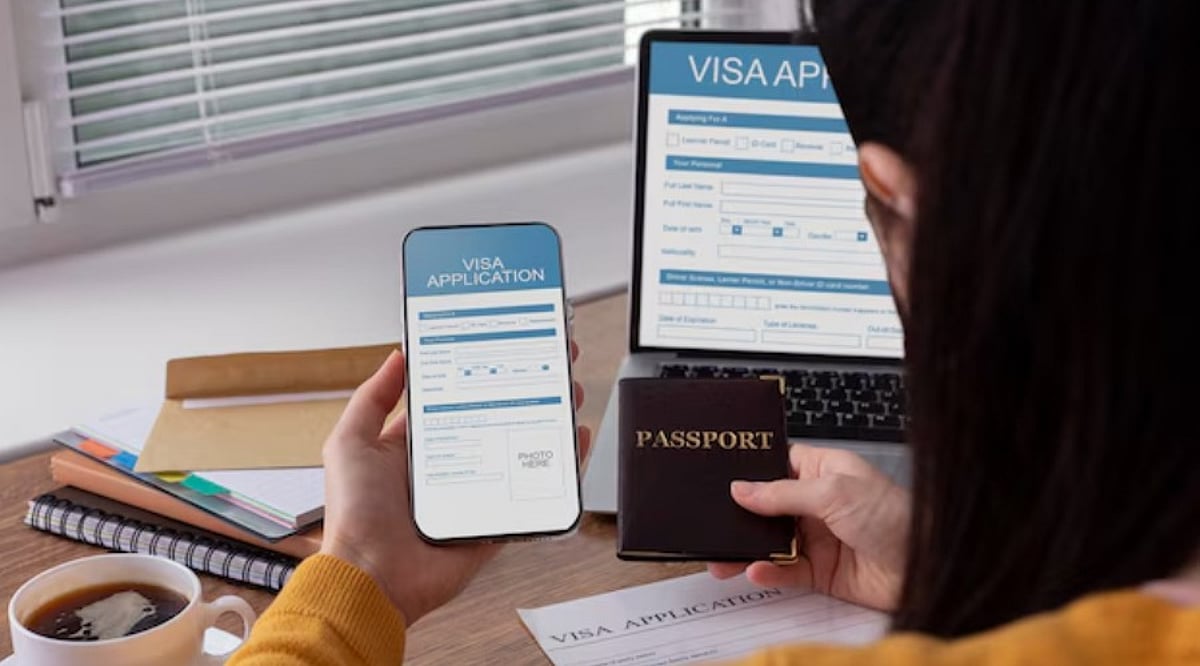
The process of traveling abroad—whether for leisure, business, education, or visiting relatives—has never been simpler for Indian tourists. While booking flights and accommodations can take just minutes, the visa application process remains a time-consuming and stressful endeavor. Collecting required documents, understanding each country’s specific requirements, filling out forms correctly, and tracking application status can be daunting.
Fortunately, artificial intelligence is radically changing that. By automating processes, validating documents, and providing step-by-step assistance, AI makes the visa application process faster and less intimidating.
Challenges Faced by Indian Travelers
Every nation has its own visa requirements and application procedures. A small mistake—such as uploading the wrong document or filling in a field incorrectly—can lead to delays or requests for additional information. Common challenges include:
- Navigating country-specific document requirements
- Organizing financial and supporting documents
- Filling out lengthy application forms accurately
- Tracking the status of submitted applications
- Dealing with multiple document formats (PDF, scans, photos)
For those juggling work, studies, or family obligations, these tasks can become overwhelming.
The Role of AI in Streamlining Visa Applications
Artificial intelligence simplifies the visa application process by reducing manual tasks. Advanced AI guides users through every step, from initial document preparation to final submission. Current systems can analyze uploaded documents, identify gaps, and flag potential errors before submission. AI also provides personalized checklists based on the traveler’s destination and visa type.
Automated Document Validation
Document preparation is often the most time-consuming part of visa applications. Travelers must ensure that passports, financial records, identification papers, photographs, and letters of invitation are correct and complete. AI-powered validation tools automatically check documents for errors, missing pages, or inconsistencies. Instead of receiving a rejection notice after submission, travelers get real-time feedback and can fix issues immediately.
Enhancing Transparency Throughout the Process
One of the biggest frustrations for applicants is the lack of clarity after submitting documents. Travelers often wonder if more information is needed and when a decision will be made. AI-based platforms solve this by offering centralized dashboards that track status, send notifications, and provide updates on any changes. This transparency helps travelers—especially business travelers and families with fixed trip dates—plan more effectively.
Visarun AI: An Example in Action
Visarun AI is a prime example of how artificial intelligence can make visa applications easier for travelers. This AI-enabled B2C platform simplifies the entire process, from preparing the application and organizing documents to tracking status and receiving updates. Rather than leaving travelers to navigate complex requirements alone, Visarun AI uses automation to guide them step by step.
Advantages Beyond Faster Processing
In addition to reduced processing time, AI offers several other benefits:
- Less paperwork and manual effort
- Greater accuracy in documentation
- Tailored assistance based on the traveler’s profile
- Shorter preparation time
- Increased transparency about application progress
- Reduced stress during the entire visa process
These benefits are especially valuable for first-time international travelers.
The Future of AI in Travel
Artificial intelligence is expected to play an even larger role in international travel in the coming years. Future advancements may include multilingual assistance, better document recognition, predictive process improvements, and personalized travel recommendations. AI does not replace immigration officials but works alongside existing systems to produce better-prepared applications that are easier to evaluate. As governments worldwide continue digitizing their processes, AI travel assistants will become as common as booking flights, arranging accommodations, and purchasing insurance.
Conclusion
For Indian citizens, securing a visa has traditionally involved extensive paperwork, diligence, and uncertainty. Artificial intelligence is revolutionizing this process by automating checks, simplifying document preparation, and increasing transparency. With tools like Visarun AI, travelers can now streamline the visa application process, avoid common mistakes, and minimize stress.