Tag: professional development

  • From Software Developer to Upskilling Pioneer: How Krishna Kumar Built Learnbay to Tackle Career Anxiety

    From Software Developer to Upskilling Pioneer: How Krishna Kumar Built Learnbay to Tackle Career Anxiety

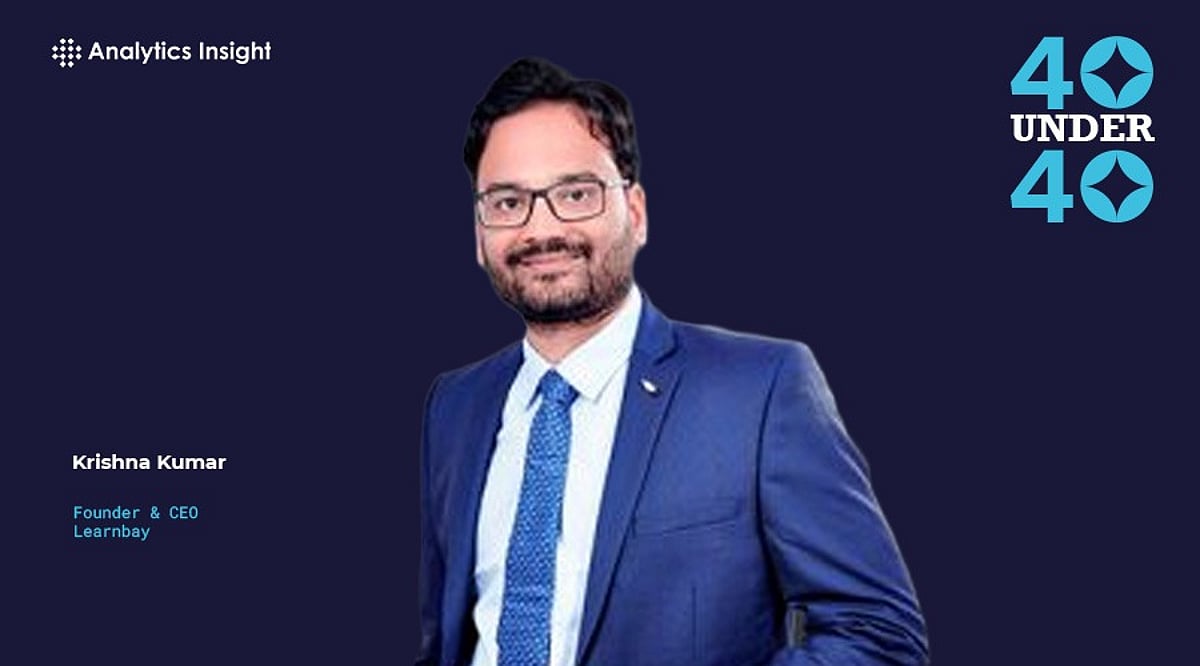
    Krishna Kumar, a veteran software engineer with stints at Wipro, Cisco, and Samsung, turned his own observations of career stagnation into Learnbay — an upskilling platform that helps working professionals transition into AI, data science, and cloud roles. Launched in 2015, Learnbay has grown from a single Bangalore classroom to a multi-city hub with a presence in seven Indian cities and several international locations.

    Krishna’s journey began when he noticed that many talented professionals, despite working tirelessly, lacked future-proof career paths. He believed that a technical background or coding skills were not prerequisites for a successful career in the AI era. This conviction drove him to create Learnbay as an open-learning platform that prioritizes real-time exposure over pre-recorded sessions.

    Learnbay’s curriculum evolves continuously to keep pace with industry trends, covering everything from basic data science and cloud & DevOps to advanced GenAI and Agentic AI. Strategic partnerships with IBM, Microsoft, NASSCOM, IIT Patna, and Woolf University ensure industry relevance. In 2023, the platform achieved 300% growth, reflecting its impact.

    Krishna emphasizes outcomes over vanity metrics. Learnbay’s hybrid training model — combining live online sessions with face-to-face capstone projects — is designed for busy professionals. Placement assistance, customized mentorship, and interview preparation are core services, not add-ons. The platform’s success is measured by learners’ career transitions and placements at over 350 MNCs.

    Looking ahead to 2026 and beyond, Krishna remains focused on disciplined upskilling strategies, expanding GenAI and Agentic AI offerings, and deepening partnerships. His philosophy is simple: a course succeeds only when the learner’s career goals are met. Learnbay aims to make reskilling tangible, measurable, and accessible for professionals from any domain.

  • Complete Guide to Microsoft AI Certifications for Professionals in 2026

    Complete Guide to Microsoft AI Certifications for Professionals in 2026

    Artificial intelligence is reshaping the workplace, and companies across industries are actively seeking professionals who understand AI tools. Microsoft has developed a comprehensive certification program to help professionals acquire these in-demand skills. These certifications go beyond simple tests—they provide practical, job-ready knowledge that can be applied immediately.

    Different roles require different learning approaches. Managers, developers, data scientists, and IT specialists each have unique goals and challenges. Microsoft recognizes this and has designed separate learning paths tailored to each career type.

    What Microsoft’s AI Program Offers

    Microsoft provides a centralized learning hub for AI training, bringing together a wide range of courses in one accessible platform. Professionals can progress through the material at their own pace, whether they are complete beginners or have some foundational knowledge. The hub offers resources for both groups.

    Learners start with basic concepts about what AI is and gradually advance to more complex topics. The system flows naturally from one idea to the next, with each lesson building on the previous one.

    Different Paths for Different Jobs

    Each job role has distinct needs. A business leader wants to understand how AI can drive company growth. A developer focuses on writing code that leverages AI services. A data scientist works on improving prediction accuracy. IT professionals manage the infrastructure that runs AI applications. Microsoft has created separate learning paths for each role.

    • Business leaders take courses on applying AI to business strategy.
    • Developers learn to build applications using Azure AI tools.
    • Data scientists study machine learning and analytical methods.
    • IT professionals learn to maintain and optimize AI systems.

    This role-based approach ensures professionals learn only what is relevant to their work, saving time and keeping training focused on real-world goals.

    Learning the Basics First

    Microsoft emphasizes starting with fundamentals. Early courses explain what AI is and how AI systems operate. Key introductory courses include Introduction to AI in Azure and Introduction to Generative AI. These help professionals grasp core concepts.

    Training also covers responsible AI practices, teaching how to build fair and safe AI systems. This ethical component is a critical part of the curriculum, addressing concerns beyond just technology.

    Why Companies Value These Certifications

    The job market is evolving rapidly, and employers prioritize candidates with verified AI skills. A Microsoft AI certification demonstrates that a professional has invested time in learning and has passed a rigorous assessment. The certification process includes courses, hands-on practice labs, and a final exam.

    The exam tests practical ability, ensuring certified professionals are ready to contribute from day one. Employers trust this validation, and certified workers stand out to hiring managers.

    How to Get Started

    Professionals should begin with the fundamentals using Microsoft Learn, a free platform that requires only a Microsoft account. Learners choose a path aligned with their role and progress through courses at their own pace. Many courses include practice labs where users work with real tools in a safe environment, reinforcing skills through hands-on experience.

    Starting this journey is easier than many professionals think. The structured approach removes guesswork and provides a clear roadmap to certification.

    Final Thoughts

    Microsoft’s AI certification program prepares professionals for various job roles by teaching both technical skills and responsible AI practices. With self-paced learning and practical training, professionals gain skills that help them thrive in an AI-driven workplace.

    Frequently Asked Questions

    1. What are Microsoft AI Certifications? They are role-based learning programs that help professionals build practical AI, Azure, and machine learning skills through structured courses and certification exams.
    2. Who should take them? Developers, data scientists, IT professionals, business leaders, and anyone looking to build AI skills for career growth.
    3. Are Microsoft AI courses free? Many learning modules are free on Microsoft Learn, though certification exams typically require a separate fee.
    4. Do they help with career opportunities? Yes. They validate AI and cloud computing skills, making professionals more competitive for roles in AI, data science, software development, and IT.
    5. Where can I start? Begin with Microsoft Learn, choose a role-based AI learning path, complete the training modules, practice in hands-on labs, and prepare for the certification exam.
  • Land a Blockchain Job Without Coding: Your Complete Career Roadmap

    Land a Blockchain Job Without Coding: Your Complete Career Roadmap

    Many people think blockchain careers are only for software developers. That idea is no longer true. Today, companies in the blockchain industry need people with many different skills. They look for professionals who can manage communities, write content, build partnerships, support customers, handle projects, and promote products. This shift has opened the door for people who do not know programming but still want to build a successful career in Web3.

    The industry has also grown at an impressive pace. Research shows that the global blockchain market could cross $825 billion by 2032, with a compound annual growth rate (CAGR) of 52.8%. At the same time, Web3 job platforms feature more than 40,000 job openings across over 7,200 companies. Many of these positions focus on business, marketing, customer support, operations, compliance, and research instead of software development. This growth creates exciting opportunities for fresh graduates, career changers, and professionals from different backgrounds.

    Learn the Basics Before You Apply

    You do not need to learn coding to understand blockchain technology. Employers want successful candidates to be able to communicate using the terminology associated with blockchain technology. Start by learning about Bitcoin and Ethereum as these cryptocurrencies are at the core of the phenomenon. Learn how digital wallets function to store assets and how blockchain records transactions. Research smart contracts, even if you never plan to create one. Learn about DeFi, stablecoins, NFTs, DAOs, Layer 2 networks, and tokenomics. The acquired knowledge will help you understand how blockchain projects work and which problems they address.

    Choose a Career Path that Matches Your Strengths

    There are a large number of non-technical opportunities at blockchain companies, so choose one that matches your skills and interests. If writing is of interest, choose content writing as a way to get started in this field. Content writers communicate the meaning of blockchain to people through blog posts, newsletters, online articles, and educational materials. People proficient in communication skills usually manage to become community managers. They interact with users by means of Discord, Telegram, X, answer questions, and support communities of loyal customers using blockchain products. Business development is another great position one can choose. People in this role establish partnerships, connect with clients, and help organizations grow. Product managers cooperate with different teams to develop blockchain products and enhance user experience. Research analysts analyze market tendencies, token performance, and blockchain innovations, while compliance analysts help companies comply with financial and legal requirements.

    Build Skills that Companies Really Need

    Knowledge about blockchain technology alone is not enough. Employers are also interested in practical business skills since every project relies on communication, planning, and interaction with customers. Digital marketing helps companies connect with new audiences using online campaigns. Knowledge of SEO improves website performance, whereas content writing skill enables simplifying complicated information. Public speaking is valuable in various situations such as presentations, webinars, and public events. Sales and business development experience helps attract customers and partners for companies. In addition, you should master various essential workplace tools, including Notion, Discord, Telegram, Canva, Trello, Jira, Google Analytics, and basic Figma. All these apps are used in many blockchain companies regardless of the position.

    Learn Through Trusted Courses

    Many popular learning platforms have created useful courses about blockchain technology. Coursera offers courses such as Blockchain Basics and Blockchain Specialization that can be attended for free. Binance Academy is well known for being one of the best platforms for learning, explaining concepts like Bitcoin, Ethereum, blockchain technology, wallets, and security in simple terms. Coinbase Learn teaches blockchain technology to beginners by explaining all terms in the easiest way possible. For those who want to learn more, Consensys Academy offers courses dedicated to Ethereum, Web3, smart contracts, and blockchain technology. Alchemy University is another place to learn the basics of the Web3 ecosystem.

    Certifications Can Improve Your Profile

    A certification cannot guarantee a job, but it can strengthen a resume and show employers that you have invested time in learning blockchain. One respected option is the Certified Enterprise Blockchain Professional (CEBP) from 101 Blockchains. Blockchain Council also offers several certifications for beginners and professionals. If the plan is to work in product or project management, the Google Project Management Certificate can add value. Those who prefer marketing roles may benefit from the HubSpot Content Marketing Certification as blockchain companies actively search for professionals with strong content skills.

    Build Proof of Your Knowledge

    Most employers value practical experience more than certifications. Building a portfolio with blockchain articles, crypto project reviews, market research, or contributions to DAOs can significantly strengthen your job applications. During job searches, your work history—especially a hands-on portfolio—can be of great help. This can include articles on blockchain topics, crypto project evaluations, and market research studies placed on LinkedIn or Medium. Participation in DAO discussions and volunteering in small projects is also welcomed.

    Job Opportunities and Salary Expectations

    Blockchain companies hire through platforms such as Web3 Career, CryptoJobs, Wellfound, LinkedIn, RemoteOK, AngelList, and Bondex. Web3 Career alone lists over 40,000 blockchain jobs, including remote, entry-level, and non-technical positions. Salary levels depend on experience, company size, and location. Community managers usually earn between $45,000 and $90,000 per year, while content writers often receive $40,000 to $80,000 annually. Business development professionals can earn $70,000 to $150,000, and product managers often receive $90,000 to $180,000 each year. Marketing managers generally earn between $70,000 and $160,000, while operations managers may receive $80,000 to $170,000 annually.

    Why This Matters

    The rapid expansion of Web3 creates thousands of non-technical roles in marketing, operations, and community management. Understanding non-coding pathways allows diverse professionals to capitalize on high-paying Web3 opportunities without needing a software development background.

    Final Thoughts

    A blockchain career no longer depends on coding skills. Today, companies need professionals who can explain products, support customers, manage projects, build communities, create useful content, and develop business partnerships. With the blockchain market expected to exceed $825 billion by 2032, and more than 40,000 active Web3 jobs available across 7,200 companies, this is a good time to enter the industry. By learning the basics, choosing the right specialization, building practical skills, and creating a strong portfolio, you can start a successful blockchain career without writing a single line of code.

    Frequently Asked Questions

    Can I start a blockchain career without coding?

    Yes. Many blockchain companies hire for non-technical roles such as content writing, marketing, business development, community management, and customer support.

    Which blockchain course is best for beginners?

    Coursera, Binance Academy, Coinbase Learn, Consensys Academy, and Alchemy University offer beginner-friendly blockchain courses.

    What skills should I learn for a non-coding blockchain job?

    Focus on blockchain fundamentals, digital marketing, content writing, communication, project management, SEO, and tools like Notion, Discord, and Jira.

    Where can I find blockchain jobs?

    You can search on Web3 Career, CryptoJobs, LinkedIn, Wellfound, RemoteOK, AngelList, and Bondex.

    Is blockchain still a good career choice in 2026?

    Yes. The blockchain market is projected to exceed $825 billion by 2032, and thousands of companies continue to hire professionals across technical and non-technical roles.

  • Best Generative AI Certifications to Advance Your Career in 2026

    Best Generative AI Certifications to Advance Your Career in 2026

    Demand for professionals with generative AI expertise continues to grow as organizations integrate AI into everyday operations. Earning a recognized certification helps validate your knowledge and practical abilities. The best programs combine real-world learning with credentials that employers value.

    Overview

    Generative AI certifications now span every experience level, from beginner-friendly introductions to advanced programs focused on model development, cloud AI, and enterprise strategy. Each certification serves a different purpose, with some emphasizing workplace productivity and AI governance, while others focus on hands-on engineering, large language models, or cloud deployment.

    Industry-recognized credentials paired with practical projects provide stronger career value than collecting multiple introductory certificates, making role alignment more important than certification count.

    Generative AI is now one of the most in-demand workplace skills. However, a certificate alone rarely decides a hiring call these days. Employers usually check if a person can actually use AI to fix a business problem, speed up a workflow, or show real output. With many certification options showing up every month, choosing the right one matters more than collecting several.

    The credentials that hold up combine real industry backing with hands-on experience that turns into an actual skill on the job. This comparison covers eight leading generative AI certifications on cost, depth, career fit, and long-term value, so professionals can pick a path that fits what they actually want.

    What Makes a Certification Worth the Effort

    Four factors decide whether a program earns its price tag.

    • Career relevance – Does the content map to an actual job function rather than offering broad AI trivia?
    • Hands-on depth – Programs built around real projects and labs are more valuable than those built around lecture videos.
    • Provider recognition – Some brands carry more weight in screening rooms.
    • Cost and time investment – Should match the payoff a learner expects, since a three-hour course and a six-month program solve different problems.

    Which GenAI Certificate Fits Your Path

    How the Leading GenAI Certifications Stack Up

    • Generative AI for Everyone (Coursera): Walks through core AI concepts with no coding involved. Works well as a starting point for someone with zero background.
    • Google AI Essentials: Built around real workplace tasks, shows how AI tools fit into daily work. Professionals who want quick, practical gains lean toward this one.
    • Google Generative AI Leader: For managers. Builds fluency in AI strategy and governance, skipping technical training.
    • IBM AI Engineering Professional Certificate: The most comprehensive technical program on the list, covering machine learning fundamentals through actual project work. Ideal for hands-on engineering roles.
    • NVIDIA GenAI and LLM Credentials: Training goes straight into infrastructure — GPUs, deployment, and systems running large language models. Engineers working close to that layer benefit most.
    • Microsoft Azure AI Fundamentals: Teaches AI concepts within Microsoft’s cloud ecosystem. Highest value for professionals in organizations using Microsoft’s cloud.
    • MIT xPRO Executive Programs: For senior leaders seeking strategic grounding, not technical skill. Focuses on business transformation and decision-making.
    • DataCamp AI Fundamentals: A gentler, self-paced entry point. Builds foundational understanding before moving toward something more technical.

    Matching a Certification to a Career Stage

    A learner with no AI background and limited budget starts with Generative AI For Everyone. Someone already using AI tools daily benefits more from Google AI Essentials. A manager shaping AI policy without writing code fits better with Google Generative AI Leader or an executive program.

    Anyone building or deploying models should go straight to IBM AI Engineering. A role touching infrastructure calls for NVIDIA credentials, while a Microsoft-based workplace favors Azure AI Fundamentals. DataCamp AI Fundamentals is a good first step before any of these.

    Employer recognition matters, but it rarely settles a hiring decision alone. Names like IBM, Microsoft, and Google carry weight, yet none of these certifications substitutes for a visible project or work sample. Pairing any single credential with demonstrable output remains the strongest move available to a career changer.

    Final Thoughts

    Certification programs will increase in number as generative AI tools further integrate into daily workflows. However, the real differentiator will stay the same: a certification proves potential, while applied work shows capability. Professionals who combine recognized credentials with proven experience can outpace others who only collect certificates.

    FAQs

    1. Are generative AI certifications worth it for career growth?

    Yes. A recognized certification can validate your AI knowledge and demonstrate a commitment to upskilling. However, employers typically value practical projects and real-world experience alongside certifications.

    2. Which generative AI certification is best for beginners?

    Beginner-friendly options such as AI For Everyone, Generative AI for Everyone, Google AI Essentials, and DataCamp AI Fundamentals provide a solid introduction without requiring prior coding experience.

    3. Do I need coding skills to earn a generative AI certification?

    Not always. Many entry-level and business-focused certifications concentrate on AI concepts, prompting, and workplace applications. Technical certifications, such as IBM AI Engineering, generally require programming knowledge.

    4. Which certification is best for technical professionals?

    Professionals pursuing AI engineering, machine learning, or cloud AI roles should consider IBM AI Engineering Professional Certificate, Microsoft Azure AI Fundamentals, or NVIDIA GenAI and LLM credentials, depending on their career goals and technology stack.

    5. Is one certification enough to get an AI job?

    A certification alone is rarely enough. Pairing a respected credential with hands-on projects, a portfolio, and practical experience demonstrates real capability and significantly strengthens your job prospects.

  • Top 8 No-Code AI Certifications for Beginners in 2026

    Top 8 No-Code AI Certifications for Beginners in 2026

    Artificial intelligence has become a workplace skill rather than a technical specialty. Companies now seek people who can leverage AI without writing a single line of code. This shift has spawned numerous beginner-friendly AI certifications, making it challenging to choose the right one. Some programs focus on everyday productivity, while others emphasize business strategy, prompt engineering, or platform-specific tools. This guide categorizes certifications by use case, comparing cost, learning time, practical outcomes, and employer recognition to help you find the ideal starting point for your goals.

    Quick Match by Goal

    Coursera operates on a monthly subscription model, so treat the figures below as current estimates rather than fixed rates.

    8 Beginner-Friendly Certifications

    Google AI Essentials

    Google AI Essentials teaches practical AI skills for everyday work. You learn to summarize documents, draft content, write effective prompts, and use Google Gemini more efficiently. It consists of five modules and requires about 5 to 10 hours. Enroll on Coursera for around $49 (pricing may change). It stands out as one of the fastest and cheapest beginner AI certifications available.

    AI for Everyone (DeepLearning.AI)

    AI for Everyone covers the basics of AI without touching tools or code. Created by Andrew Ng, the course explains how AI works, where it fits in business, and its limitations. It runs about seven hours over four weeks and costs around $49 on Coursera. It is a solid choice for anyone wanting to understand AI at a conceptual level.

    Generative AI for Everyone (DeepLearning.AI)

    Generative AI for Everyone builds on basic AI knowledge, walking through how tools like GPT and image generators work. It covers real use cases, responsible usage, and core ideas—all without code. The course takes 6 to 10 hours and costs around $49 on Coursera. Best for learners who already know the basics and want to go deeper.

    IBM AI Foundations for Everyone

    IBM AI Foundations for Everyone provides the most hands-on experience on this list. Across four courses, you build and launch a simple AI chatbot without writing code. It takes about 40 hours spread over a month and costs around $49 per month on Coursera. The longer time commitment pays off with more real practice than most beginner courses offer.

    Azure AI Fundamentals (AI-900)

    Azure AI Fundamentals (AI-900) is an exam-based certification designed for beginners interested in Microsoft’s AI tools. It covers AI basics, machine learning, computer vision, and generative AI on Azure. The exam includes 40 to 60 questions and takes about an hour. At around $99, with a certificate that never expires, it holds long-term value.

    Career Essentials in Generative AI (Microsoft and LinkedIn)

    Career Essentials in Generative AI pairs AI basics with career skills. The course covers generative AI, workplace productivity, resume writing, and interview preparation. It runs through LinkedIn Learning, so the certificate appears directly on your LinkedIn profile. A strong fit for job seekers who want their AI skills visible.

    Foundations of Prompt Engineering (AWS Skill Builder)

    Foundations of Prompt Engineering is a free AWS course focused on one skill: writing prompts that work. It skips broader AI theory and goes straight to techniques that improve everyday tasks. Its short length makes it a solid pick for marketers, content creators, and other professionals seeking quick, usable AI skills.

    Anthropic AI Fluency: Framework and Foundations

    Anthropic AI Fluency: Framework and Foundations is a free course that takes about three hours. Rather than teaching tools, it focuses on using AI responsibly through a four-part decision framework. It covers when to trust AI output, when a human should intervene, and how to collaborate effectively with AI systems. Anthropic also offers free courses built on the same framework for students, teachers, and nonprofits.

    Choosing a Starting Point

    • Complete Beginners: Start with AI for Everyone or IBM AI Foundations for Everyone. Both build a solid base in core AI ideas.
    • Daily Productivity: Pick Google AI Essentials or AWS Foundations of Prompt Engineering. Both teach skills you can apply immediately on the job.
    • Job Seekers: Go with Career Essentials in Generative AI. It is built for resumes and LinkedIn profiles.
    • Formal Credential: Choose Azure AI Fundamentals (AI-900). It comes with a proper exam and a certificate that holds up.

    General Rule

    One finished certification with a small real project beats five half-done courses sitting in a browser tab.

    Final Thoughts

    The certification you use within a week of finishing beats the one that just sits on a profile. A rewritten team document, a chatbot built for practice, or a prompt library used on the job—any of these turn a course into a skill an employer can actually see. Choosing a certification that aligns with your goals and putting those skills into practice will deliver far greater value than earning multiple credentials without real-world application.

    FAQs

    1. Which AI certification is best for complete beginners with no coding experience?

    Google AI Essentials, AI for Everyone by DeepLearning.AI, and IBM AI Foundations for Everyone are among the best options because they teach AI concepts and practical applications without requiring programming skills.

    2. Do I need coding knowledge to earn an AI certification?

    No. Many beginner-friendly AI certifications are designed for non-technical learners and focus on AI fundamentals, prompt engineering, ethics, and productivity tools rather than programming.

    3. Are beginner AI certifications recognized by employers?

    Yes. Certifications from reputable providers such as Google, Microsoft, IBM, AWS, and DeepLearning.AI are widely recognized and can strengthen your resume, LinkedIn profile, and professional credibility.

    4. Which AI certification should I choose for career growth?

    Your choice depends on your goals. Google AI Essentials is ideal for workplace productivity, AI for Everyone builds foundational knowledge, while Azure AI Fundamentals (AI-900) suits those interested in Microsoft’s AI ecosystem.

    5. Can I get an AI certification for free?

    Many platforms allow you to audit AI courses for free, but obtaining an official certificate often requires a paid subscription or exam fee. Some providers also offer free learning paths and occasional certificate promotions.

  • Best AI Architecture Certifications for 2026: From Beginner to Expert

    Best AI Architecture Certifications for 2026: From Beginner to Expert

    The demand for AI architects is skyrocketing as enterprises scale generative AI, agentic AI, and automation across industries. Whether you’re just starting out or an experienced professional, earning the right AI architecture certification can validate your expertise and unlock higher-paying roles. This guide covers the top certifications for 2026, from entry-level to advanced, and offers tips on choosing the best path for your career.

    Why AI Architecture Certifications Matter Now

    AI architecture goes beyond traditional software development. It involves building end-to-end systems that integrate data pipelines, cloud services, machine learning models, APIs, security, governance, and monitoring. Employers increasingly seek professionals who not only understand how AI models work but also how to deploy and scale them responsibly. Modern certifications cover real-world scenarios like retrieval-augmented generation (RAG), AI agents, MLOps, prompt engineering, and responsible AI, making them highly relevant for hands-on roles.

    Best Certifications for Beginners

    If you’re new to AI, these foundational certifications require no prior programming experience:

    • Microsoft Azure AI Fundamentals (AI-900): Introduces machine learning, computer vision, natural language processing, and responsible AI concepts with a focus on Microsoft’s AI services.
    • AWS Certified AI Practitioner: Designed for both technical and business professionals, covering generative AI concepts, AWS AI services, and real-world use cases.
    • Google Generative AI Leader: A newer option gaining traction for professionals interested in understanding how generative AI can be applied in business contexts.

    Intermediate Certifications for AI Engineers

    After building a foundation, these certifications focus on creating and deploying practical AI applications:

    • Microsoft Azure AI Engineer Associate (AI-102): Concentrates on building AI applications using Azure AI services, cognitive services, and responsible AI practices.
    • Google Cloud Professional Machine Learning Engineer: Ideal for those working with ML pipelines, model deployment, and AI infrastructure on Google Cloud.
    • AWS Certified Machine Learning Engineer – Associate: Covers building, deploying, and monitoring models with cloud-native ML workflows.

    Advanced Certifications for AI Architects

    Experienced professionals designing enterprise-scale AI platforms should consider these advanced programs:

    • Databricks Certified Generative AI Engineer Associate: Focuses on production-grade generative AI applications using vector databases, retrieval systems, MLflow, and large language models. Ideal for organizations deploying AI copilots and enterprise search.
    • NVIDIA Deep Learning Institute (DLI) Certifications: Increasingly valuable as enterprises adopt GPU-accelerated AI. Programs cover deep learning optimization, LLM deployment, and high-performance AI computing.

    How to Choose the Right Certification Path

    Your choice should align with your career goals and experience level:

    • Non-technical professionals: Start with AI literacy certifications, then move to cloud AI engineering certifications.
    • Software developers: Choose associate-level cloud AI certifications to build on existing coding skills.
    • Data scientists: Combine cloud certifications with MLOps and generative AI credentials.

    Also consider the cloud ecosystem of your target employer. Azure is common in large enterprises, AWS dominates the infrastructure market, and Google Cloud is strong in ML and data engineering.

    Beyond Certifications: Building Real-World Skills

    Certifications validate knowledge, but employers want proof of practical experience. Work on AI systems, explore open-source LLMs, build RAG applications, and contribute to GitHub projects. Combining recognized certifications with hands-on projects will make you far more competitive. The goal is to create secure, scalable, production-ready AI systems.

    Why This Matters

    AI architecture certifications provide structured learning, validate industry-relevant skills, and keep you current with emerging technologies like LLMs, RAG, MLOps, AI governance, and cloud AI services. When paired with real-world experience, they significantly boost employability and prepare you for AI leadership roles.

  • How AI Is Revolutionizing Lifelong Learning Across Industries in 2026

    How AI Is Revolutionizing Lifelong Learning Across Industries in 2026

    Artificial intelligence is reshaping lifelong learning by making education more personalized, accessible, and skill-focused in 2026. AI-powered learning platforms now adapt lessons based on individual progress, enabling learners to master concepts at their own pace.

    Professionals are leveraging AI assistants to acquire coding, business, marketing, design, and communication skills faster than ever before. Companies are adopting AI-driven training programs to help employees reskill for emerging technologies and evolving job roles. Universities and online education providers are integrating AI tutors that deliver instant feedback and personalized study support.

    Industries such as healthcare, finance, manufacturing, and retail are utilizing AI learning tools to boost workforce productivity and ensure compliance. Generative AI helps learners create summaries, practice interviews, solve problems, and prepare for professional certifications. Experts recommend balancing AI assistance with critical thinking, fact-checking, and practical experience to build lasting skills.

    As AI continues to evolve, lifelong learning is becoming an essential strategy for career growth and staying competitive across every industry.

  • Top 7 Technical Writing Books to Master Documentation Skills in 2026

    Top 7 Technical Writing Books to Master Documentation Skills in 2026

    Technical writing has quietly become one of the most valuable skills in today’s workplace. Every software application, cloud platform, AI tool, medical device, or engineering product depends on clear documentation that users can actually understand. That demand is creating new opportunities for technical writers across industries.

    According to Grand View Research, the global books market is expected to reach USD 162.6 billion, while the technical documentation and content services market continues to expand as businesses invest in better customer support and developer experiences.

    Read Better, Write Better, Document Everything With Confidence: Top 7

    Whether you’re starting out or looking to sharpen your writing, these seven books deserve a place on your shelf:

    Technical Writing Process by Kieran Morgan

    If you’re looking for one book that explains technical writing without overwhelming jargon, this is it. Morgan breaks down the entire documentation process, from understanding your audience to publishing polished manuals and guides. The practical examples make it especially useful for software writers and professionals transitioning into technical communication.

    Handbook of Technical Writing by Gerald J. Alred, Charles T. Brusaw, and Walter E. Oliu

    Few books have stood the test of time like this one. Rather than reading it cover to cover, you’ll keep returning to it whenever you need guidance on grammar, document structure, reports, proposals, or professional correspondence. It’s the kind of reference every technical writer eventually owns.

    The Insider’s Guide to Technical Writing by Krista Van Laan

    Technical writing is about much more than putting words on a page, and Krista Van Laan understands that well. She explains how documentation teams collaborate with developers, product managers, and designers and offers honest advice on building a successful career. The conversational tone makes it an easy and enjoyable read.

    Docs Like Code by Anne Gentle

    Documentation has changed dramatically over the past decade. Today’s writers often work with Git, version control, and automated publishing pipelines. Anne Gentle explains these modern workflows in a way that feels approachable, helping writers become valuable members of agile development teams instead of simply producing manuals.

    Every Page Is Page One by Mark Baker

    Most people no longer read documentation from beginning to end; they search for answers. Mark Baker builds his entire book around that simple idea. His approach encourages writers to create independent, searchable topics that solve problems quickly, making the book particularly relevant for modern knowledge bases and help centers.

    Technical Communication by Mike Markel and Stuart A. Selber

    Used in universities and corporate training programs around the world, this book covers nearly every aspect of professional communication. From instructions and reports to presentations and visual design, it combines academic depth with practical examples that readers can immediately apply at work.

    Microsoft Manual of Style

    Every writing team needs consistency, and Microsoft’s style guide has become an industry benchmark. It covers everything from terminology and grammar to accessibility and inclusive language. Even if you never write software documentation, the principles inside will make your writing cleaner, clearer, and easier to follow.

    Why These Books Remain Industry Essentials

    AI can draft content in seconds, but it cannot replace the judgment that good technical writers bring to the table. Someone still has to verify information, organize complex ideas, ask the right questions, and write with the reader in mind. That’s why experienced technical writers remain in demand across software, healthcare, engineering, finance, and manufacturing.

    The best professionals aren’t necessarily the fastest writers; they’re the clearest communicators. These books help build that skill through experience, proven techniques, and practical advice that has stood the test of time.

    The Road Ahead

    Technical writing is not confined to thick user manuals. It extends to API documentation, cloud platforms, AI products, cybersecurity, SaaS applications, and interactive knowledge bases. As companies continue investing in digital products, the need for people who can explain complex technology in simple language will only grow. For professionals willing to keep learning, technical writing remains one of the most stable and rewarding career paths in the technology industry.

    Frequently Asked Questions

    Which book is best for beginners in technical writing?
    Technical Writing Process by Kieran Morgan is an excellent starting point because it explains documentation basics, audience analysis, writing workflows, and publishing practices using practical examples that are easy to understand.

    Are technical writing books still useful in the age of AI?
    Yes. While AI can assist with drafting content, these books teach critical thinking, information organization, accuracy, clarity, and audience-focused communication—skills that remain essential for professional technical writers.

    Which technical writing book is best for software documentation?
    Docs Like Code by Anne Gentle and Microsoft Manual of Style are excellent choices for software documentation, covering version control, documentation workflows, consistency, accessibility, and modern developer documentation practices.

    Can these books help improve career opportunities?
    Absolutely. Strong technical writing skills are valued across software, healthcare, engineering, finance, manufacturing, and SaaS industries, helping professionals create clearer documentation and advance into higher-paying communication roles.

    What skills can I learn from technical writing books?
    These books teach document planning, technical editing, information architecture, grammar, usability, API documentation, visual communication, and writing techniques that help explain complex concepts in simple, reader-friendly language.

  • Top AI Certifications for CEOs and Senior Executives in 2026

    Top AI Certifications for CEOs and Senior Executives in 2026

    As AI governance, board expectations, and enterprise transformation accelerate, CEOs are increasingly turning to executive-focused AI certification programs. These programs strengthen strategic decision-making, improve cross-functional leadership, and build confidence in evaluating AI investments—all without requiring technical expertise.

    Many CEOs still rely on secondhand briefings from technical teams instead of forming independent judgment on artificial intelligence. Boards now expect leaders to defend AI strategy on their own terms. This gap between passive awareness and active command has pushed senior executives toward formal certification.

    PwC recently found that 70% of CEOs expect generative AI to reshape their business models within three years. Only 28% of leadership teams feel prepared for that shift. Certification programs built for executives close this gap by turning technical concepts into usable strategic frameworks.

    AI Certifications for Executives

    Certifications built for executives differ sharply from technical bootcamps aimed at engineers or data scientists. These programs assume no coding background. Instead, they concentrate on strategic frameworks, governance structures, and organizational change management. Curricula generally cover AI capabilities, ethical risk, vendor evaluation, and communication with technical teams.

    Enrollment numbers reflect this shift in priorities. Coursera reported a 67% rise in enrollments across AI leadership courses among C-level executives. Boston Consulting Group separately found that leaders with high AI literacy report revenue outperformance at more than twice the rate of less literate peers.

    AI Certifications for CEOs and Senior Executives

    Choosing the right program depends on organizational stage, industry, and the specific leadership gap a CEO wants to close. Some executives need governance fluency to satisfy regulators. Others want applied frameworks to guide transformation projects spanning multiple business units.

    Certification providers now design separate tracks for CEOs, CFOs, and CTOs rather than a shared curriculum. Each role interacts with artificial intelligence through a different lens. A CEO typically needs a wide view of strategy, market positioning, and board-level communication around AI spending. A CFO instead focuses on cost modeling and measurable return on that spending.

    Top Programs for CEOs and Senior Leaders

    • MIT Sloan Artificial Intelligence: Implications for Business Strategy – Delivered jointly through MIT Sloan and MIT CSAIL, this six-week program pairs AI fundamentals with enterprise strategy challenges. A capstone project applies coursework directly to the participant’s own organization.
    • Stanford AI for Leaders – Senior managers and transformation leads gain a functional grasp of AI capabilities and operational risk. Structured case studies walk through how these risks play out inside real organizations.
    • Oxford Saïd Business School Executive AI Programme – Oxford applies its own strategic framework to real business problems through a personalized capstone project. CEOs, CTOs, and transformation officers learn to govern and measure AI across regulated units.
    • Wharton AI and Machine Learning for Business – Wharton’s certificate centers on data-driven methods that senior managers can apply soon after finishing the program. Vendor evaluation and cross-functional AI initiatives receive particular attention throughout the coursework.
    • Chief Executives Council AI Prompting and Automation Certificates – Built alongside Arizona State University, these certificates prioritize repeatable, hands-on AI use inside daily executive work. No coding background is required, and workflow automation sits at the center.
    • Harvard Business School Online Artificial Intelligence for Business – Harvard’s course studies how artificial intelligence reshapes entire industries, with heavy emphasis on strategy and rollout. Graduates receive a verified certificate recognized widely across corporate leadership circles.

    Why Executives Are Pursuing AI Certification

    • Boards expect leaders to explain AI strategy without depending entirely on technical staff.
    • Regulatory scrutiny around AI governance keeps expanding across most major industries.
    • Certification signals readiness to boards, investors, and prospective hires evaluating leadership credibility.
    • Companies with more AI-literate senior executives report stronger revenue outcomes overall.
    • Programs increasingly blend ethics, governance, and applied strategy instead of isolated technical modules.

    Accreditation, faculty reputation, and relevance to a specific industry deserve close attention before enrollment. Most application requirements include five to ten years of senior management experience. Prior coding knowledge rarely matters here, since the emphasis stays on functional strategic understanding.

    Final Thoughts

    AI certification for senior executives has moved well past a resume credential or a passing trend. Each program addresses a genuine gap between technical capability and confident leadership judgment. None of these credentials replaces an executive’s own strategic instinct or accountability for outcomes.

    Leaders gaining real value from these programs tend to choose deliberately rather than enroll broadly. CEOs who match certification choice to their organization’s actual AI maturity see results sooner. As adoption accelerates across every industry, executives treating certification as genuine preparation will lead with sturdier judgment and lasting credibility.

  • Leading CRM Certifications and Training Programs for 2026

    Leading CRM Certifications and Training Programs for 2026

    Customer Relationship Management (CRM) skills are in high demand as businesses seek to streamline sales, marketing, and customer service. Whether you’re starting out or advancing your career, the right certification can set you apart. Below are the top CRM courses and certifications to consider in 2026, covering major platforms like Salesforce, HubSpot, Microsoft Dynamics 365, and Zoho.

    Salesforce Administrator Certification

    Build expertise in CRM administration, automation, reporting, workflows, and data management through one of the industry’s most recognized certifications. This credential validates your ability to manage Salesforce environments and optimize business processes.

    HubSpot CRM Certification

    HubSpot Academy offers free, beginner-friendly courses on customer management, sales pipelines, email marketing, reporting, and CRM implementation. This certification is ideal for professionals looking to master inbound sales and marketing techniques.

    Microsoft Dynamics 365 Fundamentals

    Gain foundational knowledge of Dynamics 365 CRM, customer engagement, sales, marketing, and service operations. This certification is tailored for organizations that rely on Microsoft’s ecosystem and want to standardize their CRM skills.

    Zoho CRM Training

    Master lead management, workflow automation, analytics, AI-powered features, and business process optimization using Zoho’s comprehensive CRM platform. This training suits small to mid-sized businesses seeking an affordable, customizable CRM solution.

    Sales and CRM Overview

    Understand CRM fundamentals, sales processes, customer lifecycle management, and relationship-building skills through beginner-friendly professional training. This course provides a solid foundation for anyone new to CRM systems.

    Customer-Centric CRM Strategy

    Learn customer retention, loyalty programs, customer experience strategies, and marketing automation to build long-term business relationships effectively. This course focuses on strategic application rather than platform-specific skills.

    CRM Integration and AI

    Explore AI-driven customer management, predictive analytics, CRM integrations, workflow automation, and intelligent personalization for modern business operations. This advanced coverage prepares you for the intersection of CRM and artificial intelligence.

    ServiceNow CRM Architect Certification

    Advance enterprise CRM architecture, implementation, and customer workflow expertise with ServiceNow’s latest expert-level certification. Designed for experienced professionals, this credential demonstrates deep architectural knowledge.

    Each of these certifications offers unique value depending on your career goals and preferred CRM platform. To stay competitive, consider combining a platform-specific certification with a strategy-focused course. For the latest updates and exclusive content, join our community channels.