Tag: Pune

  • Belden Ramps Up Ruckus Wireless Manufacturing in India with New Pune Production Line

    Belden Ramps Up Ruckus Wireless Manufacturing in India with New Pune Production Line

    Belden Inc., the US-based networking and connectivity specialist, is expanding its local manufacturing capabilities in India. The company’s Pune facility will now produce Ruckus ICX Ethernet switches, which are integral to Wi-Fi connectivity, networking equipment, and AI-powered automation systems.

    This strategic move follows Belden’s $1.8 billion acquisition of Ruckus Wireless and aligns with the Indian government’s ‘Make in India’ initiative, signaling a significant shift toward domestic production of enterprise networking hardware.

    Pune Facility to Drive Local Production

    The initial manufacturing of Ruckus ICX Ethernet switches will take place at Belden’s 300,000-square-foot facility in Pune. This expanded capacity is designed to meet domestic demand, with potential export opportunities to be assessed in later phases.

    Bart Giordano, senior vice president and general manager at Ruckus Networks, noted that the company has not disclosed specific investment figures or capacity metrics for the expansion. “The first batch of locally manufactured switches is set to roll off the assembly line as we speak,” Giordano said in a virtual interaction.

    The ICX Ethernet switching portfolio currently represents nearly 50% of Ruckus’s total business.

    Expansion to Include Workforce, Products

    Historically, Ruckus Wireless relied entirely on outsourced manufacturing. Following the integration with Belden, the company is leveraging Belden’s existing Pune facility to establish local production.

    Ruckus plans to make incremental investments and expand its local workforce as manufacturing scales up. Ethernet switches will form the first phase of production, while the company will evaluate manufacturing other enterprise networking products at the Pune facility in the future.

    Strengthening India Operations

    The Pune manufacturing operation adds to Ruckus’s existing presence in innovation, operations, and customer delivery across India. Bengaluru hosts the company’s largest global research and development and customer success site, along with Belden’s customer innovation center. Ruckus also operates an R&D center in Chennai in collaboration with the IIT Madras Research Park, focusing on software development and networking innovation.

    Beyond enterprise IT, the combined Belden-Ruckus portfolio will target industrial sectors such as advanced manufacturing, warehousing, and logistics.

  • ADAS Show 2026 to Spotlight India’s Connected Mobility and Vehicle Safety in Pune

    ADAS Show 2026 to Spotlight India’s Connected Mobility and Vehicle Safety in Pune

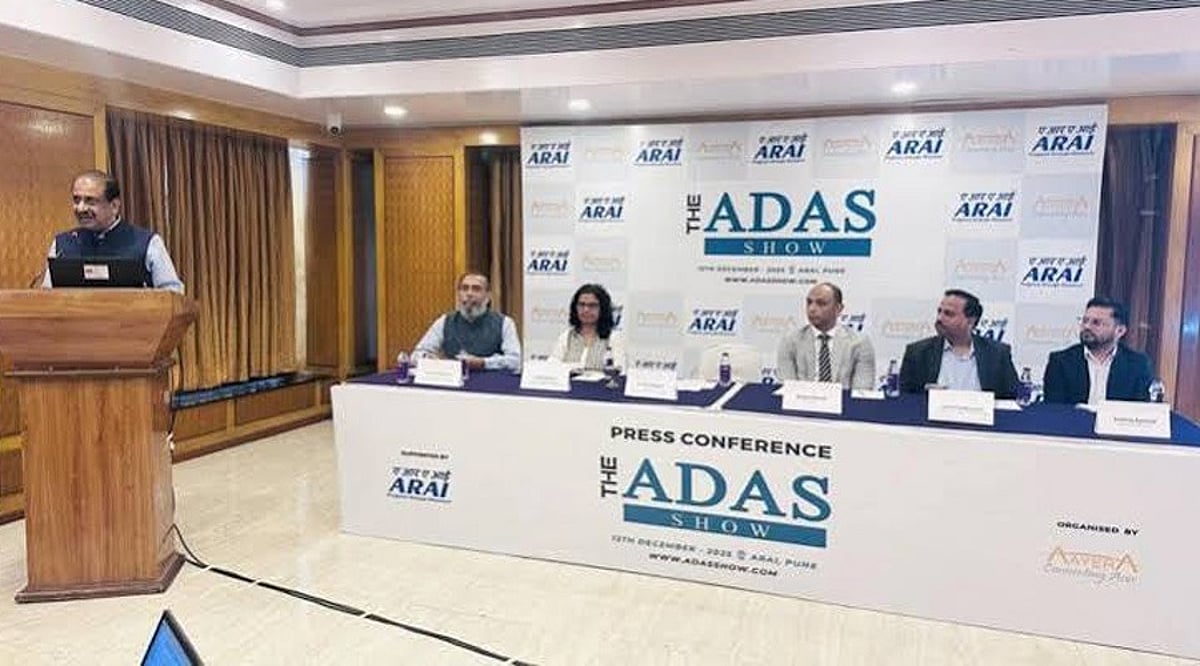
    The fourth edition of The ADAS Show is set to take place on December 3, 2026, at the ADAS Test City, ARAI, Takwe, Pune. This premier event will bring together government representatives, automotive manufacturers, technology firms, suppliers, testing bodies, and academic institutions to discuss advanced driver assistance systems (ADAS), vehicle safety, and intelligent mobility in India.

    The Automotive Research Association of India (ARAI) will support the event, with representatives from the Ministry of Heavy Industries and the Ministry of Road Transport and Highways expected to attend. Dr. Reji Mathai, Director of ARAI, will open the event and discuss the evolving landscape of ADAS technology and vehicle safety in India. ARAI operates testing and certification facilities for the Indian automotive sector and collaborates with vehicle makers and technology companies.

    The event venue, ADAS Test City in Takwe, will allow participating companies to demonstrate driver assistance systems and vehicle technologies in a controlled testing environment. The programme combines conference sessions with practical demonstrations of automotive safety systems.

    The ITS India Forum has joined as a strategic partner and will lead a dedicated session on Vehicle-to-Vehicle (V2V) communication. Akhilesh Srivastava, President of the ITS India Forum, will lead the session, covering V2V communication, connected vehicles, and intelligent transportation systems, and their role in road safety and connected mobility.

    The ADAS Show 2026 will feature a conference, technology exhibition, live ADAS demonstrations, networking sessions, and an Exhibitor March. The live demonstrations give participants access to ADAS technologies and vehicle capabilities at ARAI’s testing facility. The exhibition will include technologies from automotive OEMs, Tier-1 suppliers, engineering firms, component manufacturers, technology companies, and testing organisations. The Exhibitor March allows senior executives and technology leaders to meet exhibitors and review products and technologies.

    The conference agenda includes India-ready ADAS systems, artificial intelligence, software-defined vehicles, connected mobility, V2V technology, localisation, and testing and validation. Localisation is a key focus because ADAS systems must operate across varied Indian road environments, including pedestrians, two-wheelers, changing road layouts, and different lane conditions. Manufacturers and testing organisations continue to develop systems designed for local driving conditions.

    Organised by Aayera, The ADAS Show aims to bring government bodies, automotive companies, and technology providers together on one platform for knowledge sharing, technology demonstrations, and discussions around vehicle safety, connected systems, and intelligent mobility in India.

  • Cummins India Reports 18% Revenue Growth in Q1 FY2027 Amid Strong Domestic Demand

    Cummins India Reports 18% Revenue Growth in Q1 FY2027 Amid Strong Domestic Demand

    Cummins India Limited (NSE: CUMMINSIND, BSE: 500480) has announced its financial results for the quarter ended June 30, 2026. The Board of Directors reviewed and approved the standalone financial results during a meeting held on August 5, 2026.

    Key Financial Highlights

    • Total Sales: ₹3,375 crore, an increase of 18% year-over-year (YoY) and 14% quarter-over-quarter (QoQ).
    • Domestic Sales: ₹2,854 crore, up 22% YoY and 14% QoQ.
    • Export Sales: ₹521 crore, flat YoY but up 16% QoQ.
    • Profit Before Tax (PBT) before exceptional items: ₹721 crore, with a margin of 21.4%, marginally lower by 0.7% YoY and 12% lower sequentially.
    • Profit After Tax (PAT): ₹543 crore, resulting in a net profit margin of 16.1%.

    Management Commentary

    Shveta Arya, Managing Director of Cummins India Limited, commented: “The new fiscal year began on a steady note, supported by robust domestic demand across key end markets and our order execution contributing to revenue growth. Exports continue to be resilient in major regions that we supply despite the geopolitical developments. These headwinds led to higher commodity costs and inflationary trends impacting margins. We are closely tracking these developments and remain focused on operational efficiencies and cost discipline while continuing with our promise of dependability and reliability as we serve our customers.”

    Future Outlook

    Looking ahead, the company expects business momentum to remain steady across its key markets. Inflationary pressures and supply chain constraints are likely to continue influencing the industry environment. Cummins India will prioritize disciplined execution, cost management, and operational efficiencies. With a healthy balance sheet and strong liquidity, the company is adopting a measured approach to execution, capital deployment, and cost control. It remains committed to creating long-term value for customers and shareholders by leveraging proven technologies, experienced talent, established brand presence, market-relevant portfolio, manufacturing depth, and wide distribution and service reach.

    About Cummins India Limited

    Established in 1962 and headquartered in Pune, Cummins India Limited (NSE: CUMMINSIND | BSE: 500480) is a leading power solutions provider in India. As the oldest Cummins entity in the country, it operates in power generation, aftermarket, and export businesses. The company has four state-of-the-art manufacturing plants, assembly, and a distribution center, along with 480 customer touchpoints. With over 3,000 employees, Cummins India is dedicated to powering customer success and making people’s lives better by powering a more prosperous world.

  • India’s AI Startup Ecosystem Expands Beyond Bengaluru: Key Hubs and Specializations

    India’s AI Startup Ecosystem Expands Beyond Bengaluru: Key Hubs and Specializations

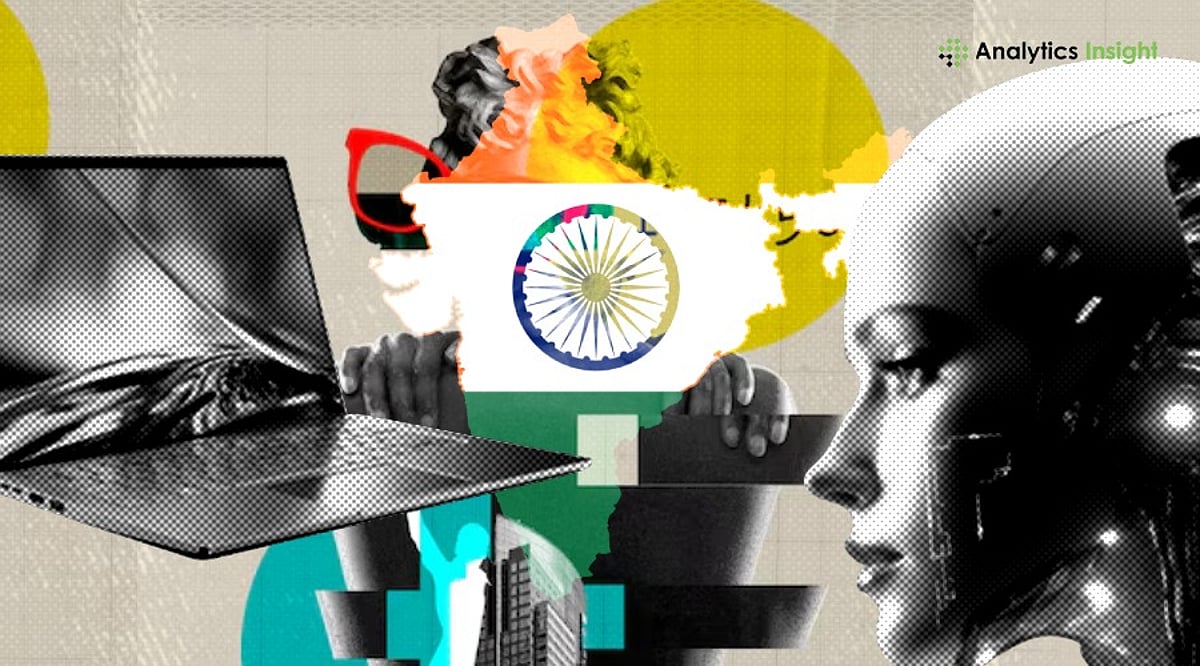
    India’s artificial intelligence ecosystem has entered a new phase. Bengaluru still dominates the funding charts and deep-tech innovation, but the country’s AI growth story no longer revolves around a single city. Hyderabad, Mumbai, Pune, Delhi-NCR, Chennai, and emerging cities like Kochi, Chandigarh, Ahmedabad, and Kolkata are developing specialized strengths in enterprise AI, fintech, healthcare, industrial automation, and language technologies.

    Why Bengaluru Continues to Lead India’s AI Economy

    Bengaluru remains the country’s biggest AI startup destination because of its unmatched scale. The city hosts India’s deepest pool of engineers, startup founders, venture capital firms, and multinational R&D centers. AI companies working on foundational models, cloud infrastructure, and enterprise software continue to choose Bengaluru as their primary base. Notable startups include Sarvam AI, Observe.AI, Mad Street Den, and Uniphore. Global firms have also strengthened Bengaluru’s position, driven by engineering talent and startup density.

    How Hyderabad Turned into India’s Fastest-Growing AI Hub

    Hyderabad has rapidly transformed from an IT outsourcing destination into one of India’s most ambitious AI ecosystems. Government-backed initiatives, better infrastructure, and lower operational costs have encouraged startups to expand aggressively. HITEC City and T-Hub have played a major role in building the ecosystem around enterprise technology and AI innovation. The city has gained traction in conversational AI, enterprise automation, and cloud technologies.

    Why Mumbai’s AI Ecosystem Focuses on Finance and Media

    Mumbai’s AI startup landscape reflects the city’s larger economy. Unlike Bengaluru’s engineering-heavy ecosystem, Mumbai specializes in fintech, advertising technology, and consumer-facing AI products. Banks, financial institutions, media companies, and large enterprises create strong demand for AI-driven analytics and automation tools. AI firms in Mumbai work on fraud detection, financial analytics, personalized advertising, and generative content systems.

    How Delhi-NCR Became a Major AI Innovation Corridor

    Delhi-NCR has quietly emerged as one of India’s strongest AI startup regions. The ecosystem spreads across Gurugram, Noida, and Delhi, creating a large network of enterprise software firms, logistics platforms, and edtech startups. AI companies operating in automation, mobility, and cloud infrastructure are increasingly based in the region. The region also benefits from access to policymakers and government-backed technology initiatives.

    Why Pune is Becoming an Engineering and Industrial AI Center

    Pune’s AI rise comes from its strong engineering and manufacturing base. The city is home to major automotive companies, industrial firms, and educational institutions, creating demand for AI-powered automation and predictive technologies. Startups in robotics, supply-chain optimization, and industrial analytics are increasingly choosing Pune. Lower operating costs and access to skilled engineering talent further strengthen its ecosystem.

    How Chennai Built a Strong Presence in Healthcare and Industrial AI

    Chennai’s AI ecosystem has developed around manufacturing, mobility, and healthcare. The city’s long-standing automotive and industrial network created early demand for AI-led automation. Healthcare technology has emerged as another important sector, with AI startups working on diagnostics, medical imaging, and hospital management systems. Engineering institutions and research centers continue supporting innovation in robotics, mobility technology, and semiconductor research.

    Why Ahmedabad is Emerging as a Growing AI Startup Destination

    Ahmedabad represents the expansion of India’s AI economy beyond Mumbai into western India. The city’s strong business culture and manufacturing ecosystem have encouraged startups building automation and analytics solutions for SMEs and industrial firms. AI companies in Ahmedabad focus on retail intelligence, logistics, and operational software. Lower business costs and faster operational execution are major advantages.

    How Kolkata is Building a New AI Startup Identity

    Kolkata entered the AI startup race later than most major cities, but the ecosystem has begun to show steady growth. Lower operating costs and a strong technical education network have helped several startups emerge in analytics, edtech, and language technologies. University incubators and state-backed innovation programs continue to support early-stage companies. Founders focus on niche areas such as regional-language AI and civic technology.

    Why Kochi and Chandigarh are Attracting the Next Generation of Founders

    India’s AI boom isn’t restricted to metros anymore. Kochi and Chandigarh have started luring startups because of cheaper costs, better infrastructure, and remote work capabilities. Kochi’s ecosystem revolves around health-tech, digital products, and marine technologies. Chandigarh has evolved into a thriving hub for SaaS and enterprise software startups targeting northern India. Remote working practices have lowered the need to recruit from Bengaluru-centric centers.

    Why India’s AI Future Now Belongs to Multiple Cities

    The AI ecosystem in India is slowly breaking free from centralized control. While Bengaluru continues to lead in funding, talent, and startups, other cities have found their own ways to attract entrepreneurs and venture capitalists. Hyderabad comes across as the key city for business development. Mumbai acts as the engine for AI implementation by businesses. Pune serves as the engine for industrial AI research and development. The Delhi-NCR region acts as the engine for both business software and governance technology. Smaller cities are now part of the conversation. The current Indian startup ecosystem has transformed into a diverse network of innovation centers, each developing specialized capabilities to drive progress in the artificial intelligence economy.