
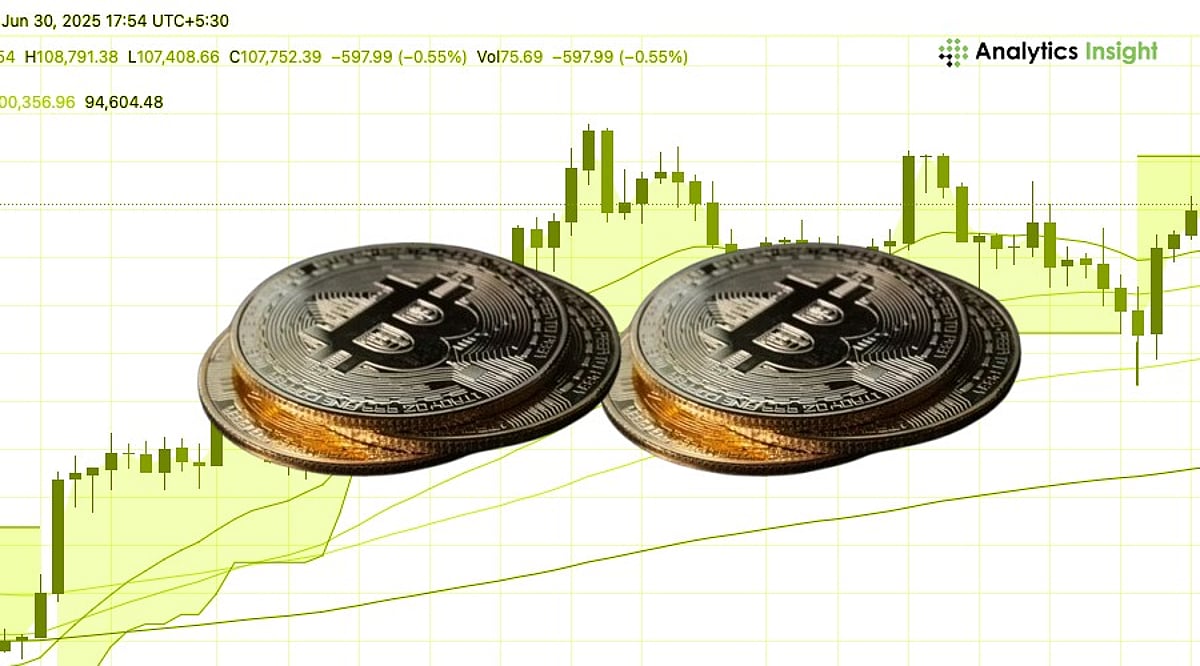
Bitcoin (BTC) entered the third quarter of 2026 under significant pressure after a weak first half of the year. The cryptocurrency dropped 14.20% in Q2 and declined 22.2% in the first quarter, ending the first half with back-to-back losing quarters for the first time since 2022. A combination of macro factors, ETF sell-offs, and technical breakdowns weighed on the market.
Q2 Recap: From Strength to Weakness
Q2 started on a strong note, with Bitcoin trading around $68,000 and surging over 20% to a May high of $82,833. The rally coincided with strength in the Nasdaq 100 and renewed interest in technology stocks. However, Bitcoin failed to maintain momentum and could not break through resistance between $81,000 and $83,500. The bull market ended near the trend-channel resistance at $83,000 as well as the 200-day moving average.
Inflation and Fed Shift Hit Bitcoin
The more significant turnaround occurred following stronger-than-expected April US CPI and PPI data, which cast doubt on whether inflationary pressures were still persistent. This changed market sentiment from rate cuts to possible rate hikes and negatively affected Bitcoin, gold, and silver. Bitcoin subsequently succumbed to leveraged and institutional selling and dropped to approximately $59,100 in early June. A hawkish May meeting by Fed Chair Kevin Warsh helped push Bitcoin below $58,000, just near $57,735 early in Q3.
US Jobs Data Provides Some Breathing Room
Softer US labor market data has now slightly eased rate-hike expectations. Nonfarm payroll figures for April and May were revised down by a combined 74,000 jobs. June nonfarm payroll growth was expected at 110,000 but came in at just 57,000. Private jobs also increased by 98,000, less than the anticipated 118,000, according to ADP data.
“The lower-than-expected jobs number portends less likelihood of potential rate hikes later this year. As we know, gold tends to perform better in lower interest rate environments,” said David Meger, director of metals trading at High Ridge Futures. The CME FedWatch Tool now reflects almost a 50% probability of a September rate hike, down from 60% before the data.
Why This Matters
For the first time since 2022, Bitcoin has opened the year with back-to-back losing quarters. This technical breakdown, cemented by a newly hawkish Federal Reserve under Chair Kevin Warsh and severe ETF outflows, threatens to flip 2026 into a structural bear market unless macro liquidity provides a rapid turnaround.
Technical Outlook for Q3
BTC closed below the 200-week moving average near $62,444 for the first time since October 2023. This has raised the chances of a further decline toward the $50,000-$52,000 support zone. The initial test of strength for bulls would be pushing above the mid-June $67,253 level. If BTC is to make a recovery, a break above $75,203 is required, where its 200-day moving average is located.
The 2018-2022 period is the only other cycle in which Bitcoin began the year with two consecutive losing quarters. Both became bear market years. It does not guarantee it will repeat in 2026, but sluggish demand from ETFs, soft on-chain activity, a strengthening dollar, and capital flow toward AI stocks mean Q3 could be difficult unless Bitcoin gets a strong start.
Key Levels to Watch in Q3
- Downside support: $50,000–$52,000
- First resistance: $67,253
- Major resistance: $75,203 (200-day moving average)
- 200-week moving average: $62,444 (now acting as resistance)
Frequently Asked Questions
Why did Bitcoin fall in Q2 2026?
Bitcoin fell 14.20% in Q2 after failing to sustain gains near the $81,000-$83,500 resistance zone. Stronger US inflation data, Fed rate-hike fears, ETF outflows, and leveraged selling added pressure.
What was Bitcoin’s highest level in Q2?
Bitcoin started Q2 near $68,000 and rallied more than 20% to a May high of $82,833. However, the rally stalled near trend-channel resistance and the 200-day moving average.
Why did US inflation data hurt Bitcoin?
Stronger-than-expected US CPI and PPI data reduced hopes of Federal Reserve rate cuts. That pushed markets toward rate-hike expectations, hurting risk assets such as Bitcoin, gold, and silver.
Is Bitcoin entering a bear market in 2026?
Bitcoin has posted back-to-back quarterly losses in Q1 and Q2, a pattern previously seen in difficult bear-market years like 2018 and 2022. This does not confirm a repeat, but weak ETF demand, soft on-chain activity, and a strong dollar keep Q3 risks elevated.