Tag: Ray-Ban Meta

  • Meta Connect 2026: Enhanced AI Glasses, VR Upgrades, and New Gaming Features Unveiled

    Meta Connect 2026: Enhanced AI Glasses, VR Upgrades, and New Gaming Features Unveiled

    Meta Connect 2026 Unveils New Devices

    Meta Connect 2026 focused heavily on artificial intelligence, smart glasses, and virtual reality. The company announced new wearable devices alongside upgrades to existing Ray-Ban Meta products. Meta also showcased new gaming, entertainment, and AI features designed to expand how users interact with its growing ecosystem of connected devices.

    Meta’s New VR Glasses

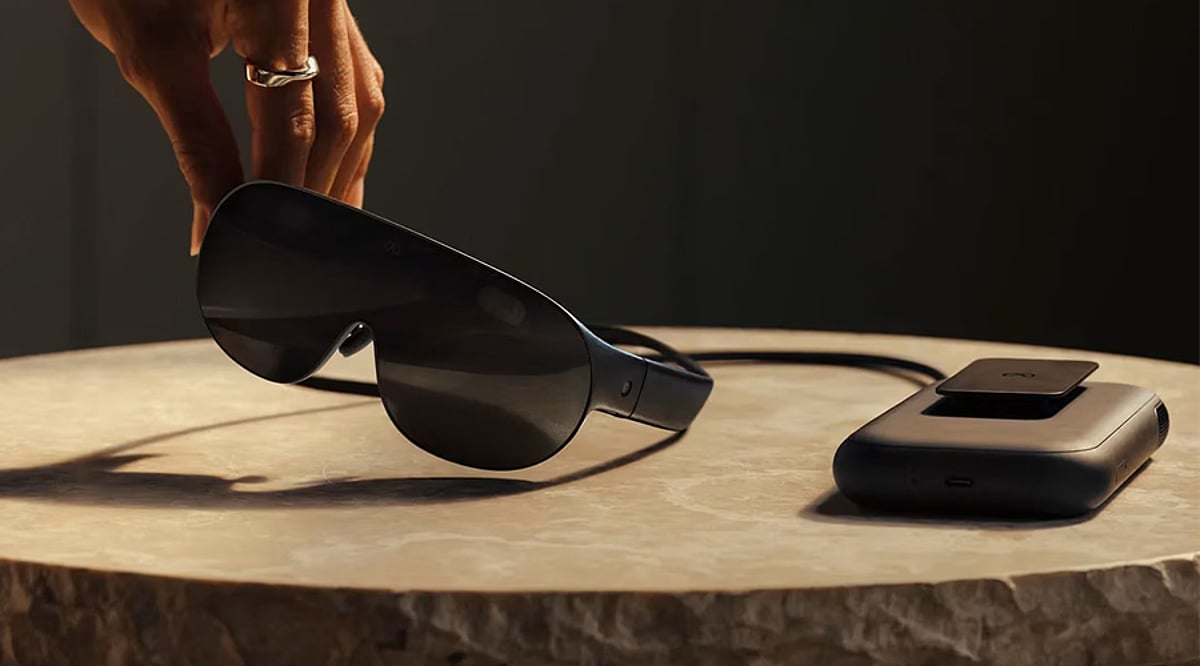
    Meta introduced new VR Glasses priced at $1,300, with availability planned for next spring. The glasses weigh about 100 grams and use magnesium alloy frames. They feature pancake lenses, a 5K display, and full-color passthrough, plus Dolby Vision, Dolby Atmos spatial audio, and IMAX Enhanced certification.

    Ray-Ban Meta Gets New Audio Model

    Meta announced Ray-Ban Meta Audio, a new smart glasses model without a camera. The glasses focus on audio features, including Meta AI, music, podcasts, and voice calls. Meta says the glasses can deliver up to 12 hours of battery life, while the charging case provides up to 48 additional hours.

    Ray-Ban Meta Gen 3 Announced

    The third-generation Ray-Ban Meta smart glasses come with a slimmer design and a dedicated Meta AI button. Battery life has also increased to up to nine hours. The glasses feature a 12MP camera that can record 3K video and a six-microphone system designed to reduce background noise.

    Ray-Ban Meta Display Expands

    Meta is expanding the availability of Ray-Ban Meta Display, with US customers able to order the glasses online for $799. New features include cycling and public-transit directions, landmark-based walking navigation, video-call holograms, photo editing, Dolby Atmos video capture, and mirrored smartphone notifications.

    More Games And Entertainment

    Meta also announced several gaming and entertainment updates. Beat Saber is getting hand tracking and a new Flux mode with 35 songs initially. Supernatural is returning to the Meta Horizon Store, while Payday: Aces High, Tetris Effect and Ace Attorney: Dual Destinies are also coming.

    Meta Expands Its AI Vision

    Meta also previewed Muse Charm, a compact device built around its Muse Agent. The device includes speakers, microphones, a display, and a fingerprint sensor. Meta said more information will follow later this year, while its broader VR platform continues to add immersive movies, sports, streaming and 3D entertainment.

  • 10 Screenless Tech Devices Transforming Consumer Electronics in 2026

    10 Screenless Tech Devices Transforming Consumer Electronics in 2026

    Screenless gadgets are revolutionizing the way people interact with technology in 2026. These devices rely on artificial intelligence, voice commands, sensors, and ambient computing to operate seamlessly in the background without the constant distraction of traditional screens.

    PLAUD NotePin S

    The PLAUD NotePin S is a wearable AI recorder that turns conversations into structured notes without requiring a phone display. It captures meetings, identifies individual speakers, transcribes speech in 112 languages, and generates AI-powered summaries and action items, making it a powerful tool for professionals and multitaskers.

    Ray-Ban Meta Smart Glasses

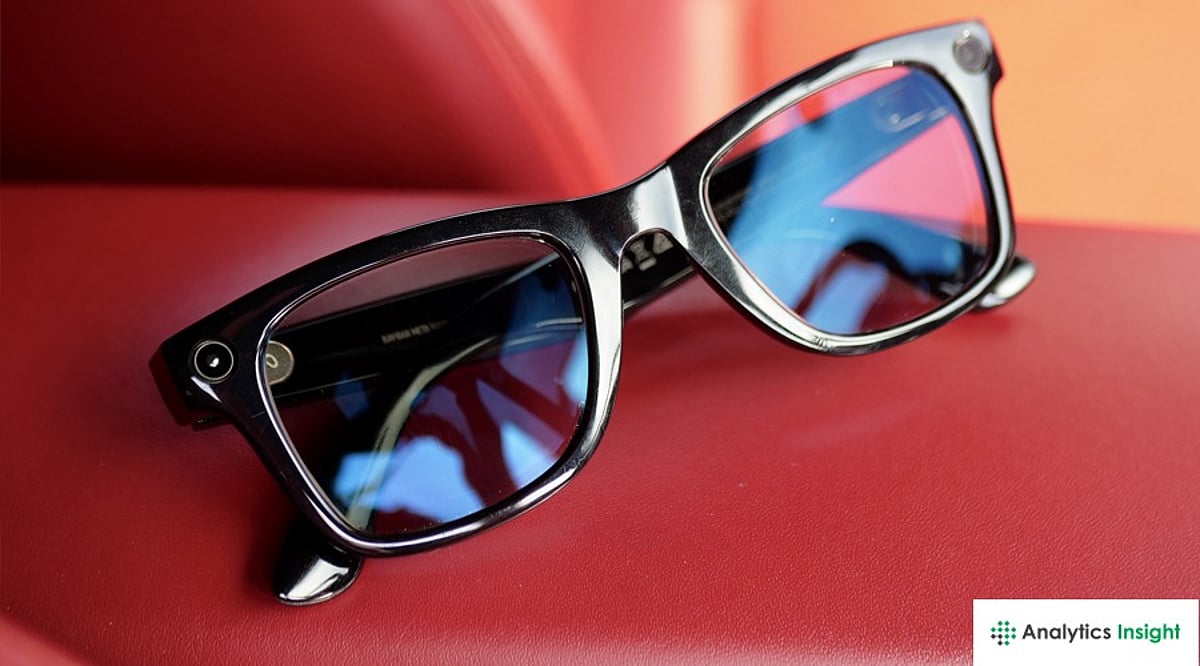
    Ray-Ban Meta smart glasses combine AI, cameras, and open-ear audio into everyday eyewear. Users can interact with an AI assistant, capture hands-free photos and videos, and access real-time information without pulling out a smartphone.

    Fitbit Air

    Fitbit Air eliminates the traditional fitness tracker screen, focusing entirely on health monitoring. This lightweight wearable tracks heart rate, heart rate variability, sleep quality, blood oxygen levels, and more. All detailed insights are delivered through the Google Health app, and the device offers up to a week of battery life.

    Oura Ring 4

    Oura Ring 4 packs advanced health tracking into a discreet, screen-free ring. It monitors sleep patterns, activity levels, heart-related metrics, temperature trends, and recovery. Users access comprehensive data later via the companion app, avoiding screen time throughout the day.

    AI Earbuds

    AI-powered earbuds are evolving beyond music playback. The latest models integrate spatial audio, voice assistants, noise cancellation, and AI features, providing a fully hands-free way to manage digital interactions—no screen needed.

    Augmented Reality Glasses

    AR glasses such as VITURE and RayNeo offer a different path to screenless computing. These devices project large virtual displays for movies, gaming, and productivity while remaining compact and wearable, effectively replacing a portable monitor without a physical screen.

    Screenless Fitness Bands

    Fitness bands like WHOOP and Luna Band prioritize sleep, recovery, stress, and activity tracking over notifications. Data syncs to a smartphone app, allowing users to monitor their health without another glowing wrist display.

    Ambient AI Assistants

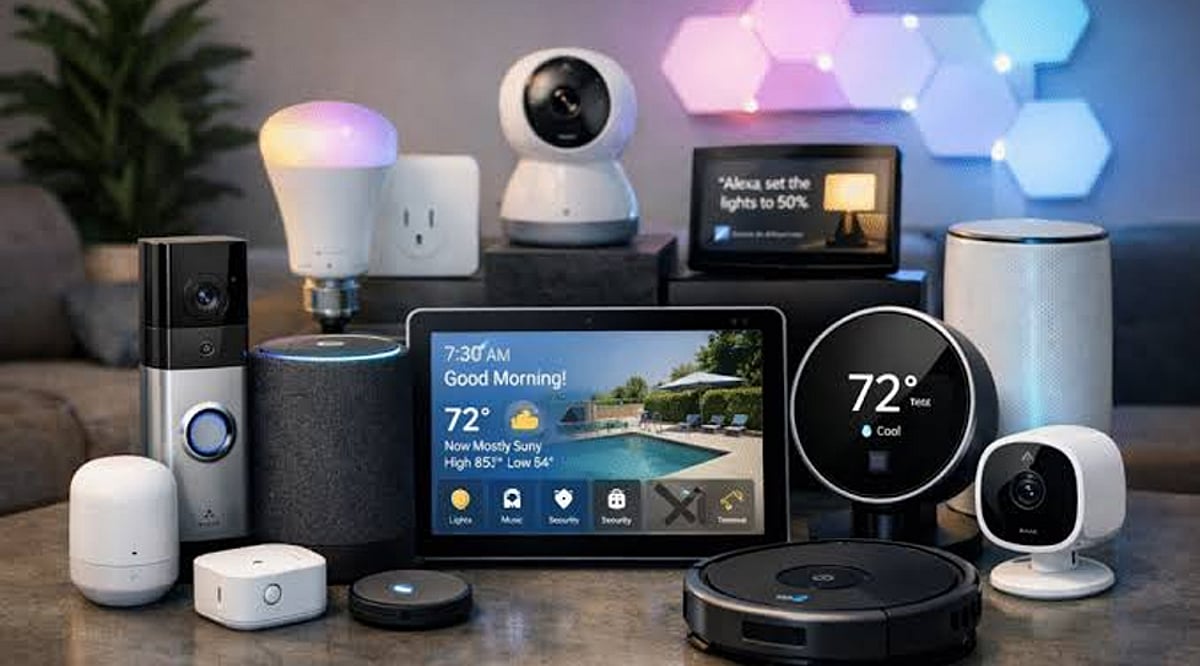
    Ambient AI assistants and wearable speakers are moving technology into the background. Voice commands, contextual AI, and smart-home automation handle tasks without requiring users to open apps or navigate menus, creating a truly uncluttered digital experience.

    Movement-Assist and Smart Energy Devices

    Screenless innovation extends beyond wearables. Exoskeletons assist physical movement, and portable power stations like EcoFlow offer quiet backup energy without adding another screen-based gadget to your routine.

    From health tracking to productivity and entertainment, screenless tech is reshaping consumer electronics by reducing screen time while increasing functionality. These devices prove that the best interface is often no interface at all.

  • Top 9 Viral Tech Products of the Year: AI Gadgets and Wearables That Dominated 2024

    Top 9 Viral Tech Products of the Year: AI Gadgets and Wearables That Dominated 2024

    From AI-powered assistants to futuristic wearables, this year’s most talked-about tech products have taken social media by storm. Here are the nine standout gadgets that went viral, capturing the imagination of consumers and sparking endless online conversations.

    1. Rabbit R2: Your Pocket AI Assistant

    The Rabbit R2 is a compact, pocket-sized AI assistant designed to handle everyday tasks like scheduling, reminders, and quick information retrieval. Its intuitive design and seamless integration with daily life made it a viral sensation.

    2. Humane AI Pin: Screen-Free Wearable AI

    This innovative wearable eliminates the need for a screen, projecting information directly onto your palm. The Humane AI Pin combines voice commands, gesture control, and a built-in camera to offer a truly hands-free AI experience.

    3. Ray-Ban Meta Smart Glasses

    Ray-Ban partnered with Meta to create smart glasses that look like classic eyewear but pack cameras, speakers, and voice assistance. The blend of style and AI-powered features made them a hit among tech enthusiasts and fashion-forward users alike.

    4. Apple Vision Pro: Mixed Reality Goes Mainstream

    Apple’s first mixed reality headset brought spatial computing to the masses. With its high-resolution displays, intuitive hand tracking, and seamless integration with the Apple ecosystem, the Vision Pro quickly became a viral phenomenon.

    5. Nothing Phone 4: Transparent Design Meets Smart Software

    Nothing’s fourth smartphone continues the brand’s signature transparent aesthetic, now paired with unique software experiences like customizable Glyph Interface. Its distinctive look and thoughtful features fueled social media buzz.

    6. Samsung Galaxy Ring: Health Tracking in a Ring

    Samsung’s Galaxy Ring is a compact wearable that monitors heart rate, sleep, and activity levels. Its minimalist design and advanced health tracking capabilities made it a popular topic on health and tech channels.

    7. DJI Neo Drone: Beginner-Friendly Aerial Photography

    The DJI Neo Drone is designed for beginners, featuring AI-powered flight assistance and a compact form factor. It simplifies aerial photography, making it accessible to everyone, which contributed to its viral spread.

    Why These Products Went Viral

    Several factors drove the popularity of these gadgets:

    • Unique Features: Each product offers something genuinely new, from screen-free interfaces to transparent designs.
    • AI Integration: Artificial intelligence is at the core of many of these devices, enhancing usability and creating new possibilities.
    • Social Media Buzz: Influencers and early adopters shared their experiences, generating massive engagement across platforms like TikTok, Instagram, and YouTube.

    These nine products represent the cutting edge of consumer technology in 2024, and their viral success hints at the trends that will shape the future of gadgets.

  • Meta’s Super-Sensing AI Glasses Spark Fresh Privacy Debates

    Meta’s Super-Sensing AI Glasses Spark Fresh Privacy Debates

    Meta Platforms is testing a new prototype of AI-powered smart glasses that can continuously capture what users see and hear through built-in cameras and microphones. Dubbed “super sensing” glasses, the device could allow wearers to ask Meta AI about their day, surroundings, or past activities. However, the project has reignited concerns about privacy, consent, and legal compliance as wearable AI becomes more pervasive.

    How the Prototype Works

    According to reports, the glasses can take photos every few seconds and record audio, collecting data from the wearer’s daily life. Users could later query the AI to recall specific moments. The system reportedly does not store raw video or audio; instead, it extracts relevant data from images and sound and uploads it to Meta’s servers for AI search. Supporters argue this approach reduces privacy risks, but internal debate at Meta suggests many employees view the technology as intrusive, especially when it captures information from people who have not opted in.

    Privacy Light Concerns

    Meta’s current Ray-Ban Meta smart glasses include an LED light that activates when the wearer takes photos or records video, serving as a notification to bystanders. The new super-sensing feature may not trigger the LED in the same way, raising questions about whether people nearby will know when data collection is occurring. Meta has previously faced issues with users trying to disable or obscure the privacy light, prompting the company to roll out an update that disables the camera if tampering is detected. Still, the reported design choice has drawn criticism from privacy advocates.

    Legal and Regulatory Implications

    Always-aware devices could face scrutiny under privacy, biometric data, and audio recording laws. In some US states, recording private conversations without all-party consent is illegal. Boston University law professor Woodrow Hartzog noted, “No existing law comprehensively addresses the myriad ways these tools can pose risks during their design and manufacturing.” He urged lawmakers to update legal frameworks for devices that are “always on and constantly observing.” Public venues are already reacting: New York State courts plan to ban camera glasses from courtrooms, and Philadelphia courts and some cruise lines have restricted smart glasses in certain areas.

    Meta’s Vision and Next Steps

    Meta CEO Mark Zuckerberg has positioned AI glasses as a key part of the company’s future, calling them a “personal assistant that stays with you all day, helping you remember things and achieve your goals.” While the prototype is still under testing and could change, the debate highlights how smart glasses are evolving from simple recording tools into devices that monitor, process, and recall daily life. The outcome of this testing phase will likely shape both Meta’s product roadmap and the broader conversation around privacy in wearable AI.

  • Ray-Ban Meta Smart Glasses: The Ultimate 2026 Buying Guide for Style, Features, and Value

    Ray-Ban Meta Smart Glasses: The Ultimate 2026 Buying Guide for Style, Features, and Value

    Buying smart glasses involves more than comparing technical specifications. Ray-Ban Meta blends classic eyewear with AI assistance, photography, and open-ear audio in a familiar design. This guide explores the models, practical features, and important considerations to make a well-informed purchase.

    Overview

    • Ray-Ban Meta Gen 2 starts at Rs. 39,900 in India, with Hindi voice support and roughly double the battery life of Gen 1.
    • The glasses depend heavily on the Meta AI companion app, and most features work across both Android and iPhone.
    • Comfort, camera habits, and privacy comfort level shape the buying decision more than the spec sheet does.

    The Daily Experience

    The 12MP ultra-wide camera takes photos and short videos. These sync automatically to the Meta AI app on a paired phone. Open-ear speakers play calls and music while still letting outside sound through. This is a real safety benefit on busy Indian streets, where blocking out all noise can be risky. A simple voice prompt, ‘Hey Meta,’ wakes up the assistant. It runs on Meta’s Llama 4 model in Gen 2 and now speaks fluent Hindi. A touchpad on the temple controls capture and playback, so there is no need to reach for a phone.

    Gen 1 vs Gen 2: The Short Version

    Gen 2 suits buyers who want sharper video, longer battery life, and a more capable assistant. A discounted Gen 1 unit still holds up for casual photos, calls, and music at a lower cost.

    Compatibility and Setup

    Ray-Ban Meta pairs with compatible Android and iPhone devices through the Meta AI app. Camera, audio, and AI functions largely depend on this companion app, and available features can shift with app version, software update, and region. Checking that a phone runs a supported operating system before purchase avoids missing out on newer AI capabilities.

    Battery Life in Practice

    Meta rates Gen 2 at up to 8 hours per charge under light, mixed use. In everyday use, battery life varies depending on photography, music playback, and Meta AI usage. Frequent recording and voice interactions reduce battery life faster than light mixed usage. The charging case adds roughly 48 hours of backup power, and a 20-minute session restores 50 percent charge, useful for anyone recording throughout the day.

    Comfort and Fit

    Both generations come in Wayfarer, Headliner, and Skyler styles. This lets buyers pick a look they would wear even without the tech inside. The extra weight from the camera and battery sits mostly in the temples. This can cause mild pressure behind the ears during long wear, something first-time buyers rarely expect. For larger or smaller face shapes, it helps to try the frames in person or use a virtual fitting tool. The built-in electronics slightly change how the temples fit compared to regular glasses. Prescription lenses, transitions, and polarized options are still available through authorized opticians.

    India-Specific Features

    Gen 2 supports full Hindi voice interaction, letting wearers speak naturally instead of switching to English commands. Meta has also announced a UPI-based payment feature for India, allowing a QR code scan paired with the phrase ‘Hey Meta, scan and pay’ to complete a transaction through a WhatsApp-linked bank account. The feature is being rolled out gradually, so availability may vary by device, software version, and region.

    Trade-Offs Worth Knowing

    • The battery drains faster than the rated figure suggests during continuous recording.
    • Open-ear speakers can lose clarity in loud outdoor settings like traffic or crowded markets.
    • Many AI functions require an active internet connection to operate at all.
    • Camera use also draws scrutiny in certain workplaces, gyms, and private venues, a consideration for anyone planning to wear these glasses daily.

    Privacy Considerations

    A front-facing LED activates during recording, giving people nearby a visible signal. That built-in transparency helps with etiquette but does not substitute for judgment in offices, washrooms, or private meetings. Photos and videos are managed through the Meta AI app, while some AI-powered features rely on Meta’s cloud services. Reviewing privacy settings before enabling these features is recommended.

    Who Gains the Most Value

    Commuters seeking audio without earbuds, travelers wanting quick point-of-view photos, and Hindi-first users looking for a natural AI assistant tend to get the most from Gen 2. Anyone expecting an augmented-reality display should look elsewhere, since these remain camera-and-audio glasses rather than a heads-up display.

    Beyond the specifications, the real appeal of Ray-Ban Meta is how naturally it fits into everyday routines. Buyers who regularly take photos, make calls, or rely on voice assistance are far more likely to benefit from the smart features than those who simply want the latest wearable gadget.

    Why This Matters

    Smart glasses are becoming part of daily life. That makes picking the right model before buying an important step. Looking past the spec sheet helps spot the features that actually matter, leading to better value, more comfort, and a smarter purchase in the long run.

    Final Thoughts

    Smart glasses are getting better at doing a few things well instead of chasing every feature at once. Future models will likely bring longer battery life and features built for local markets. In the end, the best pick is not the one loaded with the newest specs. It is the one that fits daily life.

    Frequently Asked Questions

    1. Are Ray-Ban Meta smart glasses worth buying in 2026?

    Ray-Ban Meta smart glasses are worth considering for users who want hands-free photography, open-ear audio, voice calls, and AI assistance in a stylish pair of everyday glasses. The latest models offer improved camera quality, battery life, and Meta AI features compared to earlier versions.

    2. What can Ray-Ban Meta smart glasses do?

    Ray-Ban Meta smart glasses can capture photos and videos, play music through open-ear speakers, make and receive calls, livestream to supported platforms, and provide hands-free assistance through Meta AI using voice commands.

    3. Can Ray-Ban Meta smart glasses be fitted with prescription lenses?

    Yes. Many Ray-Ban Meta models support prescription lenses through authorized optical retailers, allowing users to combine vision correction with smart features without changing their daily eyewear.

    4. Do Ray-Ban Meta smart glasses work without an internet connection?

    Basic functions like taking photos, recording videos, and listening to downloaded audio can work offline. However, Meta AI features, cloud syncing, and some voice-based capabilities require an internet connection and the companion mobile app.

    5. What should be considered before buying Ray-Ban Meta smart glasses?

    Before buying, consider the frame style, lens type, compatibility with your smartphone, battery life, AI feature availability in your region, privacy considerations, and whether the smart features match your everyday lifestyle and budget.