Tag: Razorpay

  • 10 Fintech Leaders Revolutionizing Digital Payments Worldwide

    10 Fintech Leaders Revolutionizing Digital Payments Worldwide

    From mobile wallets to global payment networks, a new wave of fintech companies is transforming how the world sends and receives money. Here are ten key players driving innovation in digital payments.

    Stripe

    Stripe powers online payments for millions of businesses with developer-friendly APIs and global payment solutions, making it a cornerstone of modern e-commerce.

    PayPal

    PayPal remains one of the world’s most trusted digital payment platforms, serving both consumers and merchants with secure and convenient transactions.

    Block (Square)

    Block, formerly known as Square, simplifies digital payments for businesses while expanding into banking, Bitcoin, and financial services.

    Adyen

    Adyen enables seamless omnichannel payments for global brands through a unified commerce platform, catering to enterprise-level needs.

    Razorpay

    Razorpay has become a leading fintech firm in India, offering payment gateways and business banking solutions to a growing market.

    PhonePe

    PhonePe continues to drive UPI adoption across India with digital payments, financial services, and merchant solutions.

    Revolut

    Revolut combines digital banking, global payments, investing, and cryptocurrency services in a single app, appealing to modern consumers.

    Wise

    Wise makes international money transfers faster and cheaper through transparent exchange rates, challenging traditional remittance services.

    These companies exemplify the rapid evolution of fintech, each contributing to a more accessible and efficient financial ecosystem.

  • How Harshil Mathur and Razorpay Revolutionized India’s Digital Payments Ecosystem

    How Harshil Mathur and Razorpay Revolutionized India’s Digital Payments Ecosystem

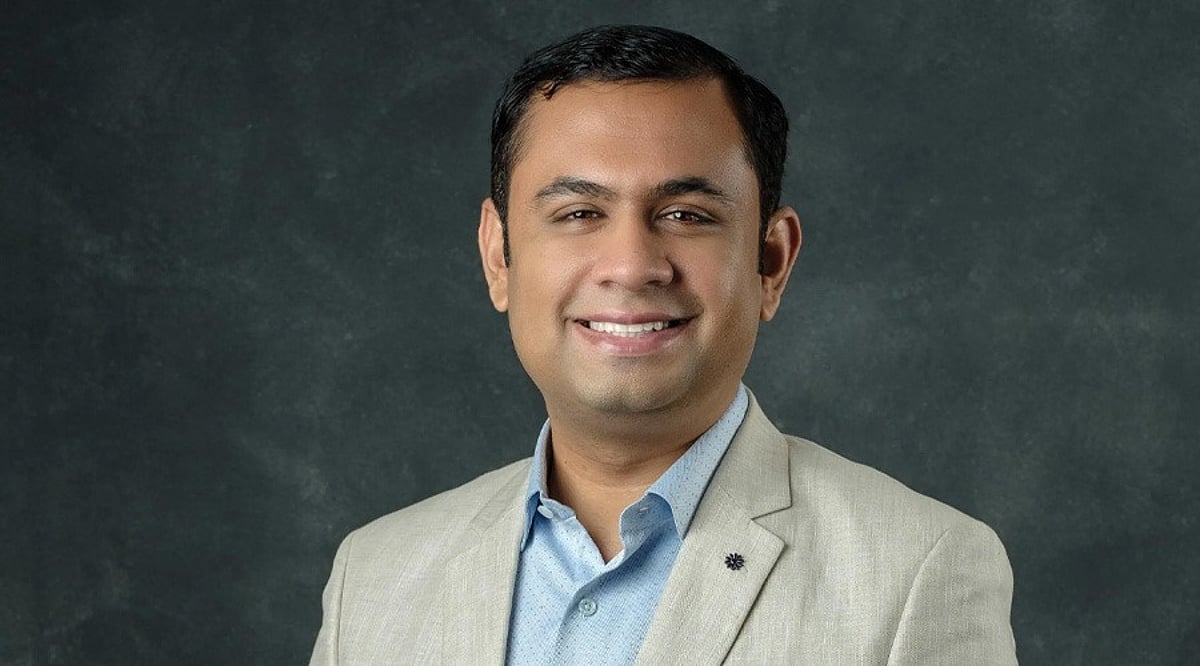
    When Harshil Mathur and Shashank Kumar launched Razorpay in 2014, India’s online payment infrastructure was a mess of failed transactions, clunky integrations, and limited options for businesses trying to accept money digitally. Twelve years later, Razorpay processes over $180 billion in annualized total payment volume, has onboarded more than 12 million merchants, and filed a confidential DRHP with SEBI in June 2026, targeting a public listing valued at $5 to $6 billion. For Mathur, the journey from wireline field engineer to CEO of one of India’s most consequential fintech companies is anything but accidental.

    From Jaipur to IIT Roorkee to a Bold Bet

    Born in 1991 into a middle-class family in Jaipur, Rajasthan, Mathur developed an early fascination with technology and coding. He completed a degree in metallurgical engineering from IIT Roorkee in 2013 and joined Schlumberger as a wireline field engineer, a technically intensive role that lasted just eight months before the pull toward building something of his own won out. In December 2014, he co-founded Razorpay with Kumar around a straightforward insight: India’s businesses desperately needed a clean, developer-friendly API to accept online payments, and nothing available delivered that reliably.

    Y Combinator and the Developer-First Growth Engine

    In 2015, Razorpay got into Y Combinator’s Winter batch, one of the world’s most selective startup programs. The YC period sharpened the company’s product thinking and opened the door to early investors. Early growth was built almost entirely on developer trust; Razorpay’s clean API documentation and reliable integration made it the default payment gateway for startups, SMEs, and eventually larger enterprises. By 2020, the company had crossed the $1 billion unicorn mark. By December 2021, a $375 million Series F round valued it at $7.5 billion, backed by Peak XV Partners, Tiger Global, Ribbit Capital, Lightspeed, and Singapore’s GIC.

    Building Beyond Payments

    Mathur’s strategic ambition for Razorpay was never limited to a payment gateway. Under his leadership, the company expanded into RazorpayX, a neobanking platform now serving over 40,000 businesses with payroll, corporate cards, and connected banking; Razorpay Capital for merchant credit; and Magic Checkout, a one-click product reportedly reducing cart abandonment by 22%. In January 2026, Razorpay received RBI’s payment aggregator cross-border license, enabling transactions across 130-plus currencies in over 180 countries, and the company has established operations in Singapore and Malaysia.

    The IPO Moment

    Razorpay’s planned stock market debut is the most significant milestone on the horizon. The company filed a confidential DRHP with SEBI on June 12, 2026, targeting Rs 5,000 to Rs 6,000 crore through fresh shares and an offer for sale, with Axis Capital, Kotak Mahindra Capital, JPMorgan, and Citi appointed as lead managers. The targeted $5 to $6 billion IPO valuation is a markdown from the $7.5 billion 2021 peak, reflecting broader compression in fintech valuations and a public market that now demands profitability alongside growth. Razorpay’s FY25 revenue grew 65% to Rs 3,783 crore, though a net loss of Rs 1,209 crore, driven by ESOP costs and one-time reverse-flip tax liabilities from its 2025 domicile shift back to India, is a narrative that Mathur will need to tell convincingly to public-market investors.

    The Leader Behind the Company

    Mathur’s leadership style is widely described as product-first, technically grounded, and collaborative. He has consistently credited the broader Razorpay team and his co-founder rather than positioning himself as the singular force behind the company’s rise. He is also an active angel investor with a portfolio of over 22 companies, has been recognized on the Forbes 30 Under 30 Asia list, and has been a vocal voice in India’s startup community on digital policy issues. What makes his story particularly resonant is the consistency of the original thesis: building reliable, developer-first financial infrastructure for Indian businesses was not a fashionable idea in 2014. A decade on, it has become the foundation of how a significant share of India’s digital economy moves money.

    Why This Matters

    India’s digital economy depends on reliable payment infrastructure, and entrepreneurs like Harshil Mathur have played a significant role in building it. His journey demonstrates how solving a fundamental business problem with technology can create lasting impact, inspire future founders, and accelerate innovation across an entire industry.

  • Top 10 Cross-Border Payment Platforms in India for 2026: Key Players and Insights

    Top 10 Cross-Border Payment Platforms in India for 2026: Key Players and Insights

    Cross-border payment platforms now offer faster settlements and more transparent pricing than traditional banking channels. Indian exporters, freelancers, and SaaS businesses have more payment options than ever before. RBI approvals and growing competition continue to improve security, compliance, and customer experience.

    Sending and receiving money across countries has become much easier than it was a few years ago. Businesses no longer depend only on traditional banks that often charge high fees and take several days to complete a transaction. Today, many Indian companies, freelancers, exporters, software firms, and online sellers work with clients across the world. This change has created strong demand for payment platforms that offer quick transfers, fair exchange rates, and simple compliance. India’s cross-border payment market continues to grow as more businesses enter global markets and digital trade reaches new records. Several fintech companies now compete to offer faster settlements, lower costs, and a smoother payment experience.

    Wise Keeps International Transfers Simple

    Wise has earned its place as one of the most trusted names in international payments. The company became popular because it uses the real market exchange rate instead of adding a hidden markup. This approach helps businesses save money on every transaction. Wise also supports dozens of currencies and allows customers to receive money through local bank account details in several countries. Quick transfers, clear pricing, and an easy-to-use platform make Wise a preferred choice for startups, consultants, and businesses that deal with overseas clients on a regular basis.

    Payoneer Remains a Strong Choice for Exporters

    Payoneer continues to play an important role in India’s export economy. Thousands of freelancers, agencies, software companies, and marketplace sellers depend on the platform to receive international payments. It works with global platforms such as Amazon, Fiverr, Upwork, and Walmart, which makes payment collection much easier for online businesses. The company recently strengthened its position after it received in-principle approval from the Reserve Bank of India to operate as a Cross-Border Payment Aggregator. This development allows Payoneer to expand its services further in the Indian market.

    Skydo Focuses on Lower Costs

    Skydo has quickly become one of the fastest-growing Indian fintech companies in this space. Instead of charging a percentage on every transaction, the company follows a flat-fee model and removes foreign exchange markups. This pricing structure attracts exporters and freelancers who receive payments frequently. Skydo also provides instant FIRA documents, which simplify regulatory requirements for businesses. The company now serves more than 25,000 Indian businesses and processes payment volumes of nearly $500 million every year. Its recent licence in GIFT City has added another milestone to its expansion journey.

    Razorpay Expands Beyond Domestic Payments

    Razorpay built its reputation through online payment solutions in India, but the company has also developed a strong international payment business. Today, exporters and service companies use Razorpay to collect payments from customers across different countries without switching between multiple platforms. Foreign currency collection, virtual accounts, and payment gateway services have become key parts of its offering. The company also attracted attention after confidentially filing for a public listing, following an earlier valuation of about $7.5 billion.

    Xflow Builds for Modern Export Businesses

    Xflow entered the market with a clear goal of making international payments easier for Indian businesses. The platform supports exporters, agencies, software companies, and startups that receive payments from overseas clients. Local collection accounts in different countries allow customers to pay through domestic bank transfers instead of expensive international wire transfers. Automated compliance and quick settlements reduce paperwork and save valuable time. After securing RBI approval, Xflow also announced plans to expand its international network.

    BriskPe Offers a Fresh Alternative

    BriskPe has become a popular option for small and medium-sized businesses that need simple international payment solutions. The platform combines payment collection, foreign exchange support, and compliance services under one system. Businesses appreciate its transparent pricing because unexpected charges often create problems in cross-border transactions. As India’s export sector grows, BriskPe continues to attract companies that want affordable and reliable payment services without unnecessary complexity.

    PayPal Continues to Benefit from Global Trust

    Despite facing numerous new players in the payment market, PayPal is still one of the most respected payment services worldwide. Most international consumers already possess a PayPal account, which simplifies the collection of payments for Indian firms. Its services are accessible in many countries and currencies. Although PayPal may charge higher fees than some recent fintech competitors, it continues to be chosen by numerous companies, owing to its worldwide acceptance and long credit history.

    Airwallex Helps Businesses Grow Internationally

    Airwallex has built a strong presence among companies that operate in several countries. Multi-currency accounts, international payment collection, business cards, and global expense management make the platform suitable for larger businesses with international operations. Support for more than 60 currencies gives businesses greater flexibility while dealing with customers and suppliers across different markets. Strong technology and developer-friendly tools have also made Airwallex a preferred choice for fast-growing companies.

    Nium Strengthens Global Payment Infrastructure

    Nium focuses on payment infrastructure rather than simple money transfers. Banks, financial institutions, and businesses use its technology to move money across international markets quickly and securely. The company offers API-based payment services, treasury solutions, and real-time transfers through an extensive global network. Strong banking partnerships allow Nium to support businesses that handle large international payment volumes every day.

    PayGlocal Simplifies International Collections

    PayGlocal has carved out a strong position by helping Indian merchants accept payments from customers worldwide. The platform supports multiple currencies, international card payments, and several local payment methods. Easy integration with online stores and strong compliance support reduce technical challenges for businesses. Companies that sell products or digital services to overseas customers often choose PayGlocal because it offers a smooth payment experience without complicated setup.

    The Market Will Become More Competitive

    India’s cross-border payment industry has changed rapidly over the last few years, and the pace shows no sign of slowing down. Higher exports, global freelancing, software services, online commerce, and digital businesses continue to create fresh demand for international payment solutions. At the same time, RBI regulations have pushed companies to improve compliance and customer protection. Competition among payment providers has also reduced costs while improving speed and transparency. As more Indian businesses enter global markets, cross-border payment companies will remain an important part of the country’s digital economy in 2026 and beyond.

    FAQs

    1. What is a cross-border payment company? A cross-border payment company helps businesses and individuals send or receive money between different countries quickly and securely.
    2. Which industries benefit the most from these platforms? Exporters, freelancers, SaaS companies, e-commerce sellers, agencies, and startups benefit the most from cross-border payment services.
    3. Why are fintech payment platforms becoming more popular than banks? Many fintech platforms offer faster transfers, lower fees, better exchange rates, and simpler digital processes.
    4. Which company is best for freelancers in India? Popular choices include Payoneer, Wise, and Skydo because they offer simple payment collection and competitive pricing.
    5. What should businesses compare before choosing a payment platform? Transaction fees, exchange rates, settlement speed, supported currencies, compliance features, customer support, and global coverage are the most important factors.
  • Razorpay vs PayU vs Cashfree: The Ultimate Payment Gateway Comparison for 2026

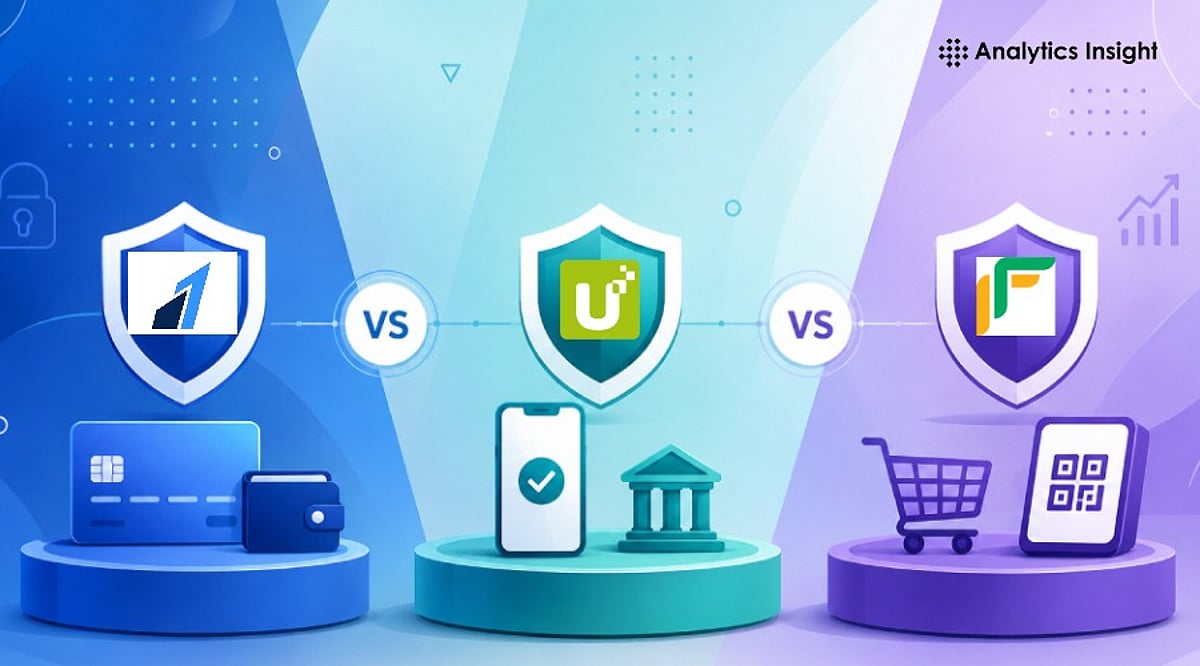
    Razorpay vs PayU vs Cashfree: The Ultimate Payment Gateway Comparison for 2026

    Choosing the right payment gateway is more than a technical decision—it directly impacts your customer experience, settlement speed, and long-term business growth. As we look ahead to 2026, three major Indian payment gateways stand out: Razorpay, PayU, and Cashfree. Each offers distinct strengths, making the best choice dependent on your specific business needs rather than just transaction fees.

    What Really Matters in a Payment Gateway

    Four key factors set these gateways apart: pricing, settlement speed, features, and developer experience. While transaction fees are important, integration quality, recurring billing support, payout capabilities, and payment success rates often have a greater impact on your bottom line. A low fee is attractive, but delayed settlements or poor operational support can quietly increase your costs over time.

    At a Glance

    This comparison focuses on pricing, settlement cycles, integrations, and business capabilities specific to India’s market, helping merchants make an informed decision for 2026.

    Payment Methods and Integrations

    All three gateways support UPI, credit and debit cards, net banking, and digital wallets. The real differences lie in advanced features:

    • Razorpay and Cashfree offer UPI AutoPay for recurring payments, payment links, and seamless integrations with Shopify, WooCommerce, and Magento.
    • PayU excels in international payments, with strong EMI and Buy Now Pay Later support, plus a broader range of global payment options.

    Security is consistent across all three: PCI DSS compliant, with fraud detection and tokenization.

    Razorpay: Broad Ecosystem, Transparent Pricing

    Razorpay charges a flat 2% + 18% GST on most domestic transactions (cards, UPI, net banking, wallets). Premium methods like EMI, corporate cards, and Amex/Diners cost 3% + GST. There are no setup or annual fees under the standard plan. Domestic settlements run on a T+2 cycle; international settlements take T+7. Note that UPI transactions may have zero MDR under government regulation, but platform fees can still apply.

    Razorpay stands out for subscription tooling, UPI AutoPay, and fast integration—ideal for SaaS and D2C businesses. High-volume merchants (above ~Rs. 50 lakh/month) can negotiate custom rates. Its dashboard provides success-rate breakdowns by payment method and issuing bank, helping diagnose failed transactions.

    PayU: Enterprise Scale, Negotiated Pricing

    PayU does not publish a standard rate card. Independent sources typically cite domestic pricing around 2% for cards, net banking, BNPL, and wallets, rising to ~3% for Amex, Diners, EMI, and international transactions. UPI fees can be negotiated below 1% at higher volumes. This approach offers flexibility for merchants with negotiating leverage.

    PayU’s value at scale comes from dedicated account management, established chargeback handling, and cross-border infrastructure supporting over 150 payment methods globally. The trade-offs include a longer onboarding process with more documentation and a merchant dashboard that users rate lower than Razorpay’s in usability.

    Cashfree: Lower Published Rate, Stronger Payouts

    Cashfree’s standard rate is 1.95% across payment modes for auto-activated merchants—slightly undercutting Razorpay’s published TDR. Setup and integration are free. Settlement follows the same T+2 default, with instant settlement available within 15 minutes for an additional charge.

    Cashfree’s primary differentiator is its payout infrastructure, widely recognized as best-in-class for marketplace and vendor disbursement workflows. Merchants should confirm current promotional pricing and any annual fees directly with Cashfree’s sales team, as some third-party sources report a fixed annual charge not listed in their public FAQ.

    Which Payment Gateway Suits Your Business?

    Subscriptions and Recurring Billing

    Razorpay is the stronger choice for subscription-driven and SaaS businesses. Its UPI AutoPay support and fast integration make it the most complete option for recurring billing.

    Vendor Payouts and Marketplace Settlements

    Cashfree is best positioned for marketplaces and vendor-heavy models. Its payout infrastructure and competitive transaction costs make it ideal where bulk disbursements are a core requirement.

    High Transaction Volume and Enterprise Scale

    PayU is the more appropriate choice for enterprises processing high volumes. Its negotiated pricing model and dedicated account support suit businesses with the scale to justify custom terms.

    Complex or Multi-Factor Requirements

    Businesses with international payment needs or those balancing success rates and costs should evaluate all three providers directly. The right choice depends on your specific payment mix and operational requirements.

    Final Thoughts

    Selecting a payment gateway is a long-term decision that shapes how your business handles money. Razorpay, PayU, and Cashfree each excel in different areas. The businesses that get this right are those that take the time to compare details, verify actual terms with each provider, and avoid jumping at the first option. This extra effort builds payment infrastructure that will hold up well beyond 2026.

    FAQs

    1. Which is the best payment gateway for 2026?

    There is no single best gateway for every business. Razorpay suits SaaS and subscriptions, Cashfree is ideal for marketplaces and payout-heavy operations, and PayU works well for enterprises needing negotiated pricing and dedicated support.

    2. How do Razorpay, PayU, and Cashfree differ in fees?

    Razorpay publishes a standard domestic fee of 2% + GST. Cashfree lists 1.95% for eligible merchants. PayU generally offers negotiated pricing based on volume.

    3. Which gateway is best for startups and small businesses?

    Razorpay is popular for its developer-friendly APIs, subscription tools, and straightforward onboarding. Cashfree is another strong option for competitive pricing and payout capabilities.

    4. Do they support UPI payments?

    Yes. All three support UPI, cards, net banking, and wallets. Razorpay and Cashfree also offer UPI AutoPay for recurring payments.

    5. What should businesses compare besides transaction fees?

    Compare settlement speed, success rates, integrations, recurring billing, payout capabilities, security, customer support, and scalability. These factors often have a greater long-term impact than fees alone.

  • How Razorpay Revolutionized Digital Payments for Indian Businesses

    How Razorpay Revolutionized Digital Payments for Indian Businesses

    In today’s digital world, money moves faster than ever before. From online shopping and ordering your favorite food to booking tickets or paying bills, almost everything is done online. Behind this smooth flow of payments are crucial players who make these transactions happen seamlessly, including Razorpay.

    From a startup idea to one of India’s leading fintech companies, Razorpay is making online payments easier for businesses across India. The Bengaluru-based startup has become an integral part of the country’s booming fintech industry. Helping businesses accept payments, manage money, and handle finances simply and securely, what started as a small startup idea is now a trusted name for thousands of businesses across India.

    The Beginning of Razorpay

    Founded in 2014 by Shashank Kumar and Harshil Mathur, Razorpay emerged at a time when taking online payments in India was still a mess. Businesses had to go through pages of paperwork, a technical setup, and wait for approvals. Many small businesses and startups couldn’t take it anymore. The founders saw an opportunity and decided they wanted to build something simple. Something that makes digital payments easy, fast, and accessible for everyone.

    Early on, Razorpay focused only on the payment gateway, which allowed businesses to accept payments through debit/credit cards, net banking, UPI, and digital wallets. The setup was super simple, and even non-technical people could get going quickly. This ease of use helped Razorpay stand out and catch the eye of startups and small businesses alike. As more people in India started using digital payments, the need for better financial tools grew. Razorpay continued to thrive while improving its offerings and keeping up with the changing market.

    Growing Beyond Payments

    Over time, Razorpay became much more than just payments. It quietly transformed into an entire financial solutions platform for businesses. Today, the company offers services like payroll management, subscription billing, payment links, vendor payouts, and even business banking solutions. Rather than juggling multiple tools, businesses can manage everything under one roof. This all-in-one system saves businesses time and manual effort. So instead of hopping between multiple platforms, you can collect customer payments, pay employees, manage subscriptions, and track transactions, all from one dashboard.

    Innovation, Security, and Trust

    One of the biggest reasons behind Razorpay’s success is its focus on innovation. The company regularly builds new features and tools to make financial management easier for businesses. Be it automating payments, managing subscriptions, or simplifying salary transfers – Razorpay focuses on reducing complexity. Another important factor is security, as Razorpay handles financial transactions and sensitive data – safety is always top of mind. They constantly work to improve their security systems and follow industry regulations, which helps businesses trust them with their daily operations. Razorpay is also known for its strong customer support and user-friendly design. Many businesses choose Razorpay because it is easy to use, even for people without technical knowledge. Apart from tech, they have built an awesome work culture at Razorpay. They encourage teamwork, learning, and creativity. They allow their employees to think freely, take risks, and improve their products. This culture of innovation has helped them grow quickly and stay competitive in the fast-changing fintech industry.

    Impact and Future of Razorpay

    Razorpay’s impact isn’t limited to just handling payments. It has enabled thousands of entrepreneurs and small businesses to thrive by making digital finance accessible. Now, many small businesses that previously struggled with online payments can operate smoothly. By streamlining finances, the company is helping businesses move online and reach more people. Looking ahead, we expect Razorpay to continue playing an essential role in shaping the future of digital finance as new technologies such as AI, embedded finance, and advanced payment systems transform how businesses manage their money. Razorpay is already working on these innovations to enhance its platform. As more and more digital transactions take place in India, there will be an increasing need for easy and secure financial tools. With its tech prowess and customer-centric approach, Razorpay will play a crucial role in this space.

    Final Thoughts

    The story of Razorpay shows how a simple idea can make a big impact. What started as a solution to simplify online payments has grown into one of India’s leading fintech companies. Through continuous innovation, robust security, and a focus on customer needs, Razorpay has built a trusted platform for businesses of all sizes. As India moves further into a digital-first economy, Razorpay’s role will become even more important, helping businesses manage money in a simple, fast, and reliable way, making it a key part of the country’s financial future.