
Tag: real-time tracking

  • How Augmented Reality Glasses Overlay Digital Content on the Real World

    How Augmented Reality Glasses Overlay Digital Content on the Real World

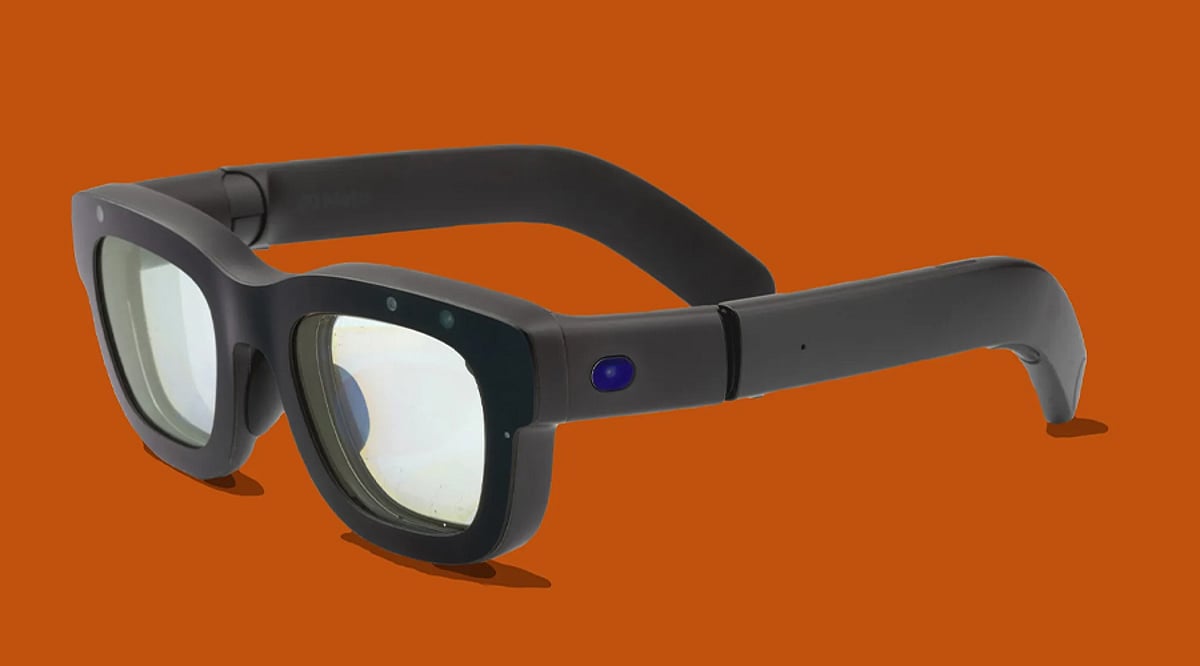
    AR glasses blend digital information with the physical world instead of replacing your surroundings entirely. They use displays, sensors, cameras, processors, and software to place virtual content within your view. The result can make directions, notifications, information, and interactive graphics feel part of the real environment.

    Tiny Displays Create the Overlay

    AR glasses need a way to place digital images where the wearer can see them. Compact display systems project or guide light toward the eyes, creating virtual images that appear over the physical environment. This optical system is central to making augmented reality feel convincing.

    Cameras and Sensors Understand the Scene

    Cameras and sensors help AR glasses understand what is happening around the wearer. Depending on the device, they can capture images, detect movement, estimate position, and recognize surfaces. That information allows software to determine where digital elements should appear within the surrounding environment.

    Tracking Keeps Objects in Place

    One major challenge is keeping virtual objects stable while your head moves. AR systems combine sensor information with software tracking to estimate the glasses’ position and orientation. This allows digital content to remain anchored to the environment instead of appearing to float randomly as you move.

    Processors Make Real-Time Decisions

    AR glasses need computing power to process sensor data, images, and software instructions with very low delay. The system continuously works out what the wearer is seeing and where virtual content should appear. Faster processing can help create smoother interactions and more responsive augmented experiences.

    Spatial Audio Adds Another Layer

    Some AR glasses also use speakers to provide spatial or directional audio alongside visual information. Sounds can help users understand where alerts or digital objects are coming from without constantly looking at a screen. This creates a more immersive experience by combining visual and audio cues.

    The Future Is Smaller and Smarter

    The challenge for AR glasses is packing displays, sensors, processors, cameras, batteries, and connectivity into a lightweight wearable. Advances in optics and computing are helping manufacturers explore slimmer designs and richer experiences. As these components improve, AR glasses could become increasingly useful for navigation, communication, and hands-free information.

  • Why Real-Time Order Tracking Is the Key to E-Commerce Trust and Repeat Purchases

    Why Real-Time Order Tracking Is the Key to E-Commerce Trust and Repeat Purchases

    For anyone who has ever felt a sense of satisfaction while tracking a purchase online, the latest internet trend among Gen Z in Korea might feel oddly familiar. Known as dopamine sites, these platforms mimic food delivery apps and shopping websites, allowing users to place orders and track them in real time—without spending any money or receiving a product. The appeal lies in the same psychological gratification that comes from real online shopping, especially the anticipation triggered by live tracking.

    According to Dr. Gabrielle Schreyer-Hoffman, a licensed psychologist in New York, these sites tap into the emotions people get from genuine shopping experiences. The ability to track fake purchases in real time creates a powerful sense of anticipation and relief, which studies show can lead to customer retention. Here’s how real-time tracking can redefine the shopping experience and drive repeat purchases.

    Eliminates Purchase Anxiety

    Retail sites without tracking features can create a stressful experience because they conflict with the human need for predictability and control. Without order or delivery tracking, customers may question whether the transaction went through or fear they have been scammed. They also worry about lost, stolen, or misdelivered packages. This uncertainty can deter people from making online purchases.

    Integrating real-time tracking into e-commerce systems reassures customers and helps businesses know exactly where each order is. For example, the 3PL company Kase partnered with Amazon shipping to provide sellers with 24/7 warehouse-to-door tracking. On the customer side, platforms like Amazon immediately send an order confirmation and estimated delivery date after purchase. A survey found that frequent tracking updates reduce purchase anxiety by 38%, proving that real-time tracking is a valuable tool for improving the online retail experience.

    Creates Convenience

    Many customers schedule shipments for times when they are home to deter porch thieves—a strategy that can be frustrating and disruptive. A recent poll shows that 46% of customers plan their day around package deliveries, which can keep them housebound and hinder productivity. Real-time tracking with SMS or push notifications can alleviate this by keeping customers informed without needing to manually check or wait at home.

    Proactive updates on shipping and delivery dates reduce “Where is my order?” complaints, lower anxiety, and build shopper trust. Businesses should send notifications when customers are most likely to engage, using SMS for time-sensitive updates. By providing consistent tracking and visibility, companies can build goodwill and a positive reputation in a competitive e-commerce market.