

Tag: real-time translation

  • Dex AI Camera: 7 Standout Features for Instant Language Discovery

    Dex AI Camera: 7 Standout Features for Instant Language Discovery

    Dex is an AI-powered camera designed to identify unfamiliar languages using visual recognition. It helps users understand written text without needing to search or translate manually. Here are seven standout features that make Dex different.

    1. AI Language Recognition

    Dex analyzes visible text and language patterns, allowing users to quickly discover which language is in front of them.

    2. Real-Time Translation

    Through built-in AI, Dex translates recognized text, making unfamiliar signs, labels, and written information much easier to understand.

    3. Visual Search

    Dex turns real-world text into searchable information, helping users explore words, phrases, and language-related details directly from what they photograph.

    4. Language Discovery Beyond Translation

    Rather than stopping at basic translation, Dex helps users recognize unfamiliar languages and understand the linguistic context captured in a scene.

    5. AI-Powered Camera Design

    Artificial intelligence is at the center of Dex, combining camera input with language analysis to interpret whatever users photograph.

    6. Travel Assistance

    Dex can help travelers understand unfamiliar signs, menus, and written instructions while exploring places where different languages are spoken.

    7. Hands-Free Understanding

    By bringing language recognition into a dedicated camera experience, Dex reduces the need to switch between separate translation applications.

    A Different Kind of Camera

    Unlike conventional cameras, Dex combines image capture with AI language discovery, making visual understanding its primary purpose.

  • How AI Is Transforming Phone Calls: Real-Time Transcription, Translation, and Beyond

    How AI Is Transforming Phone Calls: Real-Time Transcription, Translation, and Beyond

    Artificial intelligence is rapidly changing the way we communicate over the phone. From live transcription to instant summaries and real-time language translation, AI is making phone calls more efficient, accessible, and secure. Here’s an overview of the key capabilities and what they mean for users and businesses.

    Live Call Transcription

    AI converts spoken conversations into real-time text, making it easier to review discussions, capture details, and improve accessibility for everyone.

    Instant Call Summaries

    AI automatically creates concise summaries after conversations, highlighting key decisions, action items, and important points without manual note-taking effort.

    Real-Time Language Translation

    AI translates conversations instantly between different languages, helping people communicate naturally without requiring professional interpreters during phone calls.

    Spam Call Detection

    AI identifies suspicious callers using behavioral patterns and known databases, reducing unwanted interruptions and protecting users from scam attempts effectively.

    Smart Voice Assistance

    AI assistants answer questions, retrieve information, schedule appointments, and complete simple tasks without interrupting the natural flow of conversations.

    Sentiment Analysis

    AI analyzes tone, emotion, and speech patterns to identify customer satisfaction, frustration, or urgency, helping businesses improve communication quality consistently.

    Automatic Action Items

    AI recognizes commitments made during calls and generates reminders, follow-up tasks, and calendar events, improving productivity after every conversation.

    Privacy and Security Challenges

    AI processing requires sensitive voice data, making strong encryption, transparent consent, and responsible data handling essential for user trust.

    The Future of AI-Powered Calling

    AI-powered conversations will become more personalized, context-aware, and proactive, offering seamless assistance while balancing convenience with responsible privacy practices.

  • ChatGPT’s Advanced Audio: The Future of Natural AI Conversations

    ChatGPT’s Advanced Audio: The Future of Natural AI Conversations

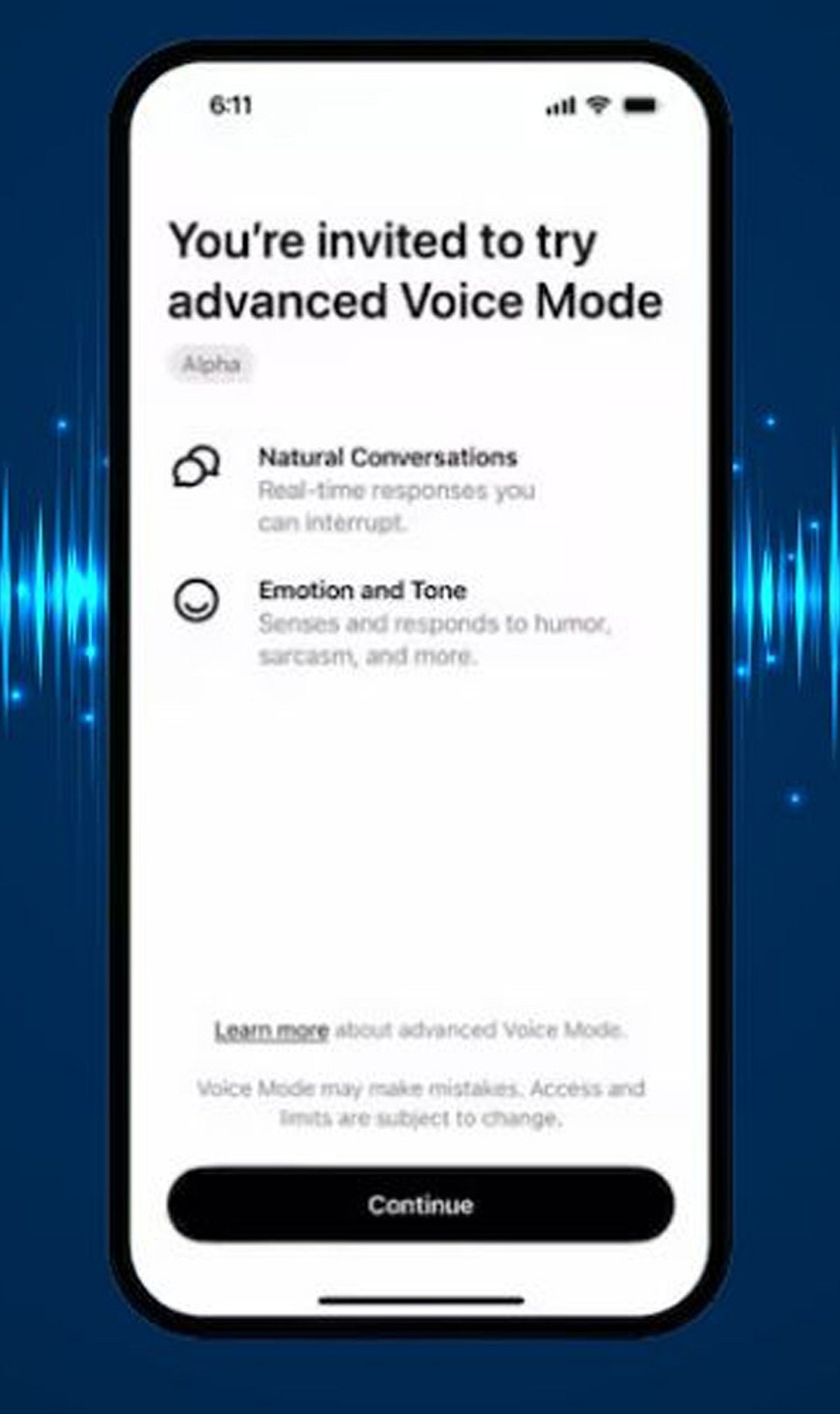
    AI conversations are becoming more natural thanks to ChatGPT’s advanced audio technology, which enables faster, smoother, and more human-like interactions. Modern voice AI can now understand natural speech patterns, allowing users to interrupt, ask follow-up questions, and maintain fluid conversations without awkward pauses.

    Improved speech synthesis adds realistic tone, emphasis, and pacing, making AI responses sound more expressive and engaging. Real-time translation capabilities could help users communicate across multiple languages during live conversations, making AI more useful for travel, business, and education.

    Developers are also using advanced audio models for live transcription, meeting summaries, accessibility tools, and customer support applications. Future AI assistants are expected to become increasingly audio-first, enabling hands-free interactions at home, in cars, and on wearable devices.

    More natural voice interactions could improve accessibility for users who prefer speaking over typing in everyday tasks. However, challenges remain, including maintaining accuracy, reducing hallucinations, protecting user privacy, and ensuring reliable performance in noisy environments.

    As audio AI continues to evolve, voice-based conversations are expected to become an increasingly important way people interact with intelligent assistants.