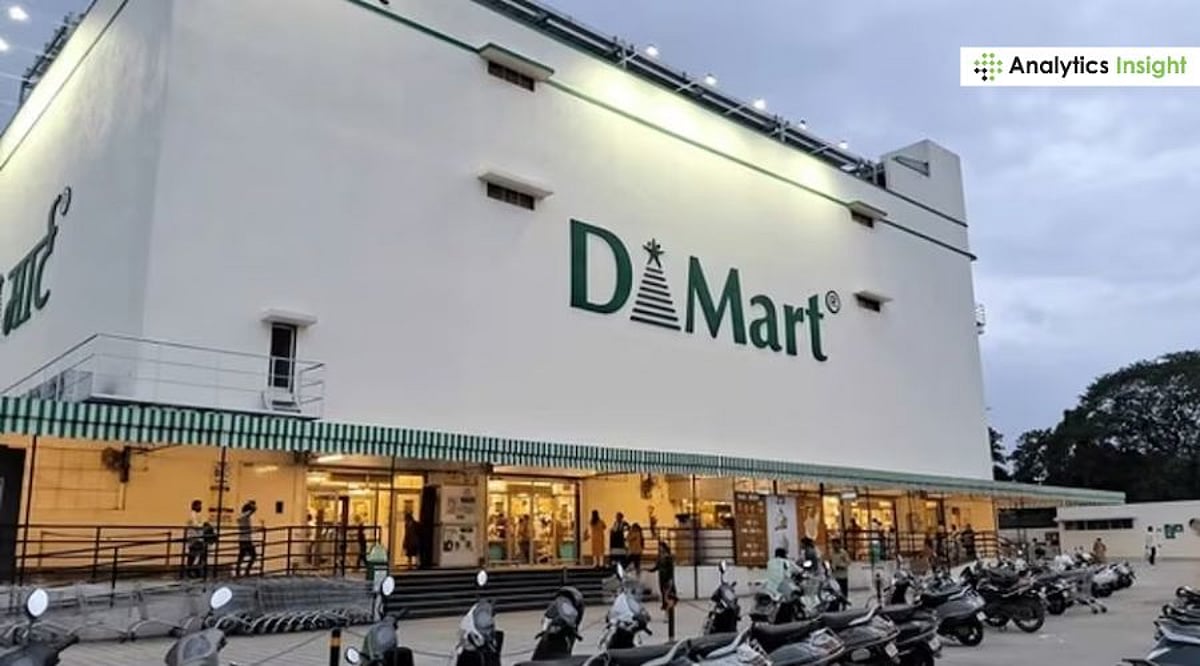
Tag: retail

  • Best Gadget Shopping Stores in India: A Guide to Top Electronics Retailers

    Best Gadget Shopping Stores in India: A Guide to Top Electronics Retailers

    Introduction

    India offers a diverse range of electronics retailers, from sprawling big-box stores to specialized mobile outlets. Whether you’re looking for the latest smartphone, a powerful laptop, or smart home devices, these stores provide extensive selections and competitive prices. Below is a look at some of the top gadget shopping stores in India.

    Croma

    Croma is a well-known electronics retailer in India, offering a comprehensive range of products including smartphones, laptops, televisions, home appliances, accessories, and gaming gear. With physical stores in numerous cities and a user-friendly online platform, Croma gives customers access to multiple brands and frequent promotional offers, making it a popular choice for gadget purchases.

    Reliance Digital

    Reliance Digital is a leading consumer electronics chain, stocking smartphones, laptops, televisions, cameras, headphones, smart devices, and more. Its widespread retail presence makes it easily accessible across the country, and it offers products from a variety of brands to suit different budgets and preferences.

    Vijay Sales

    Vijay Sales has established a strong foothold in India’s electronics retail sector, particularly in major cities. The store offers a wide array of products including smartphones, laptops, televisions, home appliances, gaming products, and accessories. Its online store complements its physical outlets, and regular discounts and exchange offers make gadget shopping more attractive.

    Sangeetha Mobiles

    Sangeetha Mobiles is a prominent electronics retailer, especially in South India. It specializes in smartphones, tablets, laptops, accessories, and other consumer electronics. The retailer frequently runs promotional offers and exchange deals, giving shoppers additional value when comparing prices across different brands.

    Poorvika Mobiles

    Poorvika Mobiles is another major electronics retailer, particularly popular in southern Indian markets. Its product range includes smartphones, laptops, tablets, smartwatches, headphones, and accessories. The company operates physical stores alongside an online platform, allowing customers to compare devices and explore different brands before making a purchase.

    Lot Mobiles

    Lot Mobiles has a strong retail presence in several parts of India and focuses primarily on smartphones and related electronics. Customers can explore devices from leading brands along with accessories and other gadgets. Its physical stores provide an option for shoppers who prefer hands-on product inspection before buying.

    Amazon India

    Amazon India is a major online destination for gadget shopping, offering a vast selection of smartphones, laptops, gaming accessories, smartwatches, headphones, cameras, and other electronics. The platform’s large inventory allows shoppers to compare brands, specifications, ratings, and prices easily. Major sale events like the Great Indian Festival bring attractive discounts across a wide range of electronic products.

    Conclusion

    Whether you prefer the hands-on experience of a physical store or the convenience of online shopping, India’s gadget retail landscape has something for everyone. From the extensive showrooms of Croma and Reliance Digital to the specialized mobile outlets like Sangeetha and Poorvika, and the e-commerce giant Amazon, shoppers have access to a wealth of options and deals.

  • Walmart Shares Steady as E-Commerce and Grocery Revenue Drive Quarterly Gains

    Walmart Shares Steady as E-Commerce and Grocery Revenue Drive Quarterly Gains

    Walmart stock closed at $109.47 on Friday, July 24, gaining about 1% during the session. The shares traded between $108.03 and $109.54, while the company’s market value stood near $876 billion. Trading volume reached about 18.4 million shares during Friday’s regular session. Investors continued to assess Walmart’s latest results, institutional activity, analyst targets, and annual outlook.

    The retailer reported stronger sales across its main divisions during the quarter ended April 30. Revenue reached $177.75 billion, up 7.3% from a year earlier. Adjusted earnings matched market estimates at $0.66 per share. Walmart also kept its full-year outlook unchanged, despite higher distribution and fulfillment fuel costs. Grocery demand and increased customer traffic supported its core US operations.

    Walmart Stock Tracks Higher Quarterly Sales

    Walmart recorded $175.68 billion in net sales, compared with $163.98 billion in the prior-year quarter. Operating income increased 5% to $7.49 billion, while net income attributable to Walmart rose to $5.33 billion. GAAP earnings reached $0.67 per share. The gross profit rate edged up to 24.3% from 24.2%, while adjusted operating income grew 5.1% in constant currency.

    Walmart US net sales rose 4.5% to $117.17 billion. Comparable sales excluding fuel increased 4.1%, supported by a 3% rise in transactions. E-commerce contributed about 530 basis points to comparable sales growth. Walmart US e-commerce sales increased 26%, driven by store delivery, marketplace activity, and advertising. President and CEO John Furner cited “better shopping experiences, a broader assortment, and faster delivery.”

    Digital Businesses Support Segment Growth

    Global e-commerce sales increased 26% during the quarter, while the advertising business grew 37%. Walmart US advertising rose 36%, including a 44% increase at Walmart Connect excluding Vizio. Global membership fee revenue advanced 17.4%. Moreover, Walmart said improved e-commerce economics, Walmart+ growth, and other income supported adjusted operating income in its US business.

    Meanwhile, Walmart International net sales increased 18% to $35.11 billion. Constant-currency sales rose 10.1%, while operating income increased 23.9% to $1.60 billion. Sam’s Club US net sales climbed 6.1% to $23.41 billion. Its e-commerce sales rose 23%, while transactions increased 6.2%. Membership fee revenue grew 5.6% as member counts, renewals, and Plus memberships increased.

    Cumberland Cuts Stake as Guidance Holds

    Cumberland Partners reduced its Walmart position by 180,441 shares, or 30.1%, during the first quarter. The investment manager held 419,100 shares worth about $52.09 million at March 31. Walmart ranked as its fifth-largest reported position and represented about 4% of the portfolio. The SEC filing lists the shares under two investment-discretion categories, which together form the total holding.

    Separately, Walmart US Chief David Guggina sold 11,978 shares at an average price of $119.82 on June 10. The sale followed a Rule 10b5-1 trading plan adopted in March. Walmart expects second-quarter net sales to rise 4% to 5% in constant currency and forecasts adjusted earnings of $0.72 to $0.74 per share.

    The company retained its fiscal 2027 adjusted EPS range of $2.75 to $2.85. Recent analyst targets also stood above Friday’s closing price. RBC Capital maintained a $137 target on July 22, while Goldman Sachs held a $154 target on July 17. Morgan Stanley maintained a $140 target in late June, according to recent analyst tracking data.

  • Reliance Industries Shares Climb to Rs 1,320 Ahead of Q1 Results; Analysts Predict 20% Profit Surge

    Reliance Industries Shares Climb to Rs 1,320 Ahead of Q1 Results; Analysts Predict 20% Profit Surge

    Reliance Industries Ltd. shares climbed 1.84% to Rs 1,320.40 on the NSE on Friday, reaching an intraday high of Rs 1,323.70, as investors positioned themselves ahead of the conglomerate’s closely watched June-quarter (Q1 FY27) earnings due after market hours. The stock opened at Rs 1,300 and traded in the Rs 1,296.10–Rs 1,323.70 range, reflecting growing optimism that India’s largest listed company could deliver another resilient quarter.

    The optimism spilled over to the broader market, with the Sensex surging more than 800 points and the Nifty 50 reclaiming the 24,280 mark, supported by gains in Reliance, HDFC Bank, ICICI Bank and leading IT stocks. While global concerns over rising crude prices and tensions in West Asia continue to weigh on sentiment, analysts believe Reliance’s diversified business model could once again help cushion volatility.

    Street Expectations for Reliance Q1 FY27

    Oil-to-Chemicals Expected to Shoulder Earnings Growth

    While there have been mixed fortunes for many companies, analysts forecast Reliance to show another decent quarter. Based on consensus estimates, net profit is expected to increase by about 20% sequentially, while revenue is expected to reach Rs 3 lakh crore. Good refining fundamentals and favorable petrochemical margins will more than compensate for the weak demand in retail operations and the reduced production from the upstream oil and gas segment.

    The oil-to-chemicals (O2C) segment is likely to remain the largest contributor to earnings. Estimates indicate that O2C EBITDA will be close to Rs 16,146 crore, driven by higher refining margins, particularly at the SEZ refinery. While there were maintenance shutdowns of one crude distillation unit during the quarter, the impact was largely mitigated by a weaker rupee and global refining margins.

    Jio Remains the Growth Engine While Retail Faces Headwinds

    Reliance Jio is expected to continue delivering stable operational performance. Brokerages estimate the telecom business will add nearly one crore subscribers during the quarter, taking its total subscriber base to around 53.3 crore. Average Revenue Per User (ARPU) is expected to increase to Rs 216, up from Rs 214 in the previous quarter, driven by customer upgrades and rising data consumption.

    Investors will also watch management commentary on tariff plans, JioFiber expansion and the timeline for the much-anticipated Jio IPO, which could become India’s largest public offering.

    The retail business, however, is likely to remain under pressure. Analysts expect Retail EBITDA to decline around 2% sequentially to Rs 6,784 crore, reflecting slower discretionary spending and continued promotional activity. While margins may remain soft in the near term, analysts remain optimistic about the long-term outlook, citing store expansion, digital commerce growth and improving consumer demand.

    Management Commentary Holds the Real Key

    Beyond the financial performance, institutional investors are expected to focus on Reliance’s forward-looking commentary. Updates on crude sourcing, refinery outlook, petrochemical demand, retail consumption, capital expenditure, debt reduction, new energy investments, and Jio’s IPO preparations could significantly influence market sentiment.

    Reliance has increasingly evolved from being an energy giant into a diversified consumer and technology company. Consequently, investors pay as much attention to future growth initiatives as to quarterly earnings.

    What It Means for Investors

    Reliance enters the first-quarter earnings season with expectations firmly tilted toward another steady performance. Despite continued lags in retail demand and difficulties for upstream activities, the combination of improving refining margins and robust telecom growth is likely to keep profit trends heading in the right direction.

    What is more important, however, is Reliance’s ability to drive growth across its diverse portfolio of operations and make faster strides in developing its digital and renewable energy operations. With such a large representation in key indices, Reliance’s results and management guidance are likely to have implications for market sentiment that will extend far beyond a one-day trading period.

    Disclaimer: This article is for informational purposes only and does not constitute investment advice. Readers should conduct their own research before making any investment decisions.

  • 6 Retail Giants That Dominate Without Heavy Advertising Spend

    6 Retail Giants That Dominate Without Heavy Advertising Spend

    Customer loyalty and consistent value helped these retailers successfully reduce dependence on expensive advertising campaigns. Affordable pricing and high-quality products encourage repeat purchases while generating strong word-of-mouth recommendations globally. Smart retail strategies prove that lasting customer trust can consistently outperform large marketing budgets over time.

    Advertising has long been a staple of the retail industry. From television commercials to celebrity endorsements and digital campaigns, brands spend billions each year to stay in front of consumers. However, some of the world’s biggest retailers have taken a different route. Rather than chasing visibility through expensive campaigns, these companies have built their businesses on competitive pricing, consistent quality and customer trust. Their stores, products and shopping experience do most of the talking, proving that a strong reputation can often outperform a large advertising budget.

    Brands That Let Products Speak for Themselves

    These six retail giants built global brands without relying on expensive advertising campaigns or celebrity endorsements:

    Costco: A Loyal Membership Base is its Biggest Strength

    Costco has developed into one of the biggest retailing firms in the world despite its limited use of conventional forms of advertising. The core element of the firm’s success can be traced back to its membership concept. Consumers have to pay an annual membership fee in return for discounted rates, unique merchandise, and reduced pricing. This makes customers come back for more, and happy consumers always spread the word. Customer loyalty has thus been Costco’s best marketing strategy.

    Zara: New Collections Keep Customers Returning

    While many fashion companies pour their resources into marketing, Zara allocates just a tiny amount of its earnings to advertising. Its efforts are rather focused on the speedy introduction of trends into the market. New collections are presented promptly, and best-selling trends get sold out fast. This creates a feeling of haste that drives people to go shopping on a regular basis for fear of not being able to acquire desired items again.

    Trader Joe’s: Built on Customer Recommendations

    Without relying on extensive advertisements, Trader Joe’s has built a massive fan base. The company is famous for offering private label goods and a unique shopping experience. Shoppers frequently discover new items during store visits and end up recommending them to others. Word-of-mouth publicity has helped the company establish its reputation.

    Aldi: Low Prices Do the Selling

    Aldi offers affordability, ensures efficient operations, and places strong emphasis on private-label items. It has avoided overspending on advertising and gained popularity for its quality products at reduced prices.

    Primark: Affordable Fashion Creates its Own Buzz

    Primark has established itself as one of Europe’s top retailers through a simple business model that offers stylish clothes at affordable prices. Being located at busy street corners and frequently launching products ensure that the shops are always crowded. In addition, many customers end up posting their purchases on social media platforms, thereby eliminating the need for costly marketing campaigns.

    Muji: Simplicity that Builds Trust

    Japanese store Muji has always avoided using attractive marketing strategies to increase its customer base. The brand has developed its image by designing efficient, high-quality products. The company’s subtle strategy has been effective in getting the attention of consumers with basic requirements.

    The Takeaway

    These retailers have shown that building a successful brand is not always about spending the most on advertising. By focusing on value, quality, and a reliable shopping experience, they have created loyal customer bases that keep returning and often bring new customers. In retail, trust can be just as valuable as the biggest marketing campaign.

    FAQs

    Which retail company spends the least on traditional advertising?

    Costco is widely known for spending little on traditional advertising. Instead, it focuses on its membership model, competitive pricing, quality products, and customer loyalty to drive repeat business and long-term growth.

    Why does Zara spend less on advertising than competitors?

    Zara prioritises fast product launches, premium store locations and limited inventory over expensive advertising campaigns. This strategy encourages frequent store visits and creates demand without relying heavily on promotional spending.

    How does Aldi attract customers without large marketing campaigns?

    Aldi keeps prices low by reducing operating costs, offering mostly private-label products, and running efficient stores. Its reputation for affordability and quality helps attract customers without significant advertising investments.

    Why is customer loyalty important for these retail companies?

    Customer loyalty encourages repeat purchases, generates positive word-of-mouth, and reduces the need for costly advertising. Satisfied shoppers often become brand advocates, helping retailers grow through trust and recommendations.

    Can businesses succeed without spending heavily on advertising?

    Yes, businesses can succeed by delivering consistent quality, competitive pricing, and excellent customer experiences. Strong products and reliable service often build lasting customer trust, reducing dependence on expensive advertising campaigns.

  • Merging Economics, Engineering, and AI: How Oleh Halat Solves Modern Retail Challenges

    Merging Economics, Engineering, and AI: How Oleh Halat Solves Modern Retail Challenges

    Most analysts read dashboards. Most engineers build systems. Most AI strategists develop frameworks. Oleh Halat does all three, and his role at ALEKO Products, an outdoor and home retailer based in Kent, Washington, exemplifies how rare that combination still is.

    Three professional disciplines that traditionally exist in separate departments, and often in separate companies, converge in a single role. For modern multi-channel retailers, that convergence is becoming less unusual and more necessary. The complexity of digital commerce now demands people who can understand margins, build technical systems, evaluate automation, and measure whether any of it actually improves the business.

    Halat’s career offers a clear example of what that hybrid profile looks like in practice, and industry observers increasingly describe this convergence of disciplines as the emerging standard for the next generation of e-commerce leaders. His path to that combination was not planned. He earned a Bachelor’s degree in Economy of an Enterprise from Kyiv National University of Trade and Economics in 2016. After moving to the U.S., he added a degree in Applied Science in Web Development. “I trained as an economist and finished training as a web developer,” Halat says. “Ten years ago that combination didn’t exist in any job description. Today it’s the only profile that makes sense for modern commerce.”

    At ALEKO, Halat’s work begins with the analytical layer. He owns pricing strategy and performance analytics across eight major retail channels, including Home Depot, Lowe’s, Walmart, Amazon, Overstock, Unbeatable, Wayfair, and the company’s direct-to-consumer storefront. His responsibilities include channel-level economic modeling, customer segmentation, conversion optimization, and data-driven decisions about platform and product investment.

    “Pricing in a multi-channel world isn’t a number — it’s a system,” Halat says. “You’re not setting one price; you’re setting a logic that determines prices across eight retailers, multiple platforms, and an evolving promotional landscape.”

    That distinction matters because Halat is not only interpreting what happens inside the business. He is also building the systems that shape those outcomes. His engineering role places him directly inside the technical infrastructure supporting ALEKO’s digital commerce operations. He owns the company’s U.S. BigCommerce storefront and a separate Canadian e-commerce platform, while coordinating an integration stack that includes SellerCloud, Klaviyo, Klevu, Bolt, Affirm, and BigCommerce itself.

    The engineering hat shows up in a daily reality most analysts never touch. Halat led the complete redevelopment of alekoproducts.com across 2024 and 2025, designed a dynamic live-pricing system that adjusts retail prices in real time across multiple channels, created automated checkout discount logic, and runs an ongoing technical SEO and Core Web Vitals program that has meaningfully improved the site’s performance across critical web-performance metrics.

    “Managing eight retail channels simultaneously taught me one thing: consistency at scale isn’t about tools — it’s about integration architecture,” he says. “Tools come and go. Architecture decides whether you survive growth.”

    The clearest single artifact of Halat’s hybrid profile in action is Cosmoflows.app, an innovative standalone workflow-tracking and process-automation platform that he designed, built, and deployed himself. He created Cosmoflows because the existing tools did not fit how ALEKO’s team actually worked. Most automation platforms assume that workflows are already clearly defined. In many mid-size retail operations, they are not. Processes live in spreadsheets, emails, side conversations, task lists, and individual memory. Before automation can create value, the work itself has to become visible.

    “I built Cosmoflows because I kept seeing the same pattern: companies buy automation tools but never describe their actual workflows,” Halat says. “You can’t automate what you haven’t made visible yet.”

    Cosmoflows takes a step back from automation as a buzzword. It first surfaces how processes actually move across teams, then creates structure around what should be tracked, improved, and eventually automated. Currently deployed at ALEKO, the platform replaces scattered Excel tracking and email threads, streamlines processes for the operations team, and delivers something many teams value even more than time saved: fewer dropped tasks, clearer project visibility across functions, and less context-switching between disconnected systems.

    That is where Halat’s profile becomes more than a résumé of separate skills. The economist understands where inefficiency costs the business. The engineer can build the tool that removes it. The AI strategist can decide which parts of the workflow should be automated, measured, or left human.

    The results are visible in ALEKO’s direct-to-consumer e-commerce performance. Over the past year, the channel has delivered significant year-over-year revenue growth despite a declining site-traffic environment that many industry observers attribute to shifting customer behavior around generative AI. The growth came from metrics tied directly to operational optimization: substantial improvements in conversion, average order value, and revenue per visit — outcomes that reflect disciplined execution rather than macro tailwinds.

    At one of the most difficult conversion bottlenecks in online retail — cart abandonment — the direction of the metrics also improved meaningfully, alongside continued growth in early-funnel shopping intent measured through product engagement.

    Those results show the practical meaning of Halat’s hybrid role. Performance improvement did not come from analytics alone, engineering alone, or AI strategy alone. It came from the ability to connect all three into operational decisions that could be implemented, tested, and measured.

    “Being an E-Commerce Business Analyst in 2026 isn’t only reading the data,” Halat says. “It’s understanding the system that produces it, and knowing where AI fits in the next iteration. Most teams have only one of those three. The hard part is having all three.”

    The third discipline — AI integration strategy — completes the profile. Halat was an early adopter of agentic coding environments and parallel large language model systems in production e-commerce operations. He also authored the AI-Commerce Integration Assessment Framework, known as ACIAF, published through Zenodo and registered as a literary work — a contribution to the industry that formalizes how retailers should evaluate AI investment decisions.

    For Halat, methodology is not abstract. It grows out of the same daily question that drives his operational work: where, exactly, does AI create measurable value in this business, and where does it not?

    That question separates his approach from broad enthusiasm around new technology. AI is not treated as a separate initiative sitting outside the business. It is evaluated inside existing workflows, pricing systems, platform architecture, customer behavior, and measurable commercial outcomes.

    Few e-commerce roles combine pricing strategy, performance analytics, AI integration, platform architecture, and operational automation under a single person’s ownership. Halat’s career suggests that this combination is no longer rare by accident. It is becoming the structural answer to the operational complexity modern retailers actually face.

    The companies best positioned for the next phase of digital commerce may not be those with the largest AI budgets or the most aggressive technology roadmaps. They may be the ones that find or grow operators capable of building, measuring, and operating those systems themselves.

    In that sense, Oleh Halat represents a new generation of recognized e-commerce experts — one who can read the economics, build the infrastructure, and decide where artificial intelligence belongs inside the work.

  • DMart Q1 Revenue Rises 14.9% as Margin Squeeze Persists Amid Higher Costs

    DMart Q1 Revenue Rises 14.9% as Margin Squeeze Persists Amid Higher Costs

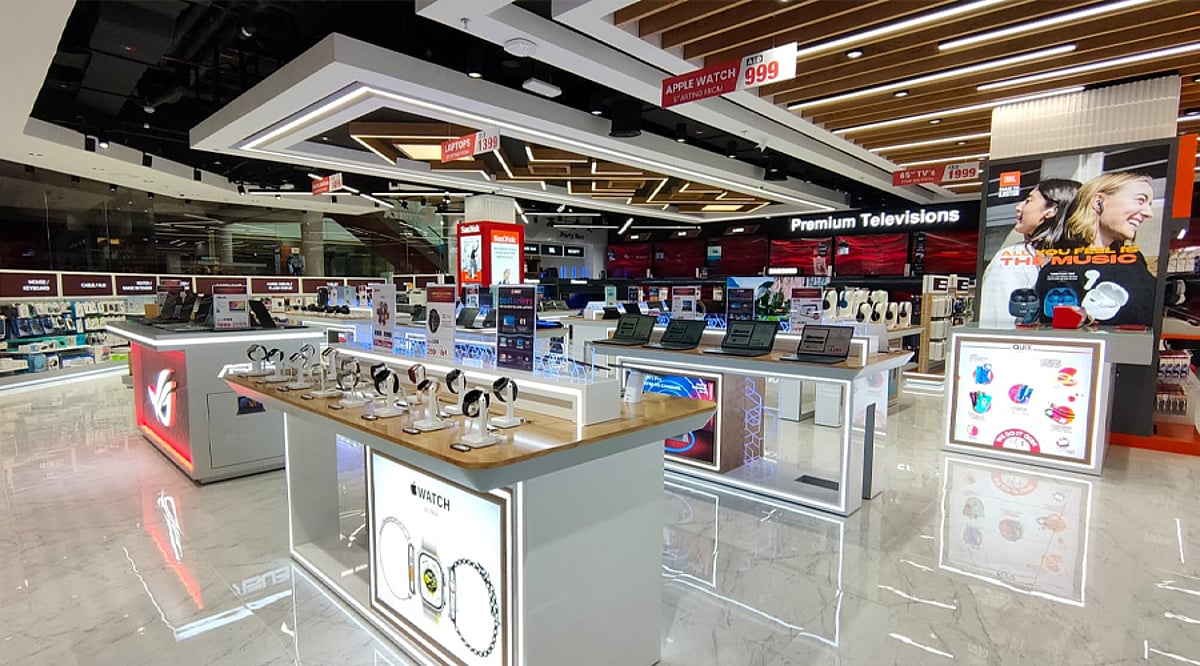
    DMart, operated by Avenue Supermarts, has reported its first-quarter results for fiscal year 2027, revealing steady revenue growth driven by increased footfall. However, rising operational expenses continue to pressure profit margins, reflecting broader challenges faced by the retail sector.

    Consolidated revenue for the quarter reached Rs. 18,794.5 crore, a 14.9% increase year-over-year. Total expenses climbed to Rs. 17,637.2 crore from Rs. 15,321.7 crore in the same period last year. The company’s managing director, Anshul Asawa, noted that stores open for two years or more saw same-store sales growth of 5.5% in Q1 FY27, down from 7.1% in Q1 FY26.

    Food and grocery items accounted for 54.9% of total revenue, a slight decline from 55.6% a year ago, while general merchandise and apparel contributed 25.5%, up from 24.7%. The results indicate that DMart continues to attract shoppers despite intense competition from online grocery platforms like Zepto and Instamart, as well as traditional retailers.

    Higher employee costs, store maintenance expenses, and general inflation are eating into margins. DMart’s strategy of offering low prices makes it difficult to pass on cost increases to customers. The company’s ability to maintain profitability while expanding its store network will be closely watched by investors in the coming quarters.

    These results underscore a broader trend in India’s retail market: consumers are spending cautiously, and retailers must balance cost control with competitive pricing in an environment of rising expenses and shifting shopping habits toward online and quick-delivery services.