Tag: Robotaxi

  • Top 10 Autonomous Vehicles Defining 2026

    Top 10 Autonomous Vehicles Defining 2026

    The autonomous vehicle landscape is accelerating rapidly in 2026, with major players expanding their fleets, entering new markets, and pushing the boundaries of what driverless technology can achieve. From ride-hailing services to consumer cars and autonomous trucks, here are ten vehicles and platforms that are shaping the future of transportation this year.

    1. Waymo One

    Waymo One leads the driverless ride-hailing segment, now operating fully autonomous services across 14 U.S. cities, including newer markets such as Denver, San Diego, and Tampa. The company is also preparing to expand into Germany, signaling its global ambitions.

    2. Tesla Model 3 and Model Y with FSD

    Tesla’s Full Self-Driving (FSD) system remains one of the most widely deployed advanced driving solutions. While the system can handle turns, lane changes, and navigation, Tesla still requires active driver supervision. The Model 3 and Model Y are the primary vehicles showcasing this technology.

    3. Mercedes-Benz DRIVE PILOT

    Mercedes-Benz DRIVE PILOT stands out as a regulated Level 3 automated driving system. Available on select S-Class and EQS models, it uses LiDAR and other sensors to provide automated driving in approved highway conditions, setting a benchmark for consumer-grade autonomy.

    4. Pony.ai Robotaxi

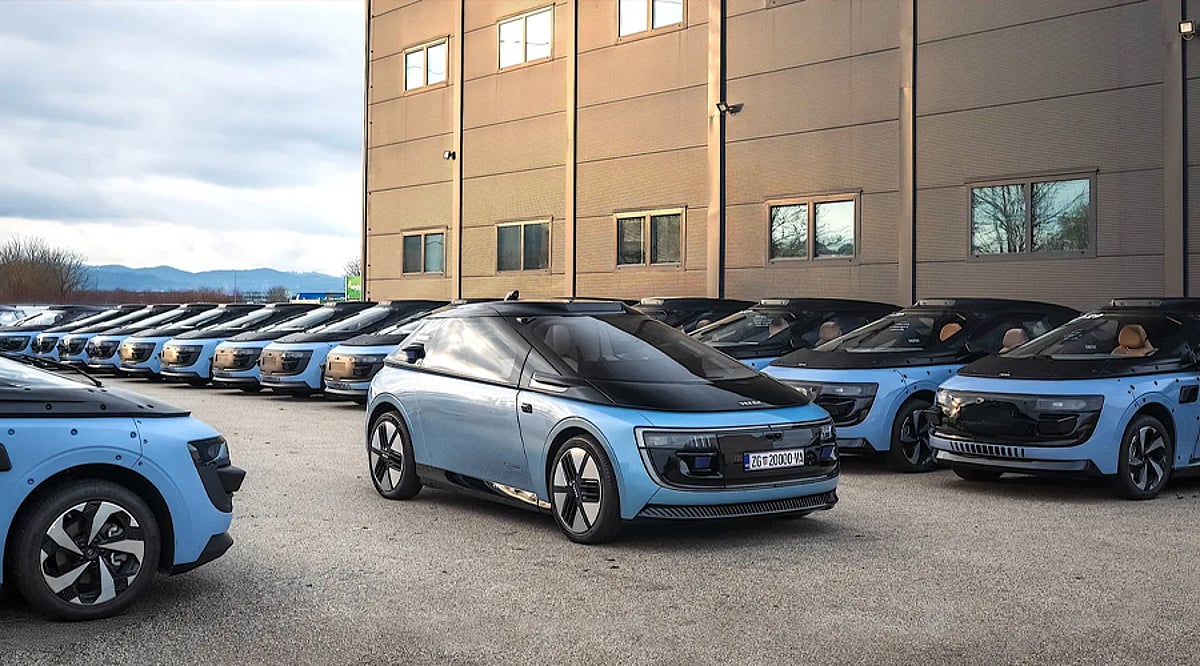
    Pony.ai is rapidly expanding its robotaxi service across China and international markets. The company launched commercial operations in Zagreb, Croatia, and aims to deploy thousands of vehicles as it scales its autonomous fleet globally.

    5. Wayve-Powered Vehicles

    Wayve, a UK-based startup, has partnered with Uber to launch supervised autonomous rides in London as of September 2026. This marks a significant milestone for European robotaxi services, bringing autonomous technology to busy urban streets.

    6. Aurora Driver Trucks

    Aurora is proving that autonomy extends beyond passenger cars. Its self-driving trucks now operate without any human in the driver’s seat, and the company plans to scale its commercial fleet throughout 2026, targeting logistics and freight applications.

    7. Zoox Robotaxi

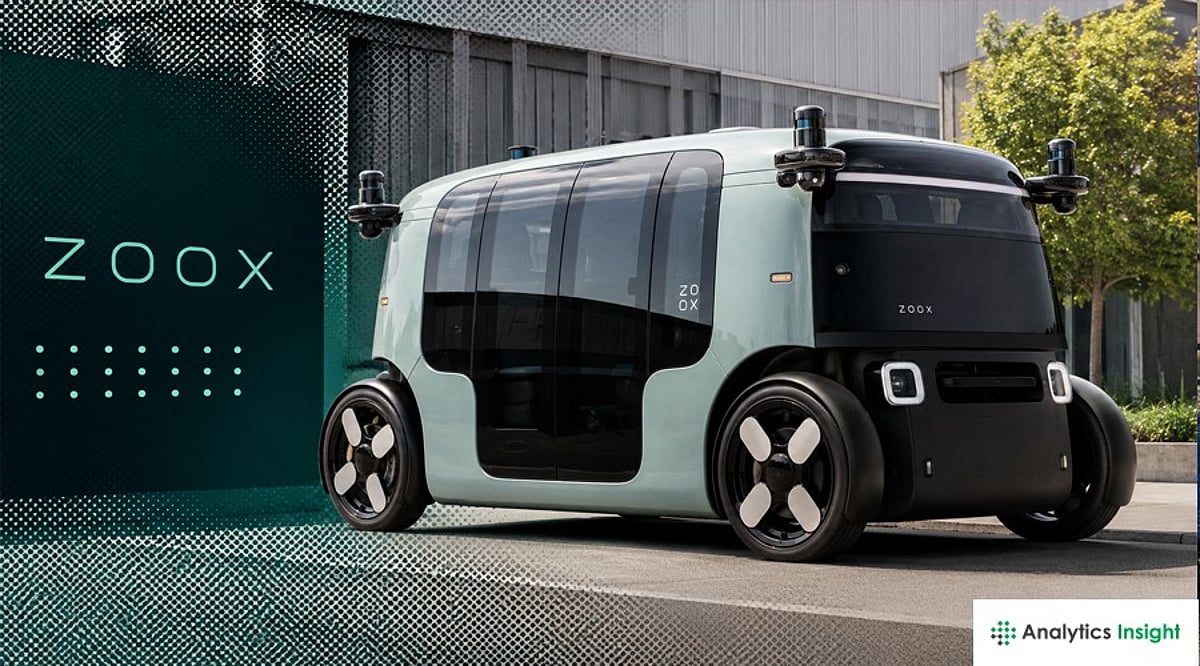
    Zoox takes a unique approach with a purpose-built vehicle designed for driverless ride-hailing. The cabin features face-to-face seating and no steering wheel. The company is now preparing for larger-scale production, aiming to redefine urban mobility.

    8. Baidu Apollo Go

    Baidu Apollo Go is one of China’s largest autonomous mobility platforms. By 2026, it has expanded to 28 cities and accumulated over 350 million autonomous kilometers, including more than 240 million fully driverless kilometers, making it a dominant player in the region.

    9. BMW iX and Advanced ADAS

    The BMW iX, along with other models featuring advanced driver-assistance systems (ADAS), represents the next step for consumer vehicles. Systems like BMW’s Driving Assistant Professional offer hands-free assistance on approved roads, bringing near-autonomous capabilities to everyday drivers.

    10. NIO and XPeng EVs

    Chinese automakers NIO and XPeng are pushing navigation and driver-assistance technology with AI-powered systems. Their vehicles highlight how Chinese manufacturers are competing globally, integrating advanced automation into mainstream electric cars.
  • Uber’s $10 Billion Robotaxi Investment: What It Means for Human Drivers

    Uber’s $10 Billion Robotaxi Investment: What It Means for Human Drivers

    Uber plans to commit more than $10 billion to autonomous mobility, with partners adding about 120,000 robotaxis to its network. Human drivers will still handle most rides as the company expands driverless services gradually across selected cities and approved operating zones.

    Uber plans to commit more than $10 billion to autonomous vehicles over the coming years. Its partners have committed about 120,000 vehicles to the Uber network during that period.

    The company currently offers autonomous rides in seven cities. It expects that number to reach as many as 15 by year-end. However, Uber’s expansion does not set a deadline for removing human drivers from its platform.

    Uber Builds Its Robotaxi Network Through Partners

    Uber disclosed the investment plan in its second-quarter 2026 prepared remarks. The spending covers equity investments, infrastructure and agreements to buy or use autonomous vehicles. Uber will also consider outside investors to help finance future deployments.

    Chief Executive Dara Khosrowshahi said, “Our ambition is clear: to become the world’s leading commercialization platform for autonomous mobility.” Uber plans to connect vehicle developers with riders through its app. It does not intend to develop every self-driving system internally.

    The program will combine Uber’s capital with vehicles from technology partners. This approach follows Uber’s 2020 sale of its autonomous-driving unit to Aurora.

    Since then, Uber has signed agreements with several developers and vehicle makers. Its current partners include Waymo, Nuro, Lucid, Rivian, Wayve, WeRide and Zoox.

    Uber reported $2.8 billion in second-quarter free cash flow. Free cash flow for the previous 12 months exceeded $10 billion for the first time. Gross bookings rose 24% from a year earlier to $58 billion, while revenue reached $14.2 billion.

    Human Drivers Still Handle Most Uber Trips

    Human drivers and couriers still form the core of Uber’s service network. A record 10.2 million drivers and couriers earned more than $25 billion during the second quarter.

    Robotaxis currently account for less than 0.5% of Uber’s total rides, Khosrowshahi said during the company’s earnings call. Most autonomous services also operate within defined areas. Each city requires local testing, operating support and regulatory approval.

    Uber has started reducing driver recruitment in some cities where autonomous rides operate. Khosrowshahi said the company wants established drivers in those markets to maintain their earnings. Uber has not announced plans to remove existing drivers.

    The longer-term position is less certain. Khosrowshahi said in February that robots could handle most Uber trips within 15 to 20 years. He also said driver and courier numbers should keep rising for several years.

    Automation will not reach every route at the same pace. Construction zones, severe weather and unusual traffic conditions can restrict autonomous systems. Human drivers can serve trips outside approved zones and markets without commercial robotaxi rules.

    New Fleet Work Accompanies Autonomous Expansion

    Large robotaxi networks require more than self-driving software. Uber lists dispatch, vehicle integration, fleet operations, charging, financing and insurance among the services needed for commercial operations. Regulators and local communities also take part in each launch.

    Those requirements create work in fleet maintenance, charging, cleaning, customer support and remote assistance. However, Uber has not provided hiring forecasts for these roles. It has also not said how many driving positions its planned fleet may replace.

    The company’s partner commitments cover different schedules and markets. For example, Uber’s Lucid and Nuro agreement covers at least 20,000 vehicles over six years. The broader 120,000-vehicle commitment has no single six-year deadline.

    For now, Uber is adding robotaxis alongside human-driven rides. The speed of that change will depend on vehicle supply, safety approvals and local operating rules. Driver demand will also vary by city as autonomous services expand within selected zones.

  • Tesla Stock Awaits Q2 Earnings: Margins, Cash Flow, and Robotaxi Updates in Focus

    Tesla Stock Awaits Q2 Earnings: Margins, Cash Flow, and Robotaxi Updates in Focus

    Tesla stock edged higher ahead of its second-quarter earnings report, as investors zeroed in on automotive margins, free cash flow, and rising capital expenditures. The upcoming results, due after the market close on Wednesday, July 22, will also shine a spotlight on the company’s progress with Robotaxi expansion, Optimus humanoid robot production, and whether stronger vehicle deliveries can offset mounting costs.

    Shares gained roughly 3% on Tuesday, rebounding from four consecutive losing sessions, though the stock remains down about 13% for 2026.

    Deliveries Recover, Bolstering Revenue Forecasts

    Tesla delivered 480,126 vehicles in the second quarter, a 25% increase year over year. Production reached 451,758 units, while energy storage deployments hit 13.5 gigawatt-hours. Model 3 and Model Y accounted for 467,762 deliveries.

    The company’s internal consensus points to quarterly revenue of approximately $27.58 billion. Analysts expect adjusted earnings of roughly $0.55 per share, up from $0.40 a year ago. Broader market estimates place revenue between $26.2 billion and $27.7 billion.

    The delivery rebound may provide a tailwind for automotive revenue after weaker periods. However, Tesla cautioned that pricing, production costs, foreign exchange rates, and product mix also influence profitability.

    Margins and Cash Flow Under Pressure

    Wall Street forecasts Tesla’s automotive gross margin, excluding regulatory credits, will fall to about 18.1%, down from 19.2% in the previous quarter. Financing incentives, vehicle discounts, and higher input costs could further weigh on the metric.

    Free cash flow is likely to draw particular scrutiny. LSEG data points to negative free cash flow of roughly $3.3 billion for the period, which would mark Tesla’s first quarterly cash burn in more than two years.

    Gene Munster of Deepwater Asset Management expects automotive margins to slightly exceed consensus and projects second-quarter capital spending of about $6.7 billion. “I expect good news,” Munster wrote, but questioned how investors would react to higher spending in 2027.

    In April, Tesla raised its 2026 capital expenditure plan above $25 billion, covering data centers, vehicle plants, robotaxis, and the Optimus humanoid robot program. Investors will be watching whether operating cash flow can fund these projects without severely depleting Tesla’s cash reserves.

    Robotaxi Timelines Return to the Forefront

    Gary Black of The Future Fund noted that repeated missed Robotaxi targets have eroded confidence in Tesla’s public timelines. He pointed to Elon Musk’s earlier forecast that the service would cover half of the U.S. population by the end of 2025.

    Tesla expanded Robotaxi coverage to Orlando and Tampa ahead of earnings, but the service remains limited compared with earlier national ambitions. The company has started production of the Cybercab, though those vehicles have not yet entered its commercial network.

    Investor questions also center on the Optimus production schedule and obstacles slowing Robotaxi expansion. Nine of the ten most-supported questions on Tesla’s investor platform concern artificial intelligence projects, Full Self-Driving, Robotaxi, or Optimus.

    Shareholders have also asked about market speculation regarding a potential Tesla-SpaceX merger. Neither company has confirmed such a transaction. The earnings call is expected to focus on reported financials, spending plans, and management’s timelines for products that have yet to generate significant revenue.

    Tesla shares traded near $379 early Wednesday, placing its market capitalization above $1.3 trillion. The earnings call will begin at 5:30 p.m. Eastern Time.

  • Tesla Q2 Deliveries Surge 25% as Robotaxi and Optimus Spending Strains Cash Flow

    Tesla Q2 Deliveries Surge 25% as Robotaxi and Optimus Spending Strains Cash Flow

    Tesla approaches its second-quarter earnings report with strong vehicle deliveries and higher expected revenue. However, rising spending on Robotaxi, Optimus, AI data centers, and Cybercab production could push free cash flow deep into negative territory.

    Wall Street expects Tesla Q2 revenue of $26.21 billion, up 16% from a year earlier. Analysts also forecast adjusted earnings of $0.50 per share and adjusted EBITDA of $4 billion.

    Tesla Q2 Deliveries Support Revenue Growth

    Tesla delivered 480,126 vehicles during the quarter, up 25% from a year earlier. The total also exceeded the Bloomberg consensus estimate of 397,466 vehicles by a wide margin.

    The new Model Y helped improve production after last year’s factory transition reduced output. Tesla also used lower prices across several markets, which supported demand and lifted deliveries.

    Energy storage deployments reached 13.5 gigawatt-hours during the quarter. This figure rose more than 50% from 8.8 gigawatt-hours in the first quarter.

    Regional sales trends moved in different directions. Cox Automotive expects Tesla’s US sales to fall 20% after the federal EV tax credit expired. Meanwhile, European registrations rose sharply, with Greater Europe up nearly 108% in May.

    Deutsche Bank analyst Edison Yu said, “International strength is doing the heavy lifting.” He identified Europe as the main driver, while China also supported results. Tesla also plans to raise production at its Berlin factory during 2026.

    Robotaxi and Optimus Spending Pressures Cash

    Tesla’s stronger deliveries may not prevent a steep drop in free cash flow. Company-compiled analyst estimates point to negative free cash flow of $3.254 billion for the quarter.

    Capital spending could reach $6.7 billion, more than double the level from a year earlier. Tesla generated nearly $5.6 billion in free cash flow during the same quarter last year.

    The company continues to spend on Optimus robot production, AI data centers, and Cybercab manufacturing. These projects require large upfront investment while commercial returns remain limited.

    Morgan Stanley analyst Andrew Percoco said investors still question whether Robotaxi and Optimus can advance fast enough. “As capex more than doubles and free cash flow turns negative,” he wrote. Investors want evidence that spending can build Tesla’s physical AI business.

    Tesla’s long-term valuation depends heavily on growth beyond vehicle sales. Therefore, the earnings call may focus on production timelines, technology progress, and spending plans for these projects.

    Tesla Earnings History Adds Caution

    Tesla shares have fallen about 16% this year as investors weigh stronger deliveries against higher spending. The stock also faces pressure from uncertainty around future earnings growth and cash generation.

    Recent earnings history may also shape expectations. Tesla has missed adjusted earnings-per-share estimates in five of the past eight quarters, according to Bloomberg data.

    The company’s international sales recovery offers support, while weaker US demand adds pressure. High capital spending adds another challenge as Tesla expands several projects at the same time.

    The quarterly update will give investors fresh details on automotive margins, energy revenue, and cash use. Management may also provide new targets for Robotaxi, Optimus, Cybercab, and AI infrastructure spending.

    Investors will compare those updates with delivery growth and regional sales trends. Any change in the full-year spending outlook could affect expectations for Tesla’s near-term cash position over the coming several quarters.

  • Tesla Stock Poised for 7% Swing as Q2 Earnings Put AI and Robotaxi Plans in Focus

    Tesla Stock Poised for 7% Swing as Q2 Earnings Put AI and Robotaxi Plans in Focus

    Tesla stock enters a key earnings week with options traders preparing for a sharp move. The company will release its second-quarter results after the market closes on Wednesday, July 22, followed by an earnings call at 5:30 p.m. Eastern Time.

    Recent options pricing points to a potential swing of about 7% in either direction by Friday. Based on Thursday’s close, that range could take TSLA stock near $365 or above $416. Shares closed Friday at $380.84, down 2.6%.

    The expected move reflects that traders see room for a strong reaction to the Q2 report, though options pricing does not predict direction. Tesla shares have fallen more than 10% since the start of 2026, and a 7% rise would recover part of those losses, while a similar decline would push the stock further below analyst targets.

    Wall Street remains divided on Tesla’s valuation. Among 11 analysts tracked by Visible Alpha, six rate the stock neutral, four rate it a buy, and one recommends selling. Price targets range from $130 to $600, with a $408 average. Morgan Stanley recently raised its price target to $417 from $415, maintaining an equal-weight rating and expecting a solid quarter. The firm noted that the key investor debate remains whether Robotaxi and Optimus progress can justify an accelerating AI investment cycle.

    For the second quarter, Tesla’s company-compiled consensus calls for revenue of $27.58 billion, up from $22.50 billion a year ago. Analysts expect non-GAAP earnings of $0.55 per share and GAAP earnings of $0.36. Automotive revenue is projected at $20.05 billion, energy storage at $3.77 billion, and services at $3.76 billion. Wall Street anticipates a 19.5% gross margin but also forecasts negative free cash flow of about $3.25 billion and capital spending near $6.70 billion.

    Tesla delivered 480,126 vehicles during the quarter and produced 451,758, with Model 3 and Model Y deliveries reaching 467,762. The company also deployed 13.5 gigawatt-hours of energy storage products.

    Investors are expected to look beyond vehicle sales during the call, as Tesla shifts resources toward autonomous driving, Robotaxi services, the Optimus humanoid robot, energy storage, and other AI-linked projects. Progress on Robotaxi and Optimus could shape the stock reaction, with analysts seeking clearer timelines, spending plans, and commercial targets. The Tesla Semi program may also draw questions, especially after Tesla opened a public Megacharger station in Bloomington, California, and encouraged fleet customers to install chargers at their depots.

    Investors have submitted questions about Semi production, sales estimates, and revenue. While Tesla does not answer every submitted question, the Q2 call will provide the next scheduled update on financial results and the company’s broader growth plans.

  • Zoox Unveils Updated Production-Ready Robotaxi, Targets 100 Units Per Week

    Zoox Unveils Updated Production-Ready Robotaxi, Targets 100 Units Per Week

    Amazon-owned Zoox has introduced an updated version of its purpose-built robotaxi as it prepares to ramp up production at its Hayward, California facility. The company says the new model incorporates feedback from approximately 500,000 riders and will join its autonomous ride-hailing fleet directly from the production line.

    Cabin Gets Rider-Focused Upgrades

    The updated Zoox robotaxi retains its signature face-to-face, carriage-style seating layout. Zoox has replaced the previous interior color scheme with aloe green seats, stone-grey flooring, and matching trim. The company also added more seat padding, refined the curves of the seats and headrests, and installed a brighter touchscreen. Additional daily-use improvements include larger cupholders and raised lines on the wireless charging surface to help keep phones in place. Lighter cabin materials make personal items easier to spot before riders exit, according to the company.

    Chris Stoffel, Zoox’s director of robot industrial design and studio engineering, said the new cabin aims to reduce visual distractions. “The simplicity of the elevated interior design does not demand a rider’s attention,” he noted. The updates stem from passenger feedback gathered during testing and early services.

    Exterior Enhancements for Communication and Visibility

    Zoox also refined the robotaxi’s exterior, moving and improving bidirectional reflectors to make them more visible to other road users. Since the vehicle has no fixed front or rear, these signals help indicate its direction of travel. The door interface now includes a new speaker and microphone, and the two-way audio system has been expanded for clearer communication among riders, support staff, and first responders both inside and outside the vehicle.

    The design continues to exclude a steering wheel, brake pedal, or other conventional controls, allowing for the face-to-face seating arrangement and complying with federal rules for automated vehicles without manual driving controls.

    Production Target Tied to Regulatory Approval

    Zoox plans to build the refreshed robotaxi at its 220,000-square-foot Hayward facility, which opened in 2025. The company states the site can assemble more than 10,000 robotaxis per year at full capacity and that production could reach 100 vehicles per week—though that target is subject to regulatory clearance. Zoox expects riders in Las Vegas to access the updated vehicle later in 2026, with expansion to other U.S. markets depending on vehicle supply, local plans, and approvals.

    On June 25, 2026, the National Highway Traffic Safety Administration began rulemaking that could eliminate the requirement for manual brake pedals in vehicles built exclusively for automated driving, potentially easing Zoox’s deployment path. Until the process concludes, the company’s production and deployment schedule remains conditional.

  • Tesla’s Steerless Cybercab Test Ignites Safety and Liability Debate

    Tesla’s Steerless Cybercab Test Ignites Safety and Liability Debate

    Tesla has reignited the discussion around autonomous vehicle safety after releasing footage of its Cybercab completing a public road test in Austin, Texas—without a steering wheel or pedals. The vehicle, which relies entirely on self-driving technology, carried only a safety monitor inside, prompting fresh questions about liability and public trust.

    The video, shared by CEO Elon Musk, shows the Cybercab navigating city streets using Tesla’s camera-based autonomous system. First unveiled in 2024, the Cybercab is designed exclusively for robotaxi service, featuring a minimalist passenger display instead of a traditional dashboard. Tesla already operates robotaxi trials in Austin with Model Y vehicles, and this test signals a move toward dedicated autonomous fleets.

    Reactions on social media have been mixed. Supporters praised the technological leap, calling it a glimpse of the future. Critics, however, voiced safety concerns—wondering how the vehicle would handle emergencies, software glitches, or cyberattacks. Many asked whether a safety monitor could intervene in time, and who would be liable in an accident involving a fully driverless car.

    The debate unfolds as U.S. regulators consider a proposal from the National Highway Traffic Safety Administration (NHTSA) that could eliminate the requirement for brake pedals in fully autonomous vehicles. If passed, the rule would clear a path for companies like Tesla to deploy robotaxis without traditional controls.

    Tesla faces stiff competition from Waymo and Cruise, both of which use additional sensors like lidar and radar. Each company takes a different technical approach to safe autonomy. The Cybercab test underscores both the promise and the hurdles of driverless technology, with public confidence and clear safety regulations remaining critical barriers to widespread adoption.

  • Tesla Stock Surges 8.5% to Nearly $412 After FSD Update and Strong Earnings

    Tesla Stock Surges 8.5% to Nearly $412 After FSD Update and Strong Earnings

    Tesla stock jumped 8.5% in a single trading session, pushing shares close to $412, following the release of a major Full Self-Driving (FSD) software update and fresh regulatory approvals in Europe. The rally underscores investor optimism around Tesla’s autonomous driving technology and its improving financial performance.

    Key Takeaways

    • Tesla stock surged 8.5% after the release of Full Self-Driving Version 14 Lite for older Hardware 3 vehicles.
    • Revenue reached $22.39 billion (16% annual growth), with gross margins improving to 21%.
    • Future growth hinges on robotaxi expansion, energy business development, and maintaining leadership amid rising competition.

    Stock Performance and Market Context

    As of June 30, 2026, Tesla shares traded near $409, closing the latest session at $411.84. The 8.5% daily gain ranks among the company’s largest in recent months. Tesla’s market capitalization now stands at approximately $1.55 trillion, placing it among the world’s most valuable companies.

    Over the past 12 months, Tesla’s stock has ranged from $288.77 to $498.83, highlighting persistent volatility. Despite the recent uptick, year-to-date performance remains negative at -8.4%. Daily trading volume remains high at roughly 56 million shares, reflecting sustained interest from both retail and institutional investors.

    Catalyst Behind the Rally

    The primary driver of the stock surge was the rollout of Full Self-Driving Version 14 Lite, a software update designed for older Tesla vehicles equipped with Hardware 3. The update enhances city driving support, route selection, speed control, and safety performance. Investors view autonomous driving as a transformative element of Tesla’s long-term business model, and the positive market reaction was immediate.

    Adding to the momentum, Tesla received additional regulatory approval for its self-driving software in several European markets, including Belgium. This international expansion opens new revenue opportunities and reinforces confidence in Tesla’s autonomous technology roadmap.

    Financial Performance Strengthens

    Tesla reported solid first-quarter 2026 results. Revenue reached $22.39 billion, up 16% year-over-year, demonstrating resilient demand despite intensifying competition in the electric vehicle (EV) market.

    Gross margins improved to approximately 21%, a significant recovery after earlier periods of aggressive price cuts. Operating income surged 91% to $940 million, reflecting tighter cost controls and improved operational efficiency.

    Future Growth Beyond EV Sales

    Tesla’s growth strategy now extends well beyond vehicle sales. Key initiatives include:

    • Cybercab Robotaxi Platform: Production began in early 2026 at Tesla’s Gigafactory in Texas. Success in large-scale robotaxi deployment could create an entirely new revenue stream.
    • Energy Expansion: Tesla has formed partnerships with energy providers to build virtual power plants that support AI data centers, diversifying revenue and reducing dependence on automotive sales.

    Risks to Consider

    Despite strong performance, Tesla carries significant risks. The stock trades at a price-to-earnings ratio above 340, far exceeding traditional automakers and many tech firms. Such high valuation implies extremely ambitious future growth expectations; any shortfall could trigger a sharp correction.

    Competition from Chinese EV makers is intensifying, and delays in products like the next-generation Roadster or large-scale robotaxi deployment create execution uncertainty. Regulatory hurdles for self-driving technology also remain a factor, as approvals vary by country.

    Outlook

    Tesla occupies a unique position, combining EVs, AI, robotics, autonomous driving, and energy infrastructure under one roof. Recent software developments and strong financials have boosted market confidence. However, the stock’s elevated valuation means future performance depends heavily on successful execution over the next 12–24 months.

    At current levels near $409–$412, Tesla remains financially robust with substantial long-term potential. Yet investors must weigh the high expectations embedded in the stock price against the real challenges of competition, regulation, and execution.