
Tag: safe harbour

  • India Unveils Tax Reforms to Lure Offshore Fund Managers and Boost Foreign Investment

    India Unveils Tax Reforms to Lure Offshore Fund Managers and Boost Foreign Investment

    India has proposed significant tax reforms aimed at easing rules for offshore funds managed by Indian-based managers, as part of the Taxation and Other Laws Amendment Bill, 2026. The government says the changes seek to promote fund management activity and provide tax certainty, in a bid to attract foreign capital after recent overseas outflows and rupee pressure.

    The draft bill removes eight of the existing 13 safe harbour conditions, including minimum corpus tests, investor thresholds, ownership caps, and portfolio restrictions. Funds can now appoint India-based managers without triggering a taxable business connection solely through that arrangement. However, five safeguards remain: Indian residents cannot directly hold more than 5% of a fund’s corpus, the fund must remain non-resident, and it cannot control an Indian business.

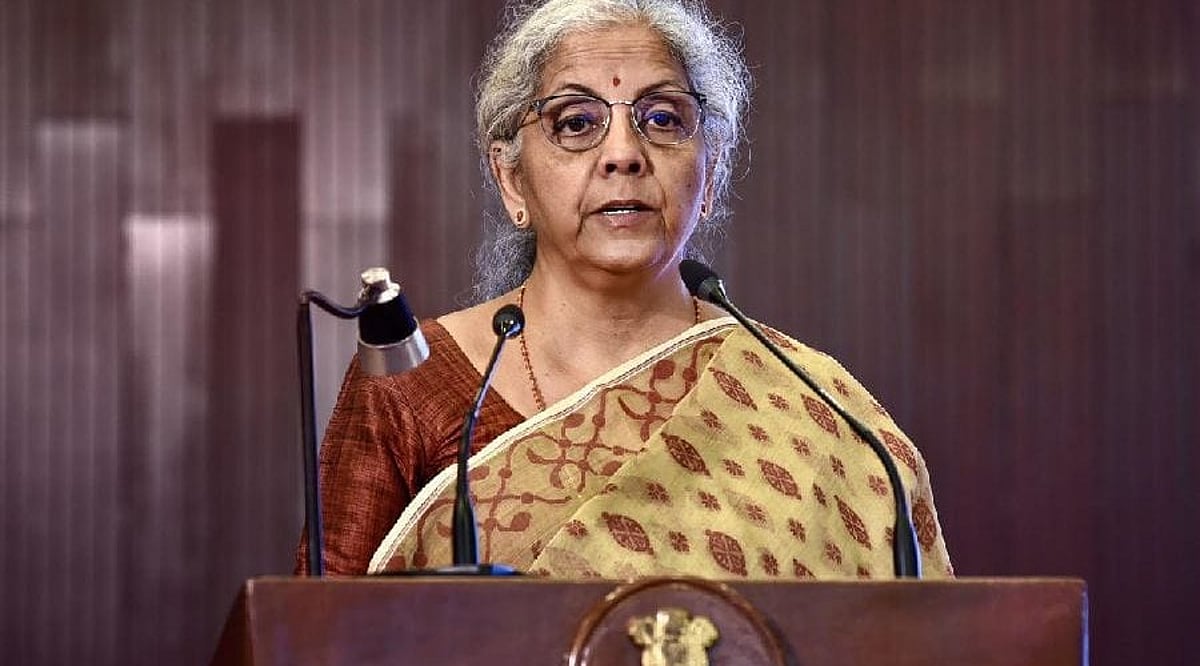
    Girish Vanvari of Transaction Square noted that the proposal substantially reduces the risk of a taxable connection. Nehal Sampat, a PricewaterhouseCoopers partner, said the measure would help offshore funds hire onshore managers. EY India’s Tejas Desai added that the changes offer more flexibility for global structures. The reforms also support India’s broader push to bring more fund management activity onshore, aligning with Finance Minister Nirmala Sitharaman’s call for more foreign capital.

    In addition, the bill extends tax incentives for electronics contract manufacturing, granting a ten-year extension to the existing five-year exemption through 2040-41. Foreign companies supplying capital goods to Indian electronics manufacturers can use the exemption, and certain component sales through customs-bonded areas qualify. Specified foreign firms trading rough diamonds in notified special zones receive a 15-year tax holiday. Simpler rules for data centres allow eligible facilities to operate through ownership or leasing, reducing procedural steps.

    The bill also replaces a June ordinance for foreign portfolio investors in government securities, exempting qualifying interest income and capital gains from Indian tax. The government circulated the draft among lawmakers and may introduce it in Parliament this week; measures require parliamentary approval before taking effect.
  • India Parliamentary Panel Puts Meta on Notice Over PM Modi Video Removal, Threatens Safe Harbour Repeal

    India Parliamentary Panel Puts Meta on Notice Over PM Modi Video Removal, Threatens Safe Harbour Repeal

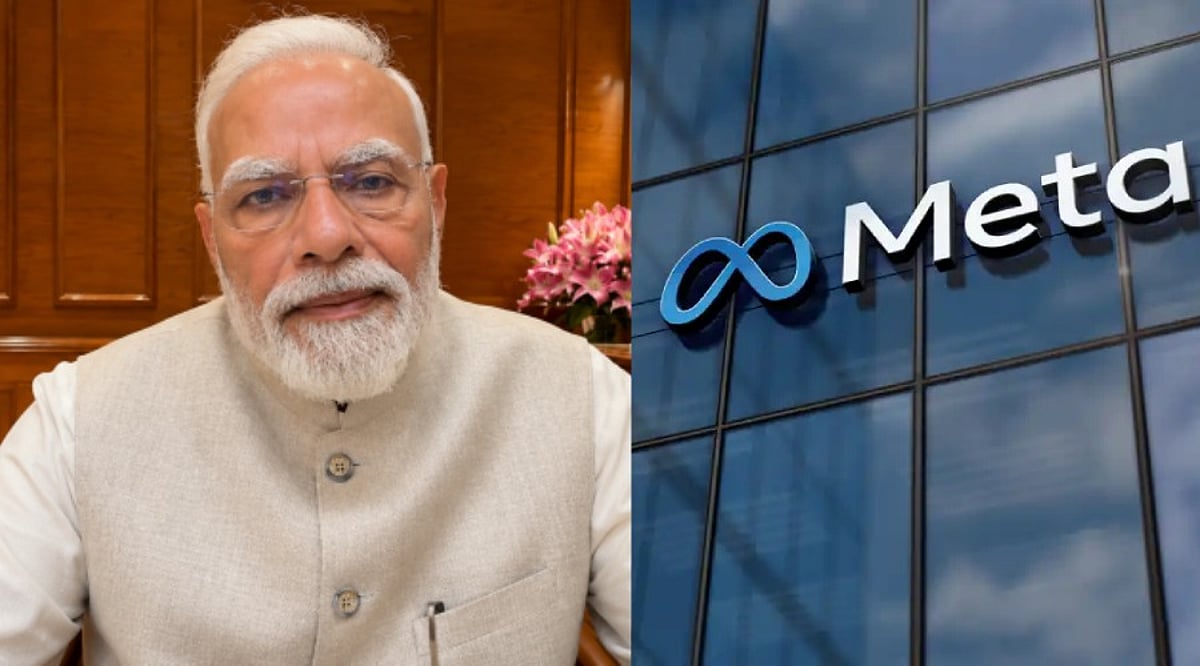
    Meta is facing mounting pressure in India after a video featuring Prime Minister Narendra Modi was temporarily removed from one of its platforms. The video showed the Prime Minister assuring students that strict action would be taken against those responsible for a paper leak incident. Following the brief takedown, a parliamentary panel has demanded an apology from Meta, warning that the company could lose its safe harbour protections if it fails to comply.

    The Parliamentary Committee on Communications and Information Technology issued a three-day ultimatum to Meta CEO Mark Zuckerberg, insisting on an apology to Prime Minister Modi. BJP MP Nishikant Dubey, who chairs the panel, called the removal an “attack on democracy.” The safe harbour clause currently prevents the Indian government from filing First Information Reports (FIRs) directly against social media platform officials. Removing that clause would allow the government to take legal action.

    Meta had previously apologized for what it described as a technical glitch that caused the video to be removed. However, India’s Ministry of Information and Technology found that explanation insufficient and unconvincing.

    CSAM Scrutiny Intensifies

    The video removal is not the only regulatory challenge Meta faces in India. Last month, the company came under scrutiny over child sexual abuse material (CSAM) on its platforms. Reports indicated that such content was appearing in paid advertisements on Instagram, prompting the government to send Meta a formal notice.

    According to data from the National Crime Records Bureau, 1,238 cybercrime cases were registered against children in 2024. Of those, 1,099 involved the publication or transmission of sexually explicit material involving minors. Nishikant Dubey warned social media platforms, stating: “Pornographic content cannot be allowed in India. Child sexual abuse material is a heinous crime. AI-generated fake videos of women or obscene depiction of women are also heinous crimes.” He added that this issue “is above political parties, religion, and caste because this country is extremely sensitive when it comes to children and women.”

    The Indian government has warned social media platforms to either comply with CSAM rules or face legal action.