

Tag: Satellite Internet

  • Amazon’s Next-Gen Technologies: Satellite Internet, AI Models, and Autonomous Deliveries

    Amazon’s Next-Gen Technologies: Satellite Internet, AI Models, and Autonomous Deliveries

    Amazon is far more than an online marketplace. The company is investing heavily in emerging technologies that span satellite internet, generative AI, robotics, autonomous vehicles, biometrics, healthcare, and sustainability. Here’s a look at the key innovations shaping Amazon’s future beyond e-commerce.

    Project Kuiper: Global Satellite Internet

    Amazon is building a satellite internet network called Project Kuiper to deliver affordable broadband connectivity globally. This initiative competes with existing low-Earth orbit providers, aiming to bridge the digital divide.

    Amazon Nova AI Models

    Amazon’s Nova foundation models power generative AI applications, enabling businesses to create intelligent assistants, content, and enterprise automation efficiently. These models are designed to make AI accessible for a wide range of use cases.

    Warehouse Robotics

    Advanced warehouse robots improve inventory handling, package sorting, and fulfillment speed while reducing operational costs across Amazon’s expanding logistics network. These robots are a cornerstone of Amazon’s operational efficiency.

    Autonomous Delivery Drones (Prime Air)

    Prime Air drones aim to deliver eligible packages within minutes, improving last-mile logistics through autonomous navigation and advanced aviation technology. This service promises faster delivery for customers.

    Zoox Robotaxis

    Amazon-owned Zoox develops fully autonomous electric robotaxis designed for urban transportation, offering driverless mobility with enhanced passenger safety and convenience. Zoox is poised to disrupt the ride-hailing industry.

    AI-Powered Alexa+

    Alexa+ integrates advanced conversational AI, delivering personalized assistance, smarter automation, and natural interactions across compatible smart home ecosystems. It represents a major leap in voice assistant technology.

    Amazon One Biometrics

    Palm-recognition technology enables secure identity verification and seamless payments, simplifying customer experiences across retail stores, workplaces, and entertainment venues. Amazon One is expanding its footprint.

    Amazon Health Services

    Amazon continues expanding healthcare through digital pharmacy, virtual consultations, and integrated health solutions focused on accessibility, affordability, and patient convenience. The company is becoming a key player in health tech.

    Sustainable Logistics Innovation

    Amazon invests in electric delivery vehicles, renewable energy, and eco-friendly packaging to reduce emissions while supporting sustainable global supply chains. These efforts align with its Climate Pledge commitment.
  • SpaceX Stock Slips Below IPO Price as Blue Origin Raises $10 Billion to Expand Space Operations

    SpaceX Stock Slips Below IPO Price as Blue Origin Raises $10 Billion to Expand Space Operations

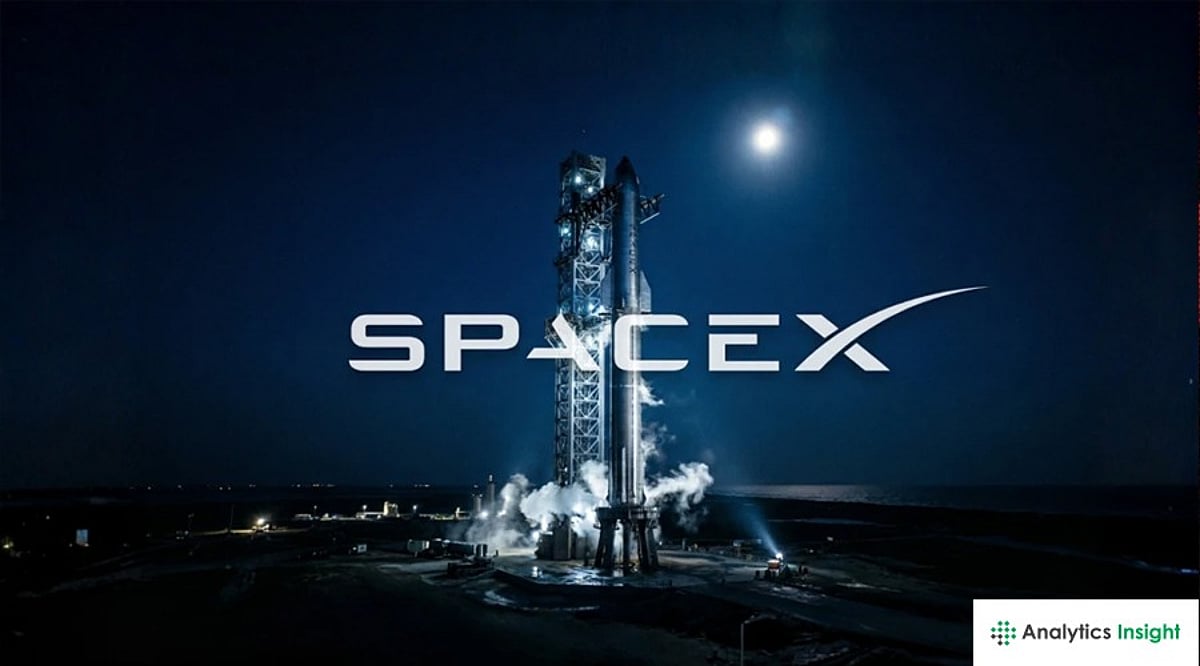
    SpaceX shares dropped below their IPO opening price this week, closing at $148 on Wednesday after a two-day decline following the company’s inclusion in the NASDAQ-100 index. The stock touched an intraday low of $145.20 before recovering some losses. The decline came as rival Blue Origin moved to raise $10 billion in outside capital at a reported $130 billion valuation, intensifying competition in the space launch and satellite connectivity markets.

    SpaceX’s IPO opened at $150 per share in June after the company raised $85.7 billion, including the greenshoe option. The stock reached a closing high of $201.80 on June 16 but has since pulled back. Analysts attribute the decline to a post-IPO adjustment phase, where early demand cools and investors test valuation support. Despite the drop, most analysts remain bullish, with price targets above $200. Morgan Stanley rates the stock overweight with a $300 target, while Bernstein, RBC, and UBS initiated coverage with positive ratings.

    Analysts point to SpaceX’s leadership in reusable rockets, launch services, and Starlink satellite internet, as well as potential growth from AI tools, orbital data centers, and broader space infrastructure. Morgan Stanley’s Adam Jonas described SpaceX as more than a rocket company, noting its ability to connect launch economics, satellite networks, and AI infrastructure into a single business model.

    Meanwhile, Blue Origin is seeking outside funding for the first time in its 25-year history. The Jeff Bezos-backed company is raising $10 billion, including $4 billion from Coatue Management, $4 billion from other large investors, and $2 billion from Bezos himself. The raise follows a difficult period that included a New Glenn rocket explosion during a static engine test that damaged its only launch pad. Bezos told CNBC in May that the company has enough visibility into its future to bring in outside investors. Blue Origin also plans to operate TeraWave, an enterprise satellite connectivity service, using New Glenn rockets to launch satellites into medium and low Earth orbit.

    Amazon is preparing its own satellite internet service, Amazon LEO, which would compete with Starlink in consumer connectivity, but TeraWave targets large business customers. The funding signals Blue Origin’s push to strengthen its capital base as competition in launch services and satellite internet intensifies. SpaceX still leads in satellites in orbit, but Blue Origin is working to build a stronger position across rockets and connectivity.