
Tag: scam prevention

  • Top Rules to Protect Your Bank Details from Scammers

    Top Rules to Protect Your Bank Details from Scammers

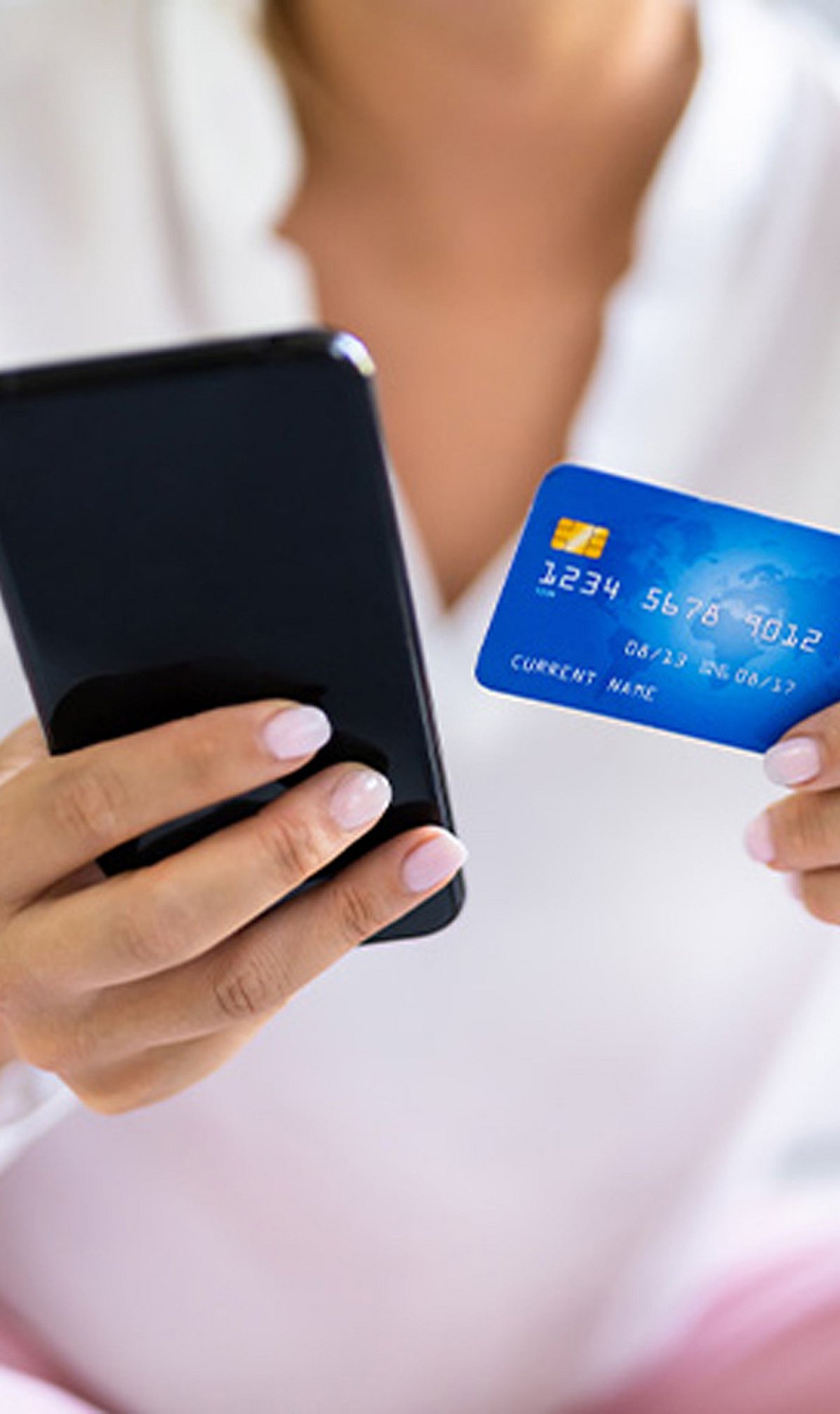
    Scammers are constantly devising new ways to steal your banking information. Follow these essential rules to keep your accounts secure and prevent unauthorized access.

    1. Never Share OTPs: Banks never request One-Time Passwords over calls or messages. Keep these codes private to prevent fraudulent transactions.
    2. Avoid Suspicious Links: Do not click on unknown banking links received via SMS, email, or social media. They may lead to phishing sites that steal your credentials.
    3. Verify Caller Identity: Never trust callers claiming to represent your bank without verification. Always contact your bank directly using official contact details.
    4. Protect Your PIN: Keep your debit and credit card PINs confidential. Never write them down or share them publicly.
    5. Use Strong Passwords: Create unique, difficult-to-guess passwords for your banking accounts and avoid reusing them across other websites or services.
    6. Enable Transaction Alerts: Activate SMS, email, or app notifications to instantly detect suspicious transactions and report unauthorized activity.
    7. Avoid Public Wi-Fi: Do not access internet banking over unsecured public networks, as they can expose your sensitive data to cybercriminals.
    8. Check Account Statements: Regularly review your bank statements and transaction history to identify unfamiliar payments or withdrawals.
    9. Report Fraud Immediately: If you notice any suspicious activity, contact your bank right away to block accounts, cards, or transactions and minimize potential losses.

    Stay vigilant and adopt these practices to safeguard your financial information from scammers.

  • How to Identify Fraudulent Investment Apps Before Losing Your Money

    How to Identify Fraudulent Investment Apps Before Losing Your Money

    Fake investment apps are becoming increasingly sophisticated, luring users with promises of guaranteed returns, instant profits, and exclusive opportunities. Many closely mimic legitimate financial platforms, making them hard to spot at first glance. By taking a few simple precautions before investing, you can protect your finances and personal data.

    Verify the Company Before Downloading Any App

    Always confirm that the company behind the app is legitimate and registered with the relevant financial regulator. Visit the official website, review contact details, and download apps only from trusted sources—avoid clicking ads or unsolicited links shared via social media or messaging platforms.

    Watch for Unrealistic Returns and Urgent Offers

    Promises of fixed high returns with little or no risk are major red flags. Fraudulent apps often create urgency through limited-time offers, bonus rewards, or referral incentives to pressure you into quick decisions without verifying credibility.

    Read Reviews Beyond App Store Ratings

    High ratings alone don’t guarantee trustworthiness. Read detailed user reviews, search for independent reports, and look for complaints about withdrawal issues, blocked accounts, or poor customer support. Consistent negative feedback from multiple sources is a strong warning signal.

    Never Share Sensitive Banking or OTP Details

    Legitimate investment platforms never ask for OTPs, banking PINs, passwords, or full card details via calls, emails, or messages. Sharing such information gives fraudsters direct access to your bank accounts and assets.

    Keep Devices Updated and Use Official App Stores

    Only download investment apps from official app stores, and keep your smartphone updated with the latest security patches. Install trusted security software and enable two-factor authentication for an extra layer of protection.

    Report Suspicious Apps Immediately

    If an investment app seems suspicious or asks for unusual payments, stop using it right away and report it through the appropriate cybercrime reporting channels. Quick action can limit financial damage and help protect others from falling victim to the same scam.