
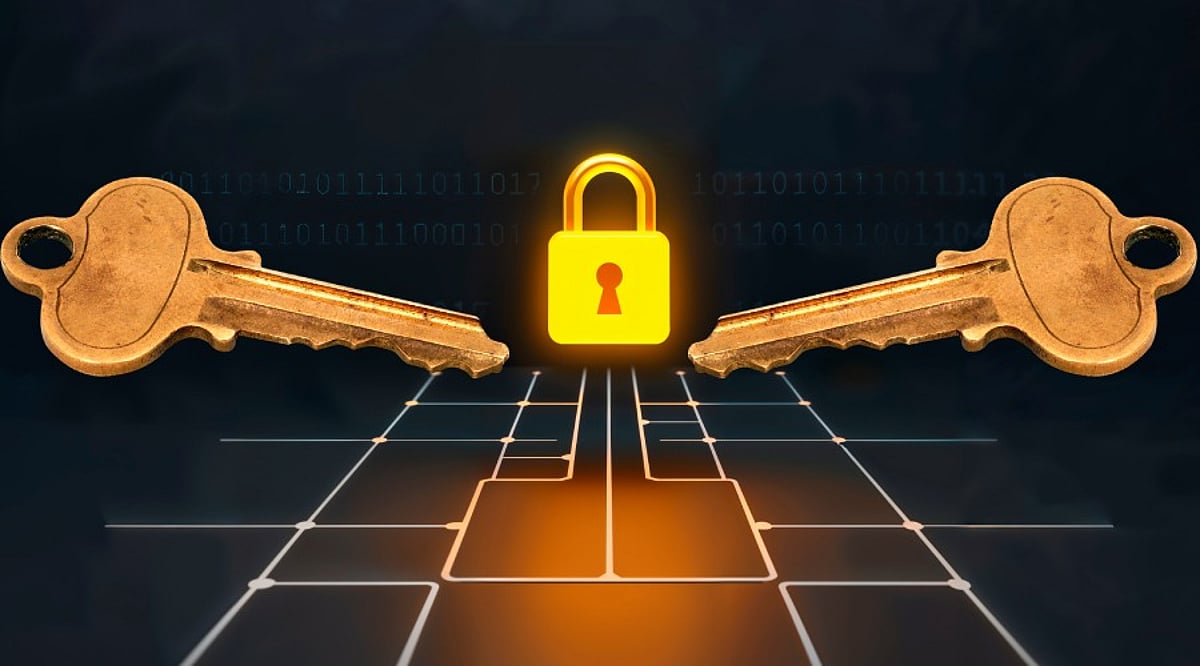
Tag: seed phrase safety

  • How to Safeguard Your Crypto Private Keys and Seed Phrases from Theft

    How to Safeguard Your Crypto Private Keys and Seed Phrases from Theft

    Private keys and seed phrases are the foundation of cryptocurrency security. This guide explains simple ways to prevent theft, avoid phishing scams, use secure storage, and protect digital assets from cybercriminals.

    Cryptocurrency gives complete control over digital assets without the need for a bank or another financial institution. This freedom also comes with full responsibility for security. A private key or seed phrase works like the master key to a crypto wallet. If either falls into the wrong hands, every asset within the wallet can disappear within minutes.

    Why This Matters

    Unlike a bank transfer, a blockchain transaction cannot usually be canceled or reversed. Once funds leave a wallet, recovery is extremely difficult. For this reason, strong security habits are just as important as smart investment decisions.

    Recent reports show that crypto theft remains a serious problem. According to the 2026 Crypto Crime Report from TRM Labs, infrastructure attacks, including theft through private keys, seed phrases, and wallet access, caused about $2.2 billion in losses during 2025. These attacks made up 76% of all cryptocurrency losses that year. Another report found that crypto theft reached nearly $400 million in January 2026 alone, with phishing scams responsible for a large share of the stolen funds.

    Difference Between a Private Key & a Seed Phrase

    The private key represents a secret code that allows for the transfer of cryptocurrencies from a wallet. Indeed, there is at least one private key associated with every cryptocurrency wallet.

    On the other hand, the seed phrase is a sequence formed by 12, 18, or 24 random words. The seed phrase is used to create and restore the crypto wallet. A person possessing this phrase will be able to restore the wallet on another device and thus access its contents.

    Since both mechanisms provide complete access to crypto assets, they must be safeguarded at all times. Even the slightest error may cause an irreversible loss of funds.

    Keep the Seed Phrase Offline

    Offline storage remains one of the safest ways to protect a seed phrase. A simple piece of paper kept in a secure place offers much better protection than a digital copy stored on an internet-connected device.

    Many crypto owners also choose metal backup plates. These plates can survive fire, water damage, and other accidents that may destroy paper records. A backup stored in a secure safe or another protected location adds another layer of safety.

    Cloud storage, email accounts, messaging apps, and online note applications should never hold a seed phrase. If hackers break into those accounts, the recovery phrase may become easy to steal.

    Choose a Hardware Wallet for Better Security

    A hardware wallet keeps the private keys in a small metal device and does not leave them on the computer or mobile phone. Since the keys are only in the hardware wallet, hackers cannot reach them through the internet.

    After requesting a transaction, the wallet will demand physical confirmation. This additional requirement prevents many attacks on software wallets from being carried out. Even if malware gets onto the computer, it won’t be able to steal the private keys.

    If you keep your cryptocurrencies for a long time, using hardware wallets is a great option for storing your investment.

    Stay Alert for Phishing Scams

    Phishing has become one of the biggest threats in the cryptocurrency world. Criminals create fake emails, websites, text messages, and social media accounts that look almost identical to trusted companies.

    The goal is simple. Victims receive a request to enter a seed phrase or private key to fix a fake problem or verify a wallet. Once that information becomes available to the attacker, the wallet can disappear within minutes.

    A recent case in Australia showed how dangerous these scams have become. Criminals sent fake letters through the mail with QR codes that led to fraudulent websites. These scams caused more than $1.47 million in reported losses within only a few days. Authorities warned that no legitimate crypto company will ever ask for a private key or seed phrase.

    Avoid Digital Copies

    Digital copies create unnecessary risks. A screenshot, photo, text document, or email draft may appear safe, but hackers often search for exactly these types of files after they break into a device.

    Many types of malware scan computers and smartphones for wallet information. Once a recovery phrase appears, criminals can send it to remote servers within seconds. For this reason, physical storage remains much safer than digital storage.

    Use Strong Account Security

    Although two-factor authentication cannot directly protect a private key or seed phrase, it can protect exchange accounts and other crypto services.

    Security becomes much stronger with unique passwords, authentication apps instead of text messages, biometric verification, and login alerts. These simple steps make unauthorized access much more difficult.

    Every crypto account should have its own password. Password reuse increases the chance that one stolen password may expose several accounts.

    Check Every Website Carefully

    Fake wallet websites continue to fool many cryptocurrency users. Some fake pages look almost identical to official websites, with only one small change in the web address.

    Wallet software should always come from official sources. Before any login or download, every website address deserves a careful check. A few extra seconds can prevent a major financial loss.

    Suspicious links received through email, text messages, or social media deserve special attention because many phishing attacks begin this way.

    Watch Out for Social Engineering

    Not every crypto theft depends on advanced technology. Many criminals simply trick people into giving away valuable information.

    Fake customer support agents, investment experts, giveaway organizers, and recovery services often claim that wallet details are necessary to solve a problem. These stories may sound believable, but the goal remains the same: steal the recovery phrase.

    Security experts also reported cases where hidden cameras secretly recorded seed phrases during wallet setup. This type of attack shows that physical privacy matters just as much as online security.

    Stay Updated on New Threats

    Crypto crime changes quickly. New scams appear every year, and attackers continue to find different ways to target wallet owners.

    Recent investigations found malware disguised as cryptocurrency recovery software. Instead of helping users recover lost wallets, the software stole passwords, wallet information, and personal files from infected computers.

    Regular software updates help close known security weaknesses. Updated operating systems, wallet applications, web browsers, and antivirus programs reduce the chance of a successful attack.

    Final Thoughts

    Private keys and seed phrases confer full ownership of cryptocurrency assets. When stolen, it is typically impossible to reverse losses, as blockchain transactions are irreversible.

    The most effective ways of protecting against theft include safe offline storage, hardware wallets, thorough checks of websites, strong account security, and understanding of new scams. Recent reports reveal that stolen wallet credentials are among the most common causes of loss of funds in the cryptocurrency business. As cryptocurrencies expand in popularity, the importance of proper security practices cannot be underestimated.
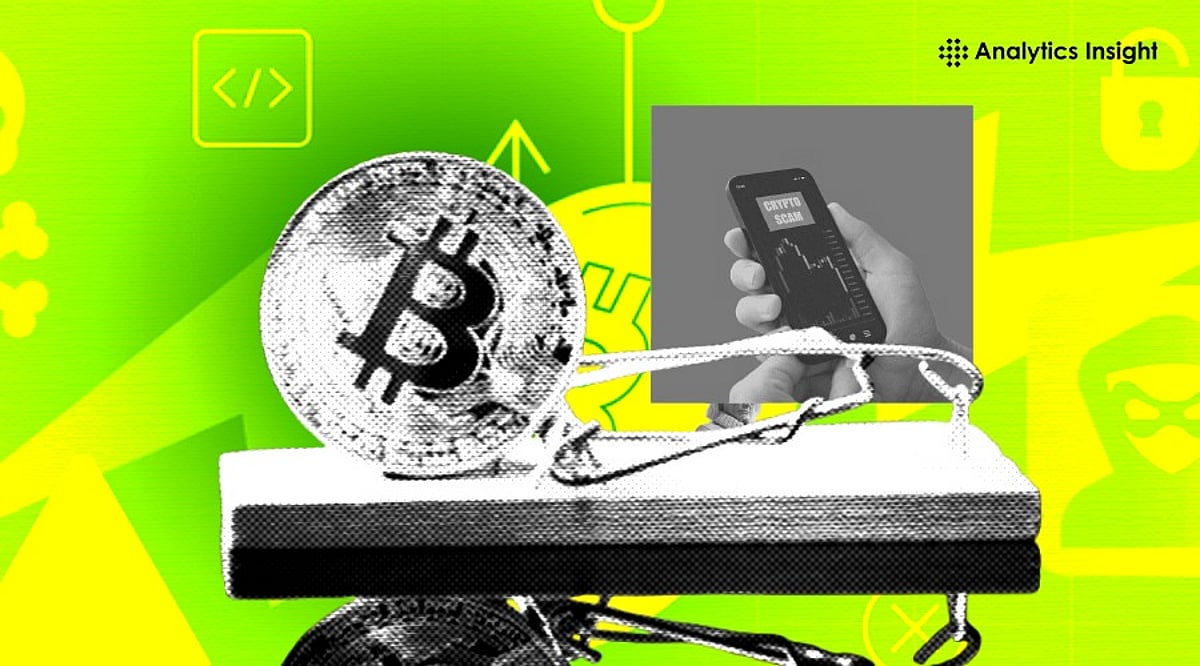
  • Top Cryptocurrency Scams Exposed: How to Protect Your Digital Assets in 2026

    Top Cryptocurrency Scams Exposed: How to Protect Your Digital Assets in 2026

    Key Takeaways

    • Always verify investment platforms, people, and offers before sending cryptocurrency.
    • Never share your seed phrase or private keys with anyone under any circumstances.
    • Strong security habits like two-factor authentication and hardware wallets greatly reduce scam risks.

    Millions of people now buy digital coins as they believe these assets have long-term value. At the same time, criminals have found new ways to steal money from crypto users. Most scams do not result from weaknesses in blockchain technology. They happen as scammers trick people into making costly mistakes. Many recent reports show that fraud based on trust, fear, or excitement has become the biggest threat in the crypto world. A careful approach and proper knowledge can prevent many of these losses.

    Pig Butchering Scams

    One of the most common crypto scams is known as a pig butchering scam. In this scam, a scammer spends weeks or even months building trust through social media, dating apps, or messaging platforms. After a strong relationship develops, the conversation shifts toward cryptocurrency investments. The scammer introduces a fake investment platform that appears genuine and even shows false profits. Once a large amount of money goes into the account, withdrawals become impossible. Extra payments, fake taxes, or account verification charges often appear before access to the money is denied. Every investment offer from an online contact deserves careful verification before any payment takes place.

    Fake Investment Platforms

    Fake crypto investment websites have become more advanced than ever. Many look almost identical to trusted exchanges. These websites display fake account balances and impressive profits that never exist in reality. After deposits increase, victims discover that withdrawals require additional payments such as processing fees or taxes. Even after these payments, the funds are never returned. Independent research, company background checks, and reviews from trusted sources can help identify fraudulent platforms before any funds move.

    Phishing Websites and Fake Wallets

    Phishing remains one of the easiest ways for criminals to steal cryptocurrency. Fake websites copy the design of popular exchanges and wallet providers. A single wrong click can lead to a fake login page where passwords or wallet recovery phrases fall into criminal hands. Fake browser extensions and wallet applications create the same danger. Once scammers receive a recovery phrase or private key, complete control of the wallet passes to them. Official website bookmarks, careful checks of web addresses, two-factor authentication, and hardware wallets offer strong protection against these attacks.

    AI Deepfake Scams

    Artificial intelligence has made crypto scams even more convincing. Criminals now create fake videos, cloned voices, and realistic livestreams that appear to feature famous business leaders, celebrities, or crypto experts. These fake promotions often promise free cryptocurrency or guaranteed investment profits. Many ask people to send crypto with the false promise of receiving a larger amount in return. Verify every announcement against official company websites or verified social media accounts before taking any action. A professional video alone should never become proof that an offer is genuine.

    Fake Giveaways and Rug Pulls

    Fake giveaways remain popular since they appear simple and attractive. Messages often promise that anyone who sends cryptocurrency will receive double the amount back. No legitimate company or well-known crypto project follows this practice. Once the payment reaches the scammer, the money disappears forever. Another serious threat is the rug pull. Developers launch a new cryptocurrency project, attract investors through heavy promotion, and encourage large investments. After enough money enters the project, the creators sell their holdings or remove the project’s funds, which causes the token price to collapse. Research about the development team, project history, and smart contract audits can reduce the risk of such fraud.

    Pump-and-Dump Schemes

    Pump-and-dump schemes typically target thinly traded cryptocurrencies. In this manipulation scheme, promoters encourage followers to buy the same cryptocurrency, quickly driving up its price. Once the price rises sufficiently, the promoters quickly get rid of their cryptocurrency. The price goes down rapidly and the investors who bought the coin late suffer huge losses. These schemes usually imply some hidden trading groups and guaranteed profits. However, responsible investment practices still outperform the hype.

    Government Impersonation and Bitcoin ATM Fraud

    Criminals pose as the police, tax offices, courts, or utility companies. The trick works by making people panic over fake debts. Those targeted by the scam usually receive a prompt to deposit cash into a Bitcoin ATM. Since the transfer made with cryptocurrency is irreversible, the money cannot be retrieved. Legitimate government authorities do not ask for payment via cryptocurrency or Bitcoin ATMs.

    Seed Phrase Theft and Basic Safety

    The recovery phrase, also called the seed phrase, protects access to a cryptocurrency wallet. Anyone who obtains this phrase or the private key gains complete control over the stored funds. No legitimate wallet provider, crypto exchange, or customer support representative asks for this information. The safest approach includes private storage of recovery phrases, strong passwords, two-factor authentication, and hardware wallets for large crypto holdings. Careful checks before every transaction also reduce the chance of costly mistakes.

    Why This Matters

    Unmasking malicious digital asset operations shifts baseline defense into practical, highly proactive wallet management. Recognizing behavioral tricks like social manipulation and fake interfaces protects your capital from irreversible blockchain theft before fraudulent transactions occur.

    Final Thoughts

    Cryptocurrency offers many opportunities, but it also attracts skilled criminals who rely on deception instead of technology. Every investment deserves careful research before money changes hands. Strong security habits, independent verification, and a cautious mindset remain the best defense against crypto fraud.

    Frequently Asked Questions

    1. What is the most common cryptocurrency scam?

    Pig butchering scams, phishing attacks, and fake investment platforms are among the most common crypto frauds today.

    2. How can I tell if a crypto investment platform is fake?

    Check company registration, reviews, official websites, and avoid platforms promising guaranteed or unusually high returns.

    3. Should I ever share my wallet’s seed phrase?

    No. Your seed phrase should never be shared with anyone, including people claiming to be customer support.

    4. Are cryptocurrency transactions reversible?

    No. Most blockchain transactions are irreversible, making it critical to verify recipient addresses before sending funds.

    5. What’s the best way to protect my cryptocurrency?

    Use strong passwords, enable two-factor authentication, store large holdings in a hardware wallet, and verify every investment opportunity before transferring funds.