Tag: semiconductors

  • AI News Roundup: Investment Hurdles, Strategic Scaling, Chip Deals, and Global Regulation Efforts

    AI News Roundup: Investment Hurdles, Strategic Scaling, Chip Deals, and Global Regulation Efforts

    Weekly AI News Briefing

    This week’s AI landscape highlights critical shifts from experimentation to enterprise execution, major chip industry deals, and new regulatory frameworks. Below are the key stories.

    • AWS Co-Founder Matt Domo on Why AI Investments Are Stalling – Domo explains how organizations can move beyond pilot projects to full-scale AI deployment and unlock real value.
    • Micron and Rivals Secure US$22bn AI Deals with NVIDIA – To break the semiconductor boom-bust cycle, chipmakers like Micron are locking in multi-year contracts with NVIDIA, ensuring steady revenue streams.
    • McKinsey: Scaling AI Beats Fragmented Business Pilots – Partner Rahul Shahani reports that embedding AI across multiple functions yields double the profit margins compared to isolated experiments.
    • AIB Overhauls Mobile Banking App With Advanced AI Insights – The Irish lender uses machine learning to turn transaction data into personalized financial guidance for customers.
    • Pangaea Data and Sanofi Partner to Tackle Disease Underdiagnosis – Their AI scans electronic health records to help clinicians identify patients with Alpha-1 Antitrypsin Deficiency earlier.
    • UN’s New Environmental Initiative for AI – Secretary-General António Guterres launches a program to track the power and water consumption of AI systems during London Climate Action Week.
    • The Global Awards 2026: Tech and AI Categories – The upcoming awards will recognize AI-led innovation in sustainability, procurement, and supply chain.
    • Tech CEOs Push for US-Led AI Coalition at G7 Summit – Global executives propose an international framework to address national security risks and regulate advanced frontier models.
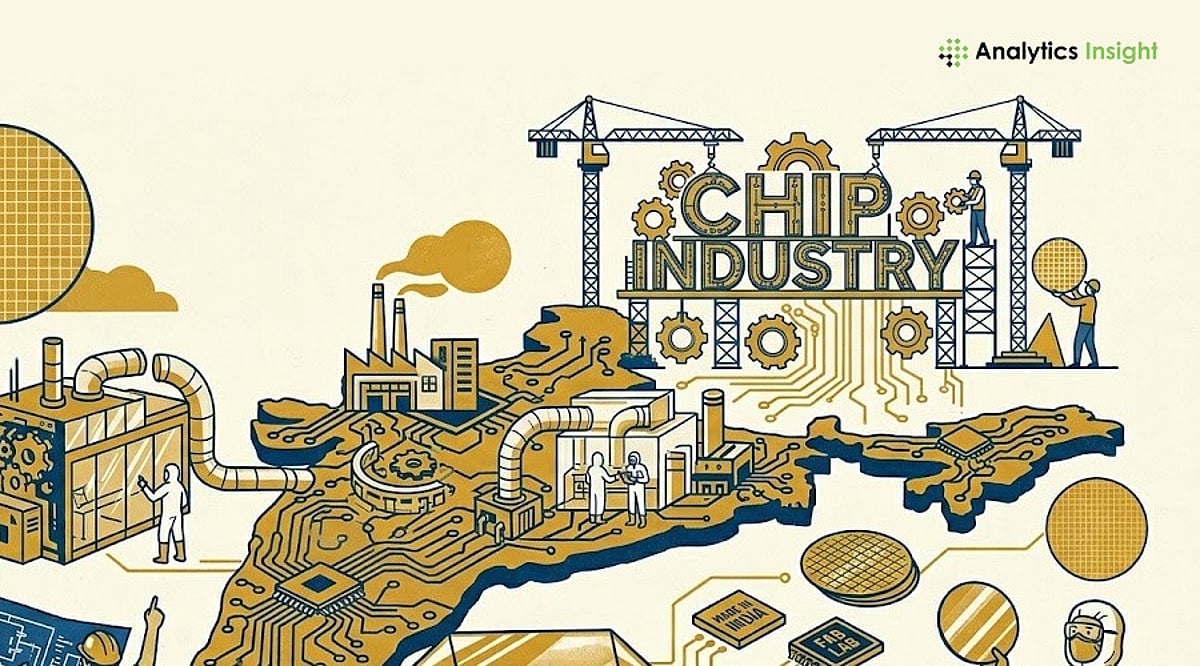
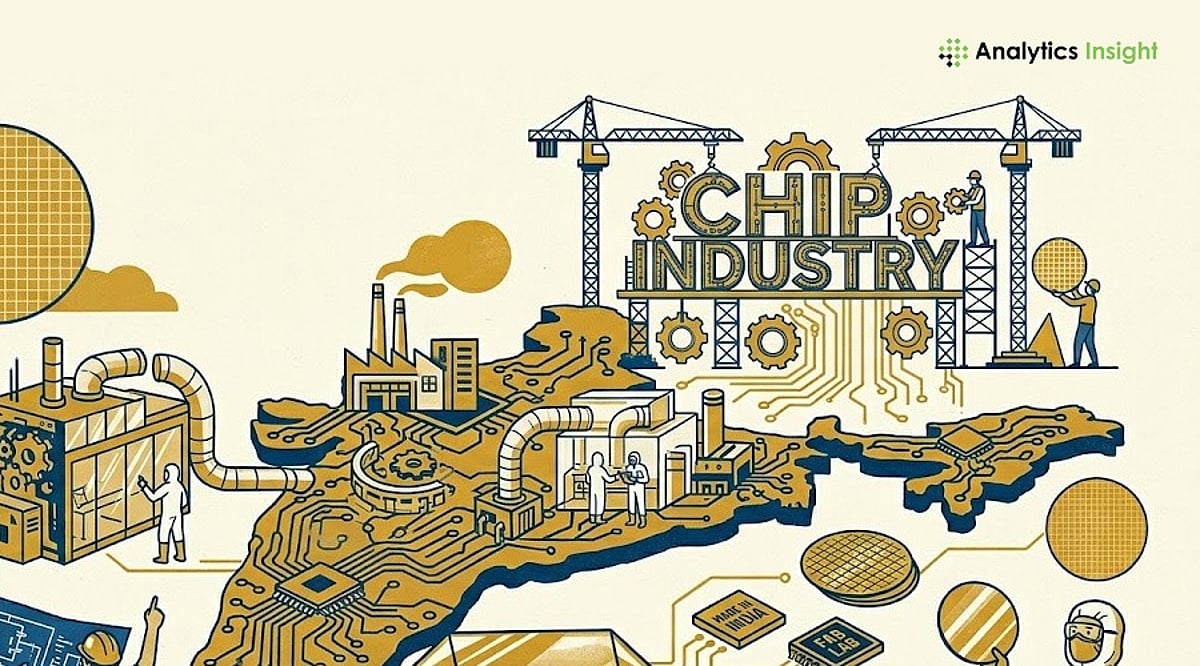
  • India’s Semiconductor Strategy: From Design Hub to Global Chip Manufacturing Powerhouse

    India’s Semiconductor Strategy: From Design Hub to Global Chip Manufacturing Powerhouse

    India has long been a silent force in global technology, with nearly 20% of the world’s semiconductor design talent based in cities like Bangalore and Hyderabad. But designing chips and manufacturing them are vastly different challenges. Until recently, the country lacked the advanced fabrication plants, or ‘fabs,’ required to turn designs into physical silicon.

    The COVID-19 pandemic exposed the fragility of global supply chains, halting car production and highlighting the dangers of relying entirely on a few countries for chips. Driven by these lessons, India is now racing to build a semiconductor industry from scratch. The launch of the India Semiconductor Mission (ISM) 2.0, backed by billions in government support, marks a determined shift from being a design house to becoming a global manufacturing hub.

    Starting with Assembly and Testing

    Building a cutting-edge chip factory is one of the most expensive and complex undertakings imaginable—a single advanced machine can cost more than a large airplane. Instead of immediately competing with giants like Taiwan on 2-nanometer AI chips, India is pursuing a bottom-up strategy. The initial focus is on Outsourced Semiconductor Assembly and Test (OSAT): taking raw silicon wafers, slicing them into individual chips, and packaging them. This 10-to-12-step process is less capital-intensive than a full fab but equally vital.

    Companies such as Kaynes Semicon have already started production in Gujarat, concentrating on chips for automotive, telecom, and defense applications. These may not power the latest smartphones, but they are the workhorses of the modern economy. By serving its domestic market first, India is building the scale and manufacturing culture needed to eventually produce more advanced, smaller chips.

    Government Policy and Self-Reliance

    The Indian government is backing this push with investment and clear policy. The Union Budget for 2026-27 introduced ISM 2.0, allocating Rs. 8,000 crore specifically for manufacturing and design this year. The target is ambitious: by 2029, India aims to design and manufacture 70% to 75% of its own semiconductor needs—from home appliances to advanced defense technology.

    Under the first phase of the mission, ten major projects worth about Rs. 1.60 lakh crore have been approved, spanning silicon power plants and packaging units across six states. The broader vision is to position India as a trusted ‘Plan B’ for the world amid rising geopolitical tensions.

    Building Talent and Indigenous Tech

    One of the biggest hurdles is the shortage of trained engineers for chip manufacturing, which demands extreme precision and cleanroom protocols. India has launched programs like ‘Chips to Startup,’ providing hundreds of universities and over 1,000 startup engineers access to high-end design tools. Partnerships with firms like Lam Research aim to train 60,000 engineers over the next decade.

    India is also developing its own intellectual property to reduce reliance on foreign licensing. Indigenous microprocessors such as ‘DHRUV64,’ ‘SHAKTI,’ and ‘THEJAS’ are built on open-source architectures, lowering costs and fostering innovation in 5G, automotive electronics, and industrial automation. These chips represent a move toward digital sovereignty.

    Strategic Importance and Job Creation

    Semiconductors have become the oil of the 21st century, powering everything from medical devices to satellites. With India’s chip market projected to grow from $38 billion in 2023 to $110 billion by 2030, domestic production is a matter of national security and economic resilience. The new semiconductor units are expected to create thousands of high-quality jobs for engineers and technicians, helping retain top talent within the country.

    What Lies Ahead

    Progress is already visible. According to IT Minister Ashwini Vaishnaw, four semiconductor plants are expected to be operational by the end of 2026. Facilities in Sanand, Gujarat, have moved from foundation to production in just 14 months—a pace that has surprised global observers. India’s first major fabrication unit in Dholera is slated to be ready by 2028, targeting advanced 3-nanometer and 2-nanometer technologies.

    The journey is long and requires patient capital, but the pieces are falling into place. Combining world-class design talent with a new focus on assembly, testing, and eventually full-scale fabrication, India is slowly turning its semiconductor dreams into silicon reality. The government has set a goal of becoming a top-three semiconductor nation by 2047.

  • India’s Pursuit of Semiconductor Self-Sufficiency: From Design Hub to Manufacturing Powerhouse

    India’s Pursuit of Semiconductor Self-Sufficiency: From Design Hub to Manufacturing Powerhouse

    India has long been a hidden force in global semiconductor design. Nearly 20% of the world’s chip design talent is based in the country, with engineers in Bangalore and Hyderabad playing a crucial role in creating the processors inside countless devices. However, designing a chip and manufacturing one are vastly different challenges. Until recently, India lacked the advanced fabrication plants—or fabs—needed to turn those designs into physical silicon.

    The COVID-19 pandemic delivered a harsh lesson about the fragility of global supply chains, disrupting car production and countless industries. That wake-up call has spurred India to move beyond its role as a design house and build a full-fledged chip manufacturing ecosystem. The India Semiconductor Mission (ISM) 2.0, backed by billions in government funding, represents the country’s most ambitious push yet to achieve this goal.

    A Strategic, Bottom-Up Approach

    Rather than trying to immediately compete with established leaders like Taiwan on cutting-edge 2-nanometer AI chips, India is pursuing a smarter, incremental strategy. The initial focus is on the third stage of production: Outsourced Semiconductor Assembly and Test (OSAT). This involves slicing raw silicon wafers into individual chips and packaging them—a process that is less capital-intensive than building a full fab but equally vital. Companies like Kaynes Semicon have already begun production in Gujarat, targeting chips for automobiles, telecommunications, and defense. These chips may not be as glamorous as those powering premium smartphones, but they are essential to the modern economy.

    Policy Support and Investment

    The government is backing this vision with substantial resources. The Union Budget for 2026-27 introduced ISM 2.0, allocating Rs. 8,000 crore specifically to support domestic manufacturing and design. By 2029, India aims to design and produce 70% to 75% of the chips it needs, from home appliances to advanced defense systems. Under the first phase, ten major projects—representing an investment of approximately Rs. 1.60 lakh crore—have been approved across six states. The plan positions India as a reliable ‘Plan B’ for global supply chains amid rising geopolitical tensions.

    Talent Development and Indigenous Innovation

    One of the biggest hurdles is the shortage of skilled workers for chip manufacturing, which demands extreme precision and meticulous documentation. To address this, India has launched training programs such as ‘Chips to Startup,’ providing high-end design tools to hundreds of universities and over 1,000 startup engineers. Partnerships with global firms like Lam Research aim to train 60,000 engineers in specialized manufacturing and cleanroom protocols over the next decade. Additionally, the development of indigenous microprocessors like DHRUV64, SHAKTI, and THEJAS demonstrates a push toward digital sovereignty. These open-source chips are more affordable and foster innovation in areas like 5G, automotive electronics, and industrial automation.

    Strategic Importance and Economic Impact

    Semiconductors have become the oil of the 21st century, powering everything from medical devices to satellite communications. India’s chip market is projected to grow from $38 billion in 2023 to $110 billion by 2030. Local production is not just an economic imperative but a matter of national security, ensuring the economy remains resilient during global crises or trade wars. The sector is also expected to create thousands of high-quality jobs for engineers and technicians, reducing brain drain and keeping India’s top talent engaged in cutting-edge technology.

    What Lies Ahead

    Progress is already visible. According to IT Minister Ashwini Vaishnaw, four semiconductor plants are expected to be operational by the end of 2026, with a facility in Sanand, Gujarat, moving from foundation to production in just 14 months—a pace that has impressed global observers. The country’s first major fabrication unit in Dholera, targeting advanced 3-nanometer and 2-nanometer technologies, is slated for completion by 2028. India’s journey is long and requires patient investment, but the pieces are falling into place. By combining world-class design talent with new manufacturing capabilities, the nation is steadily turning its semiconductor dreams into a reality. The government’s goal is to become one of the top three semiconductor nations by 2047.

  • Why India’s Next Startup Wave Is Hidden in Supply Chains: Piper Serica’s Ajay Modi on Deeptech Investing

    Why India’s Next Startup Wave Is Hidden in Supply Chains: Piper Serica’s Ajay Modi on Deeptech Investing

    India’s venture capital story is being rewritten. The capital that once chased consumer internet growth at any cost is now flowing toward deep engineering, sovereign technology, and industrial capability. Ajay Modi, Director at Piper Serica, has been at the center of this shift. His firm’s portfolio spans laser space communication, edge AI chips, underwater robotics, airport operating systems, and India’s first resonance-based rocket ignition system.

    In this exclusive conversation with Analytics Insight, Modi breaks down why deeptech has become the defining investment theme of India’s next economic cycle and what it takes to build companies that matter inside strategic industries.

    How Venture Capital Priorities Are Evolving in India

    Indian tech startups raised about $7.4 billion in 2024, up 23 percent from 2023, with deeptech alone drawing around $1.6 billion and growing roughly 78 percent in a year. Nasscom and Zinnov now count more than 4,000 deeptech startups within a base of 32,000–35,000 tech ventures.

    Piper Serica’s Fund I has backed over 33 companies across deeptech, spacetech, defence, semiconductors, fintech infrastructure, and mobility. Newer deals concentrate in IP-led hardware, firmware, and system software. First founder meetings now open with orbit plans, chip architectures, or reliability data—not only GMV charts.

    This shift follows a reset after the 2020–2021 liquidity cycle, when capital largely chased consumer internet businesses that scaled fast on subsidies and marketing. Investors saw that scale without defensible capability created fragile companies once acquisition costs rose and capital tightened. Deeptech has become a clear winner from this correction.

    What Drives Interest in Spacetech, Semiconductors, Robotics, Defence, and Precision Manufacturing?

    Investor interest in these sectors rises where three lines meet: national policy support, large end demand, and a rewiring of global supply chains. India’s space economy stands near $8–8.5 billion and targets $40–45 billion by the early 2030s. More than 400 space startups have attracted over $500 million. In semiconductors and electronics, the Semicon India and component PLI stack targets around $300 billion of electronics output with deeper local value addition.

    On the talent side, founders now come from ISRO, DRDO, global chip companies, and top IIT labs. Piper Serica’s portfolio reflects this mix across spacetech, chip design, mobility electronics, cyber security, and industrial software.

    How India’s Manufacturing and Self-Reliance Push Shapes VC Decisions

    Electronics output in India has grown from about $10 billion in 2014 to roughly $115 billion today. Local factories now meet close to $110 billion of the $140 billion of domestic demand. Programmes like iDEX and IN-SPACe’s Technology Adoption Fund lower early revenue risk and lengthen runway for hardware and industrial companies.

    Piper Serica now treats such programs almost like demand pipelines. For venture investors, capital is shifting from funding user acquisition to funding companies that can become long-term infrastructure layers inside strategic industries.

    Opportunities in Aviation, Infrastructure, Electronics Systems, and Advanced Industrial Tech

    The next three to five years can be India’s most important industrial buildout in decades. In aviation, real value will sit in software and airport tech. At Chennai airport, Piper Serica’s portfolio company Blunav cut runway occupancy time by 22 percent across more than 3,500 flights. Electronics systems offer a second wave, while robotics, industrial AI, and autonomous inspection represent a third wave. The most valuable companies may be those hidden inside supply chains, compounding quietly through efficiency.

    How Evaluation Frameworks Differ for Industrial and Deeptech vs. Consumer

    Consumer investing focuses on speed and metrics like CAC, retention, and growth rate. Tech investing is engineering-led—investors test whether the core system works, is defensible, and runs reliably in demanding real-world settings. Diligence goes into IP strength, field reliability, manufacturing repeatability, regulatory paths, certifications, and integration risk. Timelines differ: consumer products can ship in weeks; deeptech teams may spend years hardening hardware and software. Competitive moats come from engineering depth and long contracts embedded inside customer operations.

    Technology Depth and Industrial Relevance Over Scale-Focused Growth

    India’s “easy growth” phase is over. Profitability, resilience, and defensibility sit at the centre of investment debates. Thrustworks Dynetics, a Piper Serica portfolio company, test-fired India’s first resonance-based rocket ignition system with only about ₹7 crore of seed funding—a sharp example of deep hardware success. Scale still matters, but the most sought-after companies now pair scale with hard engineering, proprietary systems, and real industrial relevance.


  • June 2026 Issue: India’s Top Tech CEOs and the Rise of Semiconductor, Fintech & Space Startups

    June 2026 – Analytics Insight

    Analytics Insight’s June 2026 issue delivers a comprehensive look at India’s digital transformation, featuring in-depth interviews, industry analyses, and exclusive stories. The spotlight is on the country’s top ten tech CEOs—from Sundar Pichai to Bhavish Aggarwal—who are redefining the global tech landscape. Alongside these leadership profiles, the issue dives into groundbreaking developments in semiconductors, space startups, fintech, and AI readiness.

    Top Articles in This Issue

    • Capability Over Scale: Ajay Modi of Piper Serica explains why India’s most vital startups are hidden inside supply chains, from rocket igniters to edge AI chips.
    • From Rocket Igniters to Edge AI Chips: An exclusive look at Piper Serica’s bet on India’s industrial future.
    • Aravind Srinivas and the Rise of Perplexity: How an IIT alumnus built a leading AI search engine.
    • Leading Without the Noise: The Salil Parekh Way: A leadership lesson in quiet impact.
    • Semiconductor Dreams: Can India build a chip industry from scratch?
    • Roshni Nadar Malhotra’s Journey: From media to HCLTech leadership.
    • How Small-town India Became the World’s Most Exciting Fintech Market: A deep dive into the fintech revolution.
    • Building Intelligence for a Billion Voices: Vivek Raghavan’s next national infrastructure bet.
    • Bhavish Aggarwal’s Journey: From Ola Cabs to Ola Electric and Krutrim AI.
    • India’s Private Space Startups: Who will be the country’s SpaceX?

    This issue is a must-read for anyone tracking India’s ascent in technology, innovation, and entrepreneurship.