Tag: Senate vote

  • XRP Ledger Sets Transaction Record as CLARITY Act Faces Senate Vote

    XRP Ledger Sets Transaction Record as CLARITY Act Faces Senate Vote

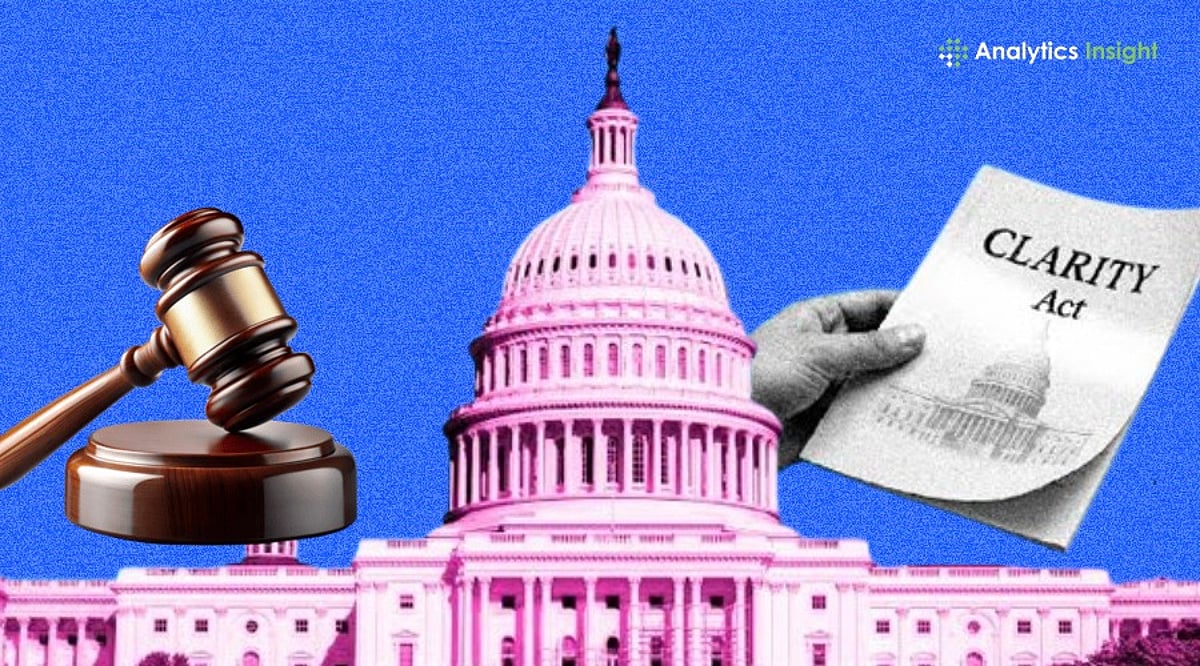
    XRP is back in the spotlight after the XRP Ledger recorded an impressive 3,254 validated transactions in a single block on September 14. This milestone coincided with the rollout of the fixCleanup3_3_0 amendment on mainnet. At the same time, traders are weighing mixed technical indicators while the US Senate prepares for a procedural vote on the CLARITY Act, which requires 60 votes to advance.

    XRP Ledger Hits New Single-Block High

    According to reports from Finance Biggo, the XRP Ledger achieved a new all-time high of 3,254 transactions in one block after the fixCleanup3_3_0 amendment went live. This surge in throughput highlights the network’s expanding capacity, which bolsters its technical credibility and makes it more attractive for transaction-heavy use cases.

    The record comes amid renewed market attention, but price action remains constrained. XRP is caught between supportive longer-term structure and short-term resistance, leaving traders uncertain about whether demand will strengthen further.

    Technical Indicators Mixed Near Resistance

    On the hourly chart, XRP is trading below the MA-20 at $1.4224 but remains above the MA-50 at $1.3847. The daily price also stays above the MA-200 at $1.2739, indicating underlying bullish structure. The Ichimoku Kijun line sits at $1.4337, forming immediate resistance.

    Momentum indicators are split: MACD shows a strong buy signal and ADX points to buying pressure, while RSI is at 47.913 and CCI along with Bull/Bear Power lean toward selling. Stochastic RSI is oversold, and the Awesome Oscillator remains neutral. This mixed picture suggests XRP could struggle to break higher without a clear catalyst.

    Garlinghouse Pushes for CLARITY Act Support

    Ripple CEO Brad Garlinghouse has urged US senators to back the latest version of the CLARITY Act. The Senate is set to hold a procedural vote on September 15, with 60 votes needed for advancement. Garlinghouse noted that lawmakers made significant compromises during negotiations, including a revised version with 126 changes requested by Democrats, covering ethics, digital assets, decentralized finance, banking, and enforcement.

    “Perfect can’t be the enemy of good,” Garlinghouse said. He added, “The world is watching and voters are watching. Now is the time to vote yes.” Treasury Secretary Scott Bessent also voiced support, stating the bill would help the US compete in digital assets while protecting community banks from stablecoin-related deposit risks. Bessent said it would grant him more authority if stablecoins cause deposit shifts away from community banks, tying the bill to the administration’s broader digital asset agenda following the GENIUS Act.

    Roundup

    XRP enters the September 15 Senate vote with a record transaction block and mixed technical signals. The CLARITY Act could gain traction if it secures 60 votes, with strong backing from both Garlinghouse and Bessent. Traders will be watching resistance near the $1.4337 Kijun level for any breakout or reversal.
  • Trump Accepts Expanded Crypto Ethics Enforcement as CLARITY Act Heads to Senate Vote

    Trump Accepts Expanded Crypto Ethics Enforcement as CLARITY Act Heads to Senate Vote

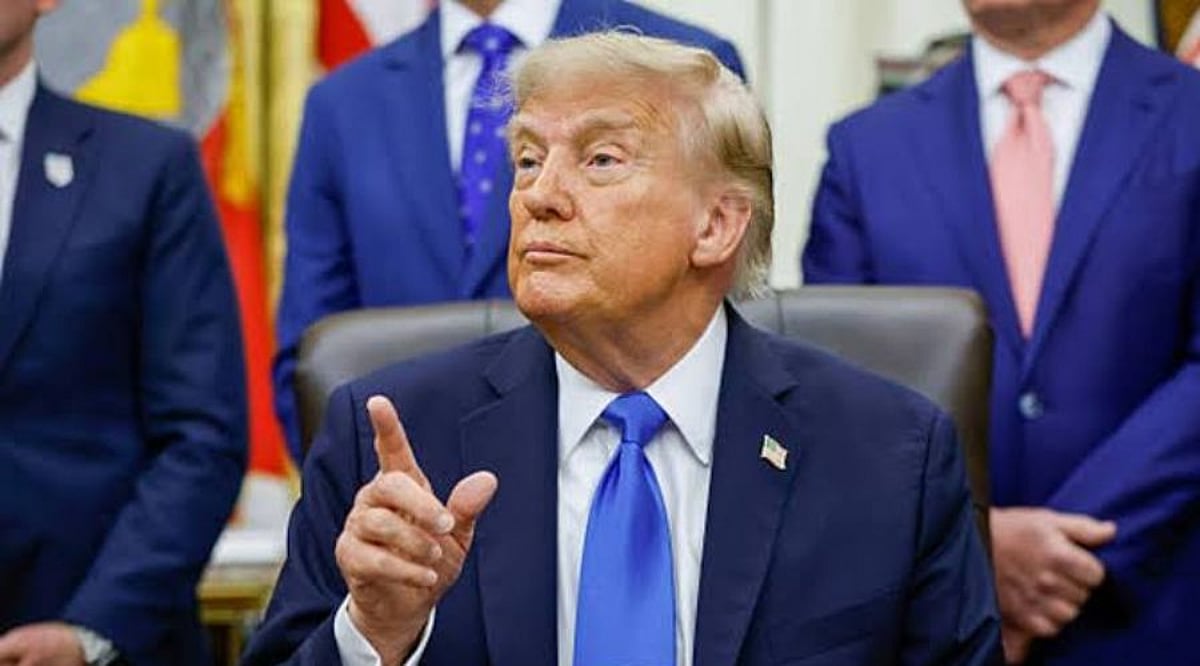
    President Donald Trump has agreed to significantly tougher ethics provisions in the CLARITY Act, clearing the way for a critical Senate vote scheduled for Tuesday. The revised compromise grants state attorneys general a broader enforcement role, addressing concerns over potential presidential conflicts of interest in the crypto space.

    State Attorneys General Gain Broadened Enforcement Powers

    The original version of the bill barred federally elected officials, their spouses, and federal judges from issuing digital assets. Critics argued, however, that the language did not adequately address ethical questions tied to President Trump’s extensive crypto holdings and business interests.

    Republican Senator Thom Tillis and Democratic Senator Ruben Gallego, joined by several of their Democratic colleagues, pushed for stronger measures. Their proposal would allow state attorneys general to enforce the law in coordination with the U.S. Department of Justice.

    According to Republican Senators Cynthia Lummis, Tim Scott, and John Boozman, Trump accepted a substantial portion of the proposed framework. They confirmed that the revised text now gives state attorneys general a meaningful enforcement role.

    Presidential Conflict-of-Interest Questions Remain Central

    Senator Angela Alsobrooks of Maryland, considered a key swing vote, said state attorneys general must be able to step in and prosecute when the Justice Department fails to act. She added that she would not support any bill that left ethical risks unaddressed.

    White House crypto adviser Patrick Witt said the administration and Senate Republicans had remained responsive to Democratic policy demands throughout more than a year of negotiations.

    Presidents have historically been exempt from federal conflict-of-interest laws because they oversee the entire government. While some modern presidents have placed assets in blind trusts, Cabinet officials are generally expected to divest or recuse themselves from specific matters.

    Trump’s Crypto Business Draws Continued Scrutiny

    Last year’s stablecoin law prohibited members of Congress and their families from profiting from stablecoin activities, but the restrictions did not extend to President Trump or his family. The White House has said Trump recuses himself from family business decisions handled by his sons.

    According to data referenced in the bill debate, Trump’s crypto-related revenues reached $1.2 billion, with more than $600 million stemming from sales of his branded meme coins through CIC Digital LLC. In May, Trump hosted leading investors in the $TRUMP meme coin at his northern Virginia golf club; the White House said he attended the event in a personal capacity.

    What to Watch Before the Senate Vote

    With the Senate vote looming, the compromise appears designed to satisfy both Democratic critics and Republican supporters. The expanded role for state attorneys general is expected to be central to the debate. How senators align on the measure could determine whether the CLARITY Act advances to final passage.

  • CLARITY Act Faces Critical Senate Vote as August Recess Deadline Approaches

    CLARITY Act Faces Critical Senate Vote as August Recess Deadline Approaches

    The CLARITY Act is racing against a tight Senate calendar as lawmakers resume session on July 13 with only 25 days before the August 7 summer recess. The bill requires 60 votes to overcome procedural hurdles and a potential filibuster, but securing that support remains daunting. Currently, only Democratic Senators Ruben Gallego and Angela Alsobrooks have publicly committed to the legislation.

    Ethics concerns tied to President Donald Trump’s reported $1.4 billion in crypto-related income during 2025 have further complicated negotiations. Galaxy Digital, a leading crypto investment firm, has lowered its estimate of the bill’s passage odds from 75% in May to 50-50 as of late June.

    The Digital Asset Market Clarity Act (H.R. 3633) already missed an earlier target for presidential signing on July 4. With about 20 Senate working days remaining, leaders must act swiftly to bring it to the floor. The timeline also coincides with the July 18, 2026 rulemaking deadline for the GENIUS Act, which became law in July 2025.

    Bipartisan support remains the primary obstacle. Republicans control 53 seats but need roughly seven Democratic votes to reach the 60-vote cloture threshold. So far, only Gallego and Alsobrooks have emerged as reliable Democratic supporters, leaving leadership seeking at least five additional Democrats. The bill did pass the Senate Banking Committee on May 14 with a 15-9 vote, signaling some bipartisan backing at the committee level.

    Ethics debates have intensified as Democrats raise concerns about public officials owning crypto. Former White House ethics lawyer Richard Painter argued that Trump “stands alone” compared to other executive branch officials, adding another layer to ongoing negotiations.

    Market observers have adjusted expectations. Alex Thorn, Galaxy Digital’s Head of Firmwide Research, noted the firm reduced its odds from 75% in May to 60% on June 9, then to 50% on June 26. Thorn wrote, “The absence of news is itself the news,” while adding that “50-50 is pretty good odds” for legislation of this scale. A revised version of the bill could be introduced as early as next week, just before the August recess.

    What’s Next?

    Supporters are racing to pass the CLARITY Act before the Senate breaks on August 7. They need 60 votes to beat a filibuster, but progress is stalled on disagreements over ethics rules for public officials owning crypto. With time running out, analysts now give the bill only a 40% to 50% chance of passing.

  • CLARITY Act Moves to Senate Floor Amid Ethics Concerns Over Trump Crypto Income

    CLARITY Act Moves to Senate Floor Amid Ethics Concerns Over Trump Crypto Income

    The Digital Asset Market Clarity Act (CLARITY Act) advanced out of the Senate Banking Committee by a 15-9 vote on May 14, 2026, setting the stage for a full Senate debate. Two Democrats—Ruben Gallego of Arizona and Angela Alsobrooks of Maryland—joined all Republicans on the panel, giving the bill early bipartisan support as lawmakers seek federal rules for digital assets.

    Committee Chairman Tim Scott called the markup a bipartisan effort to deliver clear rules for cryptocurrencies. The bill now shifts to the Senate floor, where supporters must secure at least 60 votes for passage. Senate leaders are expected to release the final draft this week for public review. Senator Cynthia Lummis said lawmakers, banks, and industry groups should receive the draft around July 4.

    The Senate placed the bill on the legislative calendar as item No. 423 on June 1, 2026, making it eligible for floor consideration. However, scheduling has proven tricky. Initial hopes for a vote before the July 4 recess faded after the Senate adjourned until July 13. Senator Bill Hagerty indicated the vote is more likely after lawmakers return, noting that the GENIUS Act demonstrated how clear rules can lead to lasting crypto policy. “This will be something more a matter of focus after the 4th of July recess period, but I certainly hope to see it done before,” Hagerty said on June 18, 2026.

    With Republicans holding 53 seats, the CLARITY Act needs at least seven Democratic votes to reach the 60-vote threshold. Lawmakers must also reconcile the Senate Banking Committee version with a separate draft from the Senate Agriculture Committee, then merge with the House-passed bill (H.R. 3633, approved 294-134 on July 17, 2025) before sending it to the president. Industry groups are pressing for action before the August recess, and staff continue to negotiate unresolved issues behind the scenes.

    Adding a new layer of complexity, President Donald Trump’s 2025 annual financial disclosure revealed roughly $1.4 billion in crypto-related income, including royalties from his memecoin company, token sales from World Liberty Financial, and sales to an Abu Dhabi sheikh’s firm. Trump also reported holding over $100 million in various cryptocurrencies and smaller stakes in firms like Corewave.

    In response, Senator Elizabeth Warren called for an ethics provision in the CLARITY Act, insisting the bill must prevent senior officials, lawmakers, and their families from profiting from crypto. Senator Gallego, who supported the bill in committee, said on X that he would work to address Trump’s crypto dealings and stressed the need for “real, enforceable standards” on ethics. Gallego did not commit to supporting the bill on the Senate floor, leaving the vote count uncertain.

    As the CLARITY Act heads toward a critical Senate test, its path depends on bipartisan support, final negotiations, and whether Congress can act before election-year pressure slows momentum.