
Tag: SEO writing

  • How to Write Human-Like Articles Using DeepSeek AI for Free: A Step-by-Step Guide

    How to Write Human-Like Articles Using DeepSeek AI for Free: A Step-by-Step Guide

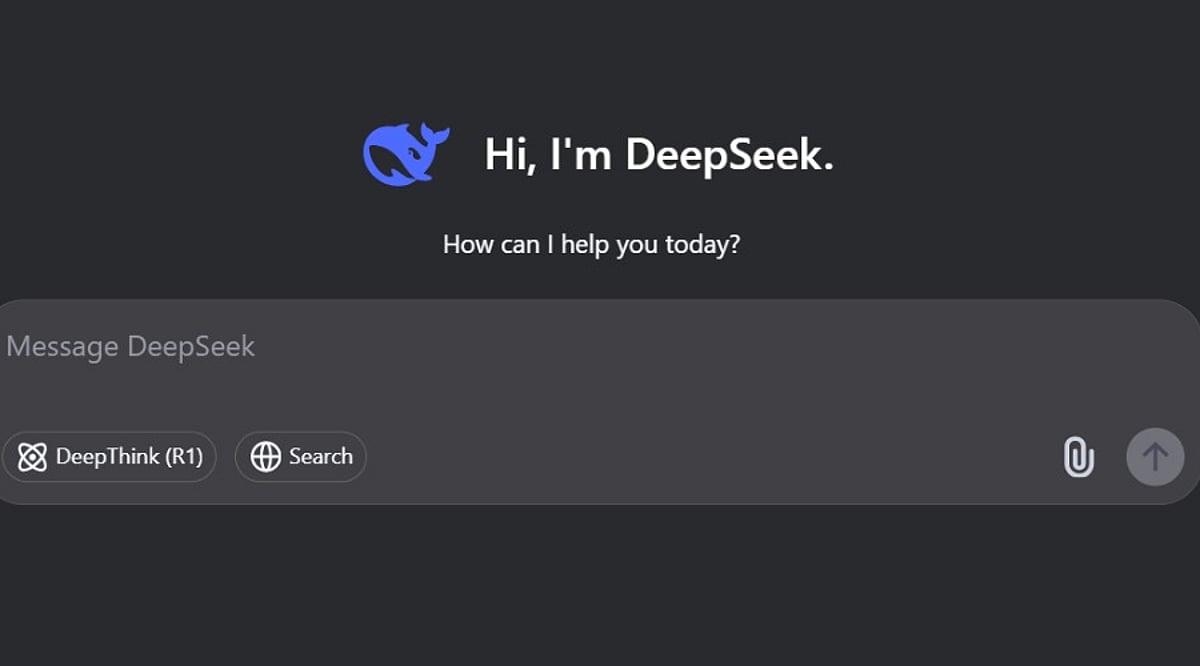
    Speed used to be the main selling point of AI writing tools, but that alone no longer cuts it. Faster drafts often produce articles that sound alike—same sentence lengths, same safe transitions, and same forgettable phrasing. DeepSeek AI, a free tool, can generate a solid outline or a full draft in minutes, but the real work begins after the draft is done. The difference between a generic AI article and one that feels human lies in how you edit, verify, and add original insights.

    Building a Prompt DeepSeek Can Actually Use

    Prompt quality heavily influences the output. The biggest mistake is asking for a finished article in a single request. A strong prompt defines four elements: the audience, the objective, the format, and any constraints on tone or length. Breaking the request into stages yields more coherent results:

    • First, ask for an outline only.
    • Second, expand each section individually.
    • Third, run a separate pass to adjust the tone.

    A weak prompt: “Write a 1,000-word article about electric cars.” A staged version: “Outline a 1,000-word article for first-time EV buyers in India, with a conversational tone, one practical example per section, and no promotional language.” DeepSeek retains conversational context within a session, so follow-up prompts can refine the same draft without restarting—for example, by shortening a section or simplifying the language.

    Where DeepSeek Helps and Where It Does Not

    DeepSeek excels at structure and summarization. It organizes complex topics into logical sections quickly and compresses source material effectively. However, it is less reliable without human review when producing verified facts, distinctive opinions, and naturally varied sentence rhythm. It can also generate multiple structural approaches to the same topic, making it useful for exploring outlines before committing to a final direction.

    Editing for Rhythm Instead of Just Correctness

    Left unedited, DeepSeek tends to repeat sentence openers across adjacent paragraphs. For example: “Artificial intelligence is transforming content creation. Artificial intelligence also improves productivity. Artificial intelligence helps writers generate articles faster.” Edited for rhythm, the same idea reads: “AI has transformed content creation, though speed is not its main advantage. It handles repetitive drafting well, leaving writers more time to refine ideas and verify facts.” The information stays the same, but the shape changes—and shape is what readers notice first. A quick diagnostic: if two adjacent paragraphs open with a similar structure, rewrite one.

    Verifying Before Publishing

    Every factual claim, number, or named tool must be checked against current, authoritative sources before publication. A confident-sounding statistic from the model is not the same as a verified one. This step separates an editorially responsible article from one that merely reads well.

    Adding What the Model Cannot

    Structure and phrasing can come from the model, but specific examples, workflow observations, or genuine opinions about where the tool falls short cannot. One reliable method: instruct DeepSeek to leave a placeholder, such as “insert practical example here,” during drafting. That way, the exact spot needing original insight never gets lost in the edit.

    The full workflow is simple: build a staged prompt, expand the draft section by section, edit for rhythm and tone, verify every factual claim, and finish by adding original judgment. Skipping the verification step is the fastest way to publish something confident and wrong.

    Final Thought

    AI may keep improving at drafting, but clarity, judgment, and credibility remain editorial decisions. DeepSeek can accelerate the writing process, yet an article earns a reader’s trust only after a human shapes it with evidence, context, and a distinctive voice.

    Frequently Asked Questions

    1. Can DeepSeek AI write complete articles for free?

    Yes. DeepSeek AI can generate outlines, introductions, and full-length article drafts without cost on its free version. However, human editing is still necessary to improve accuracy, readability, tone, and originality before publication.

    2. How can AI-generated articles sound more human?

    Start with detailed prompts, generate content in stages, vary sentence lengths, replace repetitive phrases, add original examples, and fact-check every claim. Human editing is what gives an article a natural voice and credibility.

    3. Is DeepSeek AI suitable for SEO content writing?

    Yes. DeepSeek AI can help create SEO-friendly outlines, incorporate target keywords naturally, and structure content with headings. Final optimization should include manual keyword refinement, internal linking, metadata, and fact verification.

    4. What are the biggest mistakes when using DeepSeek AI for writing?

    The most common mistakes are relying on a single prompt, publishing without verifying facts, leaving repetitive sentence structures unchanged, and failing to add unique insights or real-world examples that distinguish the content.

    5. Can DeepSeek AI replace human writers?

    No. DeepSeek AI is an effective drafting assistant, but it cannot consistently provide editorial judgment, original experiences, nuanced opinions, or reliable fact verification. Human writers remain essential for producing trustworthy and engaging articles.

  • 10 Essential DeepSeek Prompts to Supercharge Your Writing in 2026

    10 Essential DeepSeek Prompts to Supercharge Your Writing in 2026

    AI has become an indispensable tool for modern writers, but the quality of its output hinges on one critical factor: the prompt. Whether you’re a blogger, marketer, copywriter, or technical writer, well-crafted prompts can save hours of editing and produce content that is accurate, engaging, and human-like. Here are ten powerful DeepSeek prompts every writer should have in their toolkit for 2026.

    1. Blog Writing Prompt

    Generate a complete, SEO-friendly article from scratch.
    Act as an experienced content writer. Write a 1,200-word SEO-optimized blog post about [Topic] for [Target Audience]. Use a conversational tone, include an engaging introduction, H2 and H3 headings, practical examples, actionable tips, and a compelling conclusion. Naturally incorporate the primary keyword throughout the article while maintaining readability.

    2. Humanize AI-Generated Content Prompt

    Make robotic text sound natural and engaging.
    Rewrite the following content so it reads like it was written by an experienced human writer. Remove repetitive phrases, improve sentence flow, vary sentence lengths, maintain the original meaning, and use a conversational yet professional tone. Ensure the content passes AI detection while preserving clarity and accuracy.

    3. SEO Optimization Prompt

    Improve existing content without sacrificing readability.
    Optimize the following article for SEO. Improve keyword placement, rewrite headings for better search visibility, enhance readability, suggest internal linking opportunities, and naturally include related keywords without keyword stuffing. Preserve the original meaning and writing style.

    4. Social Media Content Prompt

    Turn one article into multiple platform-specific posts.
    Create engaging social media posts based on the following article. Generate separate versions for LinkedIn, X (Twitter), Facebook, Instagram, and Threads. Each post should include a strong hook, concise messaging, relevant hashtags, and a compelling call to action tailored to the platform.

    5. Email Copywriting Prompt

    Craft professional emails that drive action.
    Write a persuasive marketing email promoting [Product/Service]. Include an attention-grabbing subject line, engaging introduction, key benefits, social proof where appropriate, and a clear call to action. Keep the tone friendly, professional, and customer-focused.

    6. Article Summarization Prompt

    Quickly extract key points from lengthy content.
    Summarize the following article into five key takeaways. Highlight the most important insights, explain them in simple language, and maintain the original context. Present the summary using concise bullet points.

    7. Technical Documentation Prompt

    Create beginner-friendly documentation.
    Act as a technical writer. Create step-by-step documentation explaining how to use [Software/Tool]. Include prerequisites, installation steps, usage instructions, troubleshooting tips, frequently asked questions, and best practices. Use simple language and clear formatting.

    8. Research Assistant Prompt

    Speed up research before writing.
    Act as a research assistant. Gather the latest information on [Topic], summarize current trends, identify key challenges and opportunities, list important statistics, and suggest credible sources for further reading. Organize the findings into clear sections for easy reference.

    9. Creative Storytelling Prompt

    Make content more engaging with narrative.
    Write a compelling story about [Topic] using a relatable character, a realistic challenge, practical solution, and memorable ending. Keep the writing conversational, emotionally engaging, and suitable for an online audience while naturally delivering the intended message.

    10. Proofreading and Editing Prompt

    Give your content a professional polish.
    Act as a professional editor. Review the following content for grammar, spelling, punctuation, readability, consistency, tone, and sentence flow. Correct all errors, improve clarity, eliminate unnecessary words, and preserve the author’s original voice while making the content publication-ready.

    Final Thoughts

    Prompting is the key to unlocking the full value of AI content. These DeepSeek prompts will help you write blogs, marketing copy, social media posts, technical documentation, and summaries faster and more accurately. Instead of staring at a blank page, leverage these templates to get your job done quickly. As AI continues to evolve, mastering prompt engineering will remain one of the most important skills for content creators. Save these prompts and use them to reduce editing time and improve your writing quality.

  • Top Copywriting Courses and Certifications to Master in 2026

    Top Copywriting Courses and Certifications to Master in 2026

    As companies continue to invest heavily in digital marketing, content, and e-commerce, the demand for skilled copywriters is surging. The global online education market is projected to reach $221.7 billion by 2026, driven by the need for flexible, career-oriented learning. Meanwhile, Coursera added 22 million new learners in 2025, bringing its total worldwide users to 191 million—a clear sign that professionals are rapidly upgrading their skills.

    Whether you’re a beginner or a seasoned professional, the right copywriting course can help you master persuasive writing, SEO, content marketing, brand messaging, and high-converting digital copy. Below are the top seven courses and certifications for 2026.

    1. Coursera Copywriting Courses

    Coursera offers copywriting courses from leading universities and industry experts, covering persuasive writing, SEO, brand messaging, content strategy, and digital marketing. Most courses take four to 12 weeks and are self-paced. Many are free to audit, while certificates require payment.

    Key Focus: Building industry-recognized copywriting and marketing skills.

    2. AWAI Copywriting Certification

    AWAI (American Writers & Artists Inc.) is a popular choice for aspiring freelance copywriters. The program teaches sales letters, email campaigns, website copy, direct-response writing, pricing, and client acquisition. Depending on your pace, it takes two to six months to complete. It is a paid certification.

    Key Focus: Developing practical copywriting skills for freelance and agency work.

    3. Copy School by Copyhackers

    Copy School helps writers create copy that converts. It teaches customer research, landing pages, emails, product copywriting, sales funnels, and A/B testing using real business examples. The self-paced program can take one to three months. It is a paid course.

    Main Emphasis: Writing effective copy that sells and grows your business.

    4. HubSpot Academy Content Marketing Certification

    HubSpot Academy offers a free certification that teaches content marketing, storytelling, blogging, SEO, and lead generation. The course is brief, practical, and includes quizzes for evaluation. Most users complete it in eight to 10 hours.

    Important Concept: Creating valuable content that engages your audience.

    5. Google Digital Garage: Fundamentals of Digital Marketing

    Google’s digital marketing program provides insights on using copywriting in effective online marketing campaigns. It covers content creation, SEO, email marketing, online advertising, analytics, and customer engagement. The course is self-paced, takes about 40 hours, and provides a free certificate.

    Key Focus: Integrating copywriting into a broader digital marketing strategy.

    6. Copyblogger Academy

    Copyblogger Academy focuses on copywriting skills as well as content creation, email marketing, SEO, storytelling, and audience development. Subscribers gain access to workshops, mentoring, and a creators’ community. The subscription-based program is self-paced.

    Main Emphasis: Developing persuasive content to build credibility and grow your business.

    7. Udemy Copywriting Courses

    Udemy features hundreds of copywriting courses covering sales copy, email marketing, social media content, SEO writing, branding, and AI-assisted workflows. Most courses take five to 20 hours and include lifetime access after purchase. They are paid, but discounts are frequent.

    Key Focus: Learning practical copywriting skills at an affordable price.

    Final Take

    A certificate can help you get noticed, but it’s your work that lands the job. Focus on building a portfolio with real writing samples—emails, landing pages, ads, and social media posts—even if you create them on your own. Read great copy every day, practice writing regularly, and understand what makes people click or buy.

    Learn the basics of SEO and use AI as a support tool, not as a shortcut. Customize your portfolio and applications for every role. Good copywriters stand out by showing, not just telling.

    FAQs

    Which copywriting course is best for beginners in 2026?
    HubSpot Academy, Coursera, and Udemy offer beginner-friendly courses covering persuasive writing, SEO, content marketing, and digital communication with practical lessons and flexible schedules.

    Are free copywriting certifications worth it?
    Yes. Free certifications from HubSpot Academy and Google Digital Garage provide valuable foundational knowledge, strengthen your resume, and demonstrate your commitment to professional development.

    How long does it take to complete a copywriting course?
    Most online copywriting courses take between five hours and three months, depending on the platform, learning pace, course depth, practical assignments, and certification requirements.

    Can copywriting certifications help me get freelance clients?
    Yes, certifications improve credibility, but a strong portfolio featuring emails, landing pages, advertisements, and website copy is far more important when attracting clients and employers.

    What skills should a copywriter learn besides writing?
    Successful copywriters should also learn SEO, content strategy, customer research, email marketing, branding, analytics, AI-assisted workflows, and audience psychology to create high-performing marketing content.