Tag: settlement

  • Apple’s $250 Million Siri Settlement: iPhone Owners Could Claim Up to $95 – Eligibility & How to File

    Apple’s $250 Million Siri Settlement: iPhone Owners Could Claim Up to $95 – Eligibility & How to File

    Apple Launches Claims for $250 Million Siri Settlement

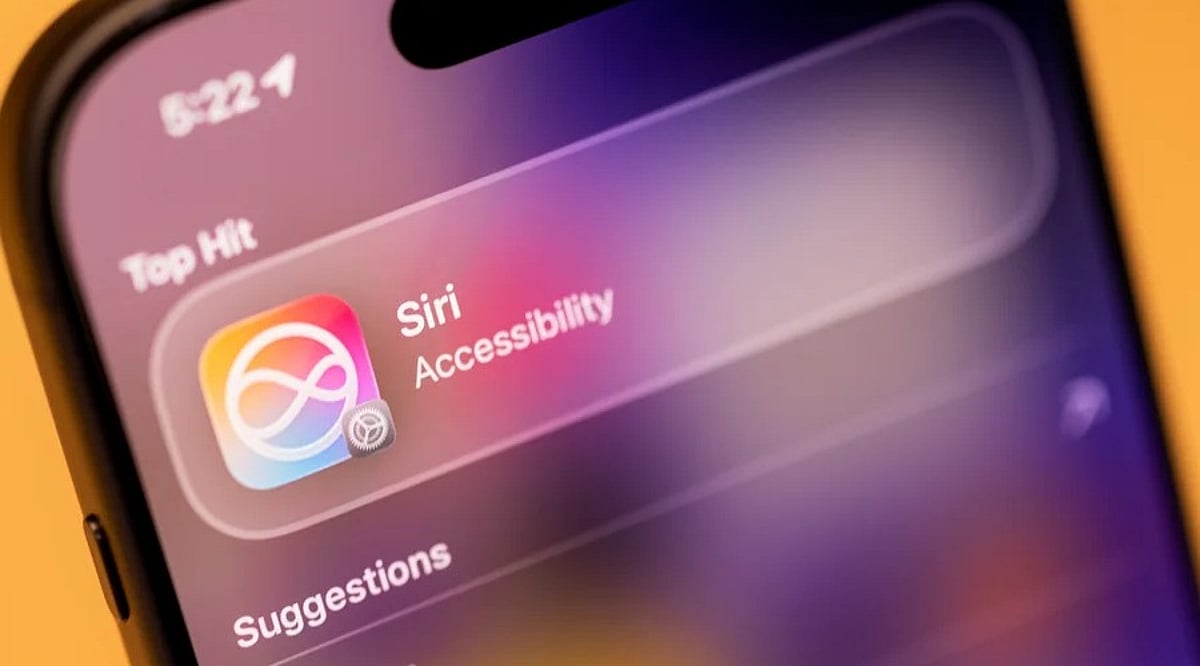
    Apple’s $250 million class-action settlement over Siri delays is now accepting claims. Eligible iPhone owners in the U.S. can file for payments estimated at $25 to $95 per device.

    Why the Settlement?

    The lawsuit alleged that Apple promoted advanced Siri features with Apple Intelligence but failed to deliver them as advertised.

    Which iPhone Models Qualify?

    The settlement covers specific iPhone models sold in the U.S. between June 10, 2024, and March 29, 2025:

    • iPhone 15 Pro
    • iPhone 15 Pro Max
    • iPhone 16e
    • iPhone 16 Plus
    • iPhone 16 Pro
    • iPhone 16 Pro Max

    Note: The purchase must meet settlement requirements, and only U.S. purchases qualify.

    How to File a Claim

    Eligible customers can submit claims via the official settlement website. You’ll need your device’s serial number (found in Settings > General > About) or alternative information like your Apple Account email and phone number. Some users may receive a claim ID and PIN by email, but it’s not required to start.

    Payment Amounts and Options

    The total settlement fund is $250 million. Expected payout is about $25 per device, but could increase to $95 if fewer claims are filed. Each eligible device requires a separate claim. Payment can be made via PayPal, Venmo, direct deposit, or paper check.

    Deadline

    Claims must be submitted by December 21, 2026. A final approval hearing is on February 24, 2027, so payments may be delayed if appealed.

  • India’s New Labour Codes Mandate Final Salary Payment Within Two Days of Resignation

    India’s New Labour Codes Mandate Final Salary Payment Within Two Days of Resignation

    Employees changing jobs in India may no longer have to wait weeks for their final salary. Under the country’s new Labour Codes, employers must now pay wage-related dues within two working days after an employee resigns or leaves the company. The rule, effective from November 21, 2025, aims to streamline the full and final settlement process, making it faster and smoother for both parties.

    The new timeline primarily covers pending salary and leave encashment. However, other payments such as gratuity, provident fund, and certain bonuses continue to follow separate legal timelines. Employees should not expect every payment to arrive within the two-day window.

    A full and final settlement typically includes unpaid salary, leave encashment, approved expense claims, incentives, and other eligible payments. Employers can also deduct amounts for notice pay, unpaid loans, taxes, or charges for company assets that were not returned.

    The speed of the final payment also depends on how quickly the exit process is completed. Employees who finish the handover, return company property, submit expense claims, and update bank details generally receive their settlement without unnecessary delays.

    The Labour Codes also encourage employees to update their nomination details. Correct records can help family members receive pending wage dues without legal complications in case of an unexpected situation.

    This new law marks a significant change from the earlier practice, where many employees waited 30 to 45 days for their final payment. The faster timeline is designed to improve the exit process for both employees and employers. While some payments will still take longer, salary-related dues should now reach employees much sooner.

  • Federal Judge Approves Elon Musk’s $1.5M SEC Settlement Over Delayed Twitter Share Disclosure

    Federal Judge Approves Elon Musk’s $1.5M SEC Settlement Over Delayed Twitter Share Disclosure

    A federal judge has approved Elon Musk’s $1.5 million settlement with the U.S. Securities and Exchange Commission (SEC) over his delayed disclosure of Twitter share purchases in 2022, despite expressing significant legal concerns about the agreement.

    U.S. District Judge Sparkle Sooknanan endorsed the settlement in Washington, D.C., ending the SEC lawsuit. However, the judge wrote that the court had “significant misgivings” about the terms but could not reject the deal under the applicable legal standard.

    Judge Questions Settlement Terms

    Judge Sooknanan reviewed whether the agreement met basic standards of fairness and reasonableness, noting that the court’s role was limited and did not permit a broader review of the SEC’s enforcement choices.

    In her opinion, Sooknanan stated that the court had to decide whether the settlement made “a mockery of judicial power.” She wrote, “Although the Court has significant misgivings about the settlement reached in this case, it cannot say that the settlement meets that high threshold.”

    The judge also pointed to “red flags” surrounding the agreement. She questioned why the SEC accepted payment from a trust in Musk’s name rather than requiring Musk to pay the penalty directly. Sooknanan noted that this arrangement left the court to wonder whether similar treatment would be extended to others accused of violating securities laws. She also expressed concern that the structure could allow Musk to publicly claim he had been cleared of wrongdoing.

    SEC Case Focused on Twitter Share Disclosure

    The SEC sued Musk in early 2025 over his purchase of Twitter shares before his full takeover of the company. The agency alleged that Musk waited 11 days too long in March and April 2022 to disclose his growing stake.

    Federal securities rules require investors to report when they cross certain ownership levels in public companies. The SEC argued that Musk’s late filing allowed him to continue buying Twitter shares at lower prices before the market reacted.

    According to the SEC, the delayed disclosure helped Musk avoid approximately $150 million in higher costs—described as gains tied to the delay. Musk has said the filing delay was accidental and did not admit wrongdoing under the settlement. The agreement states that a trust in his name will pay the $1.5 million civil penalty.

    Musk Settlement Ends SEC Lawsuit

    The approved deal resolves the SEC’s civil case related to Musk’s early Twitter stock purchases. Musk later completed his $44 billion purchase of Twitter in October 2022 and renamed the platform X.

    The case drew wider attention due to Musk’s public profile and his role in multiple major companies. He leads Tesla and is also tied to SpaceX, where X is now part of the broader business structure.

    Judge Sooknanan had previously questioned whether Musk was receiving “special treatment” under the Trump administration. Musk supported Donald Trump’s 2024 campaign, and the SEC filed the case shortly before Trump returned to office. Nevertheless, the judge said the court could not substitute its judgment for the SEC’s. She wrote that whether the government had done enough to hold Musk accountable was a matter for the public to judge “at the ballot box.”

  • Epic Games Settles Fortnite Leak Lawsuit, Signaling Tougher Stance on Confidential Content

    Epic Games Settles Fortnite Leak Lawsuit, Signaling Tougher Stance on Confidential Content

    Epic Games has settled a legal dispute linked to Fortnite leaks, bringing fresh attention to one of the biggest issues live-service games often face. Game developers have spent years trying to stop confidential information from reaching the public before official announcements. The latest settlement shows that Epic Games is taking a tougher stand against people who share protected game details without permission.

    Leaks have become common in modern gaming. While many players enjoy early news about upcoming content, developers argue that unauthorized leaks can spoil carefully planned reveals and affect months of work.

    Epic Games Ends Fortnite Leak Dispute

    The dispute began earlier this year after the gaming giant discovered that Hayden Cohen, a former Epic Games contractor, despite signing a non-disclosure agreement, had leaked the Fortnite collaborations through his Twitter account (now X) AdiraFN. This leaker correctly tipped off some of the biggest collaborations that Epic Games had planned, including Overwatch, Masters of the Universe, and Game of Thrones.

    Once the identity was revealed, the gaming studio sued the former employee. However, it seems that none of the parties were interested in prolonging the case; instead, they reached a settlement. At this point, none of the involved parties have officially announced what the clauses were.

    Earlier, Epic Games spokesperson Natalie Munoz said that they had appealed to the court for a stipulated injunction against Cohen to ensure he would not be able to share or publish any of Epic Games’ confidential information again. Whether this appeal was granted or not has not yet been declared, but the outcome makes one thing clear: Epic Games wants to protect its future updates and send a warning that private game information should not be shared without permission.

    For many fans, leaks are a way to get an early look at upcoming content. For developers, months of planning can be spoiled in an instant. New characters, events, and game modes are often revealed through carefully planned campaigns. A leak can take away the surprise before players even see the official announcement.

    Game Companies Are Fighting Leaks More Often

    Epic is not the only publisher taking this approach. Several major gaming companies have taken action against people who shared unreleased content.

    Nintendo has taken legal action against parties involved in leaks of its games and hardware. Rockstar also tightened security after GTA 6 material appeared online before its official reveal. Ubisoft and Activision have also investigated people who leaked information from test builds and unreleased projects.

    This shows how much the gaming business has changed. A game launch is no longer just about releasing a title. Companies spend years building excitement before launch. When important details appear early, they lose control of how that story reaches players.

    A Single Leak Can Have a Big Impact

    The biggest loss is not always the leaked information itself. A single post can reduce the impact of a trailer, reveal an event, or provide a seasonal update. It may also force developers to change their plans and spend more time investigating how the information was shared.

    For Epic Games, Fortnite is more than a game. It is a live service that depends on fresh content and surprise moments to keep players interested.

    The latest settlement shows that major studios now see game leaks as a serious business issue. As live-service games continue to grow, publishers are likely to take even stronger action to protect future updates.