
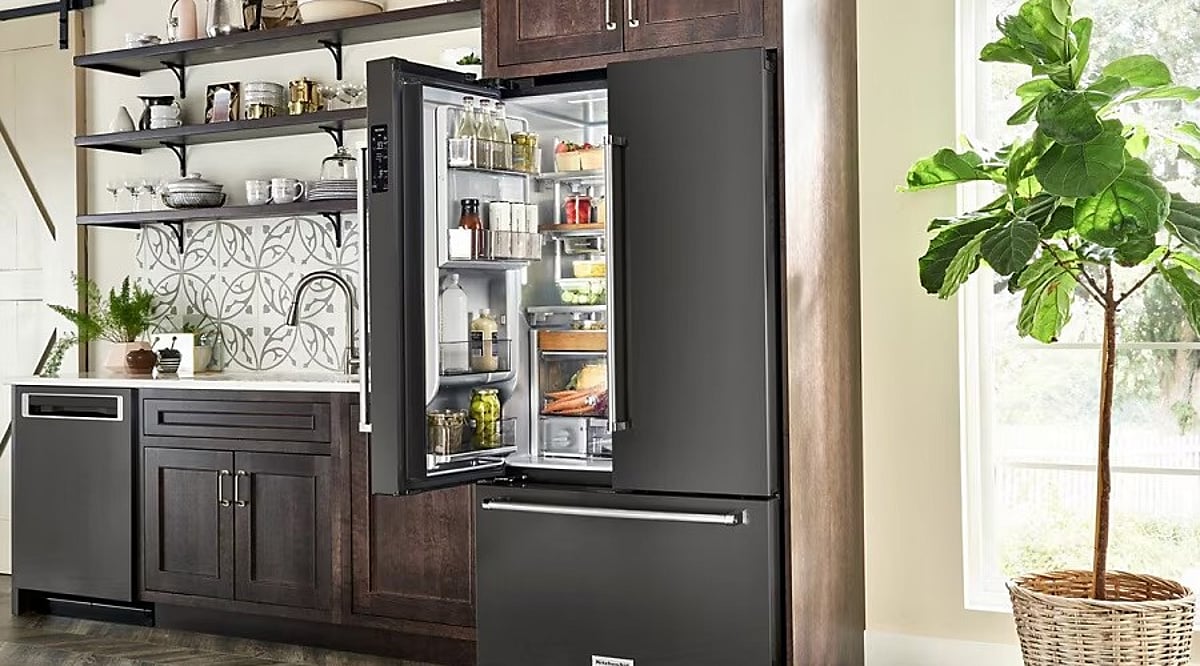
Double-door and side-by-side refrigerators may look similar, but they are built for different priorities. From storage flexibility to energy use and convenience, each has distinct strengths. Comparing them side by side helps identify the better choice for your household.
What Each Layout Actually Offers
A double-door refrigerator puts most of its space toward fresh food, with the freezer sitting above or in its own section. A side-by-side splits the interior vertically instead, giving the fridge and freezer sections of approximately equal width. This layout makes both frozen and chilled items easier to reach, but it also hands over a bigger share of total space to the freezer. Therefore, a 500 to 550 liter side-by-side can end up with fresh food space no bigger than a smaller double-door model. For households that cook fresh food every day, the double-door often turns out to be the more practical pick.
The Energy Question Most Articles Get Wrong
Most comparison articles claim double-door models simply use less power. This claim does not hold up. Energy consumption depends on the BEE star rating and whether the compressor is inverter-based, not on the number of doors. A 5-star inverter refrigerator can use less than half the electricity of a 1-star model, regardless of layout.
Side-by-side units do tend to land in lower star-rating bands on average. This pattern comes from their larger typical capacity and added features like water and ice dispensers, both of which draw extra power. The honest takeaway is not that double-door beats side-by-side on electricity. It is that the star label decides the outcome, not the door style.
Making the Right Call
A compact kitchen, daily fresh cooking, and a lower running cost point toward double doors. Ample clearance, heavy frozen storage, and eye-level access for both sections point toward side-by-side.
Family size offers a useful shortcut too. Two to four member households usually manage well with a double-door model. Larger households of five or more, especially those that rely on frozen storage, tend to get more practical value from a side-by-side.
Five Details that Decide the Purchase
- Fresh to frozen ratio: Frequent fresh shopping favors a double door even with a smaller total capacity.
- Kitchen clearance: Side-by-side doors need real swing room on both sides, along with sufficient cabinet width and ventilation space. Measuring the aisle before the showroom visit avoids a costly mismatch.
- Star rating settles energy: Comparing door types for efficiency misses the point. The kWh per year figure on the BEE label gives a direct, model-to-model answer.
- Wide items need wide shelves: Pizza boxes, large tiffins, and party trays sit more easily on a double door’s broader shelving than on a side-by-side’s narrower columns.
- Dispensers add convenience and cost: Built-in water and ice dispensers raise both the purchase price and the power draw. Filter replacements and dispenser upkeep add further ownership cost over time.
Final Thoughts
Refrigerator shopping in India still leans on showroom instinct more than spec sheets. The layout that looks more premium is not always the one that fits a kitchen’s real routine. As BEE ratings tighten and inverter compressors become standard across price bands, the gap between double-door and side-by-side will likely come down to usable space and household habits rather than badge value on the door.