Tag: smart devices

  • The Invisible AI Revolution: 7 Smart Devices Where Artificial Intelligence Blends Seamlessly into Daily Life

    The Invisible AI Revolution: 7 Smart Devices Where Artificial Intelligence Blends Seamlessly into Daily Life

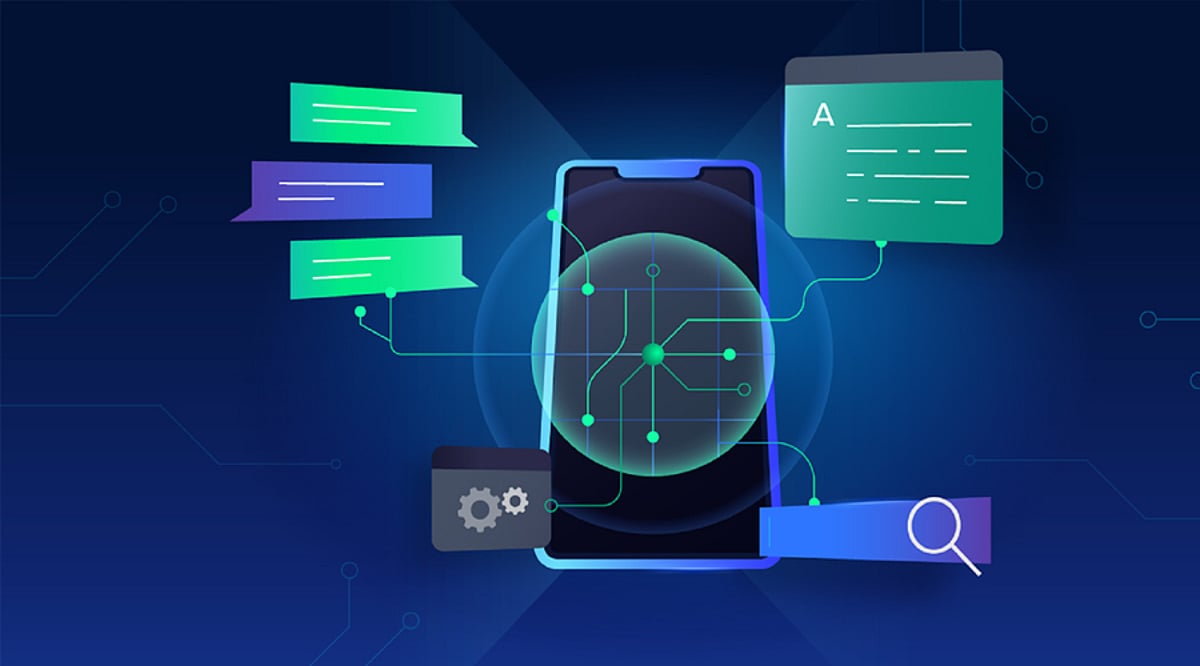
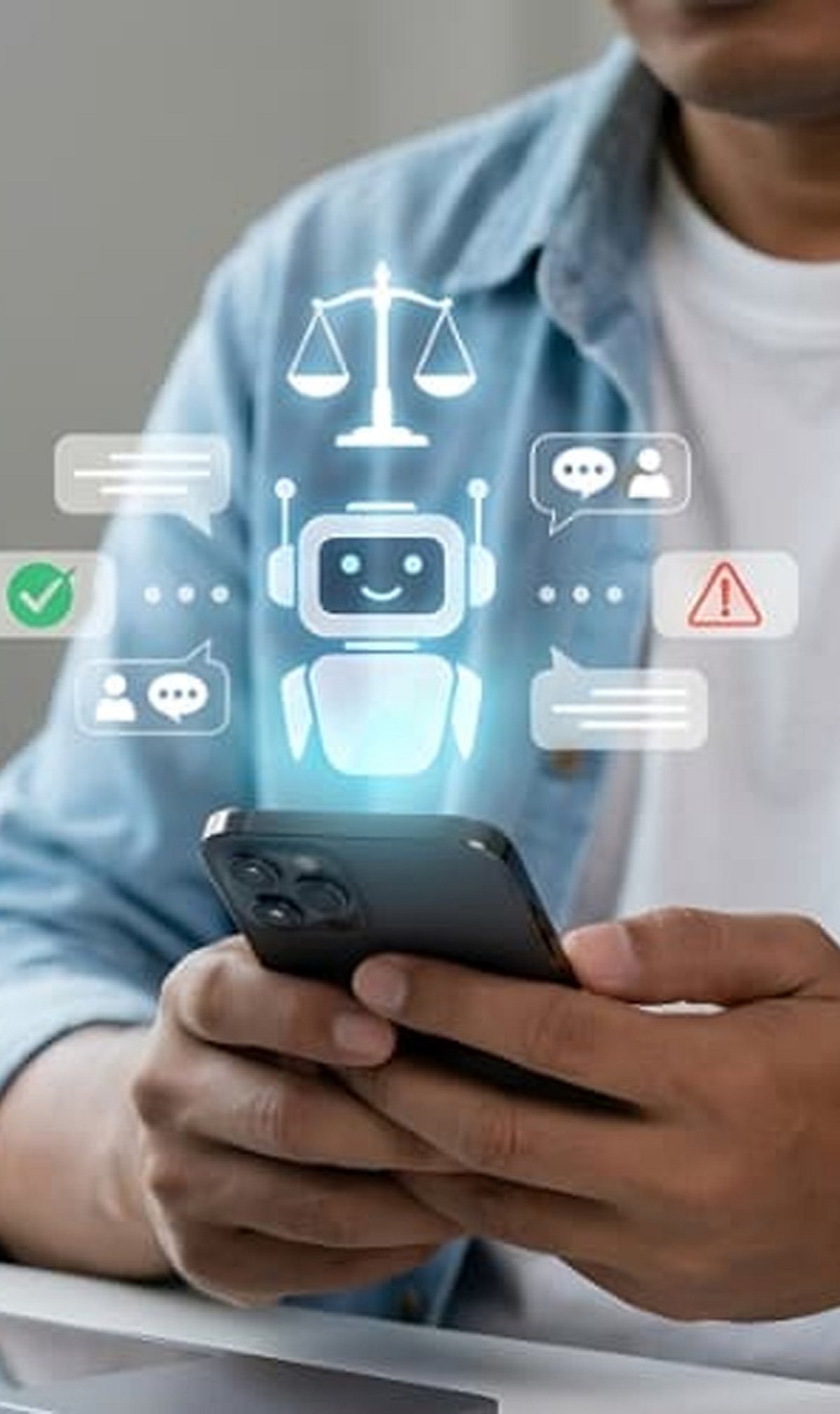
    Artificial intelligence is rapidly moving from a flashy, attention-grabbing feature to a quiet, indispensable assistant. The next wave of smart devices integrates AI so smoothly that users often forget it is there. From earbuds that translate in real time to home appliances that learn your routines, here are seven products where AI is becoming invisible.

    1. AI Earbuds

    Smart earbuds now leverage AI for real-time translation, intelligent noise management, voice assistance, and personalized audio profiles. The technology adapts to your environment without requiring any manual adjustments, making the experience effortless.

    2. AI Smart Glasses

    AI-powered glasses can recognize surroundings, answer questions, translate text, and deliver useful information without demanding constant screen interaction. They overlay digital insights onto the physical world, keeping your hands and eyes free.

    3. AI Smartwatches

    Modern smartwatches use AI to interpret health trends, summarize notifications, assist with workouts, and provide contextual suggestions directly from your wrist. The intelligence works in the background, offering proactive support when you need it.

    4. AI Smartphones

    Today’s smartphones embed AI into cameras, call quality, search, writing assistance, and personalization. These intelligent features feel like ordinary phone functions, enhancing everyday tasks without adding complexity.

    5. AI Home Appliances

    Refrigerators, washing machines, and ovens increasingly use AI to adjust settings, recognize usage patterns, and automate routine household decisions. The devices learn your habits and optimize performance automatically.

    6. AI Security Cameras

    AI cameras can identify people, vehicles, unusual activity, and important events, reducing the need for users to monitor footage constantly. Alerts are smart and contextual, so you only see what matters.

    7. AI Personal Robots

    Emerging personal robots combine cameras, microphones, sensors, and AI to understand environments, respond naturally, and handle simple household tasks. They adapt to your home without requiring complicated programming.

    Beyond these seven categories, AI is also transforming cars, health devices, and more. The common thread is that the technology fades into the background, making life simpler and more intuitive. As AI continues to evolve, the smartest devices will be the ones you barely notice.

  • Stop Your Apple Watch From Listening: A Simple Guide to Disabling Siri Recap

    Stop Your Apple Watch From Listening: A Simple Guide to Disabling Siri Recap

    Apple’s latest Apple Watch models introduce Audio Intelligence features, including Siri Recap, which can listen to conversations in the background and generate AI-powered summaries. While Apple emphasizes that Siri Recap is opt-in and does not store raw audio recordings, many users may prefer to disable it for privacy. Here’s how to turn off Siri Recap on your Apple Watch while keeping standard Siri features fully functional.

    What Is Siri Recap on Apple Watch?

    Siri Recap is part of Apple’s Audio Intelligence suite for Apple Watch. Unlike traditional Siri, which waits for an explicit activation command, Siri Recap works in the background. When enabled, it can listen to conversations throughout the day and create high-level summaries so you can recall important points later.

    Apple states that Siri Recap does not generate conventional audio recordings. Instead, audio is processed in a protected hardware environment that is inaccessible to the operating system, third-party apps, or Apple itself. The resulting recaps are summarized overviews, not full transcripts of your conversations.

    How to Turn Off Siri Recap

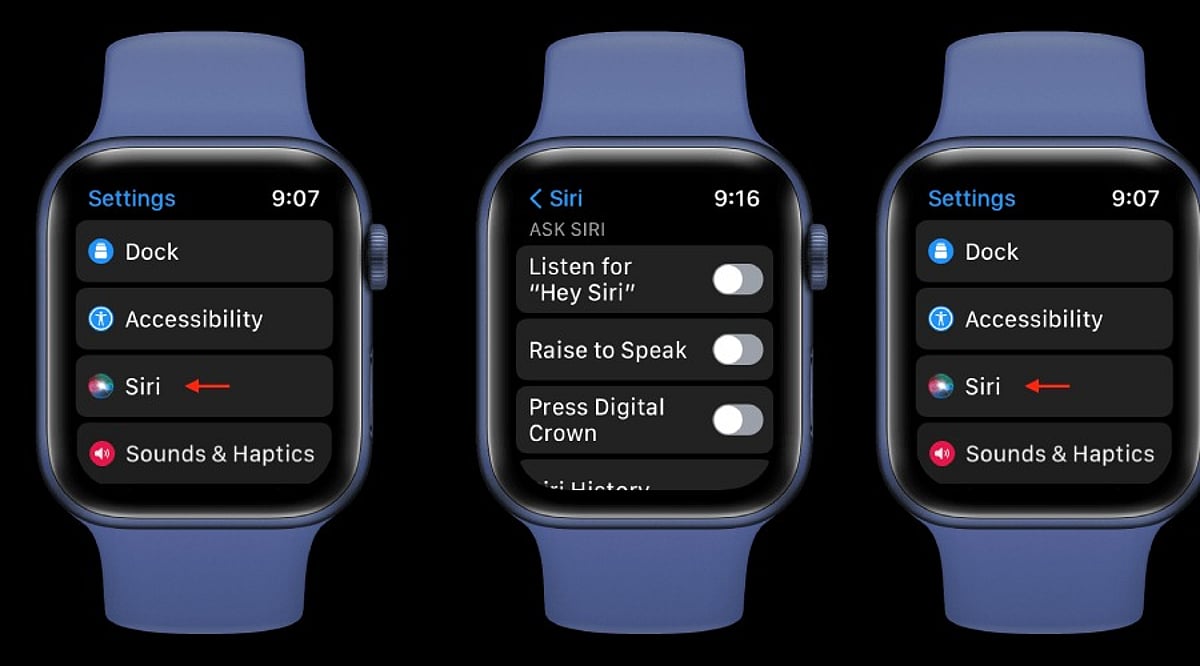
    Disabling Siri Recap takes just a few seconds. Use the Watch app on your paired iPhone:

    • Open the Watch app on your iPhone.
    • Tap the Siri section.
    • Locate Siri Recap.
    • Toggle the switch to turn it off.

    Once disabled, your Apple Watch will stop using the feature to take ambient notes or generate conversation summaries. You can also enable or disable Siri Recap directly from Control Center on the watch itself.

    Schedule Siri Recap Instead of Turning It Off Completely

    If you find Siri Recap useful in certain situations but want more control over when it listens, you don’t have to disable it entirely. Apple lets you set Siri Recap to operate on a schedule based on time of day, location, or specific scenarios. For example, you can keep it active during work hours and turn it off automatically at home or overnight.

    Siri Recap vs. Live Rewind

    It’s important not to confuse Siri Recap with Live Rewind, a separate feature. Live Rewind lets you retrieve a text snippet of what was said in the previous 15 seconds after double-pressing the Digital Crown. It does not continuously create a running transcript in the background like Siri Recap can.

    Both features come with the Apple Watch Series 12 and Apple Watch Ultra 4, subject to software and compatibility requirements.

    Disabling Siri Recap Doesn’t Disable Siri

    Turning off Siri Recap has no effect on regular Siri functionality. You can still use Siri for reminders, weather, timers, messages, smart-home controls, and other supported actions. This makes it easy to enjoy the convenience of Apple’s assistant without the concern of background listening.

    By following the steps above, you can take control of your Apple Watch’s privacy features and decide exactly when Audio Intelligence is allowed to listen.

  • Top 10 Smart Home Devices to Simplify Your Daily Routine in 2026

    Top 10 Smart Home Devices to Simplify Your Daily Routine in 2026

    The evolution of smart home technology continues to transform how we manage our households. In 2026, a new wave of intelligent gadgets is designed to automate chores, enhance security, and optimize energy usage, freeing up time for what truly matters. Here are ten standout devices that are making everyday life significantly easier.

    1. AI Smart Display

    Acting as the central hub of the modern smart home, an AI-powered smart display controls connected devices, shows your schedule, streams entertainment, answers voice queries, and keeps the whole family organized from one convenient screen.

    2. Robot Vacuum and Mop

    These autonomous cleaners now map your floor plan with precision, avoid obstacles, and seamlessly switch between vacuuming and mopping. Your floors stay spotless with almost no effort on your part.

    3. Smart Thermostat

    By learning your daily routines and preferences, a smart thermostat adjusts heating and cooling automatically. It reduces energy waste and maintains a comfortable indoor climate year-round.

    4. Smart Video Doorbell

    See who is at your door from anywhere via live video feeds. Motion alerts, package detection, and two-way audio boost security and convenience, even when you are away.

    5. Smart Air Purifier

    Indoor air quality monitors detect pollutants and adjust purification levels in real time. Companion apps provide insights and alerts, ensuring you breathe cleaner air at home.

    6. Smart Lighting System

    Automate your lights to match your schedule, control them with voice commands, and change colors to set the mood. Smart lighting saves electricity and personalizes every room.

    7. Smart Kitchen Assistant

    From suggesting recipes and setting timers to managing grocery lists and integrating with other appliances, a smart kitchen assistant streamlines meal prep and cooking.

    8. Smart Leak Detector

    Place these sensors near sinks, water heaters, and basements to get instant alerts on your phone if a leak occurs. Early detection prevents costly water damage and plumbing emergencies.

    9. Smart Security Camera

    AI-powered person detection, night vision, and cloud recording provide round-the-clock surveillance. Instant notifications keep you informed of any activity around your property.

    10. Smart Lock

    Although not explicitly listed in the original article, a smart lock is a natural complement to a smart home ecosystem. It allows keyless entry, temporary access codes for guests, and remote locking—adding both convenience and peace of mind.

    Investing in these gadgets can significantly enhance your home’s efficiency, security, and comfort. As the Internet of Things expands, expect even more innovative devices to simplify daily life in 2026 and beyond.

  • 10 Future Health-Tracking Wearables Expected by 2035

    10 Future Health-Tracking Wearables Expected by 2035

    10 Health-Tracking Wearables We May Be Using by 2035

    By 2035, wearable technology will go far beyond step counting. Here are ten futuristic health-tracking devices that could become part of our daily lives.

    • AI Health Glasses: Continuously monitor vision, stress, fatigue, biometric signals, and environmental conditions while delivering real-time personalized health insights.
    • Smart Contact Lenses: Track glucose levels, hydration, eye health, and vital biomarkers without invasive procedures.
    • Electronic Skin Patches: Flexible wearables that monitor heart activity, temperature, hydration, and other health indicators with medical-grade accuracy.
    • Brain-Computer Headbands: Measure brain activity, stress, concentration, sleep quality, and neurological patterns to support cognitive health.
    • Smart Rings: Compact wearables track sleep, heart rate, blood oxygen, temperature, recovery, and daily activity using advanced miniature sensors.
    • Connected Hearing Aids: Future hearing devices may monitor heart health, detect falls, and provide AI-powered wellness assistance.
    • Smart Clothing: Embedded sensors analyze posture, muscle activity, breathing, circulation, and movement to optimize fitness and prevent injuries.
    • Health Monitoring Earbuds: Measure body temperature, heart rate, oxygen levels, and fitness metrics while delivering intelligent health notifications.
    • AI Medical Neckbands: Future neckbands could detect respiratory conditions, voice changes, stress patterns, and cardiovascular anomalies through continuous biometric sensing.
    • Implant-Free Biosensor Bands: Advanced bands may monitor multiple biomarkers, predict illnesses early, and connect securely with digital healthcare ecosystems.
  • How Context-Aware Technology Is Revolutionizing Smart Devices Across Industries

    How Context-Aware Technology Is Revolutionizing Smart Devices Across Industries

    Context-aware technology is reshaping the way smart devices interact with users by learning from their habits, location, and daily routines. Instead of waiting for explicit commands, these devices can anticipate needs and deliver personalized experiences. From suggesting workout playlists to automatically adjusting home settings, context-aware systems make everyday interactions more natural, convenient, and tailored to individual preferences.

    Smarter Personalization

    Context-aware technology enables devices to understand user behavior and environmental cues. This allows for predictive actions, such as adjusting lighting when a movie starts or recommending music based on activity. The result is a seamless, intuitive user experience that feels less like technology and more like a helpful companion.

    Better Voice Assistants

    Modern voice assistants are becoming more intelligent by understanding context rather than just processing words. They recognize previous conversations, user preferences, and situational nuances to deliver more accurate responses. This reduces misunderstandings and makes interactions with smart speakers, smartphones, and home assistants faster and more reliable.

    Smarter Homes

    Context-aware systems enhance smart homes by enabling devices to react to changing conditions. Lights dim automatically during a movie, thermostats adjust based on room occupancy, and security cameras detect unusual activity. These intelligent responses create safer, more comfortable, and energy-efficient living spaces for families.

    Improved Health Monitoring

    Wearable devices leverage context-aware technology to provide deeper health insights. Smartwatches track activity, sleep, heart rate, and location together to offer meaningful recommendations. Instead of just collecting data, these devices identify patterns and alert users to unusual changes, empowering informed health decisions.

    Safer Connected Cars

    Modern vehicles use context-aware systems to boost safety and convenience. By analyzing road conditions, driver behavior, traffic, and weather, cars can issue timely warnings or adjust functions automatically. These features reduce distractions, support safer driving, and enhance the overall driving experience.

    More Efficient Workplaces

    Businesses are adopting context-aware technology to improve productivity. Smart office systems adjust lighting, meeting rooms, and climate based on occupancy and schedules. Employees receive relevant notifications at the right time, helping to minimize distractions and streamline everyday tasks.

    The Future of Intelligent Devices

    As artificial intelligence and connectivity advance, context-aware systems will become even more capable. Future smart devices will better understand environments, routines, and user intentions without constant input. This evolution will create seamless digital experiences that save time, boost efficiency, and simplify life across homes and workplaces.

  • 9 Smart Home Gadgets That Actually Reduce Your Utility Bills

    9 Smart Home Gadgets That Actually Reduce Your Utility Bills

    Smart home technology isn’t just about convenience—it can also lead to significant savings on your monthly bills. From thermostats that learn your schedule to irrigation controllers that adjust to the weather, these nine devices help cut electricity, water, and heating costs over time.

    • Google Nest Thermostat: Automatically adjusts temperatures to reduce energy consumption when you’re away or asleep.
    • Smart LED Lighting: Lights turn off automatically when rooms are empty, eliminating wasted electricity.
    • Smart Power Strips: Cut standby power usage by shutting off electronics that aren’t in use.
    • Smart Water Leak Detectors: Detect leaks early to prevent expensive water damage and wasted water.
    • Smart Irrigation Controllers: Optimize garden watering schedules based on local weather forecasts, reducing water usage.
    • Smart Energy Monitors: Track your home’s electricity consumption in real time, helping you identify energy hogs.
    • Smart Blinds: Automatically open and close to manage solar heat gain, lowering cooling and heating costs year-round.

    While each device offers modest savings on its own, the combined effect can add up to hundreds of dollars annually. Investing in these smart home upgrades pays for itself over time—while making your home more efficient and comfortable.

  • Government Surveillance of AI and Smart Devices: Key Privacy Insights

    Government Surveillance of AI and Smart Devices: Key Privacy Insights

    Smartphones, AI assistants, and smart home gadgets continuously generate and share data. Governments can access some of this information through legal channels, but users have controls to limit exposure. Here’s a breakdown of how tracking works and what you can do to protect your privacy.

    Device Location Data

    Smartphones and connected devices can share location information through GPS, cellular networks, and Wi-Fi, depending on user permissions and settings. Disabling location services for apps that don’t need them reduces tracking.

    Legal Data Requests

    Governments may request user data from technology companies through lawful processes, subject to applicable regulations, court orders, and national legislation. Companies often publish transparency reports showing the volume of such requests.

    AI Voice Assistants

    Voice assistants process spoken commands, with some requests handled in the cloud while others increasingly rely on on-device AI processing. On-device processing minimizes data sent to servers, enhancing privacy.

    Smart Home Devices

    Connected cameras, speakers, and sensors generate data that can reveal usage patterns, making security settings and account protection increasingly important. Regularly update firmware and use strong passwords to safeguard your network.

    Cloud Data Storage

    Information synchronized to cloud services may remain accessible across devices, depending on retention policies, encryption, and user account preferences. Review your cloud storage settings and enable encryption where available.

    End-to-End Encryption

    Encrypted messaging services help protect conversations during transmission, reducing unauthorized access while maintaining secure communication between users. Use apps that offer end-to-end encryption by default.

    On-Device AI Processing

    Modern AI models increasingly process data directly on smartphones, minimizing cloud transfers and improving both privacy and response speed. This local processing reduces the amount of personal data exposed to external servers.

    User Privacy Controls

    Device settings allow users to manage permissions for location, microphone, camera, contacts, and app access to limit unnecessary data collection. Audit these permissions regularly and revoke access for apps that don’t need it.

    Transparency Reports

    Many technology companies publish transparency reports showing government data requests, offering users greater insight into official information access practices. Consulting these reports helps you make informed decisions about which services to trust.

    For the latest news, exclusives, and videos, join our WhatsApp Channel.