Tag: smart glasses

  • Meta Connect 2026: Enhanced AI Glasses, VR Upgrades, and New Gaming Features Unveiled

    Meta Connect 2026: Enhanced AI Glasses, VR Upgrades, and New Gaming Features Unveiled

    Meta Connect 2026 Unveils New Devices

    Meta Connect 2026 focused heavily on artificial intelligence, smart glasses, and virtual reality. The company announced new wearable devices alongside upgrades to existing Ray-Ban Meta products. Meta also showcased new gaming, entertainment, and AI features designed to expand how users interact with its growing ecosystem of connected devices.

    Meta’s New VR Glasses

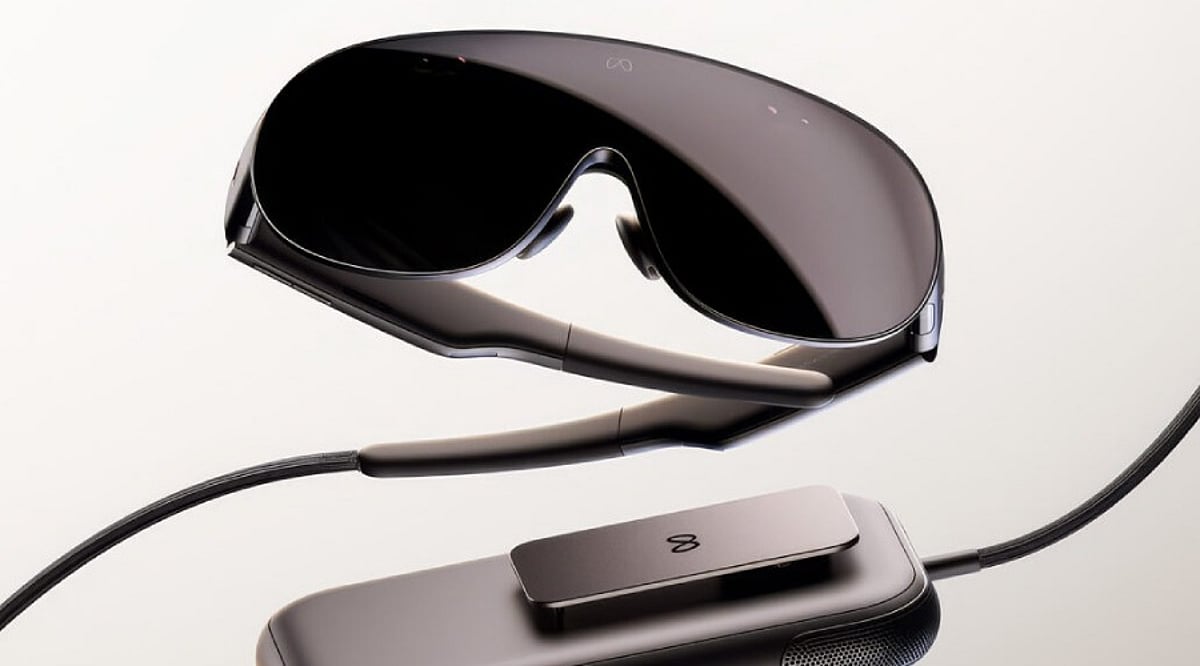
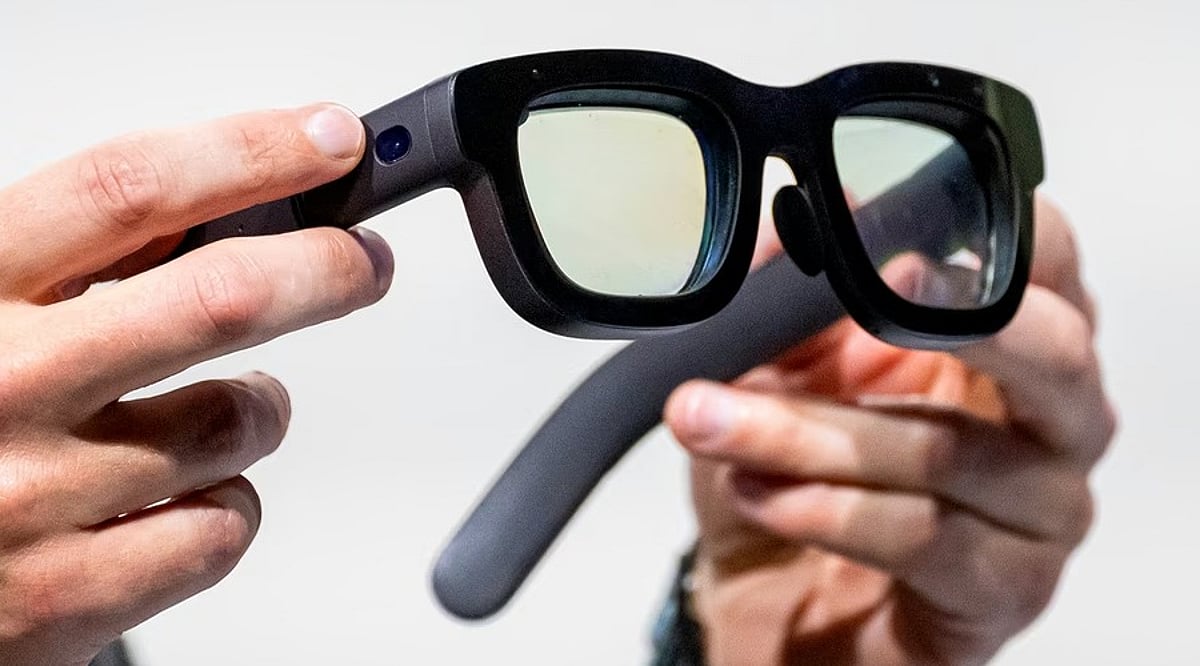
    Meta introduced new VR Glasses priced at $1,300, with availability planned for next spring. The glasses weigh about 100 grams and use magnesium alloy frames. They feature pancake lenses, a 5K display, and full-color passthrough, plus Dolby Vision, Dolby Atmos spatial audio, and IMAX Enhanced certification.

    Ray-Ban Meta Gets New Audio Model

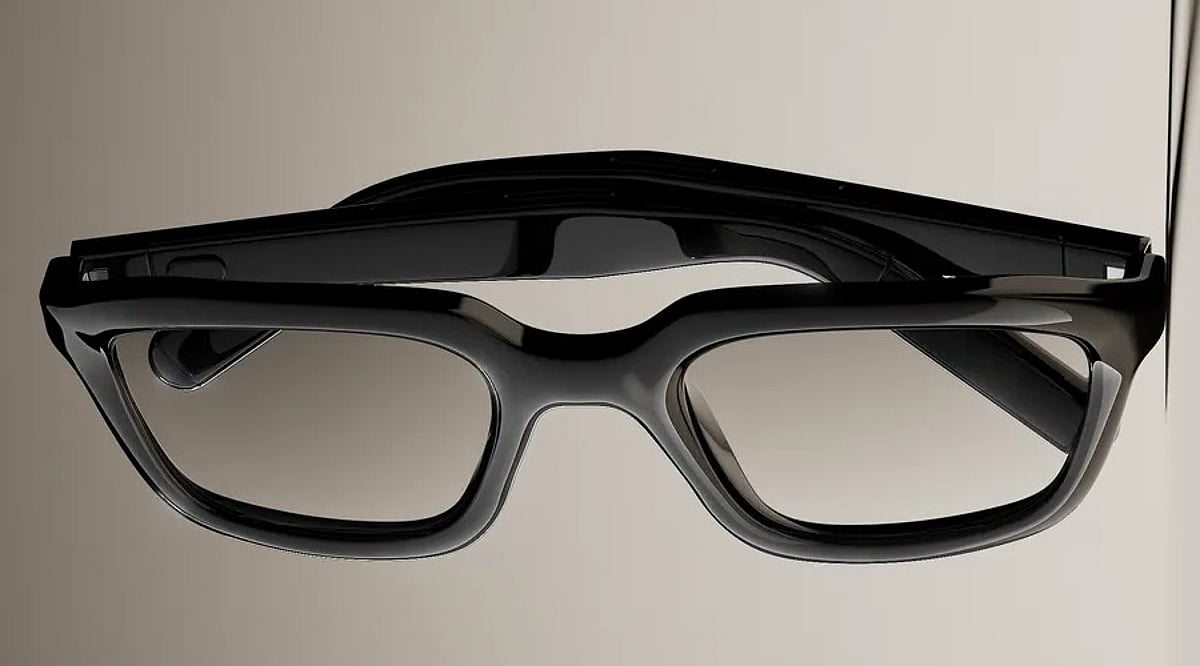
    Meta announced Ray-Ban Meta Audio, a new smart glasses model without a camera. The glasses focus on audio features, including Meta AI, music, podcasts, and voice calls. Meta says the glasses can deliver up to 12 hours of battery life, while the charging case provides up to 48 additional hours.

    Ray-Ban Meta Gen 3 Announced

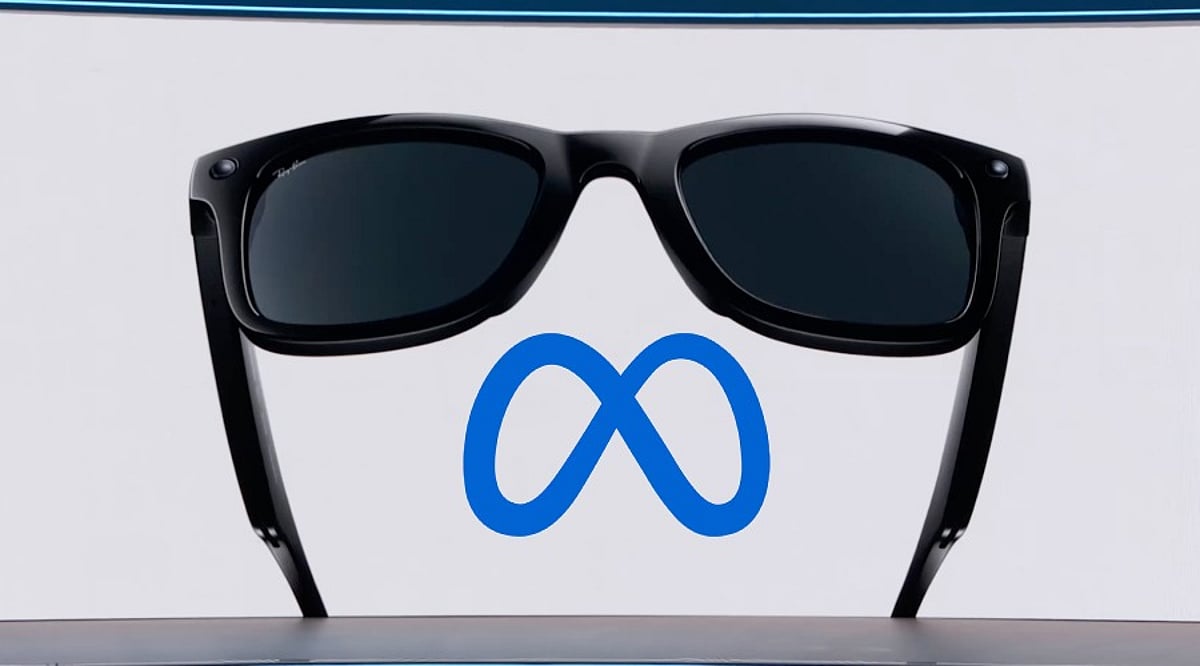
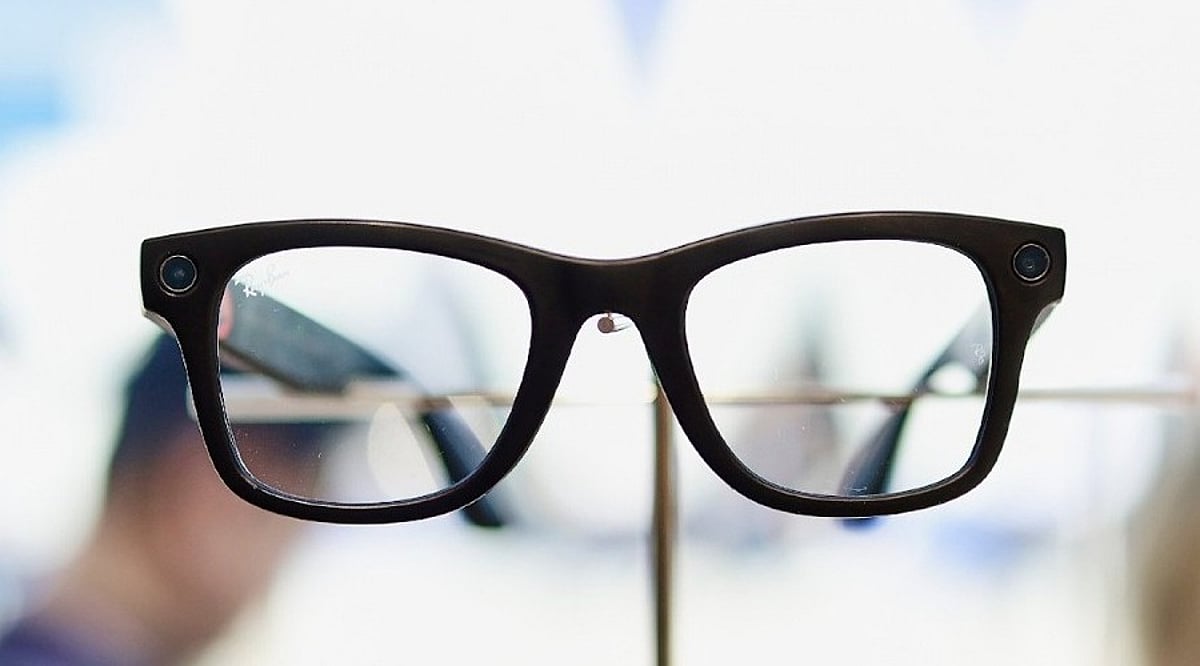
    The third-generation Ray-Ban Meta smart glasses come with a slimmer design and a dedicated Meta AI button. Battery life has also increased to up to nine hours. The glasses feature a 12MP camera that can record 3K video and a six-microphone system designed to reduce background noise.

    Ray-Ban Meta Display Expands

    Meta is expanding the availability of Ray-Ban Meta Display, with US customers able to order the glasses online for $799. New features include cycling and public-transit directions, landmark-based walking navigation, video-call holograms, photo editing, Dolby Atmos video capture, and mirrored smartphone notifications.

    More Games And Entertainment

    Meta also announced several gaming and entertainment updates. Beat Saber is getting hand tracking and a new Flux mode with 35 songs initially. Supernatural is returning to the Meta Horizon Store, while Payday: Aces High, Tetris Effect and Ace Attorney: Dual Destinies are also coming.

    Meta Expands Its AI Vision

    Meta also previewed Muse Charm, a compact device built around its Muse Agent. The device includes speakers, microphones, a display, and a fingerprint sensor. Meta said more information will follow later this year, while its broader VR platform continues to add immersive movies, sports, streaming and 3D entertainment.

  • Smart Travel Wearables: Smartwatches, Rings, Earbuds, and Glasses Compared

    Smart Travel Wearables: Smartwatches, Rings, Earbuds, and Glasses Compared

    Travel wearables have evolved into compact tools that can handle navigation, fitness tracking, payments, and safety alerts. But not every wearable makes sense on the road. The best choice depends on your itinerary, battery needs, connectivity options, and the features you will actually use.

    Smartwatches: The Most Versatile Travel Companion

    Smartwatches can replace several small gadgets in your travel bag. They put maps, notifications, payments, fitness tracking, and safety tools on your wrist. GPS is especially helpful during city walks and outdoor trips, and offline maps can keep you oriented when mobile coverage disappears. Cellular models offer even more independence from your smartphone, though coverage depends on regional network compatibility.

    Battery life is the trade-off. A watch that needs daily charging can become a hassle on long trips, while outdoor-focused models often run much longer. Before traveling internationally, check cellular and eSIM compatibility, as support varies by country.

    Smart Rings: Low-Profile Health and Sleep Tracking

    Smart rings take up almost no luggage space and offer a quieter alternative to smartwatches. Their main strength is health tracking, including sleep, heart rate, and recovery, which can be valuable when flights and time zone changes disrupt your routine.

    They also avoid the constant notifications of a smartwatch, making them a good fit for travelers who want fewer distractions. However, most smart rings lack built-in GPS and large displays, so they work best alongside a smartphone rather than replacing one.

    Smart Glasses and Earbuds: Niche Uses, Real Benefits

    Smart glasses remain a niche travel accessory. Features like navigation overlays, cameras, voice controls, and translation can be interesting, but privacy, battery life, and regional availability are practical barriers. They make sense only when the model and destination align with your needs.

    Translation earbuds can be more immediately useful. They help with conversations in unfamiliar languages, and they double as earbuds for music, calls, and noise cancellation on flights. Avoid unnecessary duplication: if your phone already handles translation well, a separate device may not add enough value.

    GPS, Offline Maps, and Safety Features Matter

    Travel wearables become more valuable when connectivity is unreliable. Offline maps provide directions without mobile data, and GPS helps hikers and explorers in unfamiliar areas. Safety features also deserve attention: some premium watches offer emergency communication and location sharing, while rugged models handle water, dust, and tough outdoor conditions. For remote adventures, a durable device with dependable navigation beats a flashy but fragile one.

    Battery Life Can Make or Break a Trip

    Battery performance is easy to overlook before departure but becomes critical after multiple flights and hotel changes. Longer battery life means fewer charging interruptions. Outdoor watches can last weeks on a single charge, while premium smartwatches offer richer features but shorter endurance. Smart rings often last several days, making them convenient for overnight health tracking. Whichever device you choose, pack the right charging cable and verify compatibility before you leave.

    Which Wearables Should Make Your Travel Kit?

    There is no single wearable for every traveler. Consider your itinerary first:

    • Smartwatch: best for navigation, payments, notifications, fitness tracking, and active trips.
    • Smart ring: best for sleep, heart-rate, and recovery tracking without screen distractions.
    • Earbuds: useful for flights, music, calls, and language support.
    • Smart glasses: only worth bringing if the model and destination meet your specific needs.

    City travelers may prioritize payments and navigation. Hikers may prioritize GPS, durability, and battery life. Frequent flyers may prefer sleep tracking and noise cancellation. The best travel wearable is the one you will actually use. If a gadget solves no real problem, leave it at home.

    Frequently Asked Questions

    Which wearable is most useful for travel?

    A smartwatch is typically the most versatile travel wearable. It can provide navigation, notifications, fitness tracking, payments, and safety features. Cellular models add independence from a smartphone, depending on network and regional compatibility.

    Are smartwatches useful for international travel?

    Yes, but check connectivity before you leave. Cellular watches depend on supported networks and eSIM availability. GPS and offline maps can still work without mobile coverage in many areas.

    Are smart rings worth carrying while traveling?

    Smart rings are useful if you care about sleep, heart rate, and recovery. They take up minimal luggage space, but they generally lack displays and built-in GPS, so they work best with a smartphone.

    Can a smartwatch replace a smartphone during travel?

    Most travelers will still need a smartphone. Certain smartwatches can handle calls, messages, navigation, payments, and other tasks independently, but the available functions depend on the device and network.

    Are smart glasses useful for travelers?

    Smart glasses can offer voice controls, cameras, navigation, and translation, but their usefulness depends on the model and destination. Consider battery life, privacy, regional availability, and whether your existing devices already provide these features.

  • How Meta, Google, and Qualcomm Are Driving the Next Wave of AI Smart Glasses

    How Meta, Google, and Qualcomm Are Driving the Next Wave of AI Smart Glasses

    Meta, Google, and Qualcomm are pushing smart glasses into a new phase, moving beyond basic audio features to integrate AI, cameras, displays, and phone-like capabilities. On September 23, Meta unveiled its advanced VR device in the form of smart glasses, while also launching a camera-free VR glasses model. That same evening, Google partnered with Qualcomm to announce its first Gemini glasses at a Qualcomm event. These moves signal a clear trend: the wearable industry is shifting toward smart glasses that listen, talk, and even provide a screen when needed.

    New Models and Pricing

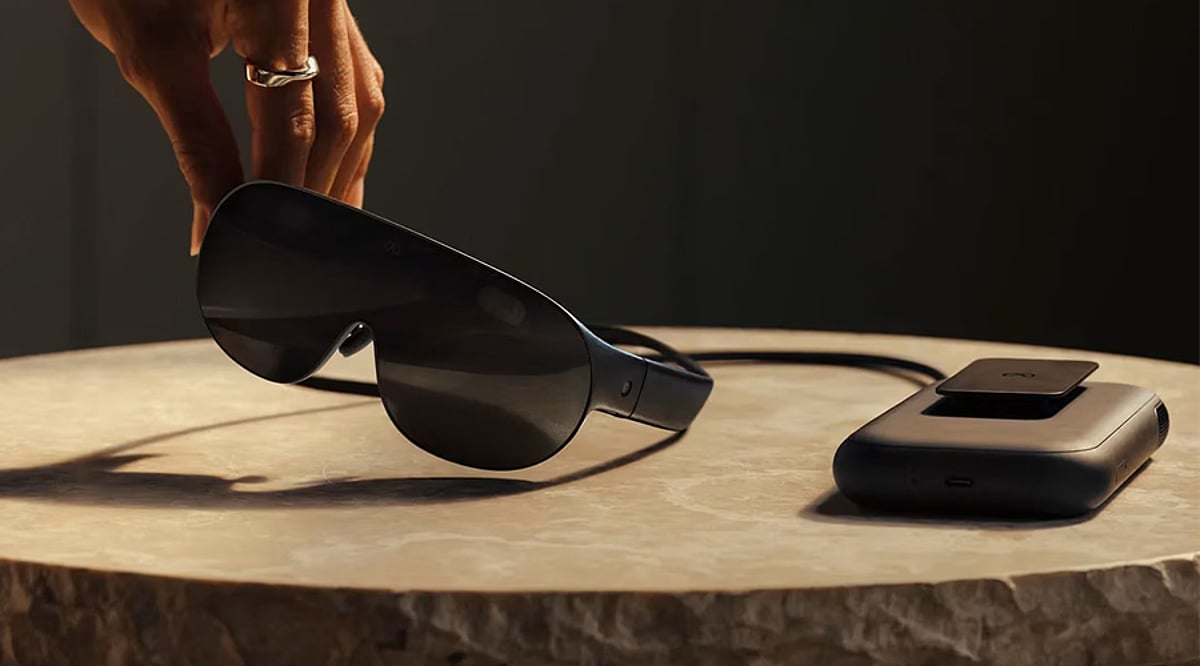
    Meta’s VR Glasses are priced at approximately ₹1.24 lakh in India and weigh around 100 grams. They rely on a separate pocket device for key hardware and are expected to arrive in spring 2027. Meanwhile, the Ray-Ban Meta Gen 3 will be available for roughly ₹44,300 in India and will feature a 12MP camera, longer battery life, and a dedicated button for Meta AI.

    Market Shift Toward Glasses

    According to the latest statistics, glasses accounted for 84.6% of total XR device shipments in 2026, with headsets making up only 15.4%. The bigger change is not merely making VR hardware lighter; it is about giving people a new way to use AI without reaching for a phone. Current smart glasses already handle calls, music, and voice queries, but newer models are expected to go further—providing directions, translating conversations, or answering questions about objects in the user’s field of view.

    A New AI Interface Takes Shape

    The core idea is simple: instead of pulling out a phone, users can ask their glasses for help, making AI feel more natural in daily tasks. Meta has announced that its Ray-Ban, Oakley, and Meta glasses range will exceed 100 styles by the end of 2026, demonstrating the company’s rapid expansion in the wearable lineup. Meta, Google, and Qualcomm are building toward a future where glasses become a regular AI tool. While phones may still handle the heavy lifting, glasses could become the easier, more intuitive way to access AI.

  • Meta Ray-Ban Audio Launches at $349: Camera-Free AI Glasses Prioritize Privacy and Audio

    Meta Ray-Ban Audio Launches at $349: Camera-Free AI Glasses Prioritize Privacy and Audio

    Meta has introduced the Ray-Ban Meta Audio, its first camera-free AI glasses, priced at USD 349. The device was unveiled at Meta Connect 2026 on September 23, addressing growing privacy concerns around wearable cameras. Instead of capturing images, these glasses focus on audio, calls, and Meta AI assistance.

    Developed in partnership with EssilorLuxottica, the Ray-Ban Meta Audio glasses weigh just 43 grams and offer up to 12 hours of battery life on a single charge. The included charging case extends total usage by an additional 48 hours. Users can listen to music, podcasts, make calls, and engage in hands-free conversations with Meta AI.

    Meta also brings its Muse personal AI agent to the new glasses. Muse can answer questions and help with everyday tasks, providing AI assistance without a camera. The glasses come in Clubmaster and Burbank designs, with 23 color and lens combinations. Both styles support a wide range of prescription options, giving the camera-free AI glasses a conventional eyewear appearance.

    Privacy is central to the product’s positioning, as camera-equipped smart glasses face increasing scrutiny. Critics have raised concerns about recording people without clear consent. Meta’s vice president of AI product, Vishal Shah, emphasized the importance of the recording indicator light, which signals when cameras are active. Removing the camera eliminates photo and video capture, though microphones remain, keeping audio recording and consent considerations relevant.

    Meta continues to offer camera-equipped smart glasses. The company also launched the Ray-Ban Meta Gen 3, which features a 12MP camera and 3K Ultra HD video, starting at USD 449 with up to nine hours of battery life. The two models expand Meta’s smart glasses lineup into distinct use cases: Ray-Ban Meta Audio prioritizes audio and AI, while Gen 3 retains photography and video features. The camera-free model offers a privacy-focused direction for wearable AI.

    Pre-orders for the Ray-Ban Meta Audio began September 23, with shipping starting October 13, 2026.

  • Meta Connect 2026: Seven New AI Devices Aim to Make AI Ubiquitous in Daily Life

    Meta Connect 2026: Seven New AI Devices Aim to Make AI Ubiquitous in Daily Life

    Meta Connect 2026: A New Era of Wearable AI

    Meta Connect 2026 showcased the company’s ambitious vision to integrate artificial intelligence into everyday life beyond traditional screens. The event, held on September 23-24 at Meta’s headquarters, introduced seven new products that span smart glasses, AI assistants, and wearable technology.

    The Seven New Devices

    • Strapless Meta VR Glasses: A new design for virtual reality without traditional straps.
    • Ray-Ban Meta Audio: Camera-free audio glasses weighing 43 grams with up to 12 hours of use, starting at $349.
    • Ray-Ban Meta Gen 3: Refreshed smart glasses with a 12MP camera, 3K video recording, and nine-hour battery life, priced at $449.
    • Meta Adventurer: A budget-friendly option starting at $249.
    • Expanded Meta Ray-Ban Display: An updated version of the display glasses.
    • Muse AI: Glasses-bound AI assistant.
    • Muse Charm: A pocket-sized AI companion.

    Pricing for the lineup ranges from $249 to $1,299, making AI accessible to a broader audience.

    Meta’s AI Strategy: Ubiquity and Accessibility

    Meta emphasized that its Ray-Ban, Oakley, and Meta Glasses range will surpass 100 styles by the end of 2026. The company is expanding into new markets and offering lower-priced options like the Meta Adventurer. The goal is to have AI accompany users throughout their day, whether through glasses, phones, or small devices.

    With these launches, Meta is not focusing on a single high-end device but diversifying its lineup to cater to different needs and budgets. The company’s vision positions smart glasses as the next-generation computing platform.

    Meta Connect 2026 points to a simple goal: Meta wants its AI to stay with users throughout the day. Glasses, phones, and small devices can each become another way to reach the same AI service.

  • Viture Unveils Vonder AI Glasses: Voice-Powered Wearable with ChatGPT, Gemini, and Claude Support

    Viture Unveils Vonder AI Glasses: Voice-Powered Wearable with ChatGPT, Gemini, and Claude Support

    Viture has introduced the Vonder, a new pair of AI-powered smart glasses that prioritize voice interaction and privacy over cameras and displays. Designed to resemble conventional eyewear, the Vonder weighs under 30 grams and relies on microphones, speakers, and onboard processing to deliver a screen-free AI experience.

    Unlike many smart glasses on the market, the Vonder does not include a camera or display. Instead, it focuses on voice-based features such as note-taking, hands-free calling, and memory recall. Audio recording is activated only when the user prompts it, and a physical Meeting Mode switch with an LED indicator provides additional control. After recording, the original audio is deleted and converted into text and memories stored in the companion app.

    At the core of the Vonder is its Personal Memory Graph, an AI system that organizes captured conversations and voice interactions. Users can choose from multiple AI models through the app, including Google Gemini, Anthropic Claude, and OpenAI ChatGPT. This approach allows the glasses to provide useful context from accumulated memories rather than simply storing raw recordings.

    Customization is a key selling point: buyers can select different frame shapes and finishes, and the glasses support prescription, progressive, and transition lenses. In the US, pre-orders begin on September 28 at a starting price of USD 299, with premium acetate frames starting at USD 399. Shipments are expected from November. International customers can register interest now.

    Viture emphasizes data privacy, stating that user data is protected with financial-grade encryption and that the company does not sell advertising or user data. The Vonder aims to offer a discreet, everyday wearable that blends AI assistance with the look and feel of ordinary glasses.

  • Apple’s Smart Glasses: A Potential Smartwatch Replacement with Augmented Reality and Health Tracking

    Apple’s Smart Glasses: A Potential Smartwatch Replacement with Augmented Reality and Health Tracking

    Apple may be taking wearables to the next level. According to recent reports, the company is developing smart glasses that could feature health-tracking capabilities and augmented reality (AR) functions. This move could signal a new direction for Apple’s wearable lineup, potentially challenging or even replacing the smartwatch as we know it.

    The rumored smart glasses are expected to integrate seamlessly with Apple’s ecosystem, offering users a hands-free way to access information, navigate, and monitor their health. While details remain scarce, the combination of AR and health tracking could make these glasses a versatile everyday accessory.

    If these reports hold true, Apple’s smart glasses might become the next big wearable after the smartwatch, reshaping how we interact with technology. However, it’s still early, and Apple has not confirmed any such product. Stay tuned for updates.

  • Why France Is Investigating Camera-Equipped Smart Glasses—and What It Means for Wearable AI

    Why France Is Investigating Camera-Equipped Smart Glasses—and What It Means for Wearable AI

    French authorities have opened a criminal investigation into camera-enabled smart glasses after complaints that people, including women, were filmed in public without their consent. The case has placed the fast-growing wearable AI category under renewed privacy scrutiny.

    What prompted the investigation?

    Prosecutors in Paris launched the probe after receiving complaints tied to a social media trend in which women were reportedly recorded on streets without their knowledge and the footage was later shared online. French authorities have also tested the devices to understand how they might be used in such incidents.

    Meta glasses success and privacy concerns

    Meta’s camera-equipped glasses, featuring built-in recording capabilities, have sold more than 7 million units worldwide. However, the integrated camera has drawn criticism since launch. France’s data protection authority, CNIL, has received fewer than 10 complaints about smart glasses being used in workplaces. Some businesses have also asked whether they can prohibit employees from using them. Privacy groups, meanwhile, have questioned whether the indicator light is sufficient to alert people that recording is taking place.

    Beyond one brand

    The issue extends beyond any single manufacturer. Smart glasses can resemble ordinary eyewear while concealing cameras, microphones, and AI tools. Australia has already announced it will ban camera-equipped smart glasses in government workplaces, citing privacy and security concerns.

    Privacy could shape the next wave of wearables

    Wearable companies may now face tougher questions about when cameras can record and how clearly users can signal that recording is happening. The debate is not limited to France; other countries are also watching closely. As smart glasses gain new cameras and AI features, their future may depend as much on public trust as on technological capability. Clear rules could become a core part of how these devices are designed and used.

  • Meta’s Luna Smart Glasses Reportedly Drop the Camera for a Voice-First AI Experience

    Meta’s Luna Smart Glasses Reportedly Drop the Camera for a Voice-First AI Experience

    Meta Bets on Voice-First Wearables

    Meta is reportedly preparing a new pair of smart glasses that will ship without a camera. The device, said to be codenamed Luna, could launch this fall, according to a report from The Information that was later picked up by Reuters. Reuters added that it could not independently verify the report.

    The rumored redesign comes as camera-equipped smart glasses face growing scrutiny over privacy and the risk of unauthorized recording. Meta’s current AI glasses rely on a camera for photos, video, and various AI features, with an LED meant to signal when recording is active. By removing the camera, Luna is expected to ease those privacy worries while preserving many of the AI and audio capabilities.

    What Luna Might Bring

    • Six microphones: The glasses reportedly include six built-in mics to support clear voice interaction.
    • Meta AI plus Muse: Users could talk to Meta AI and the company’s new consumer AI agent, Muse, using voice commands.
    • Built-in speakers: Luna is expected to feature speakers similar to those found on Meta’s existing smart glasses.
    • Side button shortcut: A physical button on the side may offer quick access to Meta AI, giving users an alternative to voice activation.

    Launch Timing and the Road Ahead

    Meta could unveil Luna at its Meta Connect developer conference, scheduled for September 23 and 24. Shipments are reportedly targeted for October, though Meta has not publicly confirmed the product, its release timing, or final specifications.

    If it reaches market, Luna would add another direction to Meta’s expanding wearable strategy. The company is also developing more advanced augmented-reality hardware, underscoring its view of smart glasses as a major platform for AI.

  • Apple Watch Series 12’s Audio Intelligence and Privacy Controls Hint at Smart Glasses Future

    Apple Watch Series 12’s Audio Intelligence and Privacy Controls Hint at Smart Glasses Future

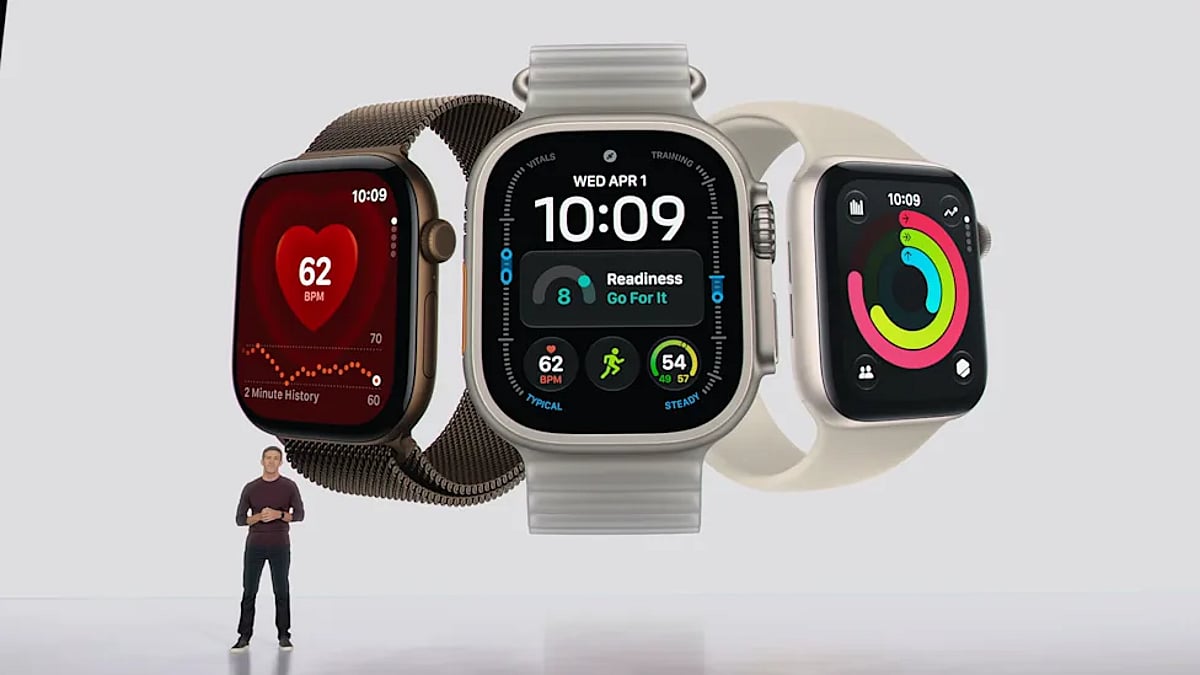
    Apple introduced new Audio Intelligence tools on the Apple Watch Series 12, allowing the device to listen for sounds, recall recent conversations, and create conversation summaries. However, the company built several privacy controls around the technology, offering a possible look at how it could handle similar concerns with future smart glasses.

    Audio Intelligence Features

    Apple’s Audio Intelligence package includes Sound Recognition, Live Rewind, Siri Recap, and Shazam. Sound Recognition listens for noises such as alarms, sirens, doorbells, and crying babies. Shazam can identify music playing near the user and display the song information on the watch.

    Live Rewind and Siri Recap take the technology further. Live Rewind keeps a rolling buffer of about 15 seconds of nearby conversation. When the wearer double-presses the Digital Crown, the watch converts the previous 15 seconds into text. Apple designed the feature for situations where users may have missed information during a conversation.

    Siri Recap can create short summaries of conversations that users can review later. Instead of producing a full transcript, the system generates a title and key points. Apple says the feature can help users stay engaged during meetings or conversations without constantly taking notes. Apple plans to release Siri Recap and Live Rewind in beta later this year.

    On-Device Audio Privacy

    Apple built Audio Intelligence around the Secure Exclave inside the S11 chip. The dedicated hardware compartment processes audio separately from watchOS and other apps. According to Apple, neither apps, the operating system, the user, nor Apple can directly access the raw audio.

    Live Rewind processes its transcription locally on the Apple Watch. Its temporary audio buffer is repeatedly overwritten rather than stored as a permanent recording. When the feature activates, the watch also plays an audible chime, even when the device is set to silent or connected to headphones.

    Siri Recap follows a different process. The watch converts speech into text before deleting the original audio. Apple then uses Private Cloud Compute to process the text and prepare the summary. The company says its cloud system prevents Apple from accessing the submitted data. Apple also says Siri Recap does not identify speakers or connect statements to specific people. The system is designed to leave out sensitive details such as financial information, authentication data, and government-issued identification numbers.

    Privacy Controls for Wearables

    The public-facing warning used by Live Rewind could provide a clue about how Apple may handle recording features on future wearable products. Apple did not announce consumer smart glasses, but reports have suggested the company is developing AI-powered glasses that could eventually enter the market.

    Wearable cameras and microphones have raised privacy concerns because people nearby may not always know when recording takes place. Apple’s approach on the Series 12 adds both visual and audible signals when Live Rewind activates. The watch displays a full-screen animation and microphone indicator while also playing its warning sound. Such controls could become useful if Apple adds similar listening or recording functions to smart glasses. Rather than relying only on software permissions for the wearer, the company could also provide visible or audible notices for people nearby.

    Apple Expands AI on Watch

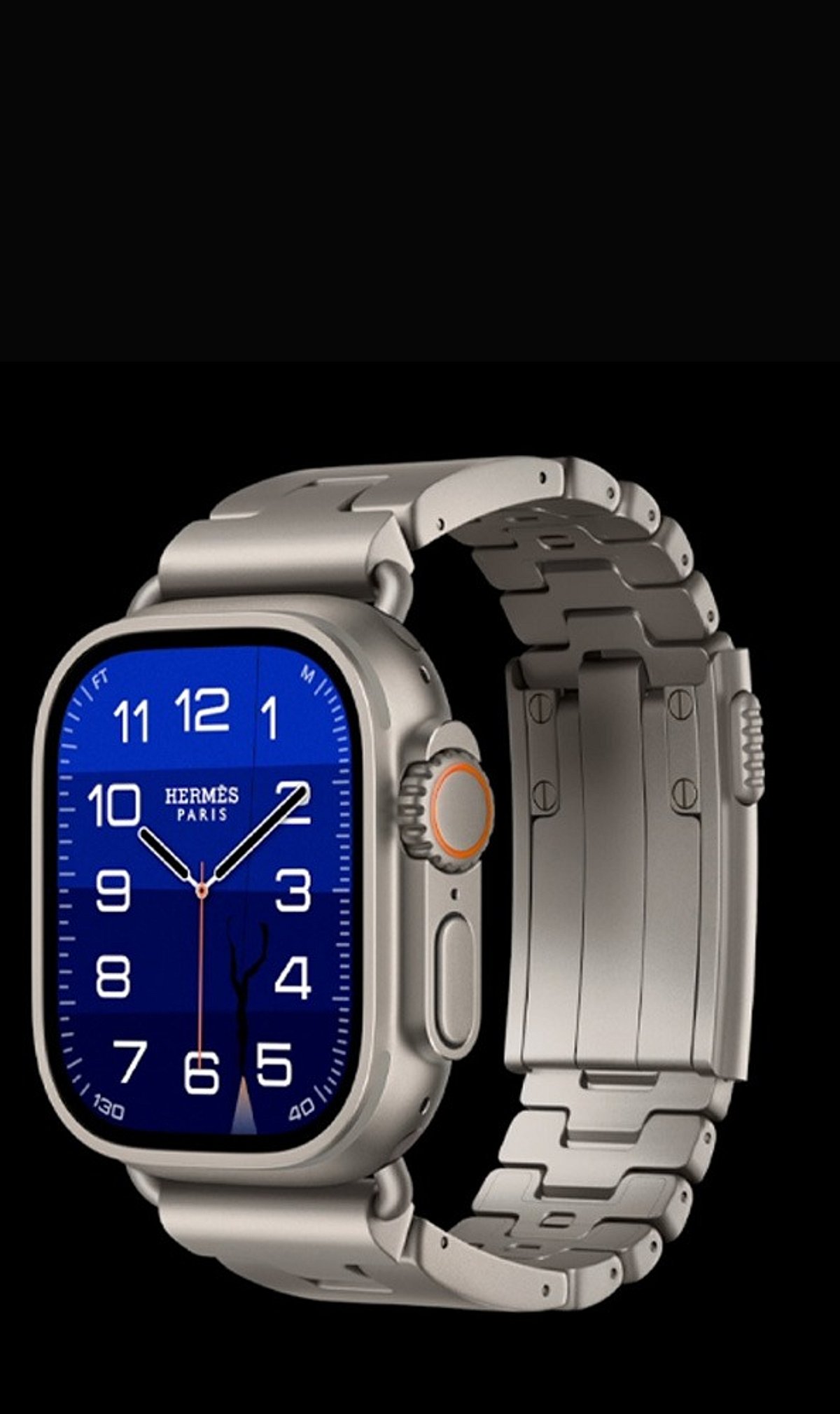
    The privacy controls arrive as Apple broadens the Apple Watch beyond health and fitness. Series 12 introduces a new Health Sensing System, more frequent heart-rate and heart-rate variability measurements, a readiness score, and updated step tracking.

    The S11 chip also supports Siri AI through watchOS 27, bringing personal context features and broader knowledge functions to the watch. Apple Watch Series 12 starts at $399 in the U.S., with store availability beginning September 18. As Apple adds more AI tools to devices worn throughout the day, the Series 12 shows how the company is combining always-available intelligence with limits on how personal audio is processed, stored, and disclosed.