Tag: smart grids

  • 10 Innovative Green Technologies Combating Climate Change

    10 Innovative Green Technologies Combating Climate Change

    10 Green Technologies Fighting Climate Change

    By Humpy Adepu

    The fight against climate change is being waged with a growing arsenal of green technologies. Here are ten key innovations making a significant impact:

    1. Solar Power Systems: Advanced photovoltaic panels convert sunlight into electricity, reducing dependence on fossil fuels while providing clean, renewable energy for homes worldwide.
    2. Wind Turbines: Modern wind farms generate electricity efficiently using powerful turbines, significantly lowering greenhouse gas emissions compared to conventional energy sources.
    3. Green Hydrogen: Produced using renewable electricity, green hydrogen offers carbon-free fuel for industries, transportation, and long-term energy storage applications globally.
    4. Carbon Capture Technology: Captures carbon dioxide emissions from industrial facilities, preventing greenhouse gases from entering Earth’s atmosphere and accelerating global warming.
    5. Electric Vehicles: Battery-powered transportation reduces fuel consumption, lowers urban air pollution, and supports cleaner mobility through advancing charging infrastructure worldwide.
    6. Smart Grids: Intelligent electricity networks optimize power distribution, integrate renewable energy sources, and improve efficiency while reducing transmission losses.
    7. Vertical Farming: Indoor agriculture uses less water, minimal land, and controlled environments, reducing transportation emissions while increasing sustainable food production.
    8. Biodegradable Packaging: Eco-friendly packaging materials naturally decompose, minimizing landfill waste and reducing environmental pollution caused by conventional plastic products.
    9. Ocean Cleanup Systems: Innovative floating technologies collect plastic waste from oceans, protecting marine ecosystems while preventing pollution from spreading across waterways.

    Read more stories and join our WhatsApp Channel to get the latest news, exclusives, and videos.

  • 10 Breakthrough Technologies Driving a Sustainable Future

    10 Breakthrough Technologies Driving a Sustainable Future

    The path to a sustainable future is being paved by remarkable innovations across multiple sectors. From energy generation to waste management, these technologies are transforming how we interact with our planet. Below, we explore ten revolutionary advancements that promise to reduce environmental impact and build a greener world.

    Next-Generation Solar Panels

    Innovations in solar power are delivering higher efficiency and lower costs, making renewable electricity more accessible worldwide. Advanced photovoltaic materials and manufacturing techniques are pushing the boundaries of energy generation from sunlight.

    Green Hydrogen

    Produced using renewable energy sources, green hydrogen offers a clean fuel alternative for transportation, heavy industries, and long-term energy storage. It has the potential to decarbonize sectors that are hard to electrify directly.

    Carbon Capture Technology

    Advanced systems now capture carbon dioxide directly from industrial emissions and the atmosphere. These technologies help reduce greenhouse gas concentrations and support global climate goals by enabling carbon removal at scale.

    Vertical Farming

    Indoor farming using controlled environments dramatically reduces water consumption and land requirements while enabling year-round food production in urban areas. This approach minimizes transportation emissions and ensures local food security.

    Smart Grids

    Intelligent electricity networks optimize energy distribution, seamlessly integrate renewable sources, and improve overall efficiency. Smart grids reduce power outages and transmission losses while enabling better demand management.

    Electric Vehicles

    Modern electric vehicles are reducing dependence on fossil fuels and lowering emissions. Improving battery technology and expanding global charging infrastructure are making EVs more practical and affordable for everyday use.

    Biodegradable Materials

    Sustainable alternatives to conventional plastics are being developed that naturally decompose without harming the environment. These materials support environmentally responsible packaging and manufacturing across industries worldwide.

    Ocean Cleanup Systems

    Innovative technologies are being deployed to remove floating plastic waste from our oceans. These cleanup systems help restore marine ecosystems and protect aquatic biodiversity from the growing threat of plastic pollution.

    AI for Sustainability

    Artificial intelligence is being harnessed to optimize energy usage, predict climate patterns, improve agricultural practices, and enhance resource management. Data-driven decision-making powered by AI is unlocking new efficiencies in sustainability efforts.

    These technologies represent just a glimpse of the innovations shaping a sustainable future. As research continues and adoption scales, their collective impact will be instrumental in addressing the environmental challenges of our time.

  • Tata Power-DDL and Ashoka Centre Forge Five-Year Partnership to Drive India’s Energy Transition Research

    Tata Power-DDL and Ashoka Centre Forge Five-Year Partnership to Drive India’s Energy Transition Research

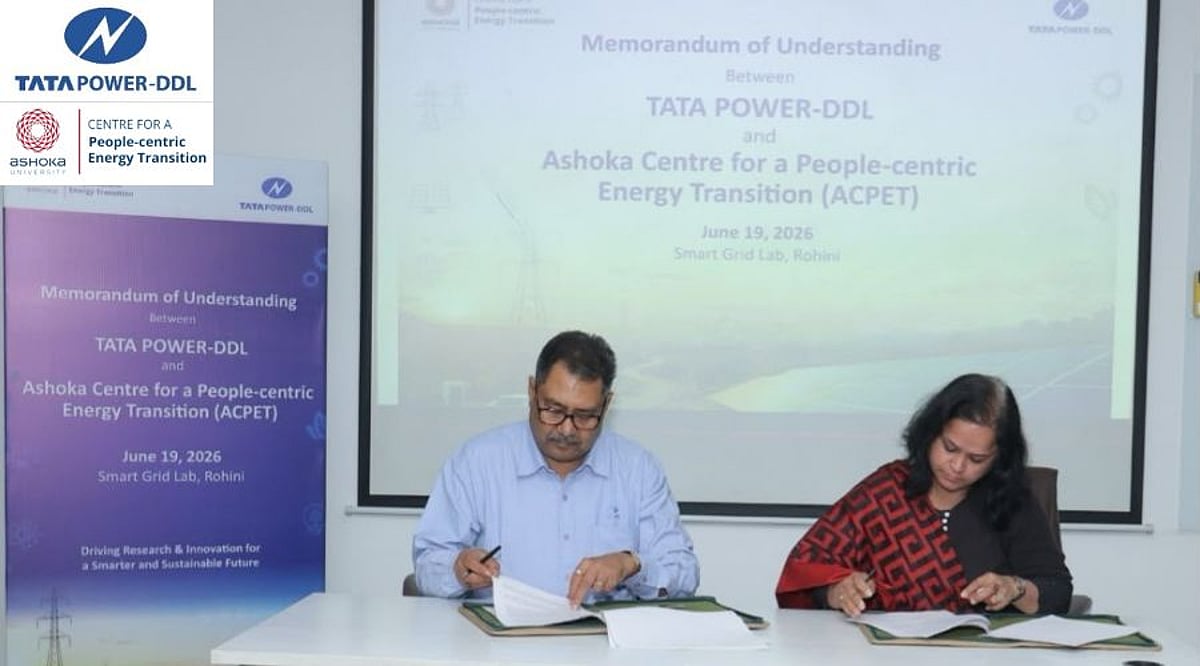
    New Delhi, June 26, 2026 — The Ashoka Centre for a People-centric Energy Transition (ACPET) and Tata Power Delhi Distribution Limited (Tata Power-DDL) have signed a five-year Memorandum of Understanding (MoU) to accelerate research, innovation, and capacity building across India’s energy and power sector. The collaboration aims to create scalable solutions that support the country’s broader energy transition goals.

    The partnership unites ACPET’s expertise in research, data analysis, energy policy, and sustainable transitions with Tata Power-DDL’s operational experience as a leading Indian power distribution utility. Joint activities will include research projects, technology demonstrations, policy engagement, and knowledge-sharing initiatives designed to build a more sustainable, secure, and equitable energy future.

    This collaboration arrives at a pivotal moment for India’s power sector, which is undergoing rapid technological and regulatory transformation. Key focus areas include smart grids, electric vehicles, distributed energy resources, energy storage, demand-side management, and consumer engagement. The MoU creates a structured platform for both organizations to explore these opportunities and contribute to industry best practices.

    Specific initiatives under the partnership include joint research and learning, development of policy briefs and technical reports, expert dialogues, training programs, and the potential establishment of a Centre of Excellence to drive innovation and strengthen institutional capabilities.

    “India’s energy transition presents a unique opportunity to bring together research, policy, innovation and real-world implementation. As the sector evolves over the coming years, meaningful progress will depend on stronger collaboration between academia, industry, policymakers, startups and innovators,” said Dr. Praveer Sinha, CEO & Managing Director, Tata Power.

    “Technology alone will not deliver India’s energy transition — the human capacity to deploy, operate, and innovate around that technology is equally decisive. This partnership between Tata Power-DDL and ACPET brings together operational depth and research rigour to address both,” said Vaibhav Chowdhary, Director, ACPET.

    “India’s electricity sector is undergoing a profound transformation. We want renewable energy to scale rapidly, but we also recognise that transitions of this magnitude are shaped by historical realities, market dynamics, and technological constraints. Together, we can bridge evidence and practice to shape more effective pathways for India’s energy transition,” added Rakesh Kacker, Senior Advisor, ACPET.

    “The power sector is undergoing a fundamental transformation driven by rapid technological advancements, growing renewable energy integration, distributed energy resources, and evolving consumer expectations. Our partnership with ACPET will bring together industry experience and academic excellence to develop innovative solutions, strengthen policy and regulatory frameworks, and contribute meaningfully to India’s energy transition journey,” said Dwijadas Basak, CEO, Tata Power Delhi Distribution Limited (Tata Power-DDL).

    Under the agreement, Tata Power-DDL will support dedicated research personnel and provide infrastructure access, while both institutions will jointly design and implement research projects, consumer awareness programs, and disseminate outcomes. A Joint Steering Committee with representatives from both organizations will provide strategic oversight.

    The collaboration reflects a shared commitment to addressing the complex technological, regulatory, and societal dimensions of the energy transition, contributing to India’s vision of a sustainable and secure energy future.

    About Tata Power-DDL

    Tata Power Delhi Distribution Limited is a joint venture between Tata Power and the Government of NCT of Delhi. It distributes electricity in North Delhi, serving a population of around 9 million. The utility has been a frontrunner in power distribution reforms, achieving a record reduction in Aggregate Technical & Commercial (AT&C) losses from 53% in July 2002 to 5.42% today. It has been awarded the highest ‘A+’ rating by the Ministry of Power under the Consumer Service Rating of Discoms (CSRD) framework for FY 2024–25.

    About ACPET

    The Ashoka Centre for a People-centric Energy Transition (ACPET) supports energy transition toward a net-zero economy, addressing critical knowledge gaps for India and the Global South. ACPET builds context-responsive, people-centric frameworks and solutions that advance economic, social, and governance pillars of sustainable growth. It collaborates with industry, government, and community leaders to test and evaluate practical interventions.

    For more information, visit acpet.ashoka.edu.in.