
Tag: Smart Manufacturing

  • Smart Manufacturing Drives Transformation in Aerospace and Defense

    Smart Manufacturing Drives Transformation in Aerospace and Defense

    Introduction

    Smart manufacturing is revolutionizing the aerospace and defense sectors by integrating advanced technologies such as artificial intelligence (AI), the Internet of Things (IoT), robotics, and digital twins. These innovations are creating a unified digital ecosystem that connects design teams, factories, suppliers, and maintenance systems, leading to unprecedented levels of efficiency and innovation.

    Digital Twins: Virtual Testing for Real-World Performance

    Digital twins allow engineers to simulate and test aircraft, engines, and components in a virtual environment. This capability helps identify design flaws and optimize performance before physical production begins, saving time and resources.

    IoT and AI: Predictive Maintenance and Quality Control

    Industrial IoT sensors monitor temperature, vibration, and machine performance in real time. AI algorithms analyze this data to detect potential equipment failures early, enabling predictive maintenance. AI-powered quality control systems inspect aircraft parts, welds, coatings, and composite surfaces to identify defects, reducing rework and improving safety.

    Robotics and Automation

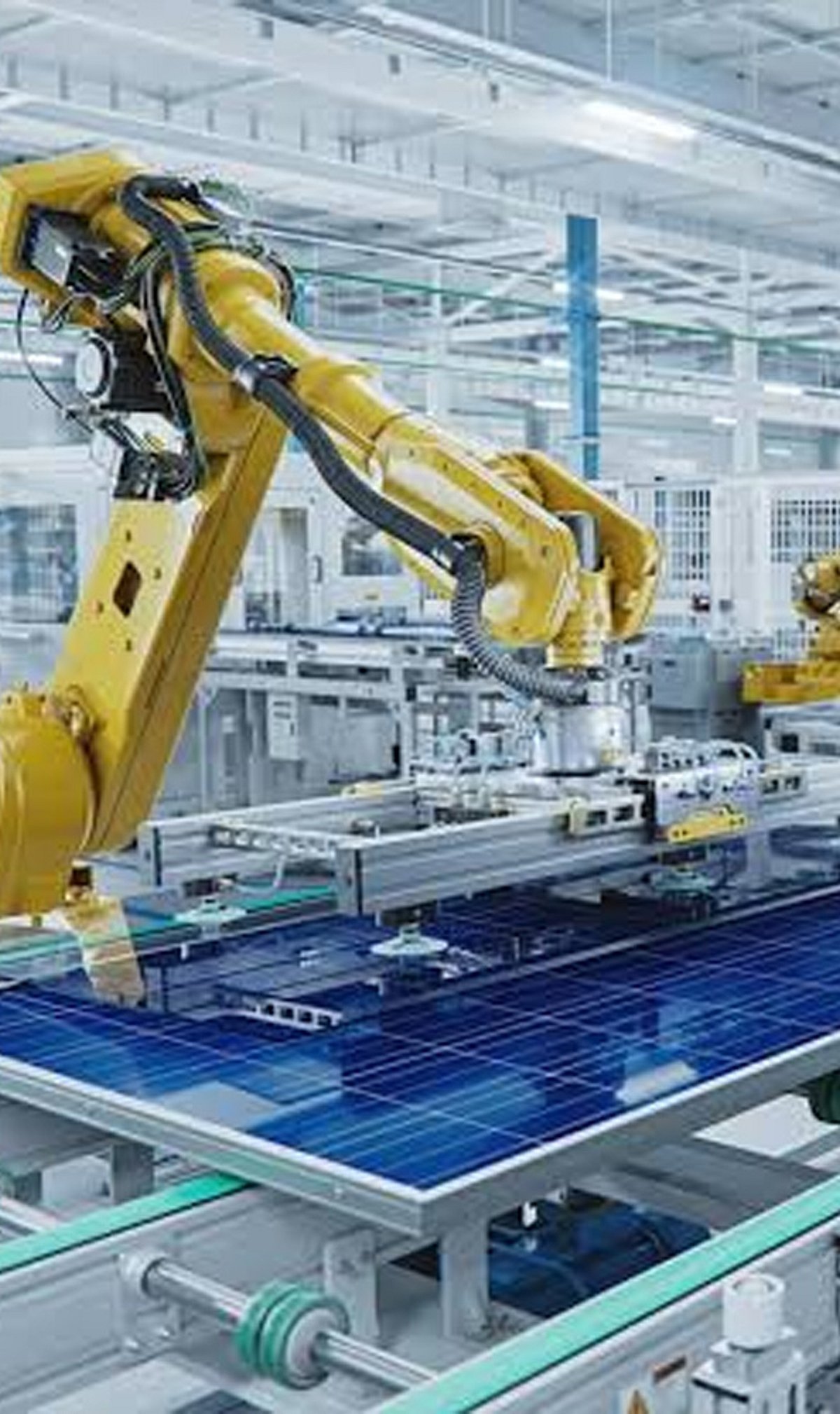
    Robots and collaborative machines handle tasks such as drilling, fastening, welding, painting, and material handling. These systems enhance precision and support human workers in complex operations, boosting productivity and consistency.

    3D Printing for Lightweight Components

    Additive manufacturing (3D printing) enables rapid prototyping and production of lightweight parts, tooling, and complex low-volume components. This reduces material waste and simplifies assembly processes, contributing to more sustainable manufacturing.

    Augmented and Virtual Reality

    AR and VR technologies provide digital work instructions for technicians, support maintenance training, aid factory planning, facilitate design reviews, and enable remote assistance, improving accuracy and reducing errors.

    Strengthening Supply Chains

    Smart manufacturing enhances defense supply chains by improving parts visibility, predicting shortages, and enabling faster production adjustments in response to changing demand. This resilience is critical for national security.

    Challenges and Future Outlook

    The transition to smart manufacturing also brings challenges, including cybersecurity risks, certification hurdles, integration with legacy systems, and workforce upskilling. According to TCS, around 40% of aerospace manufacturing operations are expected to require minimal human intervention within five to seven years, though human oversight will remain essential.

    Conclusion

    Smart manufacturing is not just a technological upgrade but a fundamental shift in how aerospace and defense products are designed, produced, and maintained. By embracing these innovations, the industry can achieve higher efficiency, quality, and adaptability in an increasingly complex global environment.

  • How Bosch Leverages Industrial IoT and AI to Transform Smart Manufacturing

    How Bosch Leverages Industrial IoT and AI to Transform Smart Manufacturing

    Bosch is driving a digital transformation across its manufacturing operations by integrating IoT, artificial intelligence, and cloud computing. The German industrial giant has built smart factories that connect machines, sensors, software, and employees in real time, boosting productivity while cutting downtime and energy usage. At the heart of this effort is Nexeed, Bosch’s IoT platform that unifies production and logistics data to enable faster, more informed decisions on the factory floor.

    Bosch’s Industrial IoT Strategy

    Bosch’s solution combines IoT, AI, cloud computing, edge devices, and digital twins into a cohesive manufacturing system. Rather than relying on isolated production systems, its factories collect data from thousands of sensors installed in machines and assembly lines. This data is processed in real time to detect anomalies, predict maintenance needs, and optimize production efficiency.

    The Nexeed Industrial Application System serves as a centralized dashboard that integrates equipment from various vendors, including legacy machines. This allows manufacturers to modernize old production lines without replacing costly equipment.

    Predictive Maintenance Boosts Factory Performance

    One of Bosch’s most impactful IoT use cases is predictive maintenance. At its Blaichach plant in Germany, Nexeed gathers data from over 60,000 sensors to continuously monitor machine conditions. The software identifies wear and tear before breakdowns occur, enabling proactive repairs.

    According to Bosch, this approach has reduced disruptions in ESP manufacturing by 25%, leading to more stable production, less downtime, and lower maintenance costs. Overall, IoT software has boosted productivity by up to 25%, increased machine availability by up to 15%, and cut maintenance expenses by up to 25% across Bosch factories.

    AI, Energy Efficiency, and Logistics

    Bosch is increasingly combining AI with IoT through what it calls the Artificial Intelligence of Things (AIoT). AI analyzes sensor data to detect production anomalies and recommend corrective actions, while human operators make the final decisions.

    The company has also improved sustainability through connected manufacturing. At its Homburg plant, Nexeed detected compressed-air leaks using meter and sensor readings, saving approximately €800,000 per year. The same plant reduced power consumption by 40% after optimizing its production processes.

    Beyond production, Bosch uses IoT for intralogistics, monitoring materials as they move within factories in real time.

    Bosch’s Long-Term Vision

    Bosch recently announced plans to invest over €2.5 billion in AI by the end of 2027, with manufacturing, predictive maintenance, and supply chain optimization as key focus areas. The company also expects revenue from factory software to exceed €1 billion as manufacturers increasingly adopt Industry 4.0 technologies.

  • How Artificial Intelligence Is Transforming Luxury Fashion Design

    How Artificial Intelligence Is Transforming Luxury Fashion Design

    Artificial intelligence is revolutionizing the luxury fashion industry, from trend forecasting and personalized designs to sustainable production and counterfeit detection. Here are the key ways AI is reinventing luxury fashion design:

    • Trend Forecasting: AI analyzes global fashion trends, consumer behavior, and social media activity to help designers anticipate future style preferences.
    • Personalized Designs: Luxury brands use AI to recommend customized clothing, colors, and styles tailored to individual customer tastes and preferences.
    • Fabric Innovation: Artificial intelligence helps researchers identify advanced materials that improve comfort, durability, and environmental sustainability in luxury apparel.
    • Digital Prototyping: Designers create and test virtual garments before production, reducing development time, material waste, and manufacturing costs significantly.
    • Smart Manufacturing: AI streamlines production planning, quality control, and inventory management, improving efficiency throughout luxury fashion supply chains.
    • Virtual Fashion Shows: Fashion houses increasingly showcase collections through AI-powered virtual presentations, reaching global audiences beyond traditional runway events.
    • Counterfeit Detection: Artificial intelligence helps brands identify fake luxury products by analyzing patterns, materials, and manufacturing inconsistencies more accurately.
    • Customer Experience: AI-powered assistants provide personalized shopping recommendations, styling advice, and product discovery across online and offline retail channels.
    • Sustainable Production: Machine learning reduces fabric waste, predicts demand accurately, and supports responsible sourcing to improve sustainability across luxury fashion.

    These innovations are not only enhancing creativity and efficiency but also driving a more sustainable and personalized future for high-end fashion.