Tag: smart speaker

  • Sonos 27 Update Integrates ChatGPT and Claude AI for Smarter Home Audio Control

    Sonos 27 Update Integrates ChatGPT and Claude AI for Smarter Home Audio Control

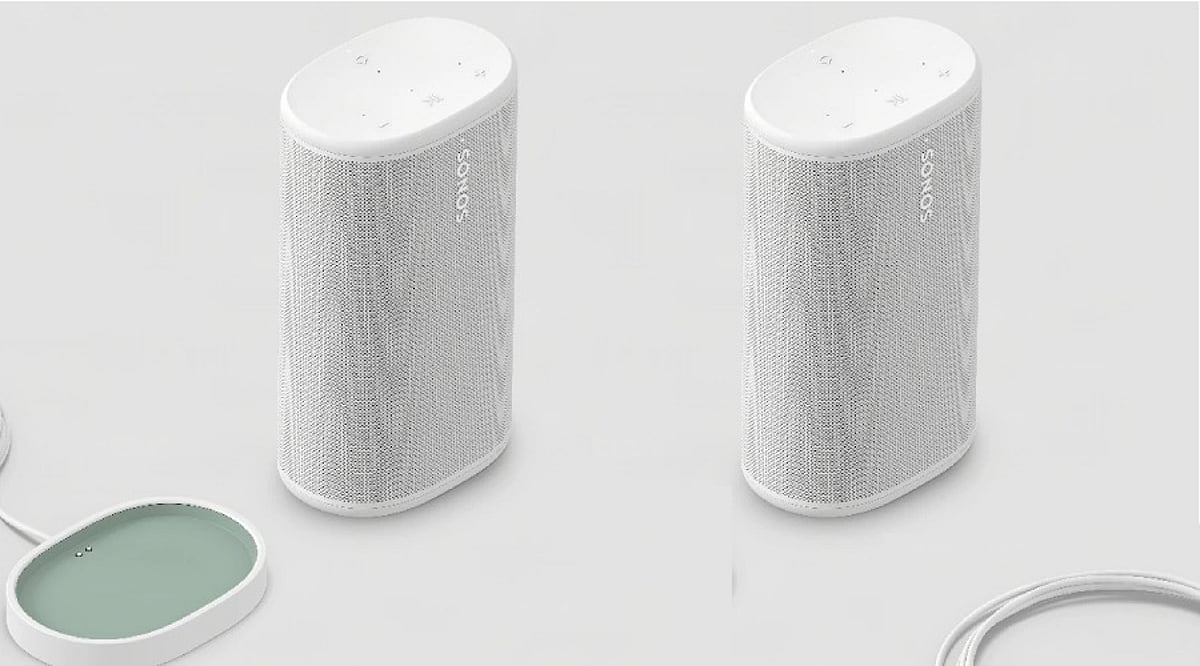
    Sonos has begun rolling out Sonos 27, a major system update that brings artificial intelligence tools and enhanced flexibility to its speaker lineup. Available now on iPhone, Android, and compatible Sonos speakers, the update introduces Model Context Protocol (MCP) support, enabling AI services like ChatGPT and Claude to interact directly with the audio system.

    With Sonos 27, users can control playback, group speakers, adjust volume, move audio between rooms, and activate features like Night Sound and Speech Enhancement—all through natural language commands via ChatGPT or Claude. This eliminates the need to open the Sonos app for routine tasks.

    Beyond AI, the update adds significant new hardware functionality. Portable Sonos speakers can now serve as rear surround speakers when paired with the Arc Ultra soundbar. The Sonos Ace Ultra headphones also gain the ability to seamlessly transfer audio between the headphones and compatible speakers.

    Sonos is also developing Sonos Voice, a forthcoming voice assistant. Looking ahead to 2027, the company plans to introduce Custom Agents, which would let users build personalized AI agents using their preferred model and voice.

    One of the standout features is the dynamic role adjustment for portable speakers. For instance, two portable Play speakers can act as rear channels for a home theater setup during a movie, then revert to standard portable mode when moved. Sonos’ positioning technology automatically detects their placement and adjusts their function accordingly.

    The overarching theme of Sonos 27 is flexibility. A single speaker can now serve multiple roles throughout the day—supporting a home theater at night and functioning as a regular portable speaker later. Combined with AI-driven voice control, the update streamlines the user experience and adapts to how people actually use their homes.

  • OpenAI’s First AI Hardware: 7 Key Details About the Mystery Gadget

    OpenAI’s First AI Hardware: 7 Key Details About the Mystery Gadget

    OpenAI is moving beyond ChatGPT and into the world of consumer hardware. The company is developing its first mysterious device in collaboration with former Apple design chief Jony Ive. Recent reports suggest it could be a screenless AI companion, not another smartphone or smart speaker.

    1. Jony Ive Is Behind the Design

    The mystery device stems from OpenAI’s partnership with Jony Ive and his design team. That connection has fueled expectations for an unusual, minimalist product. OpenAI acquired Ive’s io Products in 2025 as part of its push into hardware.

    2. It Could Be a Screenless Speaker

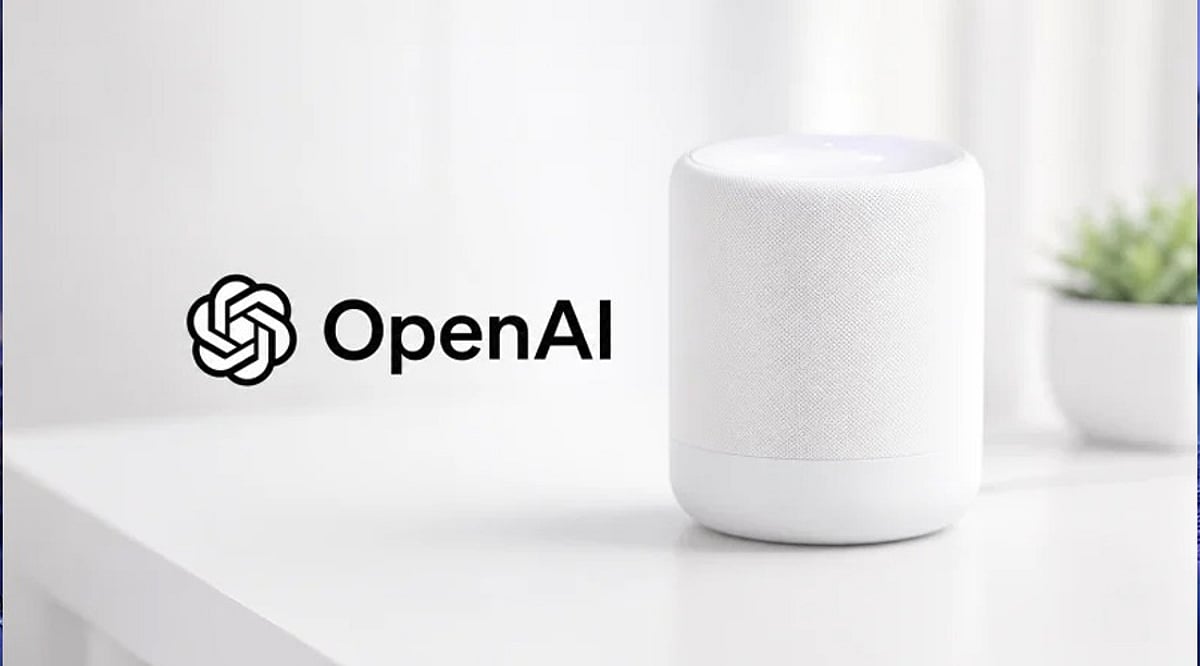
    Reports increasingly describe the first device as a portable, screenless AI speaker. Instead of relying on apps and menus, it would make conversation the primary way users interact with technology. The design is reportedly intended to feel more like a personal companion than a conventional smart speaker.

    3. Think Small, Minimal, and Portable

    The device has been described as roughly hockey-puck-sized, with some reports pointing to a rounded or doughnut-like form. A compact design could allow it to sit on a desk or move around the home. However, OpenAI has not publicly confirmed the final hardware design.

    4. A Camera Could Give It Context

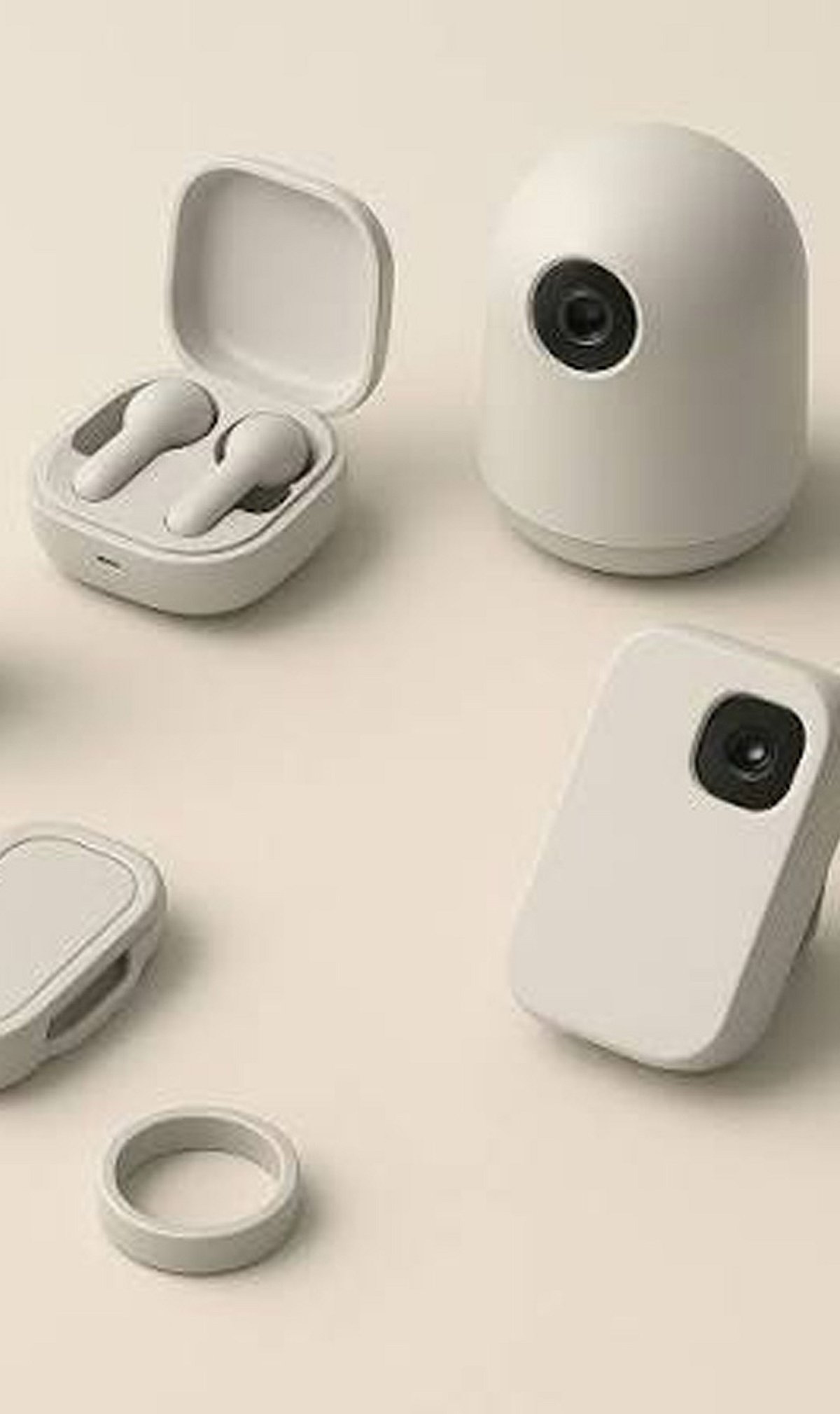
    One intriguing reported feature is a built-in camera. The camera could help the device understand its surroundings and provide more context-aware responses. That would push it beyond a traditional speaker, although the exact camera capabilities and privacy controls remain unknown.

    5. ChatGPT Would Be at Its Core

    The gadget is expected to rely heavily on OpenAI’s AI technology and GPT-Live for natural conversations. Reports suggest it could answer questions, play media, and potentially interact with messages. The larger idea is an AI companion that understands context instead of simply waiting for commands.

    6. It Could Control Your Smart Home

    OpenAI’s hardware vision reportedly extends beyond answering questions. The device could control compatible smart-home accessories and become a central interface for connected devices. That could turn a small AI gadget into a hands-free control hub for everyday activities around the home.

    7. A Built-In Battery Could Change Everything

    Unlike a conventional home speaker, the reported device may include a rechargeable battery. That would make it easier to carry between rooms and use without keeping it permanently plugged in. Portability could therefore become one of the gadget’s defining differences from existing smart speakers.

    The launch timeline may have shifted. OpenAI had previously indicated that its first hardware device was on track for 2026. More recent reporting now points to an early-2027 launch window for the speaker, showing that the timeline remains fluid. Pricing estimates have also varied, with reports putting it in the few-hundred-dollar range.

  • Master Alexa Music Commands: 15+ Essential Tricks for Playback, Discovery, and Control

    Master Alexa Music Commands: 15+ Essential Tricks for Playback, Discovery, and Control

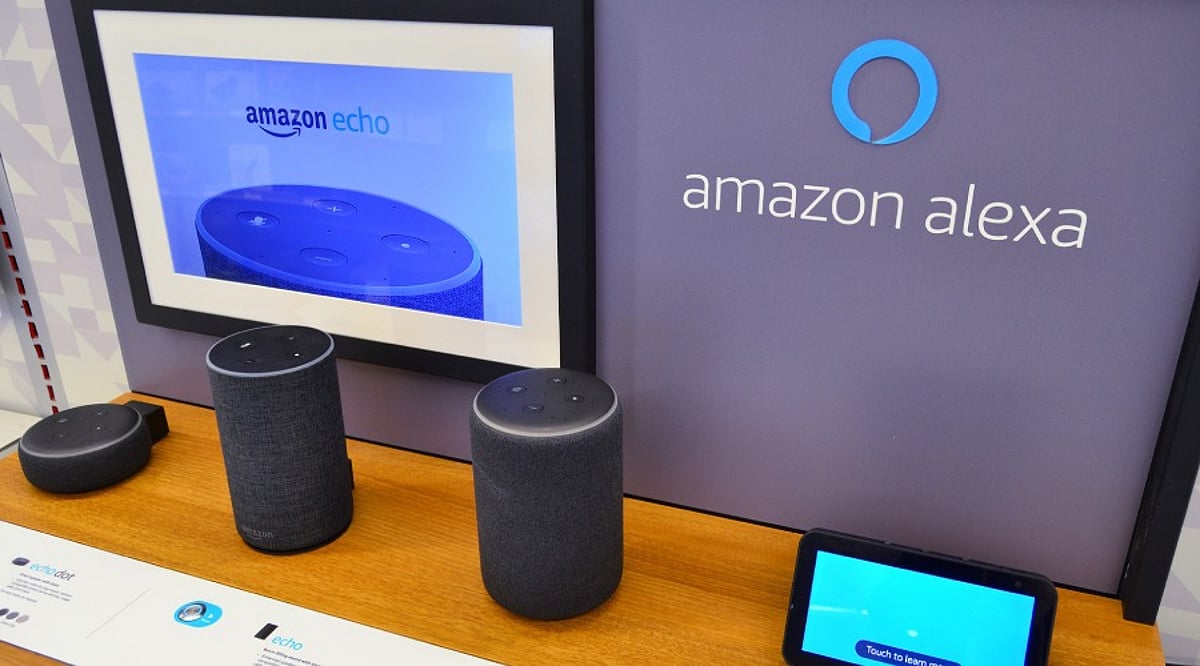
    Amazon Alexa can do much more than play a song when you ask for it. Depending on your device, music service, and available features, Alexa supports commands for genres, artists, albums, playlists, shuffle, repeat, music alarms, and much more. With Alexa+, you also gain conversational music recommendations and AI-generated playlists. Whether you’re a casual listener or a power user, these commands make music control effortless.

    Play Music by Genre, Artist, or Playlist

    You don’t need an exact song title to start listening. Alexa can handle requests by track, album, artist, genre, playlist, or station. Try these commands:

    • “Alexa, play pop music.”
    • “Alexa, play songs by [artist].”
    • “Alexa, play [album name].”
    • “Alexa, play my .”
    • “Alexa, play the latest songs.”

    You can also direct playback to a specific room or device: “Alexa, play songs by Lady Gaga in the kitchen.”

    Shuffle, Repeat, and Loop Songs

    Take full control of your queue with these playback commands:

    • “Alexa, shuffle.” – Randomizes the queue order.
    • “Alexa, repeat.” – Repeats the current song.
    • “Alexa, loop.” – Repeats the entire queue.
    • “Alexa, next.”
    • “Alexa, previous.”
    • “Alexa, pause.”
    • “Alexa, resume.”
    • “Alexa, stop.”

    Availability of these controls depends on the music service you’re using.

    Create and Manage Playlists with Alexa+

    Alexa+ introduces conversational playlist creation. Ask for an AI-generated playlist based on a favorite song:

    “Alexa, I love [song] by [artist]. Create a playlist with similar songs.”

    You can also describe a mood or setting:

    “Alexa, create a playlist with music from Parisian cafes.”

    Additional commands allow you to create an empty playlist, save the current queue, or save recent listening history as a new playlist. Each AI playlist can contain up to 50 songs.

    Add Songs to Existing Playlists

    Easily add songs without opening the app:

    • “Alexa, add what’s playing to my .”
    • “Alexa, add [song] by [artist] to my .”

    Alexa may suggest a playlist name and ask for confirmation before saving. Note that only songs can be added to Amazon Music playlists—no stations, audiobooks, or podcasts.

    Find Music Through Natural Requests

    With Alexa+, you can make detailed requests using natural language:

    • “Alexa, play some nineties dance songs produced in [country/city].”
    • “Alexa, play deep cuts from [artist] from the 2000s.”

    You can also continue a conversation—ask about a song, get an answer, then tell Alexa to play it. Alexa+ can recommend artists and let you choose.

    Set a Music Alarm

    Wake up to your favorite tunes:

    “Alexa, set an alarm for weekdays at 7 AM with music by Pearl Jam.”

    Choose recurring patterns like Mondays, weekdays, or weekends.

    Control Music Across Devices

    When you have multiple Alexa devices, specify where you want playback:

    “Alexa, play [song] in the living room.”

    Direct music to a specific area without starting on the device that hears your command.

    Key Commands at a Glance

    Alexa’s music controls go far beyond play and pause. You can search by artist or genre, control queues, create and manage playlists, request recommendations, direct playback to another device, and even wake up to music. Alexa+ expands these options with conversational recommendations and AI-generated playlists. Feature availability varies by device, music service, and region, so some commands may not work in every setup.

    Frequently Asked Questions

    • What music commands can Alexa understand? Alexa understands commands to play songs, artists, genres, playlists, and albums; control playback; set alarms; and direct music between devices.
    • Can Alexa create music playlists? Alexa+ can create AI-generated playlists based on favorite songs, similar tracks, moods, settings, and specific preferences.
    • How many songs can an Alexa+ playlist contain? Up to 50 songs from similar artists based on a user’s favorite track.
    • Can Alexa add songs to existing playlists? Yes, users can ask Alexa to add currently playing songs or specific tracks to a named playlist.
    • Can Alexa set a music alarm? Yes, Alexa can set recurring music alarms using specified artists or songs, with schedules like weekdays.

  • OpenAI Partners With Jony Ive on a Premium Screen-Free AI Smart Speaker

    OpenAI Partners With Jony Ive on a Premium Screen-Free AI Smart Speaker

    OpenAI is reportedly preparing to enter the consumer hardware market with its first AI-powered smart speaker, developed in collaboration with former Apple design chief Jony Ive. According to Bloomberg, the device will lack a traditional display and instead function as an AI companion driven entirely by voice interactions through ChatGPT.

    The device is expected to launch in 2027 and is likely to cost more than $300. Unlike existing smart speakers like the Amazon Echo or Google Nest, this product is being built from the ground up as an AI-native computer, with no touchscreen interface. Instead, it will rely on cameras, microphones, sensors, and lighting components, along with movable parts that respond to user interactions. The speaker is said to have a doughnut or hockey puck shape, small enough to be carried around the home.

    Jony Ive is playing a leading design role through his hardware startup io, bringing his signature minimalistic aesthetic to the project. The design is not expected to mimic any Apple product, but rather create a distinct identity for OpenAI’s hardware.

    OpenAI has confirmed that it is exploring a family of AI-powered devices but has not yet provided official product specifications or launch timelines. This screen-free speaker represents a significant step toward building an ecosystem of AI-powered consumer hardware, extending ChatGPT beyond smartphones and computers into everyday living spaces.

    If the timeline holds, OpenAI will enter a market currently dominated by Amazon, Google, and Apple. However, rather than competing on smart home controls, OpenAI is betting on conversational AI as the core user experience. The device could reshape how people interact with artificial intelligence at home.

  • 7 Essential Tech Gadgets to Boost Safety, Health, and Independence for Seniors

    7 Essential Tech Gadgets to Boost Safety, Health, and Independence for Seniors

    Technology can make everyday life safer, healthier, and more convenient for seniors. From health monitoring to easier communication, these gadgets are designed to improve independence. Here are seven smart devices every older adult should consider.

    Smartwatch with Health Monitoring

    A smartwatch can track heart rate, blood oxygen, sleep, and daily activity. Many models also include fall detection and emergency SOS features. Medication reminders help users stay on schedule. It is a reliable companion for everyday health monitoring.

    Voice Assistant Smart Speaker

    Smart speakers respond to simple voice commands. Seniors can ask about weather, news, reminders, or play their favorite music without touching a screen. They also make hands-free calls and control compatible smart home devices. Daily tasks become easier and more enjoyable.

    Video Calling Tablet

    A large-screen tablet makes staying connected effortless. Seniors can enjoy crystal-clear video calls with family and friends from anywhere. The simple interface makes navigation easy even for beginners. It also supports entertainment, reading, and online learning.

    GPS Medical Alert Device

    A wearable GPS medical alert device offers peace of mind both indoors and outdoors. With one press, users can quickly contact emergency services or caregivers. Many devices also include fall detection and real-time location tracking. Safety is always within reach.

    Robot Vacuum Cleaner

    Cleaning becomes effortless with a robot vacuum. It automatically removes dust and debris while avoiding obstacles. Scheduled cleaning keeps floors tidy without physical strain. Seniors can enjoy a cleaner home with minimal effort.

    Digital Photo Frame

    A Wi-Fi-enabled digital photo frame continuously displays family photos without manual updates. Loved ones can send new pictures instantly from anywhere. Bright displays bring cherished memories to life every day. It helps seniors stay emotionally connected with family.

  • Morning Briefing: ASML’s AI Boom, OpenAI’s First Hardware, and High-Paying Degrees

    Morning Briefing: ASML’s AI Boom, OpenAI’s First Hardware, and High-Paying Degrees

    ASML Lifts Guidance Again on Surging AI Chip Demand

    Dutch semiconductor equipment leader ASML has raised its financial outlook for the second time this year, citing robust demand for its advanced lithography systems used in AI chip production. The company’s order backlog remains strong as major chipmakers continue expanding AI compute capacity. ASML expects AI infrastructure spending to remain a key growth driver despite broader economic uncertainties.

    Top Bachelor’s Degrees for Highest Salaries in 2026

    A new analysis reveals that bachelor’s degrees in engineering, computer science, and healthcare offer the best earning potential and job stability. Employers are prioritizing specialized technical skills, steering students toward fields that align with tech-driven industry shifts.

    Europe’s Founder Factories Accelerate Startup Growth

    Europe’s startup ecosystem is being transformed by “founder factories” like Antler, which combine funding, mentorship, and operational support to launch multiple high-growth companies. This model is cultivating serial entrepreneurs and strengthening the region’s position on the global innovation map.

    Best Crypto Exchanges for Beginners in 2026

    Cryptocurrency exchanges are increasingly focusing on user-friendly interfaces, educational resources, and robust security to attract newcomers. This guide ranks platforms by ease of use, fees, and available cryptocurrencies, helping beginners choose reliable entry points into the volatile market.

    OpenAI’s First Consumer Device Rumored to Be a Screenless Smart Speaker

    OpenAI is reportedly developing its debut hardware product—a voice-first smart speaker without a screen. If launched, it would mark the company’s entry into the consumer electronics space, extending its AI capabilities beyond software.

  • OpenAI Reportedly Developing Screen-Free AI Smart Speaker as First Consumer Hardware

    OpenAI Reportedly Developing Screen-Free AI Smart Speaker as First Consumer Hardware

    OpenAI is reportedly making its first foray into consumer hardware with a portable, screen-free smart speaker powered by ChatGPT. According to a recent report, the device is designed as an AI companion for the home, emphasizing natural voice interaction over a traditional display.

    Unlike conventional smart speakers, this new device is expected to feature a self-recharging battery, allowing users to carry it from room to room. It will also include a camera and various sensors to understand its environment and respond contextually. The speaker will manage smart home devices, play music, answer questions, handle messages, and provide access to ChatGPT, likely leveraging the advanced GPT-Live voice technology.

    One of its standout features is a mechanism that enables physical movement, adding a new dimension to home AI interaction.

    Design Team Led by Jony Ive

    The project reportedly involves Jony Ive, the former Apple design chief, and his firm LoveFrom, along with former Apple employees. This comes after OpenAI’s $6.5 billion acquisition of the AI hardware startup founded by Ive. Notably, Apple has filed a lawsuit against OpenAI, accusing the company and former Apple employees of misusing trade secrets in the development of consumer hardware. OpenAI has denied the allegations and declined to comment on the latest reports.

    Potential Launch Timeline

    While OpenAI has not officially announced the product, rumors suggest the smart speaker could be unveiled later this year and hit the market in 2027. The company is also working on other AI hardware projects beyond ChatGPT.