Tag: smart speakers

  • AI vs Smart Speakers: How Generative AI Is Revolutionizing Home Audio

    AI vs Smart Speakers: How Generative AI Is Revolutionizing Home Audio

    Introduction

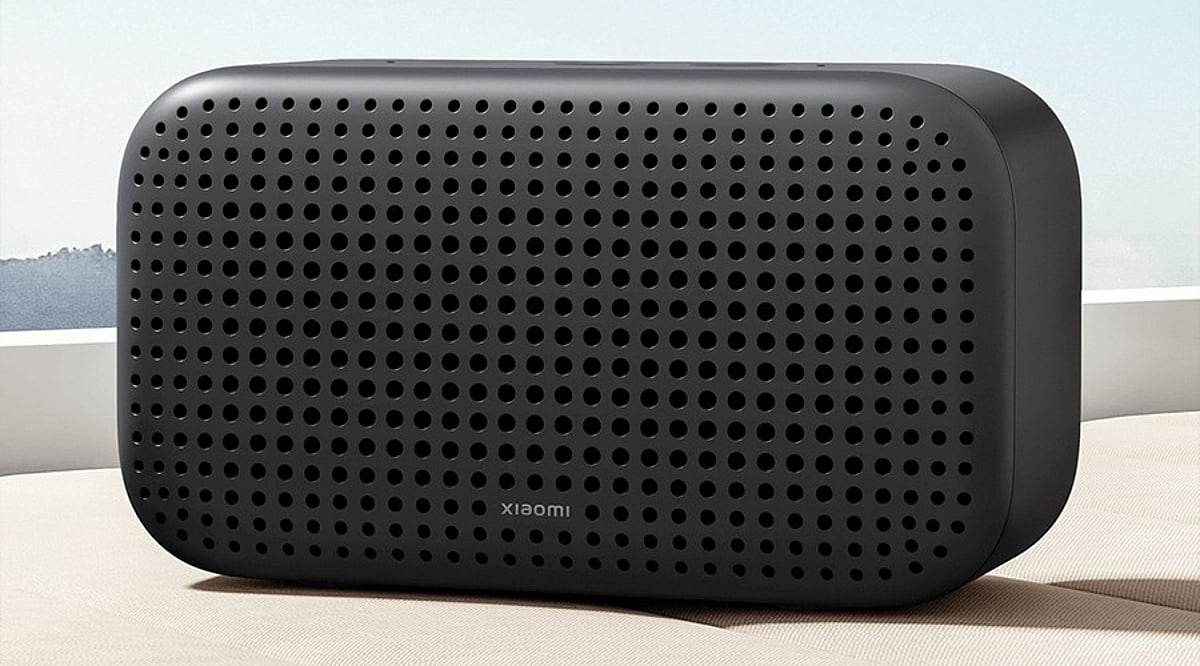
    Smart speakers have long served as convenient voice-controlled home assistants. They play music, answer questions, set alarms, and control connected devices. But the latest generation is moving beyond those basic commands. Generative AI is transforming how speakers understand conversations and follow instructions. Google’s Gemini for Home and Amazon’s Alexa+ represent this shift, making interactions more natural and capable.

    What Makes an AI Speaker Different

    Traditional smart speakers typically depend on predefined commands. Users often need to phrase requests in specific ways. AI-powered speakers are designed to understand more natural conversations. Google’s Gemini for Home supports follow-up questions and multi-step requests, allowing users to combine several actions within one conversation. The system maintains context, making the speaker feel less like a remote control and more like a conversational partner. However, not every AI-enabled speaker offers the same capabilities, so buyers should check specific features.

    From Voice Commands to Natural Conversations

    The biggest change is conversational interaction. Traditional assistants work best with short, direct instructions. Newer AI assistants handle longer requests and follow-up questions. According to Google, Gemini for Home can understand complex, multi-step commands and combine media controls with smart-home actions. Amazon’s Alexa+ takes a similar direction, described as a more conversational assistant powered by generative AI. It helps with shopping, smart-home control, recommendations, and other activities. For users, the practical benefit is simpler interaction—focus on the task instead of remembering exact commands.

    Smart Home Control Is Becoming More Intelligent

    Smart speakers are increasingly control centers for connected homes. Lights, thermostats, cameras, locks, and entertainment systems can be managed through voice. AI adds another layer to these controls. Gemini for Home can handle multiple smart-home actions within a single request and search camera history using natural language. Google also started rolling out Home MCP in early access, allowing selected external AI agents to interact with Google Home devices. This points toward more flexible AI-powered home automation, but security remains important—users should understand which services can access home devices.

    Audio Quality Still Matters

    Smarter software does not automatically produce better sound. A speaker remains an audio product first. Buyers should consider room size, speaker placement, bass response, clarity, and multi-room support. Music listeners may care more about acoustic performance than advanced assistant features. The latest Google Home Speaker combines Gemini features with 360-degree audio, while Amazon’s ecosystem includes models for different room sizes and audio needs. The best choice depends on both sound quality and assistant capabilities.

    Privacy and Subscription Costs Need Attention

    AI-powered speakers process more complex requests, raising questions about recordings, personalization, and data access. Users should review microphone controls and privacy settings before enabling advanced features. They should also check whether important AI functions require a subscription. Google’s Gemini for Home offers additional capabilities through Google Home Premium, and Alexa+ has different access arrangements depending on market and subscription status. These costs can change the value of an otherwise attractive speaker.

    Which Speaker Should You Choose?

    A traditional smart speaker can still handle basic tasks like music playback, timers, weather updates, and simple home controls. An AI speaker makes more sense for users who want richer conversations, multi-step commands, and contextual responses. The decision should also consider your existing ecosystem: Android users may prefer Google Home integration, while Alexa users may already have compatible devices. The smart speaker is not disappearing—it is becoming more capable. The real upgrade is the intelligence behind the microphone, not simply the speaker itself.

    Frequently Asked Questions

    What is the difference between a smart speaker and an AI speaker?

    A traditional smart speaker handles predefined voice commands and basic home tasks. An AI speaker uses more advanced generative AI to understand conversational requests, handle follow-up questions, and process more complex instructions. Exact capabilities vary between products and services.

    What is Gemini for Home?

    Gemini for Home is Google’s AI-powered assistant experience for compatible Google Home devices. It supports follow-up questions, multi-step requests, and certain smart-home actions through natural language.

    What is Alexa+?

    Alexa+ is Amazon’s conversational AI assistant experience using generative AI. It expands what Alexa can understand and accomplish, including smart-home control, shopping, recommendations, and other everyday tasks. Availability varies by market.

    Can AI speakers control multiple smart-home devices?

    Yes, AI-powered speakers can support more complex smart-home requests. Gemini for Home can handle multiple actions within a single request, but compatibility still depends on the devices and ecosystem involved.

    Does an AI speaker provide better sound quality?

    Not necessarily. AI capabilities and audio performance are separate considerations. Buyers should examine room size, speaker placement, bass response, clarity, and multi-room support. Music listeners may prioritize acoustic performance over advanced AI features.
  • The Wireless Audio Boom: How Bluetooth Is Transforming Everyday Listening

    The Wireless Audio Boom: How Bluetooth Is Transforming Everyday Listening

    Bluetooth audio has become an integral part of daily life, moving beyond traditional wired headphones into a vast ecosystem of earbuds, speakers, cars, and smart-home devices. From private listening on the go to shared sound in living rooms, wireless audio now accompanies users almost everywhere. Recent listening trends reflect a steady rise in audio consumption across TVs, vehicles, and connected speakers.

    Earbuds Lead the Charge

    True wireless earbuds have eliminated the hassle of cables, making portable audio more convenient than ever. Modern models increasingly feature active noise cancellation, spatial audio, voice controls, and intelligent assistant integration. Premium TWS products are drawing strong consumer interest as users seek better sound quality, comfort, and seamless device connectivity.

    Open-Ear Audio Gains Momentum

    Open-ear earbuds are carving out a new niche in wireless listening, allowing users to remain aware of their surroundings. Designed for outdoor activities, commuting, and casual use where environmental awareness is key, these devices highlight how Bluetooth audio is evolving beyond traditional in-ear designs.

    Smart Speakers Transform Shared Spaces

    Bluetooth speakers have evolved from simple portable gadgets into connected entertainment hubs. Smart speakers now bring music, podcasts, and voice-controlled functions into bedrooms, kitchens, and living rooms, shifting audio from personal to shared, room-filling experiences.

    Cars Become Audio Hubs

    Wireless audio is deeply integrated into modern vehicles, letting drivers and passengers stream music, podcasts, and calls without any cables. Bluetooth connectivity has turned the car into another major listening environment. As smartphones, infotainment systems, and wireless accessories converge, audio increasingly follows users wherever they go.

    Bluetooth Keeps Getting Smarter

    Bluetooth technology continues to evolve toward more efficient and capable wireless audio. Bluetooth LE Audio and the LC3 codec have already expanded what low-energy connections can support. Emerging developments promise improved data throughput and broader broadcast-style audio experiences.

    The Future Is Wireless

    The Bluetooth audio boom is no longer limited to headphones. Earbuds, speakers, cars, TVs, and smart-home devices are forming a connected audio ecosystem around everyday users. As wireless standards and device intelligence improve, listening is becoming more flexible, social, and deeply integrated into daily routines.

  • The Wireless Audio Revolution: How Bluetooth Is Reshaping Everyday Listening

    The Wireless Audio Revolution: How Bluetooth Is Reshaping Everyday Listening

    Bluetooth has fundamentally changed how people experience sound, liberating audio from wired constraints and embedding it into earbuds, speakers, vehicles, and smart-home systems. From private listening on the go to shared, room-filling sound, wireless audio has become an integral part of daily life. Recent listening trends reveal a surge in audio consumption across TVs, cars, and connected speakers, signaling a permanent shift toward untethered sound.

    Earbuds Lead the Charge

    True wireless earbuds have revolutionized portable audio by eliminating cables entirely. Modern models now pack advanced features such as active noise cancellation, spatial audio, voice assistant integration, and intuitive touch controls. Premium TWS (True Wireless Stereo) products are drawing strong consumer interest as users prioritize sound quality, comfort, and seamless connectivity with their devices.

    Open-Ear Audio Takes Off

    Open-ear earbuds are carving out a new niche in wireless listening, allowing users to stay aware of their surroundings while enjoying audio. This design is ideal for outdoor activities, commuting, and casual listening where environmental awareness is crucial. Their growing popularity underscores how Bluetooth audio is transcending traditional in-ear designs to accommodate diverse lifestyles.

    Smart Speakers Change the Room

    Bluetooth speakers have evolved from simple portable gadgets into sophisticated, connected entertainment hubs. Smart speakers now bring music, podcasts, and voice-controlled functions into bedrooms, kitchens, and living rooms. This transformation marks a shift from personal listening to shared, ambient audio experiences that fill entire spaces.

    Cars Become Audio Hubs

    Wireless audio is also becoming deeply integrated into vehicles, enabling drivers and passengers to stream music, podcasts, and calls without any wires. Bluetooth connectivity has turned the car into yet another major listening environment. As smartphones, infotainment systems, and wireless accessories converge, audio increasingly follows users wherever they go.

    Bluetooth Keeps Getting Smarter

    Bluetooth technology itself is advancing rapidly, delivering more efficient and capable wireless audio. The introduction of Bluetooth LE Audio and the LC3 codec has expanded what low-energy wireless connections can support, improving battery life and sound quality. Emerging developments promise even greater data throughput and broader broadcast-style audio experiences, paving the way for more innovative use cases.

    The Future Is Wireless

    The Bluetooth audio boom is no longer confined to headphones. Earbuds, speakers, cars, TVs, and smart-home devices are converging into a connected audio ecosystem that surrounds everyday users. As wireless standards and device intelligence improve, listening is becoming more flexible, more social, and more deeply woven into daily routines. The age of untethered sound is here, and it is only accelerating.

  • Bluetooth vs Smart Speakers in 2026: Choosing the Right Audio Companion for Portability or Smart Home Integration

    Bluetooth vs Smart Speakers in 2026: Choosing the Right Audio Companion for Portability or Smart Home Integration

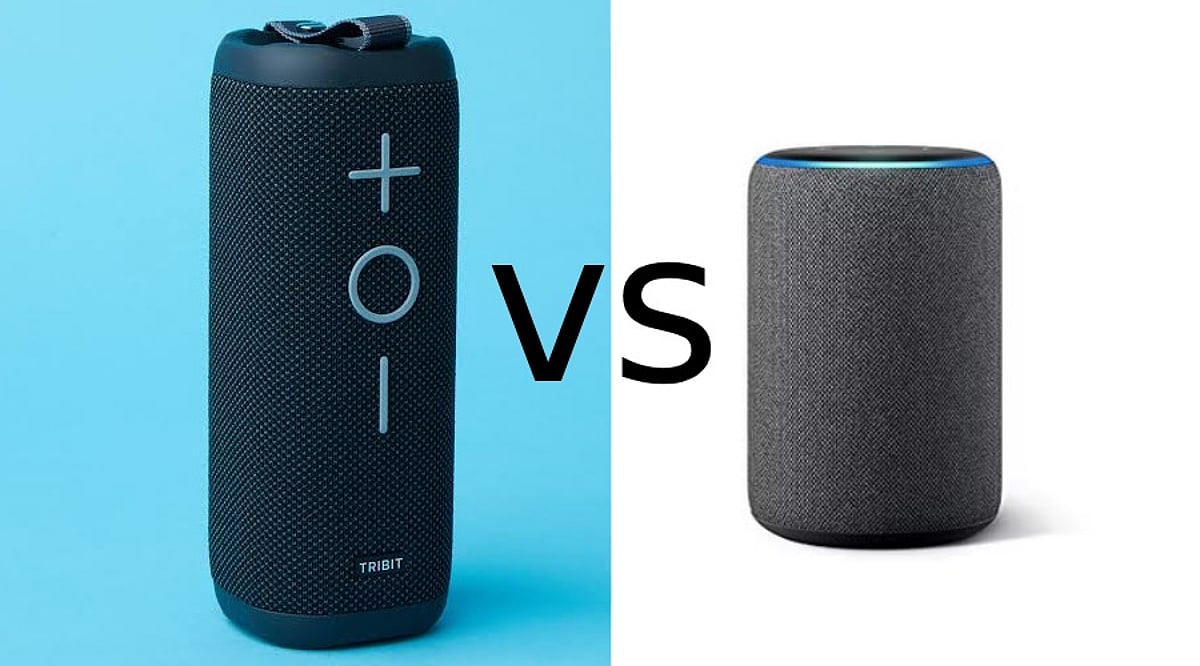
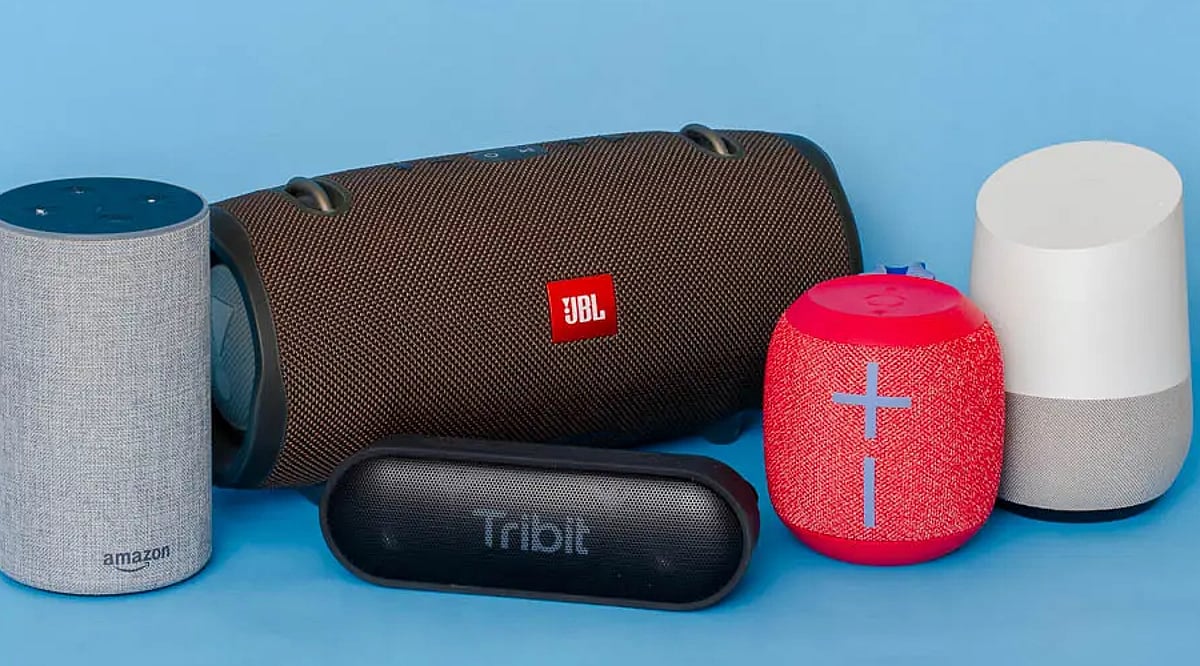
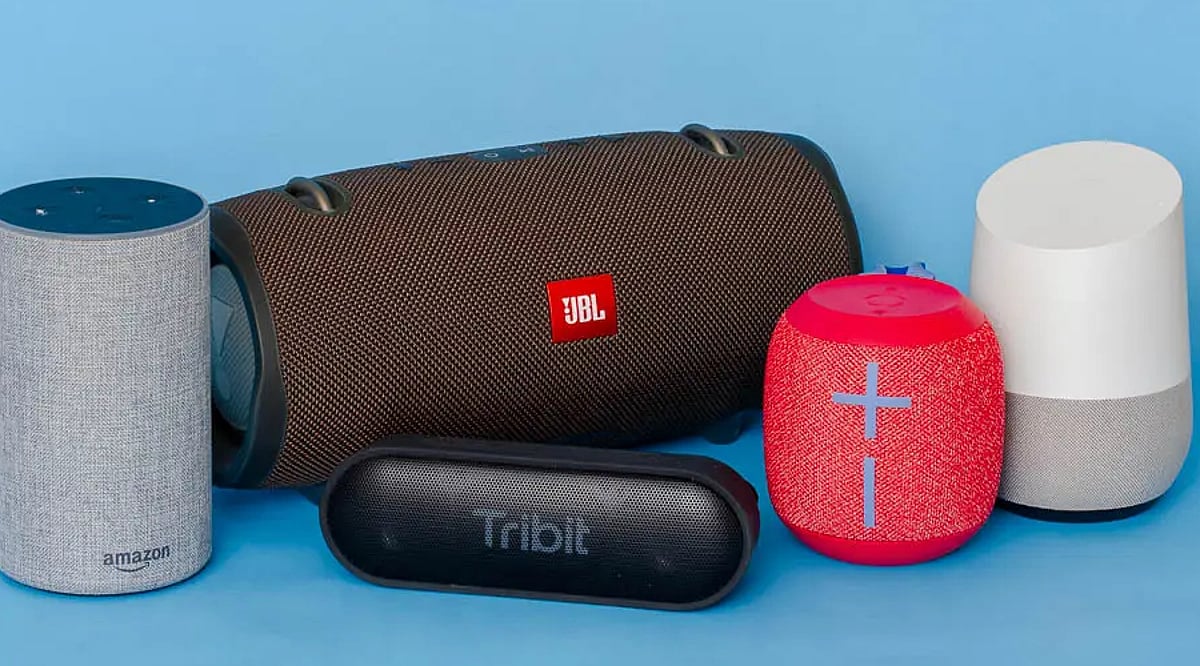
    Bluetooth speakers and smart speakers have evolved well beyond their original roles. A Bluetooth speaker is no longer just a portable music device, while a smart speaker has become much more than a voice assistant. Both now offer impressive sound quality, wireless connectivity, and smart features, but they cater to different needs. If portability tops your list, a Bluetooth speaker is the obvious choice. If you’re building a connected home, a smart speaker offers much more than music. Here’s how the two compare in real-world use.

    Sound, Features, Everyday Experience Compared

    Bluetooth Speakers

    Bluetooth speakers come with portability in mind. Connect them to your phone or computer, and you’re good to go almost anywhere without relying on Wi-Fi. They’ve become quite powerful in terms of sound quality, with high-end models producing more bass and better stereo than previous generations. Portable speakers are generally designed for outdoor use with water and dust resistance. Several newer models include fast charging, multi-speaker pairing, and app-based sound customization, making them far more versatile than simple wireless speakers.

    • Wireless Bluetooth 5.3/5.4 connectivity
    • Up to 24–30 hours of battery life
    • IP67/IP68 water and dust resistance
    • Portable and travel-friendly design
    • Multi-speaker pairing support
    • USB-C fast charging

    Smart Speakers

    Smart speakers are designed for homes where convenience matters as much as entertainment. Besides streaming music, they respond to voice commands, answer questions, set reminders, and control compatible smart home devices. Most models support Wi-Fi and Bluetooth, giving users flexibility while keeping cloud-based features available. Modern smart speakers offer significantly improved indoor sound thanks to room calibration and multi-room audio. Speech recognition has become more conversational.

    • Built-in Alexa or Google Assistant
    • Wi-Fi and Bluetooth connectivity
    • Smart home automation support
    • Multi-room audio playback
    • Voice-controlled reminders and routines
    • Music streaming integration

    Bluetooth Speaker vs Smart Speaker: Quick Comparison

    A side-by-side comparison shows that Bluetooth speakers excel in portability, battery life, and outdoor durability, while smart speakers win on voice control, smart home integration, and room-filling sound for indoor use.

    Top Bluetooth and Smart Speakers to Consider

    JBL Charge 6

    The JBL Charge 6 is one of the most powerful portable Bluetooth speakers of 2026. It features Bluetooth 5.4 connectivity, AI Sound Boost technology, a durable IP68 housing, and up to 28 hours of battery life.

    Sony ULT Field 3

    This Sony speaker focuses on deep bass with a dedicated ULT button that increases low frequencies instantly. It offers a durable IP67 housing and long battery life, making it perfect for both indoor and outdoor use.

    Amazon Echo (4th Generation)

    The Amazon Echo (4th Gen) is a versatile smart speaker for households. With Alexa inside, it controls Matter-compatible smart home devices and plays multi-room music via Wi-Fi and Bluetooth. A 3-inch woofer and dual tweeters deliver balanced sound.

    Google Nest Audio

    Google Nest Audio is designed for users invested in Google’s ecosystem. It delivers clear vocals, balanced bass, and seamless Google Assistant integration. Voice Match support, Chromecast built-in, and stereo pairing make it an excellent everyday smart speaker.

    Final Analysis

    A Bluetooth speaker remains the better choice for users who value portability, battery life, and offline listening. Whether you are traveling, hosting an outdoor event, or just listening to music without needing the internet, it is convenient in all respects. However, a smart speaker not only provides sound but also becomes part of your smart home, helping you control appliances and giving you information using simple voice commands. Both products work efficiently in different settings. If your speaker is going wherever you go, choose Bluetooth. If it’s staying in your living room and becoming part of your daily routine, a smart speaker is the more capable investment.

    Frequently Asked Questions

    Which is better for outdoor use: Bluetooth speaker or smart speaker?

    Bluetooth speakers are better suited for outdoor use because they offer rechargeable batteries, portable designs, water-resistant builds, and do not require a Wi-Fi connection to stream music from your devices.

    Do smart speakers work without an internet connection?

    Most smart speakers can play audio through Bluetooth without Wi-Fi, but features like voice assistants, music streaming, smart home controls, and online information require an active internet connection.

    Are Bluetooth speakers louder than smart speakers?

    Bluetooth speakers are often designed for higher outdoor volume and stronger bass, while smart speakers focus on delivering balanced, room-filling sound and clearer vocals for indoor listening experiences.

    Can Bluetooth speakers connect to multiple devices?

    Many modern Bluetooth speakers support multi-device pairing, allowing users to switch between connected devices easily. Some models also support stereo pairing or multi-speaker connectivity for enhanced audio performance.

    Which speaker should I buy in 2026?

    Choose a Bluetooth speaker if portability and battery life matter most. Pick a smart speaker if you want voice control, smart home integration, and a connected audio experience at home.

  • Essential Smart Home Categories to Prioritize on Prime Day

    Essential Smart Home Categories to Prioritize on Prime Day

    Prime Day is the perfect opportunity to upgrade your home with the latest smart technology. From voice assistants to automated cleaning, here are the top smart home categories worth exploring during the sales event.

    Smart Speakers

    Voice assistants simplify everyday tasks by controlling connected devices, playing music, answering questions, and managing schedules with simple voice commands.

    Smart Displays

    Interactive screens combine entertainment, video calling, smart home controls, and digital assistants for a connected and convenient household experience daily.

    Smart Lighting

    Wi-Fi-enabled bulbs and light strips offer customizable brightness, colors, schedules, and energy savings through smartphone apps or voice assistants effortlessly.

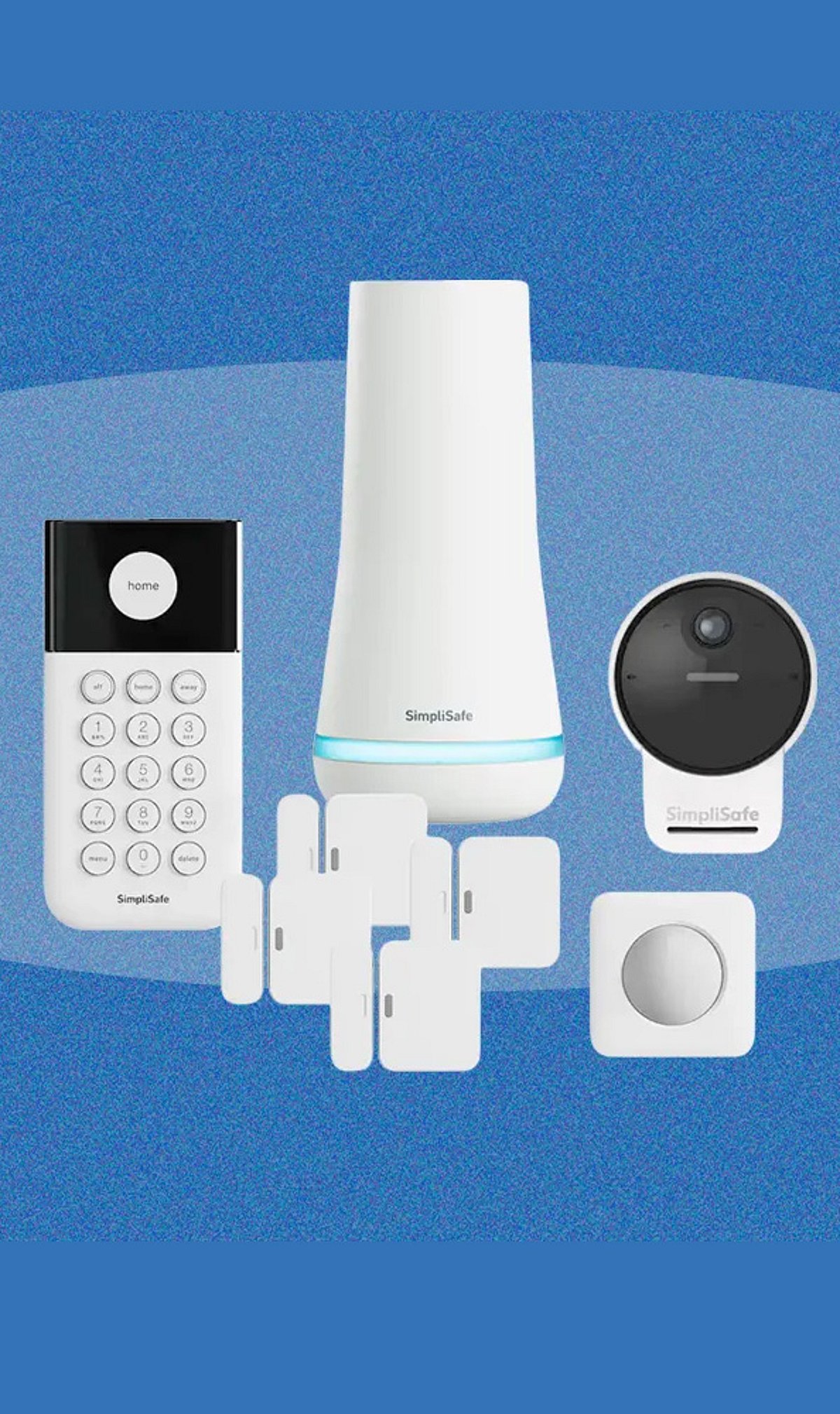
    Smart Security Cameras

    Indoor and outdoor cameras provide live monitoring, motion detection, cloud storage, and instant alerts to enhance home security around-the-clock.

    Video Doorbells

    See, hear, and communicate with visitors remotely while receiving motion notifications, ensuring better security and convenience wherever you are.

    Robot Vacuums

    Automated cleaners intelligently navigate floors, remove dust, and reduce daily household chores while integrating seamlessly with smart home ecosystems.

    Smart Thermostats

    Intelligent temperature control learns your preferences, improves comfort, reduces energy consumption, and helps lower electricity bills throughout every season.

    Smart Plugs

    Convert ordinary appliances into connected devices with scheduling, remote operation, and voice control without replacing existing household electronics.

    Smart Kitchen Appliances

    Connected coffee makers, air fryers, and ovens simplify meal preparation through app-based controls, automation, and personalized cooking settings.