
Tag: smartphone features

  • 10 Hidden Smartphone Features That Will Transform Your Daily Use

    10 Hidden Smartphone Features That Will Transform Your Daily Use

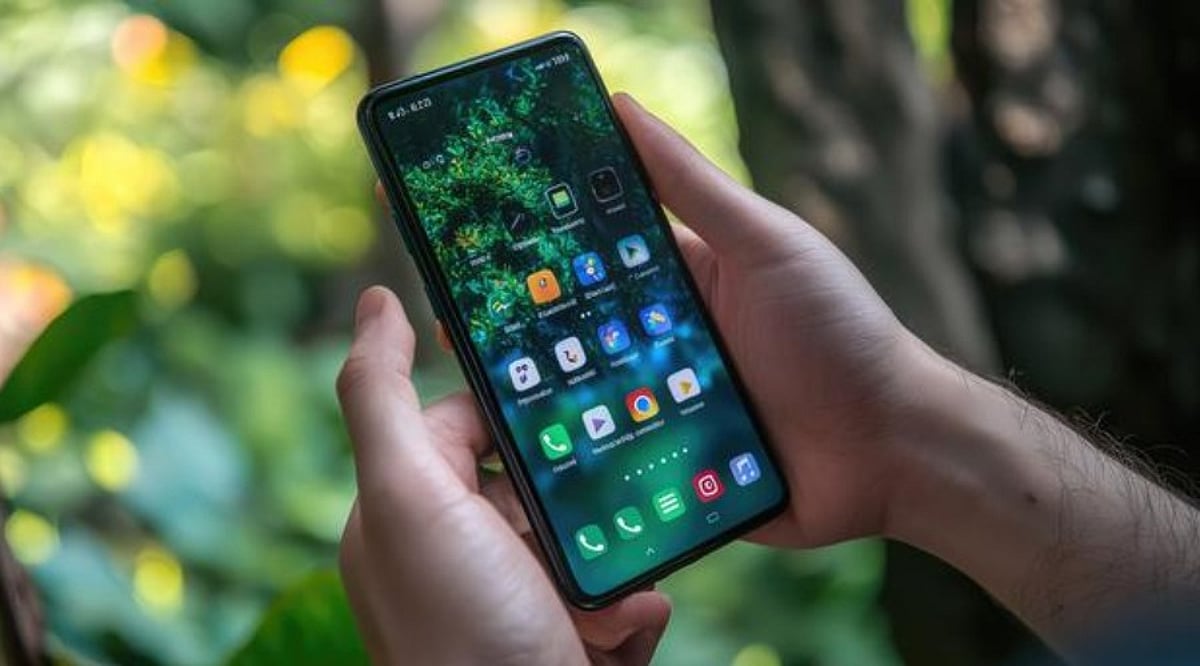
    Your smartphone is capable of far more than making calls and running apps. Many powerful tools remain hidden in menus and settings, waiting to be discovered. Both Apple and Google have added practical features that can boost productivity, enhance privacy, extend battery life, and simplify everyday tasks. The best part? You may already own a phone with these features—you just need to know where to find them. Here are several hidden smartphone features worth trying.

    Circle to Search: Find Anything on Your Screen

    Android users can search for items directly from their screen using Google’s Circle to Search. Simply press and hold the navigation handle or Home button, then circle, highlight, or tap something displayed on your screen. Google will search the selected text, image, or object, and you can even translate content without leaving the current app. This is especially useful while shopping or browsing social media—identify products without manually typing their names. The feature is available on selected Android devices, including Pixel 6 models.

    Lock or Hide Private Apps

    Your phone may contain apps you’d rather keep private. iPhones offer built-in options to lock or hide supported apps. Press and hold an app icon on the Home Screen, then choose the option requiring Face ID, Touch ID, or your passcode. You can also hide eligible downloaded apps completely; they move into a dedicated Hidden folder within the App Library. This helps protect banking, messaging, or personal applications, even when someone temporarily uses your unlocked phone. Android phones also offer similar privacy tools—check your device’s security settings for available options.

    Turn Search into a Quick Action Tool

    Many people use smartphone search only for finding apps, but on iPhone, Spotlight can do much more. Swipe down from the middle of the Home Screen, then type the information or action you need. Search can find contacts, messages, emails, photos, settings, and applications. On supported software, it can also trigger certain actions directly—for example, search for a setting and change it, or search for a contact and quickly start a communication. This can save several taps throughout the day.

    Use Focus Modes for Different Parts of Life

    Notifications can quickly become a distraction. Modern smartphones provide more control than simply switching on silent mode. iPhone Focus lets you create profiles for different situations—work, sleep, driving, or personal time. Each Focus can control which people and apps can notify you, and you can automate Focus modes around specific schedules or locations. Android phones offer comparable tools through notification and digital wellbeing settings. A customized Focus setup can reduce unnecessary interruptions while keeping important notifications from getting lost.

    Turn Your Phone into a Smart Display

    An iPhone can become a useful bedside display while charging with Apple’s StandBy feature. When the phone is positioned horizontally, it can show clocks, widgets, photos, and other information. Widgets provide quick access to calendars and reminders, and you can customize the information shown according to your routine. This feature is especially handy beside a bed or workspace, giving an older charging habit a more useful purpose.

    Check Battery Insights Before Blaming the Battery

    Battery problems aren’t always caused by an aging battery—background activity can sometimes explain unusually high power consumption. Recent iPhones provide battery usage charts and activity information, showing which apps and system processes consume the most power. Apple also provides battery suggestions and Insights that can flag settings affecting battery life. Some newer iPhones support Adaptive Power, which adjusts settings when daily usage becomes unusually high. Android devices offer similar battery dashboards and adaptive battery features. Checking these reports can quickly reveal power-hungry apps.

    AI Features Are Becoming Smartphone Shortcuts

    AI is changing how people use smartphones. Newer devices can handle tasks that once required separate applications. On supported iPhones, Apple Intelligence works across several system experiences, including writing assistance, image editing, visual intelligence, and Siri AI. Android manufacturers are adding comparable AI tools to newer devices. Availability depends on the phone, software version, language, and region. Many smartphone features are already available without downloading another app. Spend a few minutes exploring your settings this month—you may discover tools that make your phone far more useful.
  • 10 Game-Changing Smartphone Innovations Expected Before 2030

    10 Game-Changing Smartphone Innovations Expected Before 2030

    The smartphone industry has entered a new phase. Earlier, most improvements focused on faster processors, better cameras, and brighter displays. That trend has started to change. Artificial intelligence, satellite communication, and advanced hardware now lead the next wave of innovation. Many companies have already introduced early versions of these technologies, while others have shared plans that point toward even bigger changes before 2030. The next few years could bring smartphones that understand daily routines, complete tasks without constant instructions, and stay connected in places where mobile networks do not exist. These improvements could change the way millions of people use smartphones every day.

    1. AI as a Personal Assistant

    Artificial intelligence has already become a major part of modern smartphones. At present, AI helps with writing, photo editing, and quick searches. Before 2030, its role could become much larger. Instead of waiting for commands, AI could complete full tasks from start to finish. For example, a smartphone could search for flights, compare hotel prices, reserve a room, and arrange local transport after a simple request. Email replies could match the user’s writing style, while grocery orders could appear based on regular shopping habits. Calendar events, reminders, and travel plans could stay organized without manual effort. Several smartphone makers have already started work on advanced AI systems that connect across phones, tablets, and computers, which shows that this future has already begun.

    2. Smartphones Could Understand Daily Life

    Future smartphones may become much smarter since they could understand everyday situations instead of reacting to simple commands. They may combine information from location services, calendars, health records, and previous habits to predict what happens next. Imagine someone who leaves work much later than usual. A future smartphone could automatically send a message to family members, arrange transport, update navigation, and adjust evening plans without extra steps.

    3. Satellite Communication Could Reach Everyone

    The whole world is not covered by mobile networks. There are various areas such as mountains, jungles, deserts, and seas that have little or no signal at all. Satellite communication could be the solution to this problem before the decade is over. Some high-end smartphones can send emergency satellite text messages already. Future versions will likely support voice calls, standard text messaging, and normal communication via satellites, regardless of the presence of mobile towers.

    4. Foldable Phones Could Finally Feel Normal

    Foldable smartphones have improved every year, but many people still worry about thick designs, visible display creases, and long-term durability. Manufacturers have spent years solving these problems. Before 2030, foldable phones could become thinner, lighter, and much stronger. Better hinge systems, titanium support structures, and stronger display materials may reduce the crease that appears in the middle of the screen. New designs could also improve comfort during daily use. As durability continues to improve, foldable smartphones may become as common as traditional phones.

    5. Cameras Could Capture Better Photos Automatically

    Instead of waiting until after a photo appears, AI could improve the entire process before the shutter button receives a tap. Automatic framing, smarter lighting adjustments, object removal, and advanced video stabilization could happen instantly. Continuous image buffering may even save moments that happen just before the photo. These improvements could help every picture look more natural without extra editing.

    6. Bigger Batteries Could End Daily Charging

    With the help of silicon battery technology and advancements in battery development, batteries could last two to three days before needing to be connected to a power source. Furthermore, as fast charging technology develops, a minimal time of charging will be needed to ensure sufficient battery power for the day ahead.

    7. Privacy Could Become Much Stronger

    Artificial intelligence could process more information directly inside the phone instead of sending data to cloud servers. Hardware privacy switches may disable cameras and microphones whenever necessary. Intelligent permission controls could also detect suspicious app behavior before personal information becomes exposed. These improvements could offer stronger protection without reducing convenience.

    8. 6G Could Unlock a New Level of Speed

    Although 5G still continues to expand across many countries, research on 6G has already started. International technology groups have begun work on standards that could shape the next generation of wireless communication. Before 2030, some smartphones may become ready for 6G networks. This technology could deliver much lower delays, faster connections, and better support for artificial intelligence. Advanced augmented reality, virtual reality, and even holographic communication may become possible given these faster networks. While full deployment may take time, smartphone companies have already started preparation for this future.

    9. Smartphones Could Connect Every Device

    A phone may remember ongoing work across every connected device without interruption. Files, notes, copied text, and even AI conversations could move instantly from one screen to another. Artificial intelligence could also remember previous interactions across multiple devices and continue tasks without requiring users to repeat information. Several manufacturers have already introduced early versions of this connected ecosystem, and more advanced features could arrive during the next few years.

    10. Displays Could Become Smarter and More Comfortable

    Display technology continues to improve every year, and the next generation could focus on comfort as much as picture quality. Future smartphone displays may adjust brightness and refresh rates more intelligently based on surrounding conditions. Outdoor visibility could become much better, while eye strain during long hours of use may decrease. Foldable display technology could also become stronger and more reliable. Privacy display modes may reduce the chance of people nearby viewing sensitive information. These improvements could make smartphones more comfortable for work, entertainment, and everyday communication.

    The Future Has Already Started

    Although many of the aspects mentioned above may seem futuristic, some have already taken form in a rudimentary way. The development of AI has made it more intelligent. Smartphones are becoming lighter and more durable, satellite communication is improving, and battery technology is advancing every year with the aid of research on 6G networks. By the year 2030, smartphones might evolve to give people a helping hand not only as means of communication but as intelligent companions that can recognize their owner’s routine as well as help them in their everyday life.