
Tag: smartphone market

  • How Apple’s Price Hikes Are Driving Refurbished iPhone Demand in India

    How Apple’s Price Hikes Are Driving Refurbished iPhone Demand in India

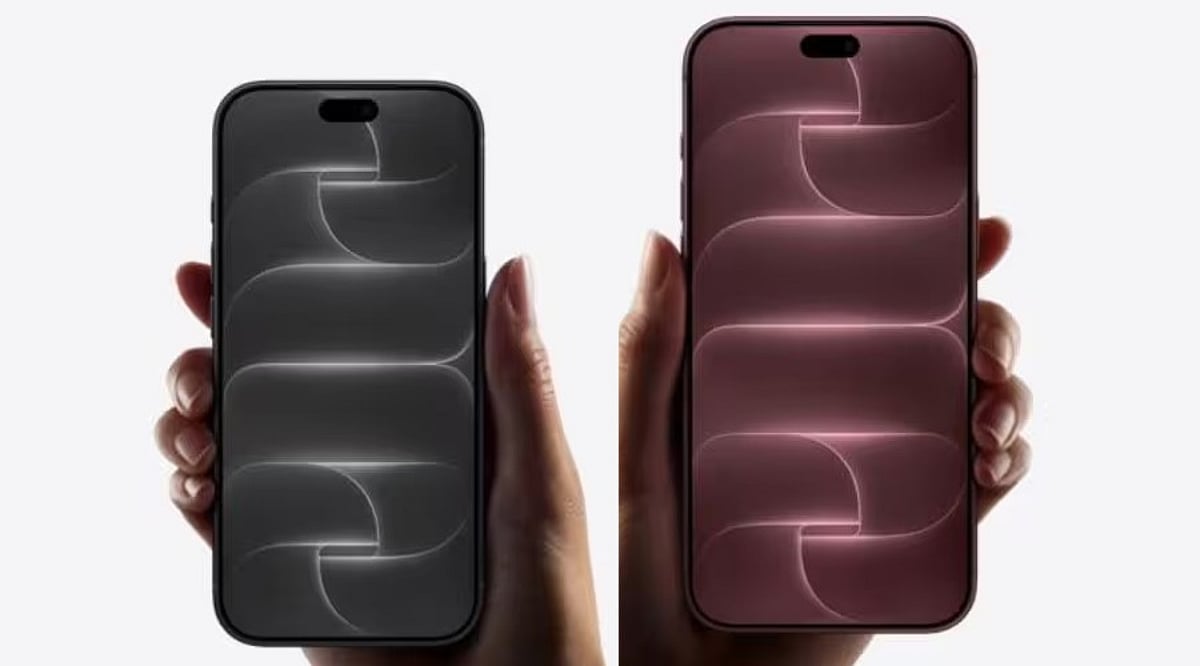
    Apple’s latest iPhone price increases in India are pushing more consumers toward refurbished models, as the widening gap between new and pre-owned devices makes older iPhones a more attractive entry point into the Apple ecosystem. With the iPhone 17 starting at ₹99,900 — a 21% jump — and the 1TB iPhone Air soaring 41% to ₹2,24,900, buyers are increasingly looking for certified second-hand options.

    Higher iPhone Prices Could Lift Refurbished Demand

    Refurbished marketplace Cashify expects the latest iPhone launch to significantly boost trade-ins and demand for older devices. The company forecasts a sharp rise in buybacks during the first 30 days after launch, accelerating over 60 to 90 days as more used units enter the resale channel. Festive-season discounts, exchange offers, and broader availability could further sweeten the deal for consumers unwilling to spend nearly ₹1 lakh on a base-model iPhone. Certified refurbished phones, which come with testing, grading, and warranty support, are likely to gain particular traction.

    Counterpoint Research data underscores the trend: refurbished smartphone sales in India grew 13% year-on-year in the first half of 2026, while new smartphone sales declined about 11%. Analyst Prachir Singh noted that “rising memory costs are changing the value equation for consumers,” making refurbished devices a cheaper route to high-end features.

    iPhone 13, 14, 15, 16 May Draw More Buyers

    Cashify anticipates strong growth in buybacks for the iPhone 15 and iPhone 16 series as owners upgrade, increasing the supply of these models in the refurbished market. Older models remain key: the iPhone 13 accounted for 6.93% of smartphone buybacks on Cashify but made up 15.5% of refurbished demand, ranking as the platform’s best-selling refurbished iPhone and most frequently traded-in model. Counterpoint also highlights the iPhone 13 as a preferred refurbished choice in India.

    The iPhone 16 may initially command a higher price in the refurbished segment due to its resale value, but as more units reach the second-hand market, buyers will see a wider price range across generations.

    Certification, Battery Health May Shape Buying Decisions

    Higher demand for refurbished iPhones puts a premium on device quality. Buyers are likely to scrutinize battery health, warranty terms, repair history, physical condition, and testing records before purchasing. Organized refurbishers that test, repair, and certify devices stand to benefit, though local second-hand sellers still dominate — Counterpoint data shows specialized platforms handle only about 20% of second-hand phone sales.

    As new iPhones become more expensive, previous-generation devices offer a lower entry price for consumers who still want an iPhone. The ultimate trajectory of refurbished iPhone demand in India will hinge on availability, resale pricing, festive offers, and buyer confidence in certified devices.
  • Why Indian Smartphone Buyers Are Delaying Upgrades: Price Hikes, GST Uncertainty, and the Refurbished Shift

    Why Indian Smartphone Buyers Are Delaying Upgrades: Price Hikes, GST Uncertainty, and the Refurbished Shift

    Key Takeaways

    • Record-high smartphone prices are pushing budget-conscious buyers to postpone upgrades.
    • Refurbished phones are gaining traction as consumers seek better value.
    • Premium sales remain resilient through EMI financing, while affordable segments face steeper declines.

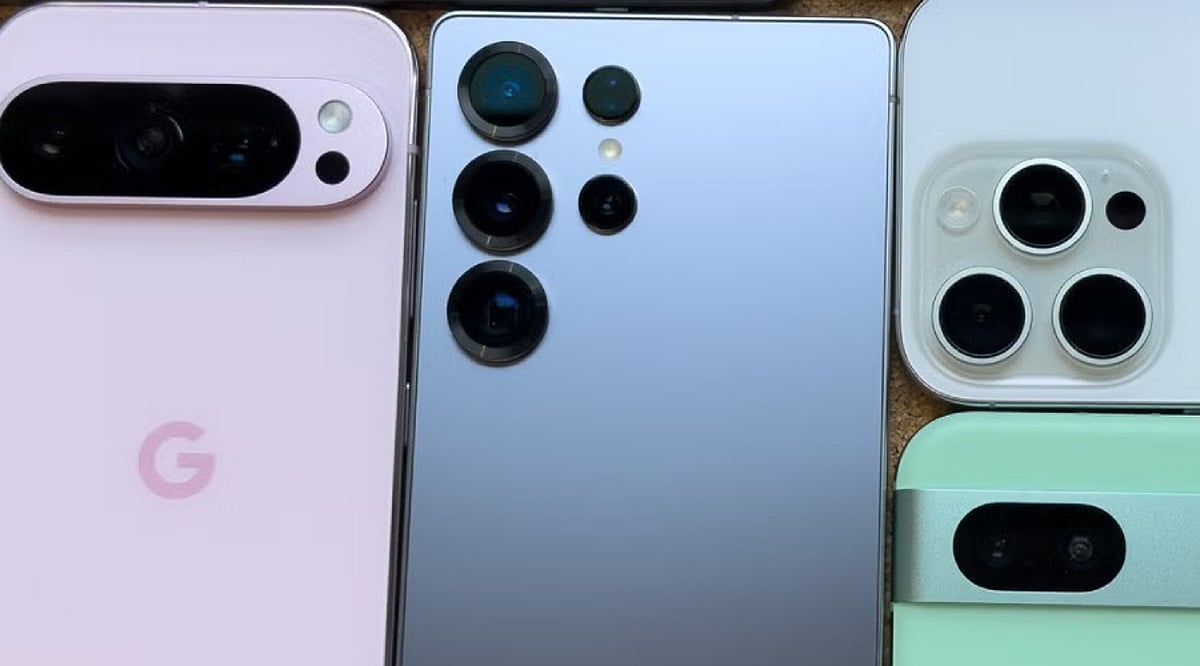
    India’s smartphone market is experiencing a pronounced slowdown as rising prices and economic uncertainty make buyers think twice before upgrading. According to Counterpoint Research, smartphone shipments fell 10% year-on-year in Q2 2026 — the steepest June-quarter decline in six years. IDC reports an even sharper 11.1% drop, with shipments totaling 33.2 million units. Both research firms point to the same underlying issue: consumers no longer see enough value in new phones at current prices.

    Higher Prices Have Changed the Buying Decision

    The average selling price of a smartphone in India reached a record $315, according to IDC, a 14.4% increase over the previous year. Counterpoint estimates that phone prices climbed roughly 15% by the end of Q2 2026, driven by multiple price hikes across major brands. This surge hits the mass market hardest, where even a modest price increase can push a purchase beyond a household’s budget.

    Memory costs are at the heart of the problem. Smartphone memory prices have nearly quadrupled since September 2025, Counterpoint notes, and now account for more than 45% of the bill of materials for phones priced below ₹15,000 — up from less than 20% before. Some models have seen price increases of over 100% from their launch price.

    The impact on price-sensitive buyers has been severe. Shipments of phones in the sub-₹15,000 segment fell 45% year-on-year in Q2. IDC also recorded a 74.3% drop in phones priced below $100. These figures demonstrate how quickly rising component costs can alter consumer behavior at the entry level.

    Buyers Can Get More Value From Older Phones

    A new phone no longer offers the same clear value at the lower end. Consumers can keep their current handset for another year rather than pay more for only modest improvements. Longer replacement cycles have become a key market dynamic, according to Counterpoint.

    The refurbished market provides strong evidence of this shift. India’s refurbished smartphone market grew 13% in the first half of 2026, while new phone sales fell about 11%. Refurbished devices often offer better cameras, displays, and processors at a lower price than comparable new models. Counterpoint expects the refurbished market to grow 16% in 2026.

    This trend also underscores that demand for smartphones hasn’t disappeared. Consumers still want better devices, but price has become a stronger determining factor. A used premium phone now looks more attractive than a new budget handset, especially for buyers focused on camera quality, display performance, and processor speed.

    GST Uncertainty Gives Buyers Another Reason to Wait

    Tax policy adds another layer of hesitation. Smartphones currently carry an 18% Goods and Services Tax (GST). Reports have suggested possible cuts to 12% or even 5%, though no reduction has been confirmed.

    The next GST Council meeting has been rescheduled to October 7, 2026, from the earlier September 12 date. This change gives buyers another reason to postpone a purchase until there is greater clarity on smartphone taxes.

    A lower GST rate could create a meaningful difference at retail. On a phone priced at ₹15,000 before tax, moving from 18% GST to 12% would reduce the tax component by about ₹676. A move to 5% would cut it by roughly ₹1,950, assuming retailers pass the full benefit to buyers. Actual retail savings may vary.

    EMI Plans Keep Premium Phones Strong

    The slowdown does not affect every market segment equally. Premium phones continue to attract buyers, thanks in part to EMI financing that reduces upfront costs. More than half of mainline smartphone sales used some form of financing in Q2, according to Counterpoint. The average EMI tenure reached 10 months, with Apple having the highest average at 17.2 months.

    Google Pixel posted 68% year-on-year growth in the ultra-premium segment above ₹45,000. Samsung grew 2% among the top five brands, while Nothing posted 105% growth. These results reveal a market split between buyers who can stretch budgets for premium devices and those who must delay purchases.

    The Wait Could Make Phones Costlier

    The biggest tension lies between hopes for a GST cut and rising component costs. A buyer may wait for a possible tax reduction, yet memory prices may push phone prices higher before any relief arrives. Counterpoint expects memory prices to rise further, possibly to five times their September 2025 level, and forecasts a 13% decline for India’s smartphone market across 2026.

    India’s smartphone slowdown looks less like a loss of interest and more like a value problem. Buyers still want better phones, but higher prices have shifted the point at which a replacement makes financial sense. For mass-market consumers, the choice now often boils down to three options: keep the old phone, buy refurbished, or wait for a price cut. That shift could keep India’s smartphone market under pressure well beyond a single sales quarter.

  • OnePlus Exits US and Canada Smartphone Market: What It Means for the Brand

    OnePlus Exits US and Canada Smartphone Market: What It Means for the Brand

    OnePlus has officially ceased smartphone sales in the United States and Canada, marking the end of its direct presence in the North American market. The company’s website now lists the OnePlus 15 and OnePlus 15R as sold out, and only a limited selection of accessories—such as earbuds and phone cases—remains available for purchase.

    The decision follows an internal restructuring at parent company OPPO, which has been consolidating its brand portfolio. OnePlus had confirmed in July 2026 that it would exit the region, and the withdrawal is now complete. While customers can still find remaining OnePlus smartphones through third-party retailers, stock is limited and depends on existing inventory.

    OnePlus built a loyal following by offering premium hardware at competitive prices, starting with the OnePlus One. However, increased competition in the premium mid-range segment has narrowed the brand’s differentiation. Industry speculation suggests OnePlus may once again operate as a sub-brand under OPPO, though no official announcement has been made. The company has not revealed any plans for future smartphone releases in North America.

    For now, OnePlus fans in the US and Canada must rely on third-party channels or look to other regions for new devices. The move underscores the shifting dynamics of the global smartphone market, where scale and integration are becoming increasingly critical.

  • Apple iPhone Shipments in India See First Quarterly Decline in Over Four Years Amid Chip Shortage

    Apple iPhone Shipments in India See First Quarterly Decline in Over Four Years Amid Chip Shortage

    Apple has recorded its first decline in iPhone shipments in India in more than four years, according to a new market report. Shipments fell by 3% year-on-year in the April to June quarter of 2026, a sharp reversal from the 12% growth seen at the start of the year.

    The drop is primarily attributed to a shortage of memory chips, which has constrained Apple’s ability to supply new devices. CEO Tim Cook described the supply disruption as a “hundred-year flood,” calling it one of the biggest challenges he has faced during his decades at Apple. Analysts note that customer demand remains steady, but the company has not been able to ship enough phones to meet it.

    India’s overall smartphone market contracted 10% year-on-year in the second quarter, one of the steepest declines in the last six years. In that context, Apple’s 3% decline appears relatively mild.

    Other Smartphone Brands’ Performance in Q2 2026

    Not all brands faced similar headwinds. Samsung’s shipments grew by 2% in the same quarter, while the fastest-growing smartphone brand in India was Nothing, which posted a remarkable 105% growth. Xiaomi, however, struggled with continuously rising prices in the Indian market. Its wider range of devices helped it gain popularity, but higher prices made competition more challenging.

    What Comes Next for Apple?

    The latest shipment drop does not indicate waning demand for iPhones. Rather, it highlights that higher component costs and supply issues are making it harder for Apple to maintain adequate stock in the market. If memory chip prices remain elevated, Apple may adjust its inventory management strategy in India and could review its pricing for future models. Even so, India remains one of Apple’s key markets, and the company is expected to continue investing in the country as demand grows.

  • Can Apple’s Foldable iPhone Revitalize the Sluggish Foldable Phone Market?

    Can Apple’s Foldable iPhone Revitalize the Sluggish Foldable Phone Market?

    Apple’s trusted brand could finally push foldable smartphones beyond early adopters into mainstream consumer markets worldwide. Consumer interest already exists, but affordability, durability, and usability remain the biggest barriers to purchase today. Apple’s premium pricing strategy could determine whether foldable phones succeed or remain luxury products exclusively.

    The foldable phone space has been building for years, and one question keeps coming up: Can Apple actually change this market? After looking at the latest research and production reports, the answer appears to be yes, but only if Apple gets a few big things right.

    Foldable phones have been around for years. Samsung, Motorola, Google, and OnePlus have all released models. However, foldables still make up only about 3% of total smartphone sales. This shows that the category is hyped but doesn’t have mass appeal. At least not yet, but Apple is venturing into this space, which can change on the back of its massive brand value worldwide.

    Why Consumers Are More Open Than Expected

    A recent survey from SmartTech Research offers some useful clues. It polled 291 qualified smartphone buyers across the country, not just tech enthusiasts in big cities. The results are notable. About 58% of respondents said they are at least somewhat open to buying a foldable phone next. Only 5.3% said they are unlikely to buy this model.

    This suggests people are not against foldables. They simply don’t have a strong reason to buy one yet. Additionally, the specs, features, and aesthetics can be improved since Apple has a late-mover advantage and it can crack its popularity issue.

    The Apple Trust Factor

    When the same survey asked whether Apple’s entry into the foldable market would make people more confident about buying one, 60.5% said yes. This makes sense given Apple’s history, as it has a pattern of entering product categories later than its competitors and then making them feel mainstream. The iPod was not the first MP3 player, and the iPhone was not the first smartphone. Apple did not invent these categories, but it refined the experience until people trusted and embraced them.

    For foldables, that trust matters even more. Buyers worry about creases, hinges, durability, and repair costs. If Apple can quell those fears, it could pull hesitant buyers off the sidelines. The tech giant will have this big responsibility of addressing these issues with its innovative approach and comprehensive research and development.

    The Price Problem Apple Cannot Ignore

    This is the part that raises concern. Reports now suggest Apple’s foldable iPhone could cost around $2,400 to $2,500. This price is above that of almost every other foldable on the market today. Counterpoint Research data shows only about 2% of foldables are expected to be priced above $2,000 this year.

    The survey backs this up too. Most consumers expect to pay under $1,000 for their next phone. Only a small group said they would pay $2,000 or more for a foldable, even if it offered clear benefits.

    There is also a depreciation problem. Research on foldable phones from SellCell indicates the devices could lose close to 65% of their value within a year. At a $2,500 price point, that could mean losing over $1,600 in value in just twelve months. This is a hard number to ignore.

    Why It Matters

    This matters because Apple rarely enters a market halfway. Recent reports suggest Apple has raised its foldable production target to around 10 million units. This is almost double what Samsung plans to produce across its entire foldable lineup. This is not a cautious test run. It is a serious bet. If Apple pulls this off, it could do what it has done before. It could turn a niche product into a normal purchase. This would expand the entire foldable market, not just Apple’s slice of it. Samsung, Google, and Motorola could all benefit from more people simply being open to the idea of a folding phone. If Apple gets the price or the durability story wrong, though, it risks turning this into an expensive misstep. A device priced above $2,000 could stay a luxury item rather than a mainstream choice.

    The Bigger Picture

    Apple appears to have a real chance to reshape this market. It has secured both trust and credibility. However, it needs a price and design that do not scare buyers away. If it delivers a foldable iPhone that feels reliable and useful rather than fragile and overpriced, it could turn years of foldable hype into real, lasting demand.

    Frequently Asked Questions

    1. Will Apple release a foldable iPhone? Reports suggest Apple is preparing to launch a foldable iPhone, with production plans pointing toward a large-scale rollout rather than a limited test release.
    2. How much will the Apple foldable iPhone cost? Current reports estimate a price between $2,400 and $2,500, which would place it well above the price of most foldable phones sold today.
    3. Are consumers actually interested in foldable phones? Yes. A recent survey found that about 58% of smartphone buyers are at least somewhat open to buying a foldable phone next.
    4. Does Apple’s entry make people trust foldables more? According to the same survey, 60.5% of respondents said Apple entering the foldable market would make them more confident about buying one.
    5. What is the biggest risk for Apple’s foldable phone? Price and depreciation stand out as the biggest risks. Foldable phones already lose close to 65% of their value within a year, and a high starting price could make that loss even steeper.
  • Apple’s Foldable iPhone Poised to Reshape Premium Smartphone Market by 2026

    Apple’s Foldable iPhone Poised to Reshape Premium Smartphone Market by 2026

    Apple’s anticipated entry into the foldable smartphone market is expected to significantly boost competition and drive up average selling prices (ASPs) across the segment, according to new research from Counterpoint. Although Apple has yet to officially announce a foldable device, mounting anticipation is already influencing market dynamics, prompting rivals like Samsung, Huawei, Google, and Xiaomi to accelerate their own foldable launches.

    Counterpoint Research forecasts global foldable smartphone shipments will approach 28 million units this year, with Apple’s debut likely pushing the category’s ASP from $1,255 in 2025 to $1,485 in 2026—an 18% increase. The foldable segment’s total revenue could surge by 48% as a result.

    Book-Type Foldables Gain Premium Position

    Industry analysts expect Apple’s foldable to adopt a book-type, wide-screen design rather than a clamshell form factor. This approach is seen as better suited for reading and productivity, and aligns with Apple’s emphasis on consistent app display standards across its ecosystem.

    Counterpoint notes a growing divergence between foldable formats. Clamshell devices are becoming more affordable as production scales and more brands enter the space. In contrast, book-type foldables remain firmly in the luxury segment, with manufacturers enhancing displays, hinges, batteries, cameras, and productivity features.

    “Apple’s entry into the foldable market is also expected to further boost the upward ASP trend by keeping market attention on high-priced segments,” Counterpoint stated. The firm added that this will “increase interest in software continuity, app support, and productivity across foldable categories and help establish foldables as a higher-value segment within the smartphone market.”

    Premium Price Band May Expand

    According to Counterpoint, the share of foldables priced between $1,600 and $2,000 could nearly double from 30% in 2025 to 58% in 2026. Meanwhile, the portion of devices exceeding $2,000 is expected to decline slightly from 3% to 2%.

    Apple’s own foldable is likely to sit in its ultra-premium tier, with estimated ASPs around $2,500 or higher depending on configuration.

    Challenges Remain for Foldables

    Despite more than seven years of development, foldable phones still face hurdles including inner-screen flatness, protective film durability, hinge reliability, and optimal app performance across inner and outer displays.

    Manufacturers also believe foldables need compelling use cases in office workflows, AI, and photography. While Apple’s move could elevate the category’s profile, the long-term success of foldables will depend on delivering a clearly superior user experience compared to standard premium smartphones.