Tag: Smartphone Review

  • Vivo X300 FE Review: A Compact Flagship That Balances Features and Price

    Vivo X300 FE Review: A Compact Flagship That Balances Features and Price

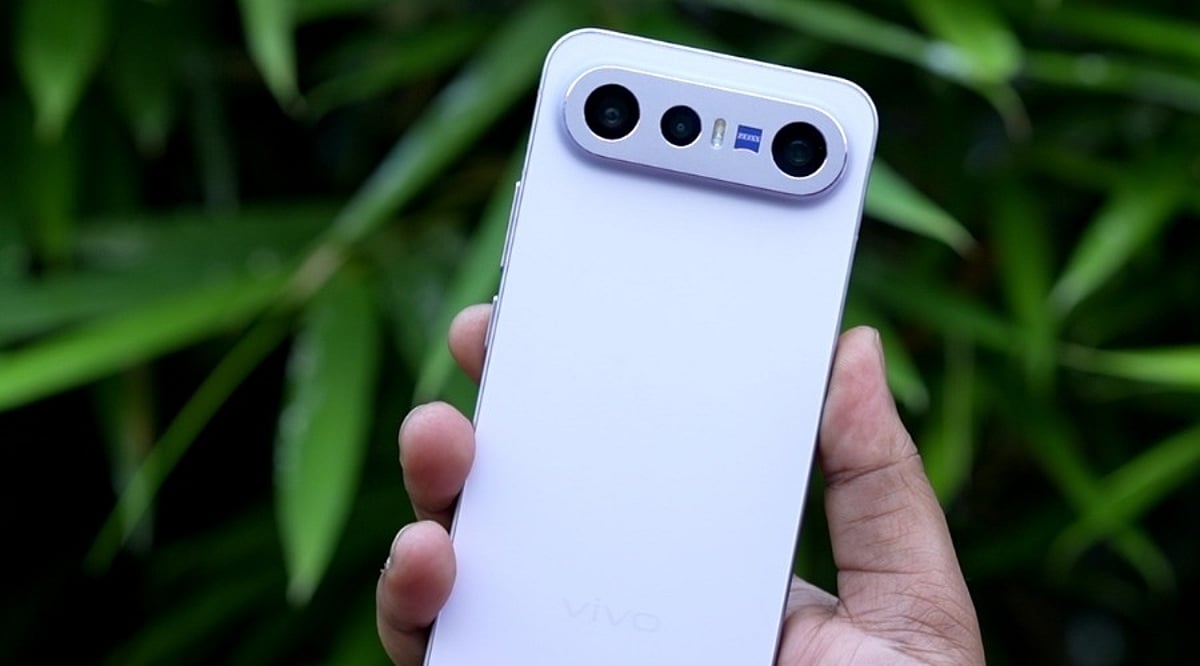
    The Vivo X300 FE is a compact flagship that aims to deliver a premium experience without the premium price tag. It combines strong battery life, a vivid display, and a versatile camera system in a sleek, pocket-friendly design. While it succeeds in many areas, its pricing lands dangerously close to the Vivo X300, making it a tough choice for budget-conscious buyers.

    General Specifications

    The Vivo X300 FE packs flagship-level internals, including a high-refresh-rate AMOLED display, a capable processor, and a triple-camera setup. The device supports fast charging and offers ample storage options. Exact specs include a 6.1-inch FHD+ display, a 50MP main camera, and a 4500mAh battery with 66W wired charging.

    Pros and Cons

    • Pros: Excellent battery life, vibrant display, dependable camera performance, compact form factor.
    • Cons: Pricing too close to the standard Vivo X300, lacks a telephoto lens, no wireless charging.

    Pricing and Availability

    The Vivo X300 FE is priced competitively but sits just below the Vivo X300. It is available on Flipkart and Amazon with bank and exchange offers.

    Available on Flipkart: Click Here
    Available on Amazon: Click Here

    Verdict

    The Vivo X300 FE is a solid compact flagship that delivers a balanced experience with strong battery life, a great display, and dependable cameras. However, its pricing places it too close to the Vivo X300, making it harder to justify. It makes more sense for users who value compact design and overall usability over absolute performance gains.

  • iQOO Neo 10 Review: A Balanced Powerhouse for Everyday Use in 2025

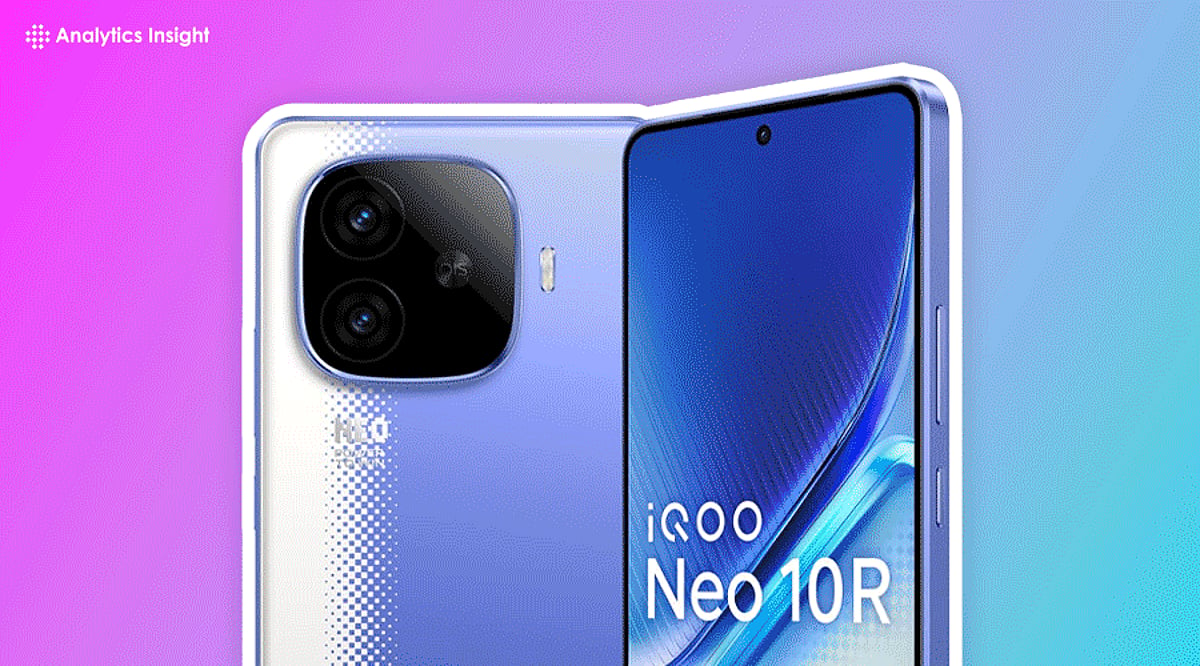
    iQOO Neo 10 Review: A Balanced Powerhouse for Everyday Use in 2025

    The smartphone market in 2025 is more crowded than ever, with new models launching almost daily. Some phones try to reinvent the wheel, while others simply add a feature or two. But every now and then, a device comes along that just works—no fuss, no gimmicks. The iQOO Neo 10 is exactly that kind of phone.

    It combines flagship-level performance with a midrange price, offering a vibrant AMOLED display, ultra-fast charging, a capable camera system, and strong battery life. Whether you’re a tech enthusiast or someone who just needs a reliable daily driver, the iQOO Neo 10 delivers where it counts.

    Design and Build Quality

    The iQOO Neo 10 doesn’t try to reinvent smartphone design—and that’s a good thing. Its clean, minimalist look feels premium without being flashy. The back panel resists fingerprints, and the device sits comfortably in the hand. The camera module is neatly arranged and doesn’t protrude excessively, making it easy to slip into a pocket.

    Processor and Performance

    Under the hood, the iQOO Neo 10 packs a processor that handles anything you throw at it. App switching is fluid, and even graphically intensive games run without stuttering. Video editing and long gaming sessions are smooth, and the device manages heat well—a common issue with many budget-friendly powerhouses.

    Display and Visuals

    The AMOLED display is one of the standout features. Colors are rich, blacks are deep, and sharpness is excellent. Scrolling feels buttery smooth, and the screen is bright enough for outdoor use. This level of quality is typically reserved for much more expensive flagships.

    Camera System

    The main camera captures natural colors and good detail in both bright and low-light conditions. An ultra-wide lens and macro sensor add versatility for creative shots. While not quite on par with premium flagships, the cameras are more than adequate for everyday photography. Video recording is stable, and audio capture is clear.

    Battery Life and Charging

    Battery life is a highlight. The iQOO Neo 10 easily lasts a full day of heavy use, and with moderate usage, it can stretch into a second day. When it’s time to recharge, the included fast charger takes the battery from empty to full in under an hour. The charging process remains cool and safe.

    Software Experience

    The software is clean and free of unnecessary bloatware. It’s intuitive to navigate and offers plenty of customization options. The manufacturer is known for regular updates, so your phone should stay current with security patches and new features.

    The Bottom Line

    The iQOO Neo 10 is a no-nonsense smartphone that focuses on what matters: dependable speed, long battery life, a great display, and solid cameras. It’s an excellent choice for work, gaming, content creation, or staying connected. For anyone looking for a reliable all-rounder in 2025, the iQOO Neo 10 is a top contender.

  • Realme 15 Pro Review: Triple 50MP Cameras, 7000mAh Battery & 144Hz Display Tested

    Realme 15 Pro Review: Triple 50MP Cameras, 7000mAh Battery & 144Hz Display Tested

    Realme 15 Pro Enters the Mid-Range Arena with Flagship-Level Features

    Announced on July 24, 2025, and available from July 30, the Realme 15 Pro is making waves in the mid-range smartphone segment. Priced between Rs. 31,999 and Rs. 38,999 in India (depending on memory configuration), it offers a compelling mix of ultra-bright display, triple 50MP cameras, and a massive 7,000mAh battery. This review dives into the design, performance, camera, and battery life to help you decide if it’s worth your money.

    Design and Build: Slim, Light, and Premium

    The Realme 15 Pro comes in three colors: Flowing Silver, Velvet Green, and Silk Purple. Despite packing a 7,000mAh battery, it measures just 7.7–7.8mm thick and weighs around 187 grams—impressively slim and light. Curved edges and narrow bezels give it an upscale feel. Realme claims “IP69+ Corning Glass” for durability, though no official third-party certification exists yet, so caution with water exposure is advised.

    Display: 6.8-Inch 144Hz AMOLED with 6,500 Nits Peak Brightness

    The display is a standout. The 6.8-inch curved AMOLED panel boasts 1.5K resolution, a 144Hz refresh rate, and peak brightness up to 6,500 nits. Touch sampling rate reaches 2,500 Hz, making scrolling and gaming exceptionally responsive. Reading in sunlight, watching videos, and navigating social feeds feel premium—well beyond typical mid-range offerings.

    Performance: Snapdragon 7 Gen 4 with Vapor-Chamber Cooling

    Powered by Qualcomm’s Snapdragon 7 Gen 4 (4nm), paired with up to 12GB RAM and UFS 3.1 storage up to 512GB, the Realme 15 Pro handles everyday tasks smoothly. Games like Free Fire run at 120fps and BGMI at 90fps. The vapor-chamber cooling system keeps heat in check. While it doesn’t match last year’s flagship Snapdragon 8-series chips, it delivers commendable performance for its class.

    Cameras: Triple 50MP with 4K60 Video on Both Front and Rear

    The camera setup includes three 50MP sensors: main (Sony IMX896 with OIS), ultrawide, and front-facing selfie camera. Both rear and front cameras can record 4K60 video. Daylight shots are clear and well-colored; low-light performance benefits from stabilization. The selfie camera excels in skin tones and detail. The only drawback is the lack of a dedicated telephoto lens—zooming relies on software cropping.

    Battery Life: 7,000mAh with 80W Fast Charging

    Battery life is a key strength. The 7,000mAh cell easily lasts a full day of heavy use—social media, video, gaming, chatting. The included 80W charger (in the box) tops up the battery quickly. This combination of endurance and fast charging sets it apart from many competitors.

    Software and AI Features: Realme UI 6.0 on Android 15

    Realme UI 6.0 introduces several AI tools: “AI Edit Genie” lets you edit photos via voice commands (remove objects, change backgrounds, reduce glare, adjust exposure). “AI Party Mode” adds creative frames and optimizes low-light shots. The camera app also includes AI Landscape, MagicGlow, and enhanced Night mode. Both rear and front cameras support 4K60 recording—a rare feature at this price.

    Connectivity and Extras

    The phone supports dual SIM 5G, Wi-Fi 6, Bluetooth 5.4, in-display fingerprint sensor, and even an IR blaster. Navigation covers GPS, GLONASS, Galileo, Beidou, QZSS. The box includes a protective case and fast charger, adding value.

    Pricing in India

    • 8GB/128GB: Rs. 31,999
    • 8GB/256GB: Rs. 33,999
    • 12GB/256GB: Rs. 35,999
    • 12GB/512GB: Rs. 38,999

    Bank discounts and exchange offers can reduce the effective price further. A non-Pro Realme 15 starts at Rs. 25,999.

    How It Stacks Up Against Competitors

    Main rivals include Xiaomi 14 Civi (faster Snapdragon 8s Gen 3), OnePlus Nord 5 (fluid software), and Samsung Galaxy S24 FE (better software support and camera polish). Realme differentiates with its ultra-bright 144Hz curved display, dual 4K60 video, and massive battery with bundled fast charging.

    Strengths and Trade-Offs

    Strengths: Striking display, outstanding battery endurance, strong video features, AI tools, slim design, competitive pricing.

    Trade-Offs: Snapdragon 7 Gen 4 may underwhelm hardcore gamers vs. 8-series chips; no optical zoom; IP69+ claims remain unverified.

    Final Verdict: A Well-Rounded Mid-Range Contender

    As of mid-August 2025, the Realme 15 Pro proves to be a strong contender in the Rs. 30,000–Rs. 35,000 zone. It excels at display brightness, battery life, and creative video features, all in an attractive design. While not leading in raw performance or zoom capabilities, it delivers a well-rounded, value-packed experience for everyday users and video-savvy creators.

  • Apple iPhone Air Review: A Deep Dive into Design, Performance, and Key Compromises

    Apple iPhone Air Review: A Deep Dive into Design, Performance, and Key Compromises

    Apple iPhone Air Review: Design, Performance, and the Trade-Offs You Should Know

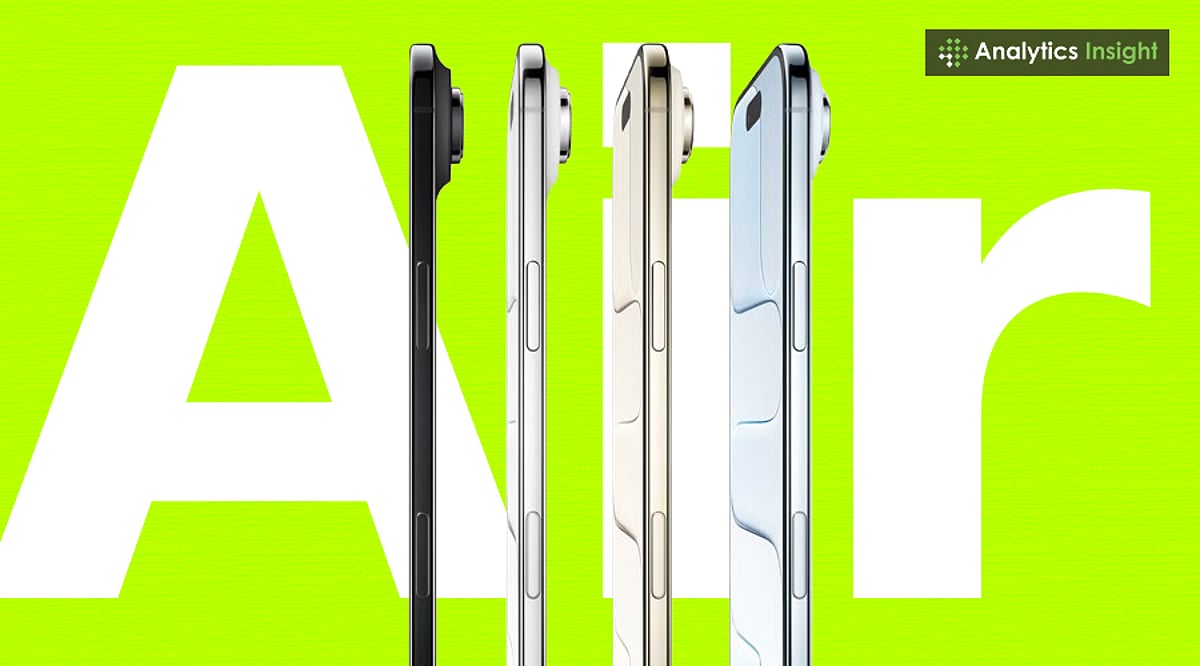
    Apple introduces the iPhone Air, its thinnest and lightest iPhone yet, designed to blend elegance with power. Featuring a titanium frame, a stunning OLED display, and the A19 Pro chip, the iPhone Air promises smooth performance with everyday usability. The Air model comes with trade-offs in the camera system, battery life under heavy use, and certain connectivity features.

    Since the announcement of the iPhone 17 lineup, one model that has drawn the most attention is iPhone 17 Air. This slimmest iPhone model has captured the interest of every tech enthusiast, despite some notable drawbacks. With a thickness of only 5.6 mm and a weight of 165 grams, iPhone 17 Air offers a featherlight experience compared to other models. Apple’s approach is clear: the company has prioritized portability over raw power. If you are considering an upgrade and wonder whether the thin design affects functionality, this detailed review of iPhone 17 Air will help you decide if it deserves your attention.

    When Will it Impress? Design, Display & Everyday Performance

    The latest lightweight iPhone model excels in two aspects that users will immediately notice. First, design and second, usability. The titanium frame, combined with Apple’s Ceramic Shield, makes this model durable, contrasting its slim build. Covering all the concerns around its design and build, the brand-new Air model feels sturdy in daily use.

    At a $999 price, the model integrates a 6.5-inch OLED display with a 120 Hz refresh rate. It is one of the standout features of iPhone 17 Air that’s bound to impress users. One interesting point is that users will notice the display size of the Air fits right between the base model iPhone 17 and iPhone 17 Pro Max. Scrolling in Air feels fluid, while streaming looks crisp. Regarding brightness, the iPhone 17 Air can withstand bright sunlight.

    On the performance aspect, A19 Pro chip ensures everything can be handled without lag. From heavy gaming to multitasking, iPhone 17 Air can handle everything. Surprisingly, the battery life, although a bit compromised by the design, can last for 24 hours under regular use. For power users, they probably need to charge the phone once in the middle of the day.

    In short, for daily tasks, including calls, web browsing, watching videos, and casual gaming, the brand-new iPhone model is more impressive than initially speculated. Therefore, if you aren’t a power user, this device is a good choice to go for.

    What Hampers the Experience? Trade-Offs You Should Consider

    All the Air products in Apple’s lineup sacrifice some features to gain the desired slimness. iPhone 17 Air isn’t an exception. So, here are the main trade-offs to consider:

    • Camera Limitations: The first thing that the model has sacrificed is the camera. The Air model sticks to a single 48MP main lens, while leaving the ultrawide and telephoto lenses behind, which are core features of premium iPhone models. Low-light shots are decent, but not as good as Pro models.
    • Heat Build-Up: Air supports gaming, but extended gaming sessions cause the phone to heat up, especially in the camera area. It’s not like the device gets too hot to use, but the heat is noticeable compared to thicker models with better cooling.
    • Connectivity & Data Transfer: iPhone Air supports only sub-6 5G (no mmWave). Notably, it comes with USB 2 transfer speeds, which doesn’t fit with a model that costs nearly $1,000.

    For casual gamers and users, iPhone Air isn’t disappointing. Instead, they will find this lightweight device impressive. On the contrary, hardcore gamers and professional photographers will be bothered by these trade-offs.

    Pros and Cons of iPhone 17 Air at a Glance

    iPhone Air is a compelling choice, but before investing in this model, consumers should consider the following positive and negative effects:

    Pros:

    • Slim and lightweight design
    • iOS 26
    • Impressive battery life
    • Enhanced durability
    • A19 Pro Chip
    • 6.5-inch OLED display

    Cons:

    • Single rear camera
    • No ultrawide and telephoto lens
    • Device heating issue
    • USB 2 Transfer Speed
    • Higher price tag

    Final Thoughts: Strategic Choice or Beautiful Compromise?

    iPhone Air is undoubtedly one of the boldest steps in iPhone design. The Air model is Apple’s lightest and thinnest model yet, striking a balance between performance and elegance. However, there are some compromises, as the camera features, connectivity, and heat management make the device less convenient for power users.

    If you’re looking for a sleek and everyday iPhone that looks premium, iPhone 17 Air is worth considering. However, for those who require professional photography, long gaming sessions, or fast data transfers, the Pro lineup best suits their needs.