
Tag: Smartphone Update

  • One UI 9 Unveiled: How Android 17 Transforms Samsung Galaxy Phones

    One UI 9 Unveiled: How Android 17 Transforms Samsung Galaxy Phones

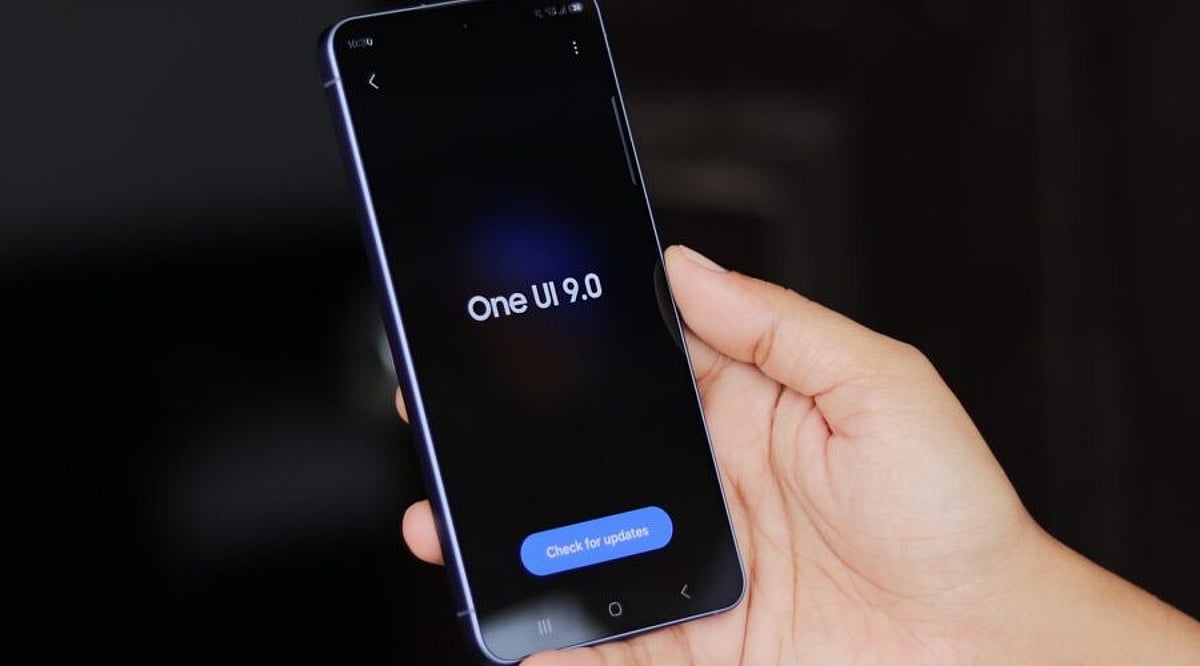
    Samsung’s One UI 9 update, built on Android 17, introduces a suite of Galaxy AI tools, enhanced privacy features, and practical interface improvements. The stable release first arrived on the Galaxy Z Fold8 Ultra, Galaxy Z Fold8, and Galaxy Z Flip8, with a broader rollout to the Galaxy S26 series beginning September 16.

    Galaxy AI Gets Smarter

    One of the standout features is My FanCam, which tracks a selected person in a recorded video, keeping them centered as the scene changes. Ideal for capturing children at events or friends in action, this feature requires a Samsung Account and performance may vary.

    Now Brief now includes Generative and Editable Cards, allowing users to customize daily summaries with health, weather, or video content. The new Now Nudge feature offers context-aware actions—for example, when chatting about a trip, it can surface reservation details or save shared locations without leaving the conversation.

    Creative Studio leverages calendar events to suggest themed images or greetings, such as a birthday card, integrating AI directly into everyday tasks.

    Enhanced Tools for Calls, Documents, and Daily Use

    The Interpreter translation tool gains a Thread View for easier conversation tracking, faster translation in Conversation Mode, and quicker audio playback on compatible Galaxy Buds. Language support varies by region and device.

    Document Scan now handles curved book pages and folded corners more effectively. Large-screen Galaxy devices get optimized scan views, and Finger Eraser receives an upgrade. Voice Recorder can generate summaries with headings and tables, making long recordings easier to navigate.

    A new Warranty and Care section in Settings provides warranty details, self-diagnostics, repair estimates, and access to Samsung Care+ or service appointments, though options vary by country and device.

    Stronger Privacy and Wider Rollout

    Security improvements include Security Brief, which adds malware alerts and permission warnings to Now Brief. Privacy Alerts use on-device AI to flag risks like unnecessary background access, while Scam Detection expands to India, Japan, Canada, and other markets.

    The Quick Panel now offers separate controls for brightness, sound, and media layout. Accessibility enhancements include adjustable Mouse Key speed, a combined TalkBack package, and Text Spotlight, which displays selected text in a larger floating window.

    As of September 29, the stable rollout has expanded beyond the Galaxy S26 series to the Galaxy S25 series in South Korea, with the Galaxy S25 FE and S25 Edge also receiving updates. Availability depends on device, carrier, and region.

    One UI 9 goes beyond a simple Android update, delivering Galaxy-specific AI, privacy tools, camera features, and interface refinements that put useful actions directly into everyday apps.
  • Samsung One UI 9 (Android 19) Rollout Timeline: Galaxy S26, S25 Ultra, S24 Ultra

    Samsung One UI 9 (Android 19) Rollout Timeline: Galaxy S26, S25 Ultra, S24 Ultra

    Samsung’s One UI 9 update, built on Android 19, is approaching its stable release and is set to roll out to a growing number of Galaxy smartphones. The update introduces a refreshed interface, new AI tools, enhanced privacy controls, and battery-saving features.

    Galaxy S26 Series to Receive the Update First

    The stable version of One UI 9 will first arrive on the upcoming Galaxy S26 Ultra, Galaxy S26, and Galaxy S26 Plus. After several beta iterations, Samsung has reportedly spotted the stable firmware build on its internal servers, signaling an imminent launch—possibly as early as this week.

    Galaxy S25 and S24 Series Next in Line

    Following the Galaxy S26 models, the Galaxy S25 Ultra, Galaxy S25, and Galaxy S25 Plus are expected to get the stable update by late September or early October. The Galaxy S24 Ultra has already entered the beta program, with the first beta release going live in India, the UK, the US, and South Korea.

    Key Features in One UI 9

    One UI 9 brings a more customizable interface with a revamped Quick Panel that lets users control the placement and sizing of brightness, volume, and media controls. Samsung is also adding creative tools to Notes, along with accessibility and security improvements.

    Battery life enhancements come from changes to LTPO display behavior, allowing compatible panels to drop to 20 Hz, 26.67 Hz, or 40 Hz during static content display. Additional features include improved privacy warnings, network restrictions for individual apps, advanced AI capabilities, a built-in PDF reader, and expanded multitasking options.

    Samsung has not confirmed whether all planned features will be included at launch, so some details may change before the stable build is released.

    For now, Galaxy S26 Ultra users appear to be first in line for One UI 9, with Galaxy S25 Ultra and Galaxy S24 Ultra users following shortly after.

  • Xiaomi HyperOS 4 Leak: Android 17-Based Update Brings Glass UI and Performance Boost

    Xiaomi HyperOS 4 Leak: Android 17-Based Update Brings Glass UI and Performance Boost

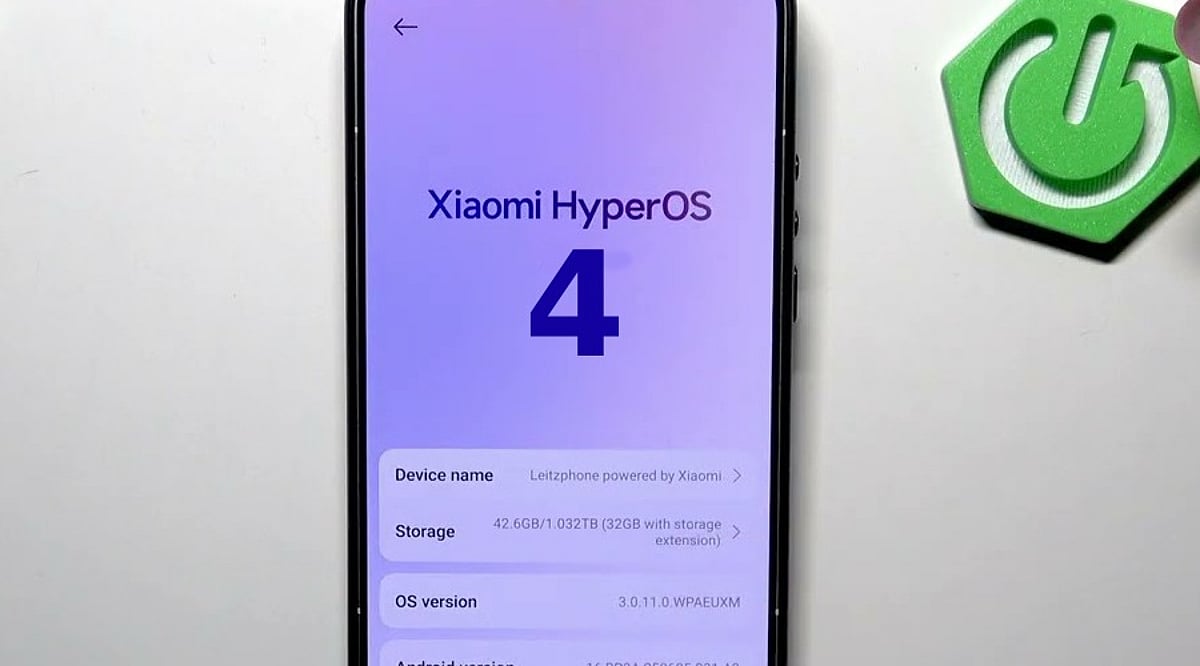
    Xiaomi is reportedly preparing to kick off beta testing for its next-generation HyperOS 4 software as early as August 7, according to a leaked roadmap. The update, built on Android 17, promises a redesigned interface, enhanced system performance, and deeper ecosystem integration.

    The leak indicates that beta registrations in China opened on August 5, followed by a software announcement on August 6. The first beta builds are expected to reach eligible users this week. While Xiaomi has not officially confirmed the timeline, the update is anticipated to introduce a fresh visual language centered on translucent glass-like interface elements.

    Visual Overhaul with New Interface Elements

    HyperOS 4 is expected to bring an all-new design language featuring translucent glass effects. Leaks suggest Xiaomi will overhaul system icons, animations, notifications, and the Control Center to create a sleeker, more modern look. Updated 2.5D icons, smoother transitions, and added visual depth are among the changes rumored. Improved lockscreen notifications, stacked widgets, and refined system navigation may also be part of the update, marking one of the largest visual upgrades since Xiaomi transitioned from MIUI to HyperOS.

    Focus on Performance and Security Upgrades

    Beyond aesthetics, HyperOS 4 is expected to emphasize system optimization. Reports indicate that Xiaomi is rebuilding several core applications using modern programming frameworks to improve stability, memory management, and overall responsiveness. Users can anticipate faster app launches, smoother multitasking, and better battery efficiency across compatible smartphones and tablets. Some leaks also mention deeper ecosystem integration between Xiaomi phones, tablets, wearables, and smart home devices, allowing seamless switching between connected products. However, Xiaomi has yet to officially reveal the complete feature list.

    Global Rollout Likely to Follow China Beta

    The China beta will be the first large-scale test, after which Xiaomi is expected to expand the software globally. Historically, Xiaomi releases new software in China first, followed by beta and stable versions for international markets after a few weeks. Industry sources suggest the stable version may arrive in late 2026, initially on flagship devices and then on Redmi and POCO series. Until Xiaomi issues an official statement, this information should be regarded as tentative. The leak indicates that HyperOS 4 could become one of Xiaomi’s most significant software releases, combining a bold new design with substantial performance gains.